Strong. Functional. Connected.
Whole-body strength and function that begins with the pelvic floor & core
By Lauren Ohayon
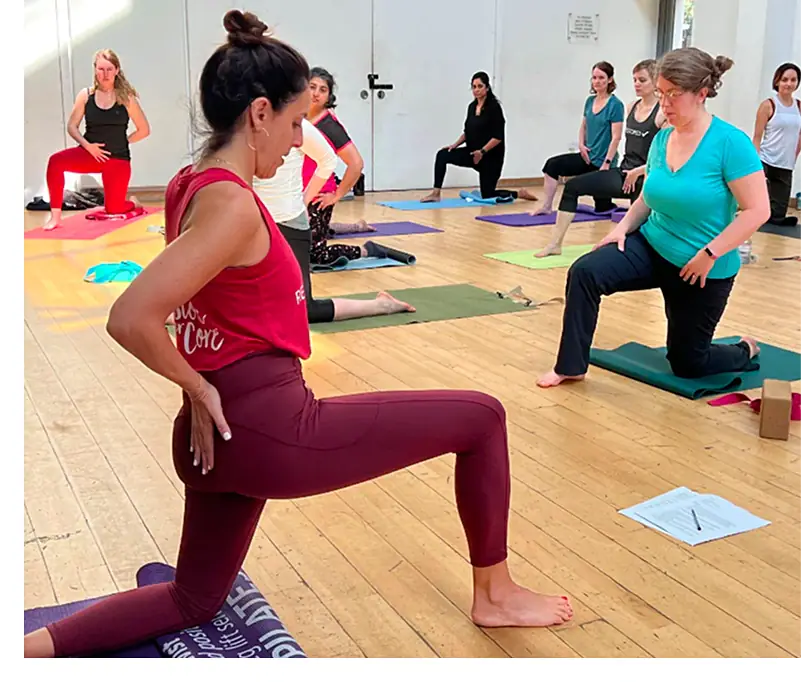
Let’s move together.
In person.
A somatic workshop with Lauren Ohayon
blending movement,
mindfulness & focused
pelvic floor & core work
As seen in:














Feel confident in your body again
A pelvic floor & core rehab program that addresses your whole body

Diastasis recti? Your success story is waiting.
Join thousands of women healing their DR with us.

Steffanie Frandsen
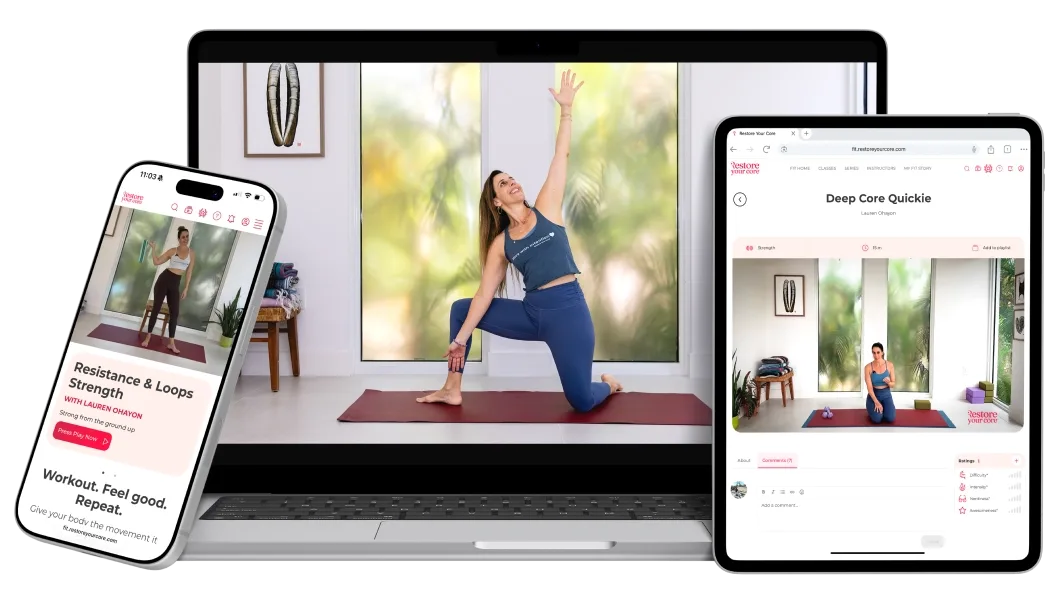
Sweat, flow and strengthen in our online fitness studio.
RYC® FIT
The workout membership that offers smart, playful, accessible classes for all bodies.
Learn More* Please note, this is not a rehab program, if you need core and pelvic floor rehab, please begin with RYC®

Alycia Levy Fortin

Want to go a level deeper?
Find an RYC® in-person class in your area
With teachers in over 80 countries, you just might get lucky!
Take a lookWant some freevideo support?


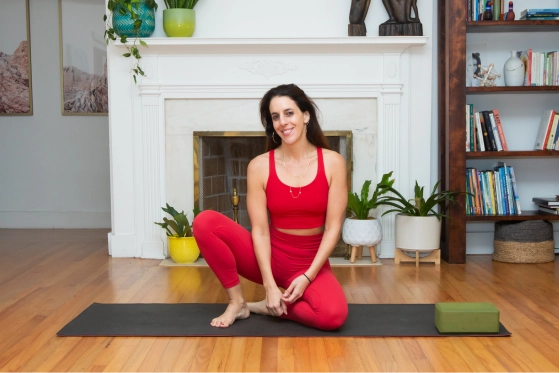
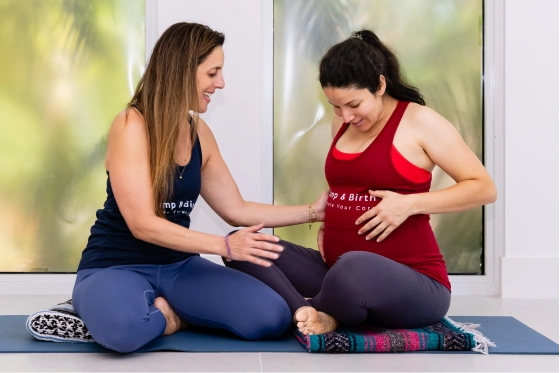
Join a community of women who understand your journey
Inside our free private Facebook community of 35K+ women, you'll celebrate milestones, ask real-life questions, and get perspective from others who've been there. Our members are kind and supportive and the space stays safe and empowering.
Got questions?
Restore Your Core® is a comprehensive, whole-body fitness and healing method created by Lauren Ohayon. It’s designed for women seeking sustainable core and pelvic floor recovery – and for those who want to move with strength, freedom, and confidence. We combine intelligent movement, education, and a no-shame approach to healing. Whether you’re postpartum, navigating menopause, or recovering from injury, we help you reconnect to your body and feel strong again — from the inside out.
RYC® Offerings At-A-Glance
- RYC® 12-Week Program
Our signature rehab program. A comprehensive, self-paced online course that helps you heal from common core and pelvic floor issues like diastasis recti, prolapse, leaking, and chronic back pain.
Best for: Anyone experiencing symptoms or in need of functional core and pelvic floor recovery.
- RYC® FIT
Our functional fitness membership. Ongoing, smart, accessible workouts designed for real bodies. Build strength, mobility, and confidence post-rehab or as your primary fitness option.
Best for: Those ready to move consistently and intelligently (not a rehab program).
- RYC® Pro Trainings
Our professional training program. A globally recognized certification for movement teachers, physical therapists, doulas, and bodyworkers who want to help others restore core and pelvic health using the RYC® Method.
Best for: Wellness professionals looking to deepen their expertise and serve clients more effectively.
Restore Your Core® (RYC®) created by Lauren Ohayon is an evidence-informed core and pelvic floor program and pelvic floor rehab method. Designed for women experiencing core dysfunction, it’s a 12-week, online, guided movement-based solution that helps heal from pelvic floor dysfunction, diastasis recti, prolapse, leaking, back pain, and more. The focus is on retraining movement patterns, rebuilding strength, and restoring whole-body function – not just isolated exercises.
The Restore Your Core® Method is recommended by Medical Doctors, OBGyns, Pelvic Floor Physical Therapists and other Health and Wellness Professionals.
RYC® FIT is an online fitness studio created by Lauren Ohayon, founder of Restore Your Core®. It features over 400 on-demand classes spanning strength, cardio, flow, and restorative movement – designed to help you move consistently, safely, and intelligently. Whether you follow a guided path or choose your workout based on how you feel that day, RYC® FIT meets you where you are – no pressure, just progress.
Every class is core-aware and pelvic floor-friendly, making it ideal for anyone looking to build strength with confidence, especially those who want to move without aggravating old injuries or underlying issues.
RYC® Pro Trainings are for movement professionals who want to work with women experiencing core and pelvic floor issues. You’ll learn:
- Anatomy and physiology of the core and pelvic floor
- RYC® assessment tools and protocols
- How to apply the RYC® Method in group or 1:1 settings
- Trauma-informed, inclusive teaching practices
…and much more!
After completing the training, you’ll become part of a global network of over 500 certified RYC® teachers – with access to mentorship, continuing education, and a powerful teaching community.
Learn more about RYC® Professional Trainings
Yes. RYC® is specifically created to address pelvic floor dysfunction symptoms such as urinary leaking, heaviness, pressure, pelvic pain, and core instability. Instead of relying on isolated kegels, the RYC® Method uses full-body, functional movement to improve strength, alignment, and tissue responsiveness.
Common weak pelvic floor symptoms include urinary leakage when laughing, sneezing, or jumping; a sensation of heaviness or bulging in the pelvis; low back pain; and frequent urges to urinate. RYC® helps address these symptoms through safe and progressive pelvic floor rehab, without harmful or high-impact movements.
Absolutely. RYC® is a trusted prolapse exercise program for women with pelvic organ prolapse (POP). It teaches you how to manage intra-abdominal pressure, realign movement habits, and strengthen your core and pelvic floor without strain – key to relieving prolapse symptoms and preventing worsening.
Yes. Many women in our community have successfully healed their diastasis recti (abdominal muscle separation) using the RYC® approach. Rather than focus on superficial exercises, the program retrains deep core muscles for long-term, sustainable results. RYC® is a proven, non-surgical diastasis recti program trusted by thousands worldwide.
Yes – RYC® is a postpartum recovery program that’s gentle, supportive, and effective. Whether you’re 6 weeks or 6 years postpartum, you can safely begin the RYC® Method. We support healing after birth without pressure to “bounce back.”
RYC® is not your average fitness class or “shred” program. It goes beyond surface-level fixes to address root causes of core dysfunction and pelvic floor dysfunction. Our unique method integrates functional movement, breathwork, and biomechanics to promote sustainable core recovery – no crunches, no planks, no gimmicks and no kegels.
Kegels aren’t the whole story. Many women need to coordinate their entire body to restore pelvic floor function – not just isolate one muscle group. RYC® teaches movement strategies that relieve pressure and tension in the core and pelvic floor – the foundation for true healing from pelvic floor dysfunction.
Yes. Core dysfunction often manifests as chronic back pain, hip discomfort, or postural instability. RYC® helps rebuild your foundation from the inside out by strengthening the deep core, improving alignment, and enhancing mobility – all essential for pain-free movement.
No. RYC® Fit is our ongoing fitness membership for after (or alongside) the 12-week RYC® rehab journey. It’s full of smart, safe workouts for everybody and every stage of life. Think of it as your next step after completing pelvic floor rehab or for maintaining your core recovery long term.
Not at all. The 12-Week Program is designed to be done at home with just a mat. You may add props like yoga blocks or resistance bands, but they’re completely optional. What matters most is your commitment and consistency – not the gear.
Yes. When you join RYC®, you gain access to a global support network of over 30,000 women and 200+ certified RYC® teachers. You can also book a 1-on-1 virtual pelvic floor assessment for personalized guidance and a tailored plan.