
You see, the key to healing your pelvic organ prolapse is NOT in hundreds of kegels.

Your ability to:
- Lift your toddler
- Walk, run, ride, jump (you choose)
- Have sex (and enjoy it)
...and everything else you love (without fear of your pelvic organ prolapse symptoms) depends on building a responsive core and pelvic floor that knows how to engage when it needs to, but also how to relax when it needs to.
If you only increase tension and rigidity in your pelvic floor you may feel your symptoms getting worse rather than better. That’s because you aren’t relieving the pressure that’s at their root.
You don’t need endless kegels and crunches (think rigidity).
True healing can happen in a program that truly understands the root of your prolapse symptoms (and how to target them from there).
A program that supports you to build the responsive strength you need to live symptom-free.
There is a safe space…
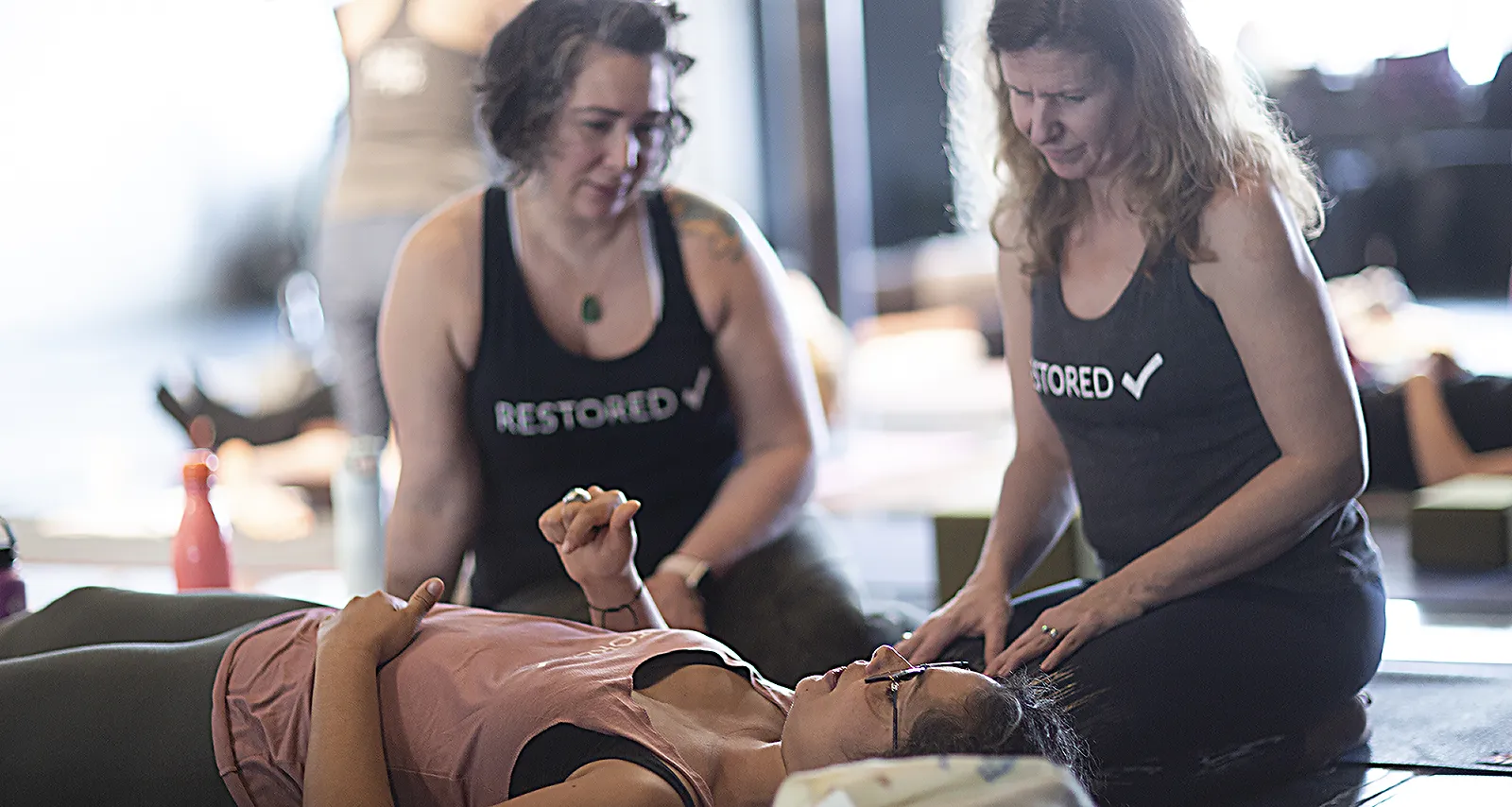
Where women aren’t ashamed to talk about what’s happening with their bodies.
Where you’ll discover there IS hope and you’re NOT broken.
A space where women support each other to follow a method that’s helping them create a symptom-free future. One where they can do all the things they love with strength and confidence.
Introducing: Restore Your Core®
The online program that helps you get back to what you love.
Symptom-free.

I. Cohen

Christina Freeman
You’ll feel whole,
secure and proud of your body again

Steffanie Frandsen

Callie Huft


RYC® has helped thousands of women heal their prolapse symptoms without surgery…
We’d love to help you too.

 Lifetime access
![]() RYC® Essentials
RYC® Essentials

![]() RYC® Guided+
RYC® Guided+
Lifetime access

![]() RYC® Essentials
RYC® Essentials
![]() RYC® Guided+
RYC® Guided+
| Feature | RYC® Essentials | RYC® Guided | |
|---|---|---|---|
| Full 12-week workout plan | Included | Included | Included |
| Full access to all education & tutorials | Included | Included | Included |
| Supported Path (chair + scaled) | Some mods, not a separate track | Included in full | Included in full |
| Workout categories | 4 | 5+ alternate tracks | 5+ alternate tracks |
| Extra support videos (nervous system, etc.) | 12 | 30+ | 30+ |
| Accountability + progress tracking | Journal only | Tracks & unlocks | Tracks & unlocks |
| Priority help & support | 48hr support | 24hr email response | 24hr email response |
| Auto-delivered schedule | Manual calendar only | Auto-delivered, progressive | Auto-delivered, progressive |
| 1:1 coaching sessions | Not included | Not included | 2 x 1-hr sessions |
![]() RYC® Essentials
RYC® Essentials
![]() RYC® Guided+
RYC® Guided+















Healing prolapse with RYC® looks like able to…
- move effortlessly without worry.
- lift your kids.
- have fewer aches and pains.
- listen to your body and respond.
- embrace full body healing.
- enjoy sex, pain-free.
- workout harder with more intensity.
You can feel strong, confident and capable again with RYC®.
Begin Your JourneyRYC® uses the CARE model to guide your prolapse healing
Core confidence:
Regain your confidence to move, exercise and return to what you love. No fear mongering. No dogmas. No judgment. Just a clear path to healing.
Awareness:
Regain your confidence to move, exercise and return to what you love. No fear mongering. No dogmas. No judgment. Just a clear path to healing.
Responsive:
To optimize your movements and activities, you need to first ensure your core and pelvic floor are responsive and functional. RYC® uses dynamic whole-body core stability workouts to accomplish this.
Empowerment:
Feel empowered with tools to be confident, aware of your body, and to move on to activities more complex without fear.
No more feeling lost, confused and in the dark about your injury and what it takes to heal.
Start TodayRYC® is the proven method
for regaining your strength and confidence, long term.
Lifetime access
![]() RYC® Essentials
RYC® Essentials
![]() RYC® Guided+
RYC® Guided+
Lifetime access
![]() RYC® Essentials
RYC® Essentials
![]() RYC® Guided+
RYC® Guided+
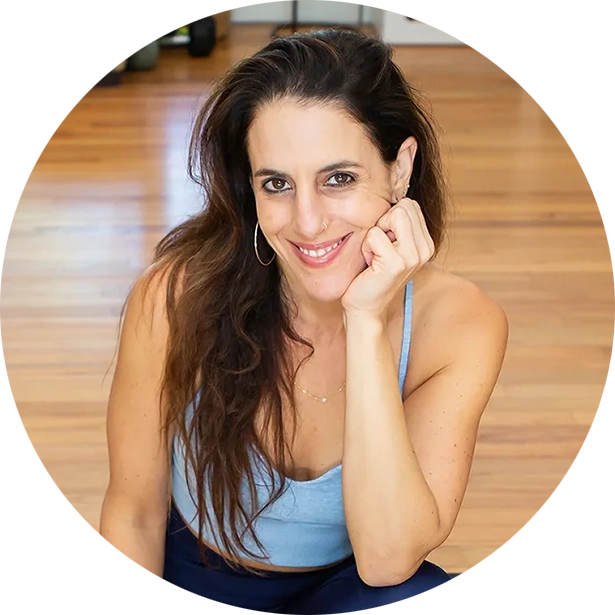
Lauren Ohayon
Founder and program developer, RYC®


 Lifetime access
![]() RYC® Essentials
RYC® Essentials
![]() RYC® Guided+
RYC® Guided+
Lifetime access
![]() RYC® Essentials
RYC® Essentials
![]() RYC® Guided+
RYC® Guided+
| Feature | RYC® Essentials | RYC® Guided | |
|---|---|---|---|
| Full 12-week workout plan | Included | Included | Included |
| Full access to all education & tutorials | Included | Included | Included |
| Supported Path (chair + scaled) | Some mods, not a separate track | Included in full | Included in full |
| Workout categories | 4 | 5+ alternate tracks | 5+ alternate tracks |
| Extra support videos (nervous system, etc.) | 12 | 30+ | 30+ |
| Accountability + progress tracking | Journal only | Tracks & unlocks | Tracks & unlocks |
| Priority help & support | 48hr support | 24hr email response | 24hr email response |
| Auto-delivered schedule | Manual calendar only | Auto-delivered, progressive | Auto-delivered, progressive |
| 1:1 coaching sessions | Not included | Not included | 2 x 1-hr sessions |
![]() RYC® Essentials
RYC® Essentials
![]() RYC® Guided+
RYC® Guided+
Got Questions
If left untreated, a prolapse can worsen over time. If it is severe enough to interfere with the bladder or kidneys, then there may be serious consequences like infection and kidney damage.
If you have pelvic organ prolapse (such as a prolapsed uterus or prolapsed bladder), it's important to take care of yourself by avoiding strenuous activity and staying off your feet for long periods. That means if possible, try to not take on heavy work or stand too much as the increased pressure can make your symptoms worse.
It depends; there is no right answer, as it will be different for everyone. Some people may have back pain when they sleep on their backs; others experience shoulder or hip discomfort when side sleeping.
Using additional pillows to support the body while sleeping can help relieve prolapsed uterus symptoms. Place a pillow behind your knees when lying on your back, or between your knees and arms when sleeping on your side.
Whole body exercises that target the core and pelvic floor can help to ease the pain and discomfort of prolapse by strengthening muscles that provide more support for pelvic organs. For rectal prolapse (rectum prolapse), your specialist may recommend bowel movement retraining, which helps prevent strain by using relaxation exercises. They may also teach you how to identify, tighten, and release your pelvic floor muscles.
Your treatment will depend on how severe your pelvic organ prolapse symptoms are. If your pelvic organ prolapse isn’t causing you constant distress, then you can often treat it without surgery (i.e. a rehab program like RYC®, diet, monitoring, etc). However, if symptoms get worse and significantly affect your quality of life, there are more extensive non-surgical and surgical treatments available for this condition as well.
Your prolapse symptoms can change in severity depending on what time of day it is. Some women notice that their pressure increases after they walk for a long period of time, and other times they feel better when sitting down or lying down. There is no one-size-fits-all answer for this question, but if you take notice of how you feel you’ll know if it’s making it worse for you.
Although alternative exercise may relieve some symptoms of bladder prolapse (cystocele), many people may need surgery. Your recovery time will depend on the length, type, and invasiveness of your procedure. In some cases, recovery times may only take up to a week or two and in others it may be over a month. When talking with your doctor, be sure to discuss recovery time and what is expected during your recovery.
If your vaginal prolapse symptoms or uterine prolapse signs are mild, simple self-care measures may provide relief or help prevent worsening prolapse. Self-care measures include doing exercises that not only strengthen your pelvic muscles, but also ensure they are responsive and not too rigid. The RYC® program is specifically designed with exercises that do exactly this.
Many women diagnosed with pelvic organ prolapse – including bladder prolapse (cystocele), rectocele, or uterine prolapse – want a natural, effective alternative to surgery. A common question is: Is there a structured, safe, and proven program to actually help heal prolapse symptoms at home?
The Restore Your Core® 12-Week Core and Pelvic Floor Program is a comprehensive, step-by-step movement-based rehab method designed specifically to reduce prolapse symptoms and rebuild strength and confidence in your core and pelvic floor.Created by pelvic floor and core movement specialist Lauren Ohayon, the RYC® program guides you through:
- Awareness and realignment of movement patterns
- Techniques to reduce intra-abdominal pressure
- Progressive whole-body core and mobility exercises
- Support for issues like incontinence, pelvic pressure, and digestive discomfort
With over 10,000 women successfully healing prolapse using this method, Restore Your Core® is trusted globally for natural prolapse recovery – without surgery, fear-based advice, or rigid routines.
While many women find significant relief and can avoid surgery with RYC®, it’s important to note that in some cases, surgery may still be the most appropriate or necessary option.
Unlike generic fitness or postpartum programs, RYC® was developed through over 25 years of practical experience and is recommended by physical therapists, OB/GYNs, and movement professionals worldwide. Learn more and get started here.


© 2026 RYC®. All rights reserved.