


























The proven method for regaining your strength and confidence, long term.

Your hernia
questions answered

Facts and support for easing your hernia symptoms

Join 10,000+ women reclaiming strength and
confidence with the RYC® Method

Pelvic floor dysfunction – RYC®

Are you experiencing any of these symptoms?

If yes, this could mean you have a hernia. Try not to worry, this is a relatively common issue when part of your intestine comes through a weak spot in your muscle wall. 
Find out more about hernia symptoms and what can cause them here.

Hernias don’t just
happen to men.

Hernias don’t just happen to men.

Hernias are common in women, men and children.

You’re not alone!

It can feel scary when you’re told a piece of your body isn’t where it should be, but know that hernias are VERY treatable.

Symptoms in women can be quite different to those in men so it’s important to familiarize yourself with them.

Find out more about the differences in symptoms and how to know if you have a hernia here.

Prolapse – RYC®

There are many different types of hernia, but none of them are without hope for reducing symptoms...

The most common types of abdominal hernia are:

Inguinal hernia
Hiatal hernia
Umbilical hernia
Ventral hernia

But these are not the only kinds of hernia, you might have been diagnosed with a hernia that has another name. Find out more about different types of hernia here.

Want to know more about the most common types of hernia?

An inguinal hernia happens when part of your intestine gets through a weak spot in your groin. It can happen to men and women and is the most common type of hernia in the groin.

This might be visible as a bulge and normally develops when you don’t have an optimal core engagement strategy or too much intra-abdominal pressure and you then lift something heavy.

A ventral hernia can happen anywhere in your abdominal wall. These can also be known as incisional hernias and often happen in the same place as a previous surgery where the muscle and tissue are already weakened.

A hiatal hernia happens in your diaphragm. This is a muscle that separates your chest from your abdomen. When part of your upper stomach goes through your diaphragm this is known as a hiatal hernia.

An umbilical hernia happens when part of your intestine pushes through the muscles near your belly button.
It’s the second most common type of hernia and affects children more than adults. 

Whichever type of hernia you have, make sure you don’t confuse it with diastasis recti.

Diastasis recti is often mistaken as a hernia, and the two can often go hand in hand, but they are two different conditions.
Find out more about how to distinguish the two here.

There’s no need for alarm 

With the right support, and some simple daily exercises, you can reduce the pressure around your hernia, improve your core engagement and start to ease your symptoms.

Frame 1171276324

So, what can you do to help your hernia?

Usually, a hernia is only repaired with surgery. This may not be urgent if you don’t have any complications or other health risks, and your doctor may schedule regular check-ups to keep an eye on your hernia.

But don’t panic, there are things you can do to help aid your recovery, even before surgery.

Prehabilitation is an effective way to begin reducing intra-abdominal pressure BEFORE surgery. It can help ease your symptoms and may help prevent future complications. Exercise may also help reduce complications after surgery.

Every woman’s body is different.

But the truth is, when you follow these steps, you address many of  the underlying issues that may have caused your hernia in the first place. 

Hernias are directly affected by excess intra-abdominal pressure (IAP), so by optimizing your core engagement and reducing IAP you may be able to relieve symptoms completely.

That way you can get back to being as confident and comfortable moving as you were before. 

There IS a method…

…that’s carefully curated to reduce your hernia symptoms.

This method will guide you to build a responsive relationship with your core.

Introducing… 

Restore Your Core® – The proven method for regaining your strength and confidence, long-term.

RYC® is a carefully designed hernia support program that gives you everything you need to safely do YOUR part. 

Your true progress happens in the small choices you make every day about how you move. 

RYC® uses the CARE model to guide your hernia journey

Core confidence: Regain your confidence to move, exercise and return to what you love. No fear mongering. No dogmas. No Judgment. Just a clear path to healing.

Awareness: The best way to change patterns is to become aware of them. RYC® helps you learn about your patterns and habits, increasing your awareness both on and off the mat. This is key to long term, sustainable healing, allowing you to safely return to the activities you love. 

Responsive: To optimize your movements and activities, you need to first ensure your core and pelvic floor are responsive and functional. RYC® uses dynamic whole-body core stability workouts to accomplish this.

Empowerment: Feel empowered with tools to be confident, aware of your body, and to move on to activities more complex without fear.

No more feeling lost, confused and in the dark about your injury.

*The RYC® Method is recommended by Medical Doctors, OB/GYNs, Pelvic Floor Physical Therapists and other Health and Wellness Professionals.

Relieving hernia symptoms with RYC® looks like:

With RYC® you can…

Frame 1171276324 (2)

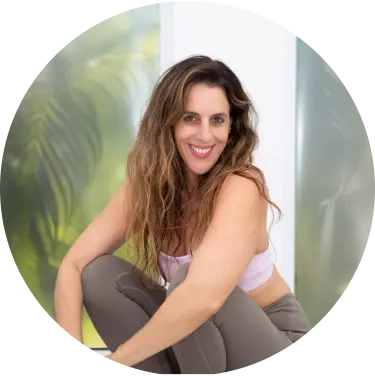
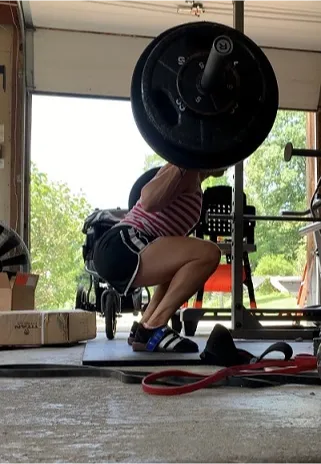
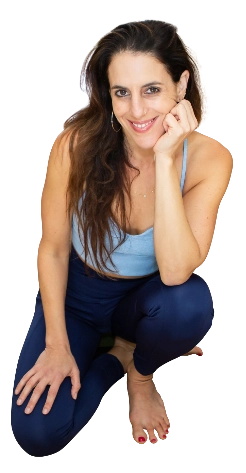
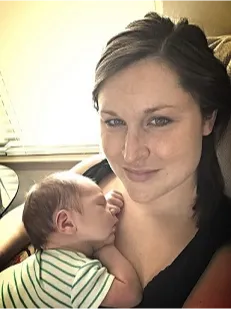
You can feel strong, confident and capable again with RYC®.

Women healing
9990 +
Countries
1 +
Continents
1
RYC® Professionals trained
590 +
Active community members
2990 +
Since
2000

RYC® has helped thousands of women reduce their hernia symptoms… We’d love to help you too.

As seen in:
Rectangle 58

Lauren Ohayon

Founder and program developer RYC®

Choose your track

Lifetime access

RYC® Essentials

BEST FOR
Experienced movers who don't need
pacing or accountability.

$247

or pay over 6 months ($45/mo)
For the highly self-motivated
Access the essential RYC® Method library
most popular

RYC® Guided

BEST FOR
Anyone who wants structure, motivation,
and a clear path to consistency.

$447

or pay over 6 months ($77/mo)
Highest completion rate
Enjoy the results that consistency delivers

RYC® Guided+

BEST FOR
Those who want personalized support from a
certified RYC® Coach.

$747

or pay over 6 months ($128/mo)
Add sessions as needed
Personal programming and guidance from an RYC® Coach

Choose your track

Lifetime access
button 2

RYC® Essentials

BEST FOR
Experienced movers who don't need pacing or accountability.

$247

or pay over 6 months ($45/mo)
For the highly self-motivated
Access the essential RYC® Method library

RYC® Guided

BEST FOR
Anyone who wants structure, motivation, and a clear path to consistency.

$447

or pay over 6 months ($77/mo)
Highest completion rate
Enjoy the results that consistency delivers

RYC® Guided+

BEST FOR
Those who want added support from a certified RYC® Coach.

$747

or pay over 6 months ($128/mo)
Add sessions as needed
Added 1:1 time with an RYC® Coach

What’s inside?

Included
Limited or manual
Not included
FeatureRYC® EssentialsRYC® Guided RYC® Guided+
Full 12-week workout planIncludedIncludedIncluded
Full access to all education
& tutorials
IncludedIncludedIncluded
Supported Path (chair + scaled)Some mods, not a separate trackIncluded in fullIncluded in full
Workout categories45+ alternate tracks5+ alternate tracks
Extra support videos
(nervous system, etc.)
1230+30+
Accountability + progress
tracking
Journal onlyTracks & unlocksTracks & unlocks
Priority help & support48hr support24hr email response24hr email response
Auto-delivered scheduleManual calendar only Auto-delivered, progressive Auto-delivered, progressive
1:1 coaching sessionsNot includedNot included2 x 1-hr sessions
Included
Limited or manual
Not included
FeatureEssentials Guided Guided+
Full 12-week workout plan

Included

Included

Included

Full access to all education & tutorials

Included

Included

Included

Supported Path (chair + scaled)

Some mods, not a separate track

Included in full

Included in full

Workout categories

4

5+ alternate tracks

5+ alternate tracks

Extra support videos
(nervous system, etc.)

12

30+

30+

Accountability + progress tracking

Journal only

Tracks & unlocks

Tracks & unlocks

Priority help & support

48hr support

24hr email response

24hr email response

Auto-delivered schedule

Manual calendar only

 Auto-delivered, progressive

 Auto-delivered, progressive

1:1 coaching sessions

Not included

Not included

2 x 1-hr sessions

*tap on icon to show additional information

Choose the track that suits your needs

Why most choose RYC® Guided

Most members who choose Guided finish strong.
94% of Guided users said the structure kept them consistent.
Guided users are 2x more likely to finish all 12 weeks.

RYC® Essentials

BEST FOR
Experienced movers who don't need pacing or accountability.

$247

or pay over 6 months ($45/mo)
For the highly self-motivated
most popular

RYC® Guided

BEST FOR
Anyone who wants structure, motivation, and a clear path to consistency.

$447

or pay over 6 months ($77/mo)
Highest completion rate

RYC® Guided+

BEST FOR
Those who want added support from a certified RYC® Coach.

$747

or pay over 6 months ($128/mo)
Add sessions as needed

Got questions?

What is a hernia?

A hernia occurs when tissue or an organ pushes through a weak spot in the muscle or connective tissue – most often in the abdominal wall. This creates a bulge or lump that may cause discomfort, pressure, or pain, especially during physical activity. Common types include inguinal, umbilical, ventral, and hiatal hernias. Most hernias don’t heal on their own and require surgery, but core-safe movement strategies – like those used in Restore Your Core® – can help reduce daily symptoms and protect the area.

Is there a chance my hernia could heal on its own?

It is important to note that hernias typically do not resolve on their own and may eventually require surgery.

Even if your hernia does not present any health risks at first, it may pose life-threatening health risks if not treated properly. 

If you believe you may have a hernia or are experiencing severe symptoms or pain, talk with your doctor right away.

Can diastasis recti cause a hernia?

In some cases, a diastasis recti may be seen alongside a hernia. 

This type of hernia will usually be an epigastric hernia and can occur in men, women, and children. It is also probable that a diastasis recti that is located closer to the belly button may result in an umbilical hernia.

These midline hernias may have noticeable lumps or a bulge and may result in sudden, sharp, severe pain with exercise.

What causes a hernia?

Hernias are typically caused by increased intra-abdominal pressure combined with a weak spot in the abdominal wall.
Common causes include:

  • Chronic coughing or straining
  • Heavy lifting without proper core support
  • Pregnancy or postpartum pressure changes
  • Past abdominal surgery
  • Obesity or aging-related tissue weakening

Addressing pressure management and core coordination – key components of the RYC® method – can help reduce the likelihood of a hernia worsening over time.

What does a hernia feel like?

A hernia often feels like a bulge or lump in the groin or abdomen that’s more noticeable when standing, coughing, or lifting. People commonly report:

  • A dull ache or pressure in the area
  • Burning or sharp discomfort
  • Symptoms that improve when lying down

While some hernias are painless, others create discomfort that worsens with activity. Learning to manage pressure through breath and movement may help ease these sensations.

What does a hernia look like?

Hernias usually appear as a visible bulge under the skin, often near the belly button, groin, or a previous surgical scar. The bulge may increase with activity or straining, shrink or disappear when lying down, and become more noticeable at the end of the day.

Bulges can vary in size and shape. If they become firm, red, or painful, seek medical attention.

What are the symptoms of a hernia?

The most common symptoms of a hernia include:

  • A soft or firm bulge that may be pushed back in (reducible)
  • Discomfort or pressure in the abdomen or groin
  • Pain during lifting, standing, or straining
  • A feeling of heaviness or weakness in the core

In some cases, hernias are symptomless at first but may worsen if left untreated. Programs like RYC® focus on supporting the abdominal wall and managing pressure to help relieve symptoms.

When should I worry about hernia pain?

You should seek medical attention if your hernia:

  • Becomes hard, tender, or red
  • Causes nausea, vomiting, or fever
  • Can’t be pushed back in (is “incarcerated”)
  • Leads to sudden, severe pain

These could be signs of strangulation, a serious condition where blood flow is cut off to the trapped tissue. Even without complications, worsening pain or rapid changes should be evaluated by a doctor.

How long is recovery from hernia surgery?

Recovery depends on the hernia type and whether you had open or laparoscopic surgery, but general timelines include light movement within 1-2 weeks, a return to normal activities around 4-6 weeks, and full recovery taking up to 3 months or longer for complex repairs.

Restore Your Core® offers gentle post-surgical movement programs that can support recovery by helping you manage pressure and rebuild core function safely.

Note: Always consult your doctor before resuming movement after hernia surgery, as timelines and activity readiness can vary based on individual medical needs.

How can I relieve hernia pain?

Pain relief strategies include:

  • Avoiding heavy lifting or straining
  • Supporting the hernia site with hands or a binder when needed
  • Practicing gentle, pressure-aware movement and breathing
  • Managing constipation and avoiding prolonged standing
  • Applying cold packs to reduce inflammation

Structured movement like the RYC® 12-Week Program can help reduce the pressure that worsens symptoms, making everyday movement more comfortable.

Can you exercise with a hernia?

Yes – but it must be done carefully. Safe movement with a hernia means avoiding high-impact or high-pressure activities, using proper breathing and core engagement techniques, strengthening the surrounding muscles without aggravating the hernia, and focusing on posture and alignment.

Restore Your Core® is specifically designed for core-safe exercise, including for those managing hernia symptoms before or after surgery.

How can I prevent a hernia?

While not all hernias can be prevented, you can reduce your risk by maintaining a healthy body weight, avoiding chronic straining from lifting or constipation, strengthening the core and pelvic floor in a pressure-safe way, using proper lifting technique, and treating chronic coughs or respiratory conditions.

What is the best program for easing hernia symptoms pre and post surgery?

Restore Your Core® is a proven movement-based program designed to reduce intra-abdominal pressure, improve core coordination, and ease hernia-related symptoms before and after surgery. 

With a focus on alignment, breathing, and functional core strength, RYC® helps support the body during all stages of the hernia journey – from conservative management to post-surgical recovery. It’s a trusted, non-invasive approach to helping women move with more comfort and confidence.

Get started healing today!

Still got questions?

We've got answers

Reach out to us here and we’ll get back to you

20250214_RYC_051-2 1

Get more actionable info, inspiration and exclusive offers delivered to your inbox.

Thanks for subscribing!

Please check your inbox soon.

email-icon.webp
lauren ohayon