Lauren Ohayon is the creator of Restore Your Core® (RYC®), a comprehensive and sustainable whole-body fitness program that empowers women to achieve ideal pelvic floor / core function and be strong, long, mobile and functional.
Hi! I'm Lauren.
Nice to meet you
Lauren Ohayon is the creator of Restore Your Core® (RYC®), a comprehensive and sustainable whole-body fitness program that empowers women to achieve ideal pelvic floor / core function and be strong, long, mobile and functional.
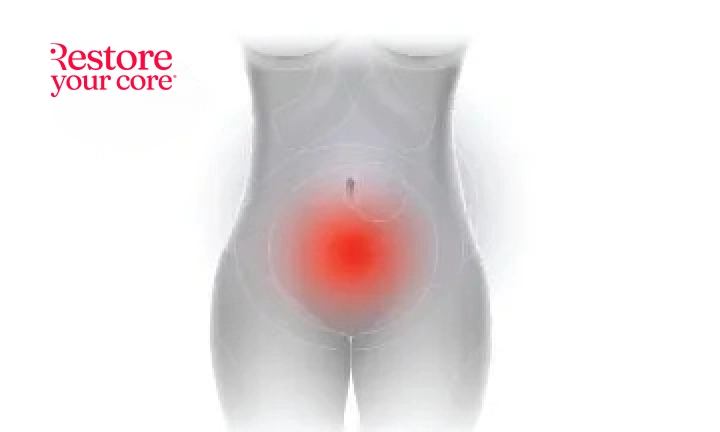
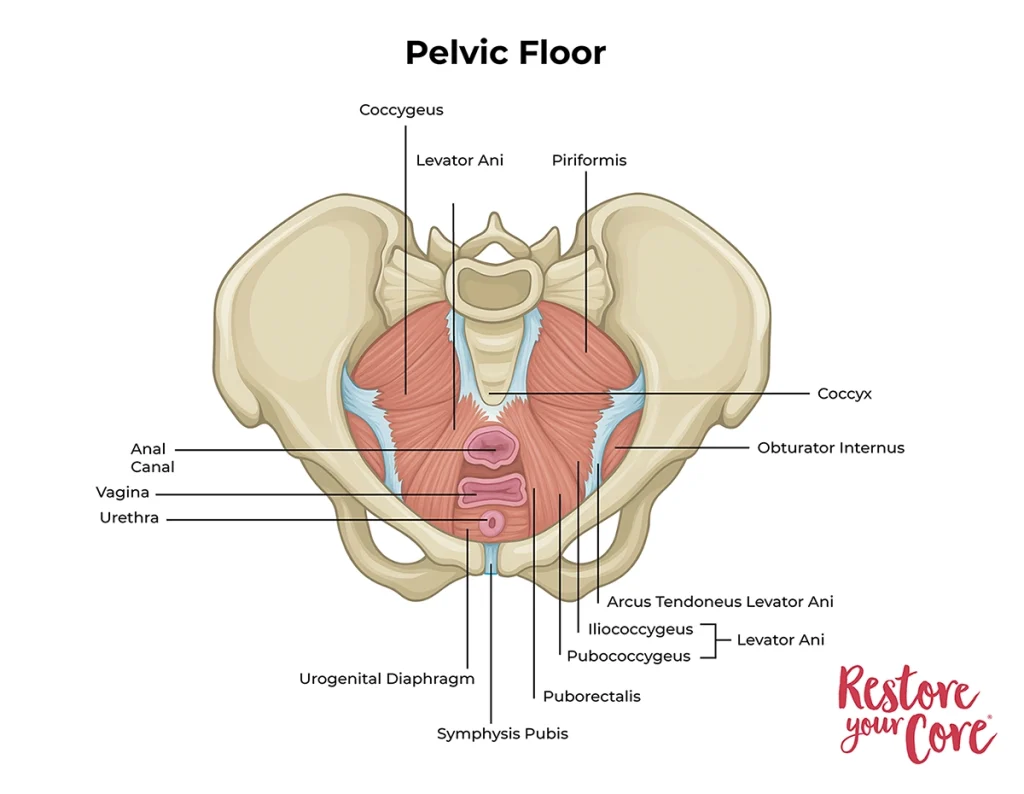
Your pelvic floor muscles are located between your tailbone (coccyx) and your pubic bone within the pelvis region. These muscle groups also include muscular bands called sphincters. As they pass through the pelvic floor, they encircle the bladder, urethra and vagina (or prostate in men), and the rectum. Due to their positioning in these places, they offer vital support to those organs in both men and women. Normally, when the pelvic floor is functional and operating well, your body naturally contracts and releases these muscles during bowel movements or urination without a second’s thought. However, when the muscles become compromised, complications can arise with urinary or fecal continence.
It can be difficult to determine whether or not the symptoms you are experiencing are a result of pelvic floor issues, or may be a result of other underlying health conditions. Below we will address some of the more common symptoms and warning signs for pelvic floor dysfunction.
Start your healing today with this free workout
Table of Contents
What is Pelvic Floor Dysfunction?
Pelvic floor dysfunction (PFD) is a common condition that inhibits the body’s natural ability to coordinate muscle movement (relaxation, support and contraction) in the pelvic region. This may manifest in various ways but most commonly affects urinary continence and vaginal pain in women or may exhibit signs of erectile dysfunction in men.
What May Cause Pelvic Floor Complications?
Although the causes of pelvic floor dysfunction are unclear, there are a few common known factors that may contribute to PFD in both men and women. These can include:
Traumatic pelvic injuries (i.e. car accident, complications during pregnancy, etc)
Pelvic surgery or intensive, invasive surgery in the pelvic region
Below are a few symptoms of pelvic floor weakness. These can drastically affect your quality of life and may present some embarrassing situations. If you are experiencing any of the following, consider discussing your symptoms with your healthcare provider or a pelvic floor specialist.
Frequent need or insatiable sensation to urinate. It may feel like you need to force it out or you may stop and start often
Chronic constipation, straining or pushing during bowel movements – many people who suffer from long-term constipation also present other signs of pelvic floor disorder.
Urine or stool leakage
Painful urination
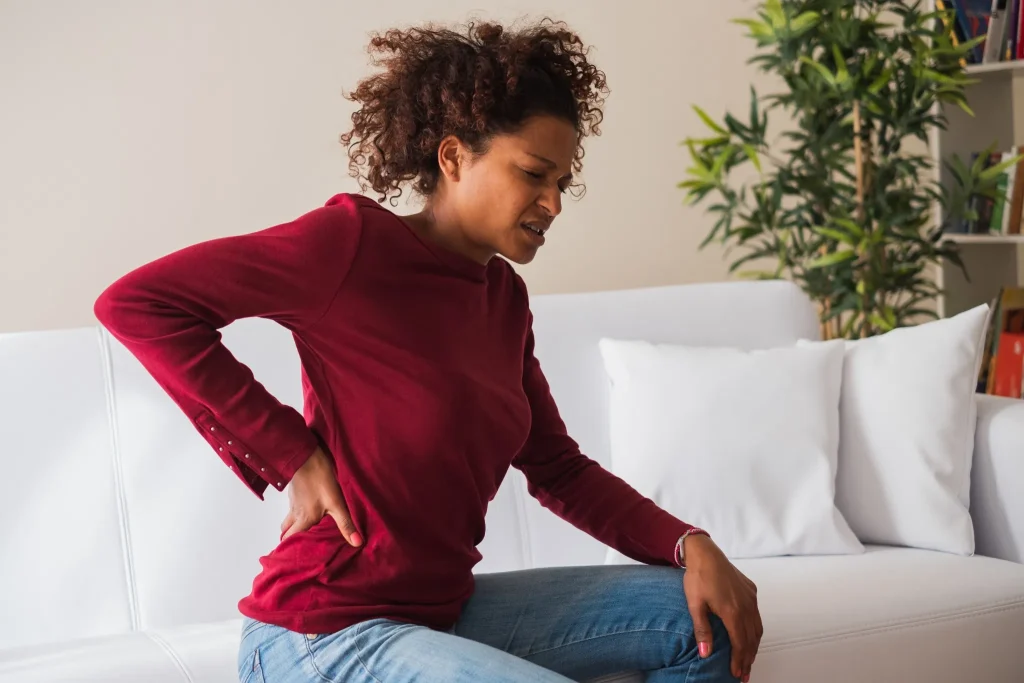
Lower back pain without cause
Constant, dull pain or a sense of heaviness in the pelvic region, genitals, or rectum without the need to perform a bowel movement.
A bulge in the vagina or rectum
Try 18 minutes of healing, nourishing movement – the RYC® way
4 Signs That Can Help You Identify a Weak Pelvic Floor
Urinary Incontinence
One of the most common symptoms of a pelvic floor disorder is incontinence. Many people may experience leaking urine during everyday activities like: exercising, coughing, sneezing, laughing, or while lifting something heavy. Often, these simple movements can place pressure on the bladder since the pelvic floor muscles aren’t responding like they should, leading to accidental urination. This is commonly called stress urinary incontinence.
Other incontinence symptoms may include an increased sense of urgency and uncontrollable need to use the bathroom, and at times, not making it in time. This is often the result of an overactive pelvic floor and called urge incontinence.
Pelvic Floor Pain
Pelvic floor pain is often a result of tense, overly tight pelvic floor muscles. However, pelvic floor pain is not always a sign of pelvic floor disorder, but may be a sign of something more serious. It is important that you seek medical attention if you begin experiencing severe pelvic pain.
Dissatisfaction or Pain During Sex
In some cases, many women experience symptoms of loss of sensation or sexual satisfaction due to weak pelvic floor muscles. Difficulty to achieve orgasm can be common. This may also be accompanied with pain during intercourse or pain post orgasm
Pelvic Organ Prolapse
Prolapse occurs as a result of weak pelvic muscles being unable to provide the proper support to the organs within the pelvic area. This may lead to the bladder, uterus, or rectum to slide out of place (i.e. into the vagina). A distinct bulge in the vagina or aches deep in the vaginal canal are common symptoms of prolapse.
Is Pelvic Floor Dysfunction Different in Men and Women?
Pelvic floor disorders often present themselves a little bit differently in men than in women.
Pelvic floor dysfunction in men:
Although not as commonly discussed, many men experience the effects of pelvic floor dysfunction with frequency as well. Because the muscles located in the pubic region work alongside the pelvic organs for excretory (bowel control) and reproductive purposes, pelvic floor dysfunction typically co-exists with many other issues men face:
Male urinary dysfunction: This may include similar symptoms mentioned above – leaking urine after peeing, urge incontinence, or other bladder and bowel issues
Erectile Dysfunction: ED is a complex condition and is not always a result of compromised pelvic floor muscles. However, there are times when pelvic floor muscle tension or pain may cause men to have difficulty maintaining an erection during sex.
Pain during intercourse or post ejaculation.
Enjoy a free, pelvic-floor & core healing whole-body workout today
How to Seek Help For Pelvic Floor Dysfunction
If you are experiencing any of the above issues or complications and believe they may be a result of pelvic floor disorder, it is advisable to discuss your symptoms with either a continence professional, a pelvic floor therapist, or your healthcare provider in order to assess your symptoms and receive a proper diagnosis.
Treatment for pelvic floor disorders and prolapse will likely include physical therapy and individually tailored pelvic floor muscle training programs to help you restore function, support, and overall health to your pelvic floor. Pelvic floor exercises and physical therapy are some of the most beneficial treatment options for pelvic floor dysfunction.
If you’re ready to transform your body and start moving with confidence again, you need an exercise method that’s designed to heal and rebuild (not burn and shred).
Visit Restore Your Core® to learn more about how we can help treat pelvic floor dysfunction.
“There is no thank you big enough for Lauren Ohayon existing and thinking and helping so many of us. Every time I do something I never thought I’d do again she is part of the reason why.”
Laura Gregg
Strengthen, heal & nourish your pelvic floor & core
If you are experiencing pain in the region below your navel and in the deeper tissues around your hips and above your thighs, you may be experiencing pelvic floor pain....
Learn how to strengthen your pelvic floor with safe, effective exercises that improve core function, reduce symptoms, and support lasting pelvic health—without relying on Kegels....
Pelvic floor muscle exercises are often very diverse and provide a variety of information regarding the styles and methods you should pursue when seeking to build pelvic floor strength. Some...
Pelvic floor repair surgery is the most common surgery for pelvic organ prolapse. Pelvic floor repair is a broad term used to classify a variety of simple, surgical procedures for...
Stress, fascia, and your nervous system all influence pelvic floor function. Discover how an integrated approach supports strength, balance, and resilience....
Learn what a pelvic floor specialist does, common symptoms of dysfunction, and how therapy can relieve pain, incontinence, and restore core strength....
Relieve pelvic floor pain with effective stretches, breathing techniques, and gentle exercises designed to reduce tension, improve core function, and support long-term recovery and comfort....
Pelvic floor pain can be debilitating; a large number of runners experience some form of pelvic pain and pelvic floor dysfunction. This article outlines the causes of pelvic floor pain...
Your pelvic floor muscles play an important part for many bodily functions, including sexual health and orgasms. In this article, I’m debunking common myths about your pelvic floor and highlighting...
Learn how to tell if your pelvic floor is tight or weak, key symptoms to watch for, and what to do next. Understand causes, signs, and safe steps to restore...