1. Cat-Cow with Pelvic Control — Mobilizing the spine properly
This yoga staple becomes much more effective when done with awareness and incorporating candles breath:
- Start on hands and knees
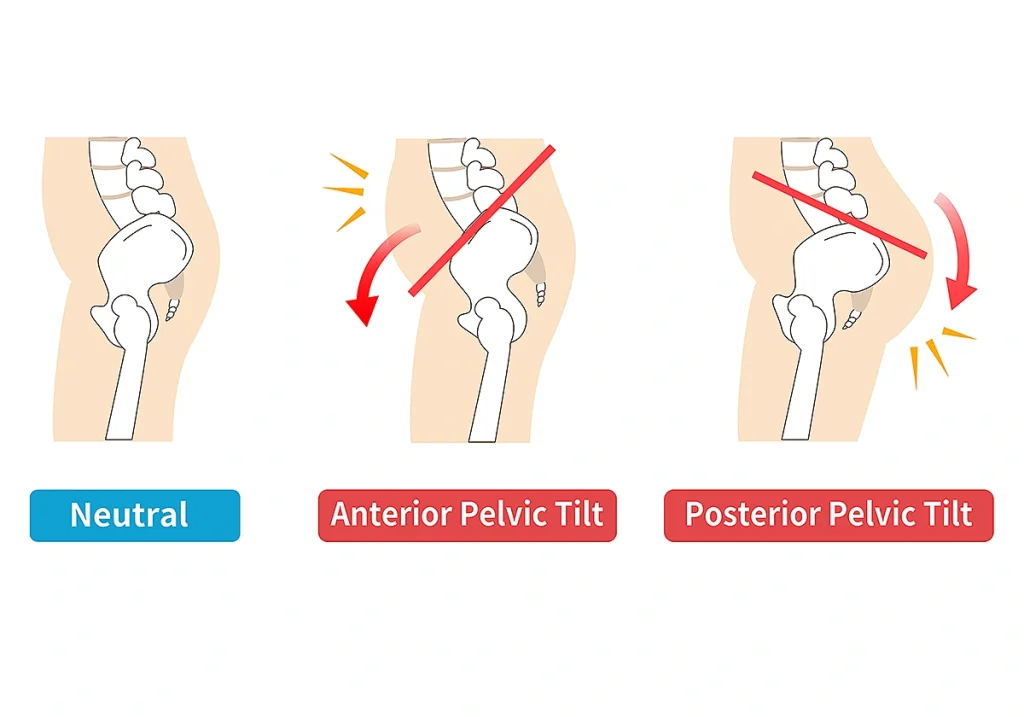
- Important distinction: Begin the movement from your pelvis, not your spine
- For “Cat” pose: On a candles exhale, begin to tuck your pelvis under, then let that rounding flow up your spine
- For “Cow” pose: On an inhale, initiate by untucking your pelvis before allowing the arch to travel up your back
- Move slowly through 8 repetitions, focusing on the connection between your breath, pelvis, and spine
This pelvic-first approach and incorporating the breath make a world of difference in releasing tension patterns that connect these areas.
2. Standing Windmill Stretch — Core stability and pelvic and hip mobility
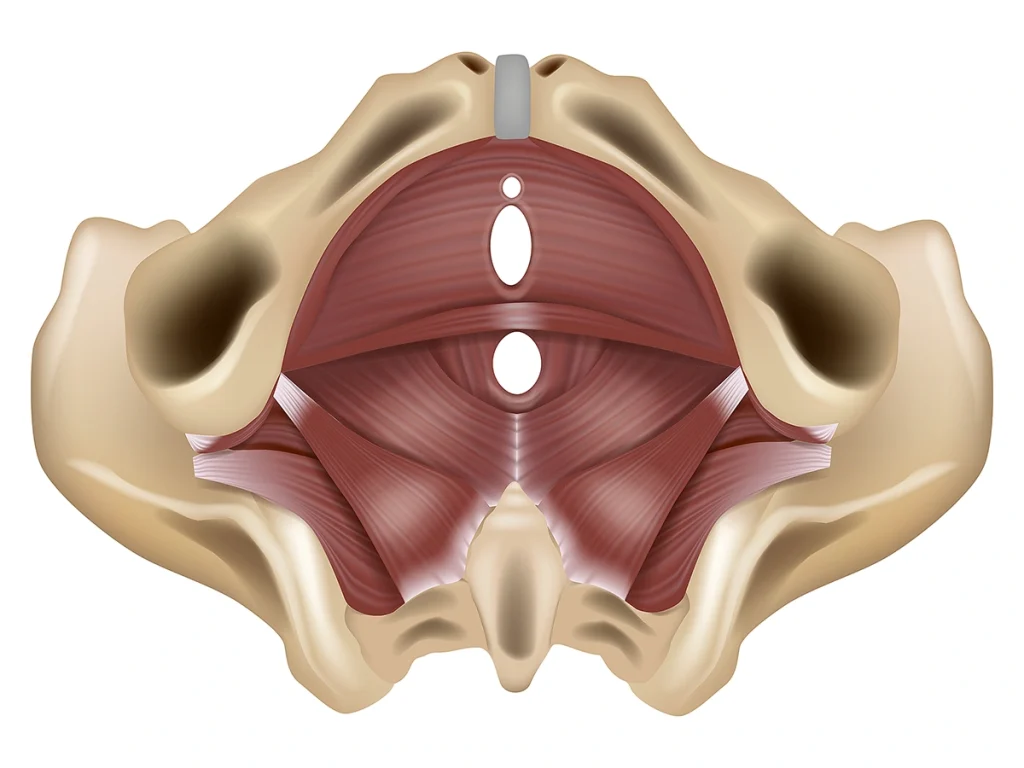
This dynamic movement demands stability from the core while lengthening the pelvic floor:
- Stand with feet wider than hip-width (right foot faces forward, left foot slightly angled out)
- Bend your right knee slightly and reach your left arm up
- As you exhale, hinge at your hips (not your waist) to reach your left hand down toward your left foot
- Maintain length in your spine rather than rounding
- Feel the lengthening of the left inner thigh (and pelvic floor)
- Hold for 5 breaths before switching sides
This exercise teaches your body to move from your hips rather than overusing your lower back—a key distinction for pain relief.
3. Inner Thigh Activation — Supporting pelvic alignment
Your inner thighs (adductors) play a crucial role in pelvic floor function that’s often overlooked:
- Kneel on a cushioned surface with knees hip-width apart
- Extend one leg to the side, keeping your foot on the floor
- On a candles exhale, keep your spine long, hinge slightly forward at your hips
- Hold briefly, before coming to back to your starting position
- Repeat 8-10 times on each side
Strong, flexible adductors help maintain proper pelvic alignment, reducing strain on both your pelvic floor and lower back.
4. Internal Rotation Exercise — Unlocking hip and pelvic mobility
Most exercise routines neglect internal hip rotation, yet it’s essential for pelvic function:
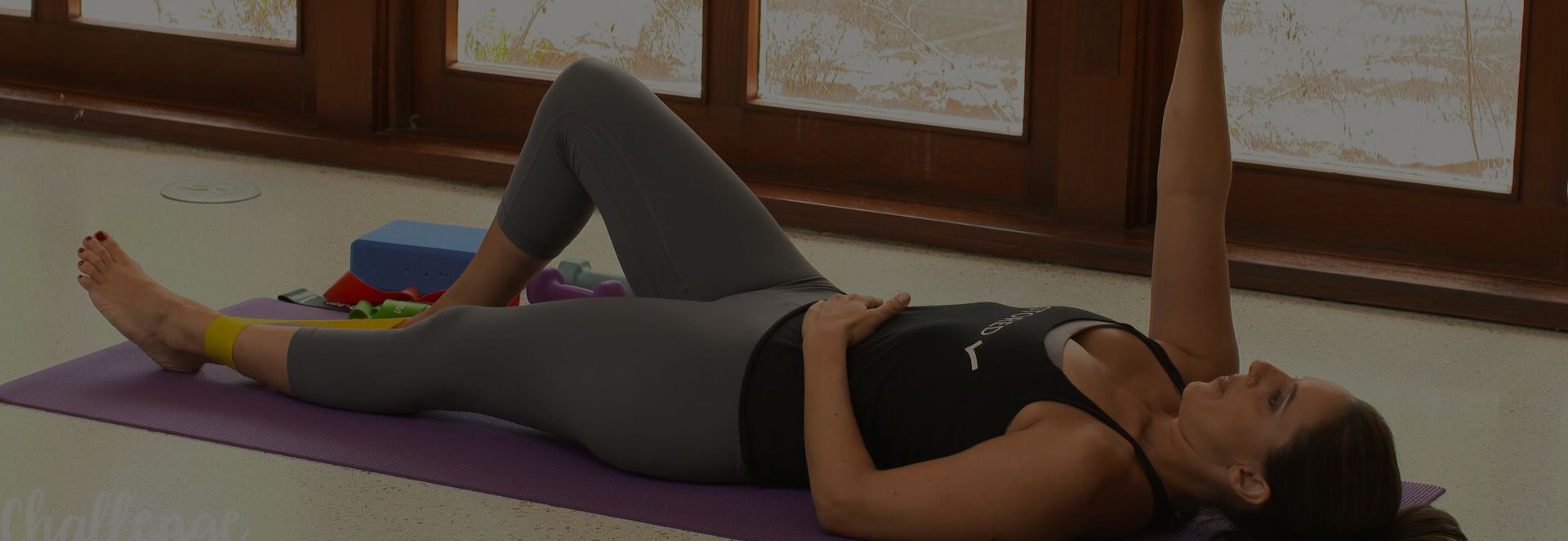
- Lie on your side
- Place a yoga block or firm pillow in front of you
- Rest your top leg on the block and gently rotate your knee inward; your foot will lift
- Keep your spine long rather than collapsing
- Perform 8-10 gentle rotations per side
This movement helps restore balance to your hip muscles, which directly influences how your pelvis and lower back.
Taking Control of Your Pelvic Floor and Low Back Pain
The connection between your pelvic floor and low back pain isn’t just theory—it’s the missing link I’ve seen transform outcomes for countless clients who thought they’d tried everything. Research strongly supports this relationship, with a 2018 study revealing that an overwhelming majority—nearly 95%—of individuals experiencing lower back and pelvic pain also showed signs of pelvic floor dysfunction [1].
Remember that healing is rarely linear. Some days will feel better than others as your body adapts to new patterns. Be patient with yourself, and consider working with a pelvic health physical therapist if your symptoms are severe or persistent.
For those wanting a structured approach to healing, I’ve developed the RYC® 12-Week Program to support both core and pelvic floor recovery while also addressing back pain. The program guides you step by step through progressive, targeted exercises designed to help you reconnect with your body and build lasting strength.
By working with these interconnected areas together, you give yourself the best chance at meaningful, long-term relief. Your body doesn’t function in isolation—and your approach to healing shouldn’t either.
FAQ
1. How do I know if my lower back pain is related to pelvic floor dysfunction?
Look for accompanying symptoms like urinary urgency or leakage, constipation, pain during sex, or a feeling of heaviness in your pelvis. Also, consider whether your back pain began after pregnancy or a significant life change. These connections often point to pelvic floor involvement.
2. What are the signs of a weak pelvic floor and low back pain?
Signs include leaking urine when you cough, sneeze, or jump, a feeling of heaviness in your pelvis, diminished sensation during sex, and difficulty fully emptying your bladder. With back pain, you might notice increased discomfort after prolonged standing, sitting or activities requiring stability.
3. What causes lower back pain in females, and how is it linked to the pelvic floor?
Lower back pain in females frequently results from pelvic floor dysfunction since these areas form one integrated system. The pelvic floor muscles support the spine and pelvic organs, and when they become either too tight or too weak, they alter pelvic mechanics, forcing the lower back to compensate. This connection is especially significant in women due to anatomical differences in the pelvis and the effects of pregnancy, childbirth, hormonal cycles, and menopause on these interconnected structures.
4. Can tight pelvic floor muscles cause lower back pain?
Absolutely. A chronically tight (hypertonic) pelvic floor restricts the natural mobility of your pelvis, forcing your lower back to compensate. This creates a pattern of tension that can manifest as persistent aching, stiffness after sitting and standing, or sharp pain with certain movements.
5. What is the best way to relieve lower back pain naturally?
The best way to relieve lower back pain naturally is to combine proper breathing, mindful movement, and an understanding of the mind-body connection in pain. Instead of thinking about the back in isolation, focus on the entire core system—especially the link between the pelvic floor and the lower back. The RYC® Program is built on this principle, gradually improving strength and awareness. Research supports this approach, showing that pelvic floor muscle strength and mobility increase with consistent, appropriate exercise over time, regardless of intensity [3]. Gentle, consistent practice often outperforms aggressive stretching or strengthening.
6. How long does it take to see improvement in low back pain when addressing the pelvic floor?
While everyone’s healing journey is different, many people begin to notice subtle improvements within 2-3 weeks of consistent practice. More significant relief often comes within 6-8 weeks as the body establishes new movement patterns and the nervous system adapts. Remember that healing is rarely linear—some days will feel better than others as your body learns and integrates these changes.
References
[1] Dufour, S., Vandyken, B., Forget, M.J., & Vandyken, C. (2018). Association between lumbopelvic pain and pelvic floor dysfunction in women: A cross-sectional study. Musculoskeletal Science and Practice, 34, 47-53. https://doi.org/10.1016/j.msksp.2017.12.001
[2] Adeeb, V. (n.d.). Pelvic floor dysfunction and lower back pain. JOI Rehab. https://www.joionline.net/library/pelvic-floor-dysfunction-and-lower-back-pain/
[3] Vesting, S., Gutke, A., Fagevik Olsén, M., Rembeck, G., & Larsson, M. E. H. (2023). The impact of exercising on pelvic symptom severity, pelvic floor muscle strength, and diastasis recti abdominis after pregnancy: A longitudinal prospective cohort study. Physical Therapy, 104(4), pzad171. https://doi.org/10.1093/ptj/pzad171