
Resources

Key Insights for Working Out After Hysterectomy: What You Should Know
4 Min Read
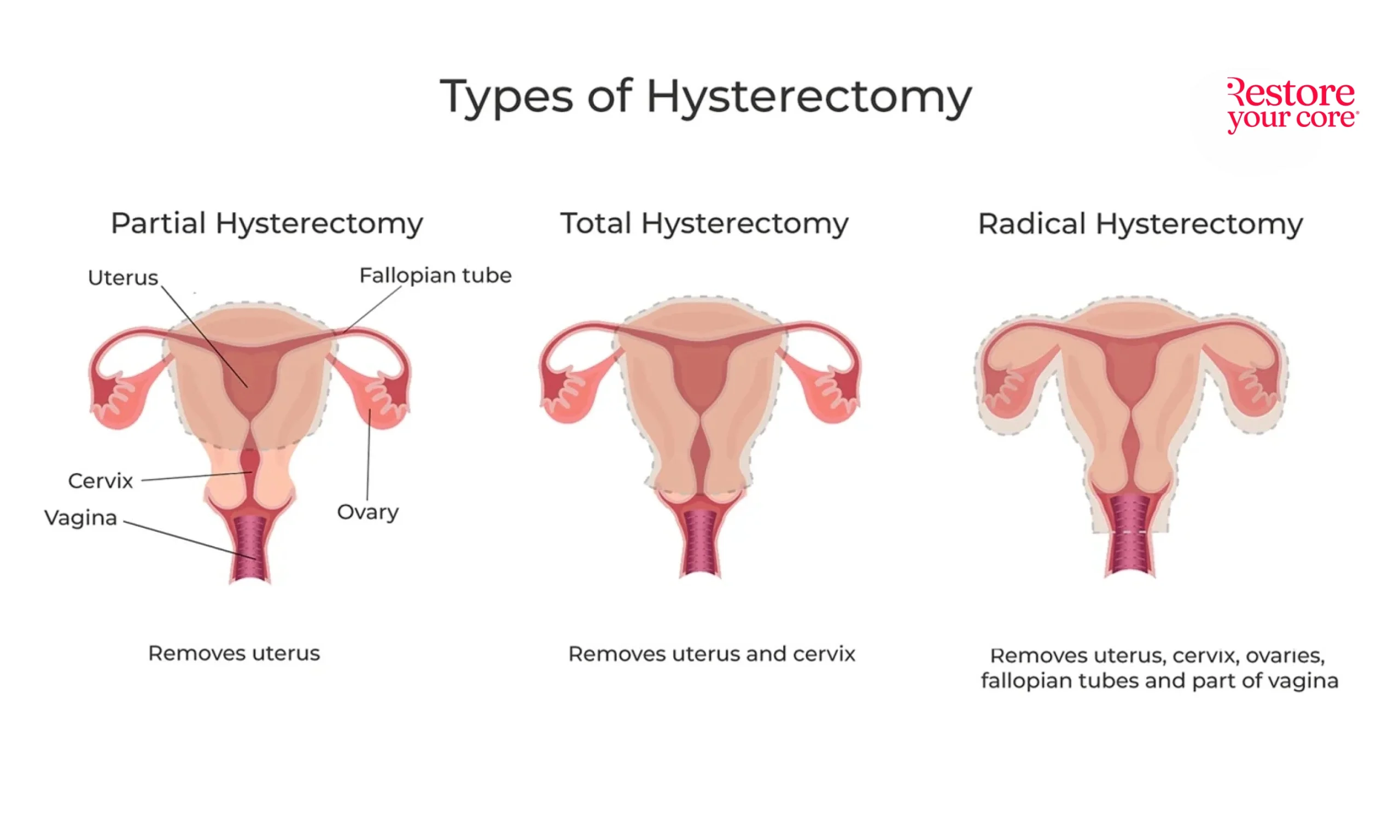
Understanding the Impact of Hysterectomy on Physical Activity
A hysterectomy can affect your body in several ways:
- Muscles and connective tissue may have been cut and need to repair themselves
- Internal organs will shift in position to fill the space left by the uterus
- Periods will stop, though if your ovaries are left in place, you may continue to have cyclical hormonal shifts until menopause, and you may experience perimenopause symptoms
- If ovaries are removed, you will immediately enter menopause
Longer-term effects:
- Ideally, your hysterectomy resolves the symptoms that induced you to have surgery, and therefore increases your quality of life
- Loss of libido and increased vaginal dryness is common
- Higher risk of stress urinary incontinence and pelvic organ prolapse
Depending on the cause for your surgery, you might find yourself experiencing a variety of emotions after your surgery. While most people enjoy relief from symptoms, some people experience a sense of grief or loss. The hormonal shifts that may happen can be jarring, especially if the ovaries have been removed.
Additionally, recovering from surgery can be an emotional experience all by itself. For the first week, even standing upright may be difficult, especially if your hysterectomy involved any abdominal incisions. Vaginal hysterectomies still include internal wounds that need to heal, so you will feel pain and discomfort for some time. And, in my experience, a full recovery from surgery takes much longer than the 4-6 weeks you’re told to expect. 4-6 weeks is the minimum amount of time you need before you begin a more active recovery phase.
It’s important to plan your recovery to account for all of these factors. You can expect to spend an additional couple of months working back up to your baseline level of strength and ability. Of course, the exact amount of time varies from person to person, so make sure you check in with your doctor about what your healing timeline might look like.
Timing Your Return to Exercise After Hysterectomy
You can start working out anywhere from 4-6 weeks after a hysterectomy, depending on the kind of hysterectomy you had. You should get cleared by your doctor to exercise–they may tell you to wait longer if you have excessive bleeding or your wounds seem to be healing more slowly than expected. Be proactive in your care, and ask them whether it’s safe to resume lifting loads over 15 lb. at that point.
Other factors that might influence the appropriate time to resume exercise include what symptoms brought you to surgery in the first place, and what additional treatments you may be facing post-surgery. In general, during the first few weeks of healing, you’ll want to begin with small amounts of movement each day, including brief walks (around the house is fine!), before adding another level of exertion. What’s important is to recognize that a little movement every day is much better than staying in bed–unless, of course, you’ve been prescribed strict bed rest!). Even when you’re resting, you can perform gentle upper body stretches and move your legs around to keep your blood flowing.
Once you’re cleared to lift heavier loads, start small: if you’re used to performing planks on the floor, you might want to start at the wall, or by coming onto all fours instead. Again, this will depend on your particular body and type of surgery. If you’re used to deep squats, modify for a bit and use a lighter weight. You can expect to lose a little bit of strength, but strength can be rebuilt. Let’s consider what a solid post hysterectomy workout plan looks like.
Designing a Post-Hysterectomy Workout Plan
A balanced post-hysterectomy workout plan will include walking or other gentle aerobic exercise, stretching, and strengthening exercises.
Exercises beneficial after hysterectomy
When you start working out after a hysterectomy, remember that different exercise modalities can take place over different days and times. In general, walking, swimming or water aerobics (once you’re cleared to be in the water), light resistance training, pilates, or yoga are all good choices for easing back into an exercise routine after hysterectomy. You may also want to do some specific exercises to target your core as you heal.
Here are some core-targeting exercises to get you started. Do what works for you. You don’t have to do everything on this list in order to recover well from your hysterectomy.
- Pelvic floor exercises can be useful after a hysterectomy to help retrain the muscles to engage responsively. You even can do these three pelvic floor exercises in bed:
- Pelvic Tilts: Lie on your back with your knees bent and feet flat. Gently tuck and untuck your pelvis–imagine you’re bringing your pubic bone to point at your nose, then at your feet. Do not stress or strain–if your pelvis doesn’t move much, don’t fight it.
- Ball squeeze: In the same position, place a pillow or ball between your thighs. Exhale to gently squeeze the ball, and inhale to release the ball. Repeat several times.
- Blueberry lift: Imagine that you’re picking up a blueberry with just your inner labia. Then place it back down. Allow the movement to be subtle. As you get better at that movement, you can increase it to more of an elevator: Imagine you’re picking up a marble and slowly bringing it up to the level of your navel, then pause, then release slowly from navel to labia. Again, this is not forceful, but gentle.
- Side Stretch:
- Sit on the side of your bed or at the edge of a couch.
- Reach your right arm out to the side and up overhead.
- Exhale and side bend to the left, keeping your right hip heavy.
- Inhale to come up. Repeat to the other side, 4x per side.
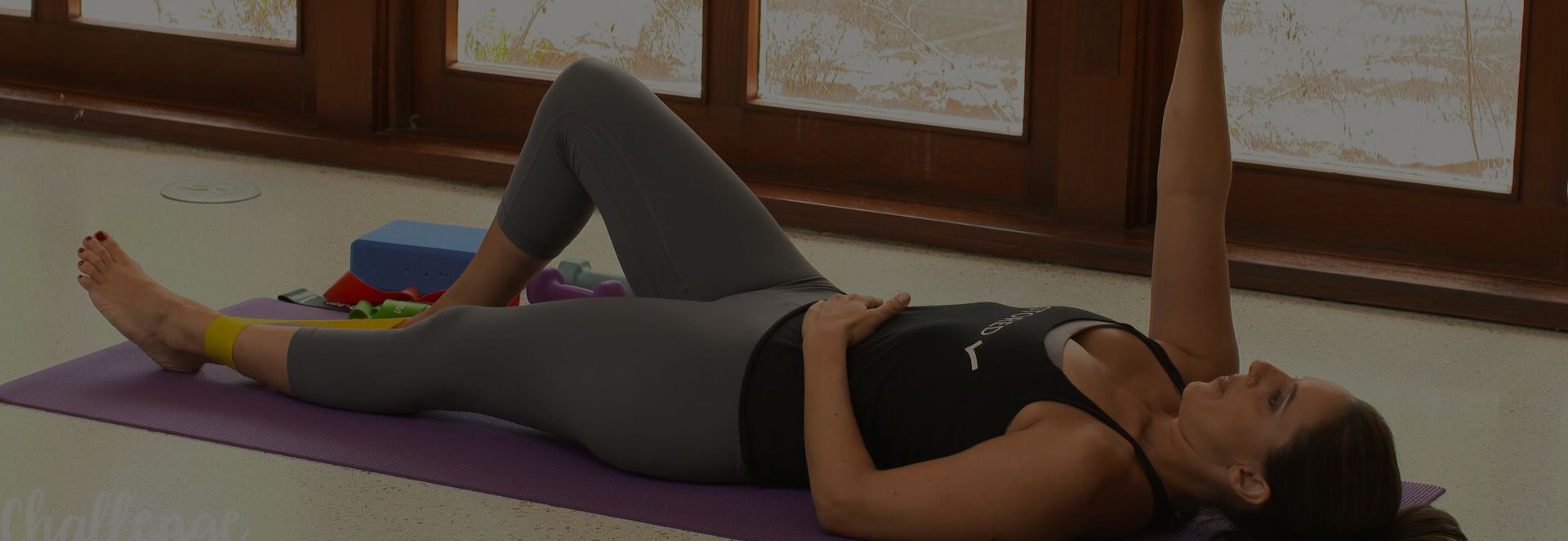
- Leg Slides and Lifts: For both of these exercises, using an exhale on the effort will help you engage your core gently. Make sure you’re not bulging, bracing, or bearing down as you perform these movements.
- Lie on your back with your knees bent and feet flat.
- Begin with leg slides: exhale and slide your right heel away from you along the floor.
- Slowly slide the leg back in to meet the other leg.
- Repeat 8x per side.
- For leg lifts: Extend one leg along the floor, then exhale to lift it to about knee height. Slowly lower down and repeat 8x per side.
- Wall plank and pushup:
- Stand in front of a wall and press your hands into the wall. Turn your elbow pits to face upward. Step back far enough to straighten your arms.
- Exhale and press through your hands as if you’re pushing the wall away. Inhale and relax. Repeat 4-8x.
- To add a push-up: as you exhale, bend your elbows toward the floor and allow your body to move toward the wall. Pause and inhale, then exhale to push away from the wall. Repeat 4-8x.
Remember, your progress will be gradual
With all of these exercise options, remember to pace yourself–you might feel your heart rate increase but do not push to the point of exhaustion. You will likely experience some fatigue while you ramp up to your usual activity level.
You might want to think of your recovery in stages, which will vary depending on what your body needs:
- Week 1-2 post-surgery: Focus on getting out of bed regularly and changing your position in bed so that you’re not always in exactly the same position. Focus on nutrition and hydration, and make sure you have help lined up so you’re not managing tasks like laundry and cooking while you recover.
- Week 2-4: You’ll be better able to spend time upright, but notice whether you’re easily fatigued. Begin taking very short walks (10 minutes at a time is a good goal). Add some gentle breath work and mild stretches.
- Week 4-6: You may be cleared for exercise at this point. Start with 15-20 minutes of walking and add 15 minutes of targeted exercises: a short yoga practice, stretching, and adding back in some of your usual daily living activities
- Week 6-12: Gradually ramp up to more normal activity levels for you, being mindful of fatigue–frequently, people find that once they begin resuming normal activities, they are quite fatigued at the end of the day. You might actually dial back your amount of exercise or lower the intensity until you adjust. Your movement menu should include whole-body exercise like walking in addition to targeted exercises for your core & pelvic floor. This is a great time to begin a program like Restore Your Core® which addresses core strength and whole-body movement patterns.
- Week 12 and beyond: Expand your exercise routines as appropriate.
Your exercise intensity and duration should increase gradually–if you’re walking 10 minutes per day one week, you can increase to 15 minutes every other day the next week, 20 minutes every day the next week, etc. Your exercise duration and intensity do not need to increase indefinitely in order to benefit from exercise; in fact, there are detrimental effects to over-exercising. The US Centers for Disease Control recommend 150 minutes per week of moderate physical activity as a benchmark. Aim for a variety of types of movement–walking, dancing, yoga, strength training, etc. are all great ways to keep moving.
Your workouts post hysterectomy will change as you get stronger. You will need to avoid high-impact activities until and unless your doctor clears you to engage in them, but there are plenty of runners who have had hysterectomies. You may wish to find a sport-specific trainer or PT to help you find specific exercises and strategies to get you back to your favorite activities.

You don’t need to be afraid of exercising post-hysterectomy
While it may seem daunting to get back into working out after a hysterectomy, with a balanced and patient approach, you can recover well. You may even find that with your symptoms less bothersome, you will enjoy working out after hysterectomy surgery even more than you did before surgery. Above all, remember that healing takes time.
While a surgeon will tell you that you’ll be fine in 6 weeks, you may find that it takes several months to regain a sense of home in your body. Make sure you seek help when you need it–working with a trainer, a PT, or a movement specialist who has expertise in core & pelvic floor wellness will help you develop confidence in your body.
Disclaimer:
The information provided on this website is for educational and informational purposes only and is not intended as medical advice. It is not a substitute for professional medical advice, diagnosis, or treatment. Always seek the advice of your physician or other qualified health provider with any questions you may have regarding a medical condition.
FAQ
Before starting any exercise regimen after a hysterectomy, it’s crucial to consult with your healthcare provider. Typically, you can begin light exercises, such as walking, once you’ve been cleared by your doctor. Listen to your body and gradually increase intensity based on your comfort level.
Recommended exercises post-hysterectomy typically include low-impact activities such as walking, swimming, cycling, yoga, and light strength training. These exercises help promote healing, improve circulation, and gradually rebuild strength without putting undue stress on the body.
While everyone’s recovery is different, it’s generally advisable to avoid high-impact exercises, heavy lifting, and activities that strain the abdominal muscles in the initial weeks post-hysterectomy. Additionally, consult with your healthcare provider to determine specific exercises to avoid based on your individual recovery.
Signs that you may be pushing yourself too hard include excessive fatigue, increased pain or discomfort, dizziness, nausea, shortness of breath, and an inability to complete exercises with proper form. It’s essential to listen to your body and scale back intensity or duration as needed to prevent injury and promote proper healing.
The timeline for returning to pre-surgery fitness levels varies from person to person and depends on factors such as the type of surgery, individual healing process, and pre-existing fitness level. While some people may return to their previous fitness levels within a few months, others may take longer. Patience, consistency, and following your healthcare provider’s guidance are key.
Returning to high-impact exercises like running or jumping should be approached cautiously and only after receiving clearance from your healthcare provider. It’s essential to gradually reintroduce these activities, paying attention to any discomfort or signs of strain. Start with low-impact alternatives and gradually increase intensity as your body tolerates. Always prioritize proper form and listen to your body to prevent injury.