Learn

2022_LO_278-1.png

Hi! I'm Lauren

Nice to meet you

Lauren Ohayon is the creator of Restore Your Core® (RYC®), a comprehensive and sustainable whole-body fitness program that empowers women to achieve ideal pelvic floor / core function and be strong, long, mobile and functional. 

Postpartum Sex: Reigniting Desire in Your Post-Baby Body

Postpartum Sex – RYC®
Share
Share to Facebook
Share to X
Share to Pinterest​
Share to WhatsApp​
Share by Email​
Table of Contents

You’ve just created life. Yes, you’re probably flooded with oxytocin and love hormones in the baby-bubble, but you’re likely also sleep-deprived, touched out, and adjusting to a completely new reality. And yet… somewhere in the background, there’s this quiet (or not so quiet) question:


“When will I feel like having sex again?”


Or maybe even:


“Will I ever want sex again??”


You might love your partner dearly, but whenever they touch you, there’s a subtle contraction in your body, a fear that you’ll have to reject them AGAIN. If that sounds familiar, let’s start here:


Nothing is wrong with you. You’re NOT broken. 


What you’re experiencing is incredibly common. In fact, as a Sexual Wellness coach, it’s one of the most common challenges that I’ve supported people with for more than a decade now! 


So let’s break the shame and silence around this topic once and for all.


In this article, we’ll discuss what’s happening in your postnatal body, why common sex advice like “fake it till you make it” or “buy sexy lingerie” doesn’t work, and what actually does, so you can relax and go back to enjoying a thriving sex life if you so desire! 


Ready? Get a nice drink, and let’s dive in.

Get free expert advice and start your postpartum healing journey today 

The Real Reason Your Libido Feels Different

Many women assume low libido postpartum is just about hormones. And yes, hormones do matter.


Post birth, and especially if you breastfeed, you’ll experience a drop in Estrogen and Testosterone, two hormones that affect libido as well as vaginal dryness. Your body is flooded with Prolactin, a hormone that suppresses libido. This is nature’s way of prioritizing nurturing of the new baby over reproduction.


If you’re sleep deprived, which most new parents are, then your Cortisol levels will be higher as well. High cortisol shifts the nervous system into survival mode, which suppresses sexual desire because the body prioritizes safety and functioning over pleasure.


But hormones are only part of the picture.


Desire is not just biological. It is emotional, relational, and deeply connected to how safe and resourced your body feels.


After having a baby, everything shifts at once:


  • Your body may feel unfamiliar or not fully your own
  • You are constantly needed, often without pause
  • Your nervous system can be in a state of ongoing stress
  • You might experience body shame and self-consciousness around your changing form 
  • Your relationship dynamic has changed, even if this is not your first child

And here is the part most people miss: Pressure is like Cryptonite for desire.


When sex becomes something you feel you should want, should initiate, or should enjoy, your body often does the opposite. It shuts down. So whether that pressure or “Shoulding” is coming from your partner, from yourself, or from both – it has to be addressed if you’d like to reignite desire. More suggestions on how to address it coming, don’t worry – I’ve got you 🙂

Postpartum Recovery – RYC®

Take 3 steps toward doing the things you love again postpartum

The “Touched Out” Experience No One Prepares You For

One of the most common things I hear from postpartum women is: “I just don’t want to be touched.” Does this sound familiar? If so, please understand – this happens not because you don’t love your partner or that you don’t care about intimacy. But because your body has been in constant output mode. Feeding. Holding. Soothing. Carrying.


By the end of the day, even loving touch can feel like one more demand. This is not rejection. It is regulation. Your body is asking for space. And when that need is ignored, many women push themselves to have sex anyway, out of guilt or obligation. But as we said – obligation and pressure kill desire. This is why the “fake it till you make it” advice is so detrimental to sexual wellness and long-term passion in a relationship. 

Your Pelvic Floor Is Part of This Story Too

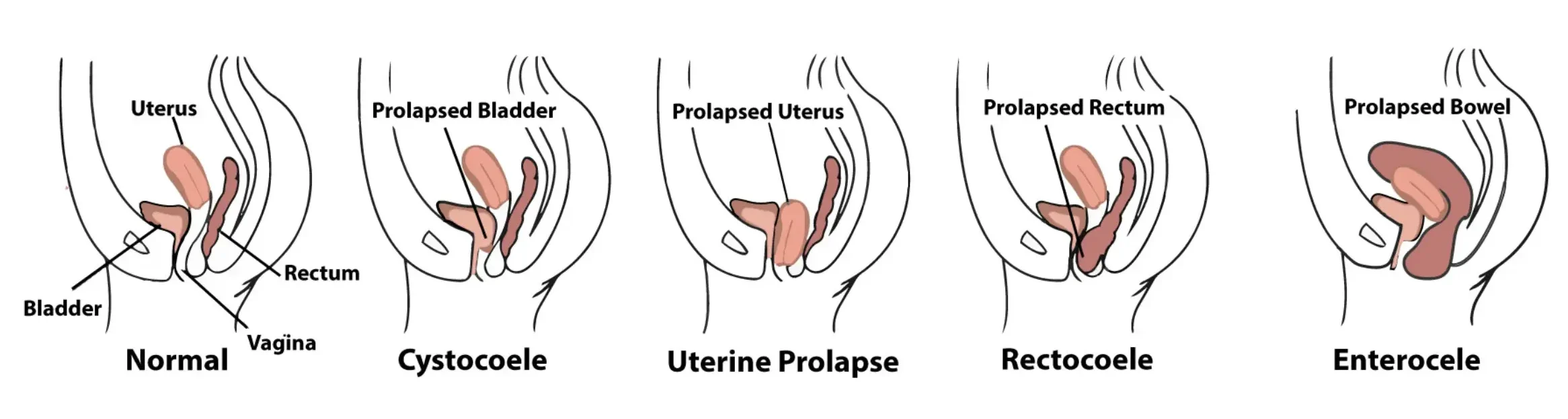
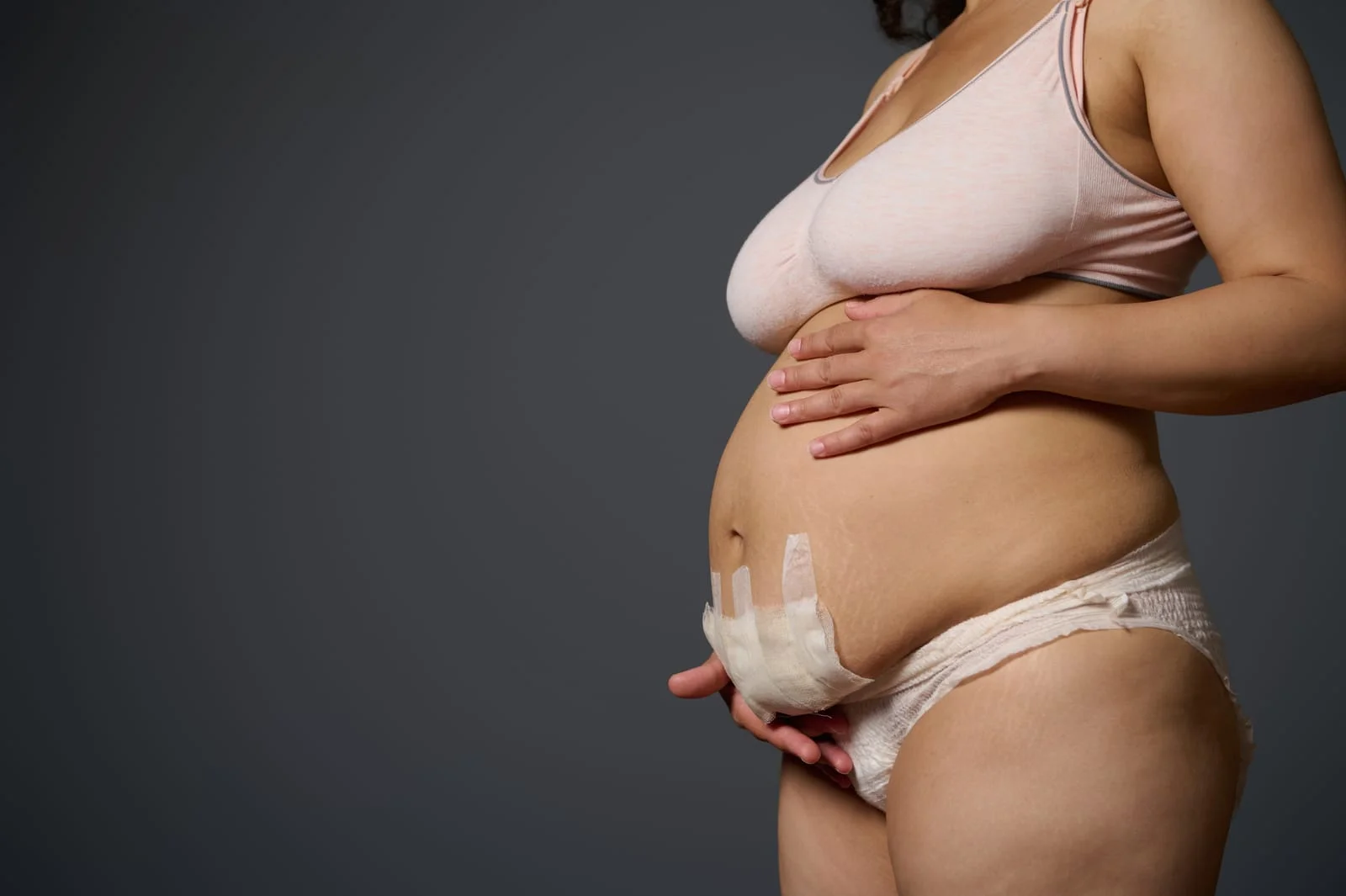
There is also a physiological layer that deserves real attention. Your pelvic floor has been through a major event. Whether you had a vaginal birth or a cesarean, this system is affected.


Some women’s post-birth experience:


  • Pain or discomfort during penetration
  • A feeling of tightness or guarding
  • Reduced sensation, numbness or difficulty to orgasm 
  • Fear of tearing or injury
  • A sense of disconnection from the pelvic area

And here is something important that is often misunderstood:

A pelvic floor can be weak, but it can also be overly tight and often it’s both, because tight muscles are not strong muscles. In both cases, pushing into penetrative sex too quickly can create more tension, not less. This is where getting assessed by a pelvic floor physiotherapist post-birth can be incredibly supportive, and of course, the Restore Your Core® program is also incredible for home practice. When your body feels physically strong and safe, it is much easier for desire to return.

Why Common Sex Advice Doesn’t Work: 

A lot of advice around postpartum sex focuses on:


  • “Making time” for sex
  • Pushing through resistance
  • Spicing things up with lingerie or new positions 

But this often backfires, because we’re trying to change the external circumstances rather than focusing on our internal experience. As we’ve established, desire doesn’t respond well to pressure.


So what does it respond to?


Safety. Spaciousness. Connection. Sensuality.  

This might look like:


  • Touch that has no “agenda” – it’s not trying to lead anywhere
  • Many moments of closeness without expectation
  • Feeling emotionally and physically supported in motherhood 
  • Sensual explorations in which your “no” is welcomed and fully respected
  • Igniting sensual pleasure in little moments of your day, such as revelling in the sensation of warm water on your skin in the shower. 

Ironically, it is often when your body feels completely free not to have sex that desire begins to return.

The Passion Routine

I’d like to spend a bit more time expanding on the last point – igniting sensual pleasure in everyday life. When you incorporate sensuality and sexual wellness practices into your day, you can create what I like to call: “a Passion Routine”. This is important regardless of your desire (or lack thereof) to have sex with a partner, because your sexual energy is your life force energy. Tapping into sensual and sexual energy and running it through your body promotes aliveness, vitality, even creativity!  It also means that when you do enter an erotic space with your partner, they don’t need to warm you up from 0 to 100, because you’re already at a 30, 40 or 50 on the arousal scale. There are many sexual wellness practices you can incorporate.


I suggest you start with this one:


2-3 times per week, oil your body with a yummy, sensual oil that delights your senses. After the shower, take a few minutes to do this with love and intention. Imagine that you’re sending love to each body part through your loving hands.


This practice not only promotes oxytocin safety and pleasure, but also promotes body-love and body-acceptance. 

Postpartum Sex – RYC®

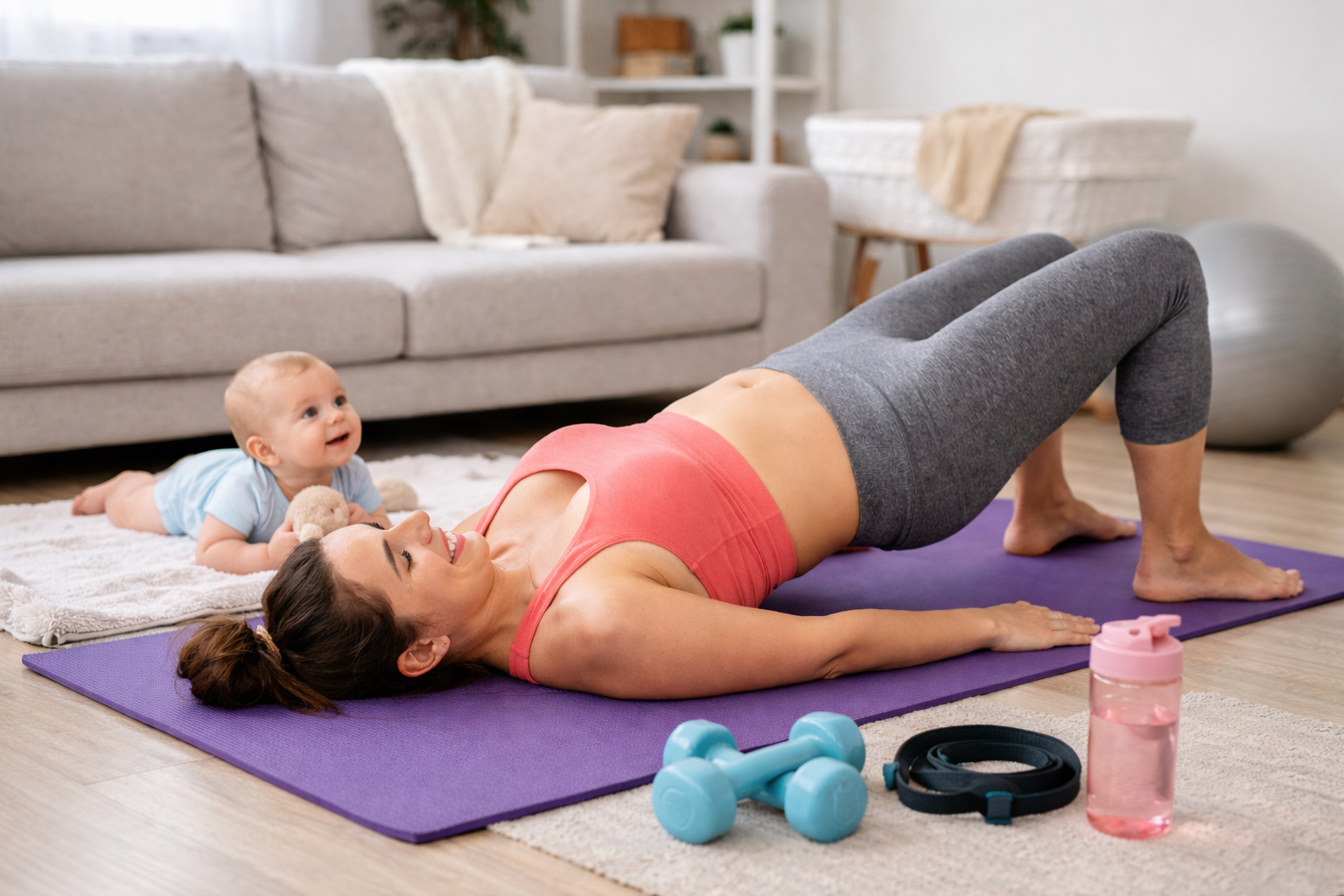
Discover the top 3 steps to regain your fitness and strength postpartum–free

Don’t Try to “Go Back” to How it Was – Evolve 

After birth, sex often cannot look the same as it did before. And that is not a problem – it’s an invitation to evolve, to deepen and to develop together erotically. Heterosexual couples often define sex as “penis inside vagina”. But intimacy is so much bigger than penetration.


It can be:


  • Eye gazing
  • A long hug
  • Gentle, slow touch
  • A sensual massage 
  • Taking a bath together 
  • Slow dancing in the living room 

The possibilities are endless. When couples expand their definition of intimacy, something truly magical happens. The pressure drops, and a giant sensual playground of exploration and love becomes available to them. If you stop trying to “go back” to how things were before Baby, this challenge can become a beautiful opportunity to evolve erotically and deepen your sex life. 

Reconnect With Your Body, Gently

After birth, many women feel disconnected from their bodies. Sometimes there is pain, numbness, or body shame.


Simple practices of gentle reconnection can really help, such as:


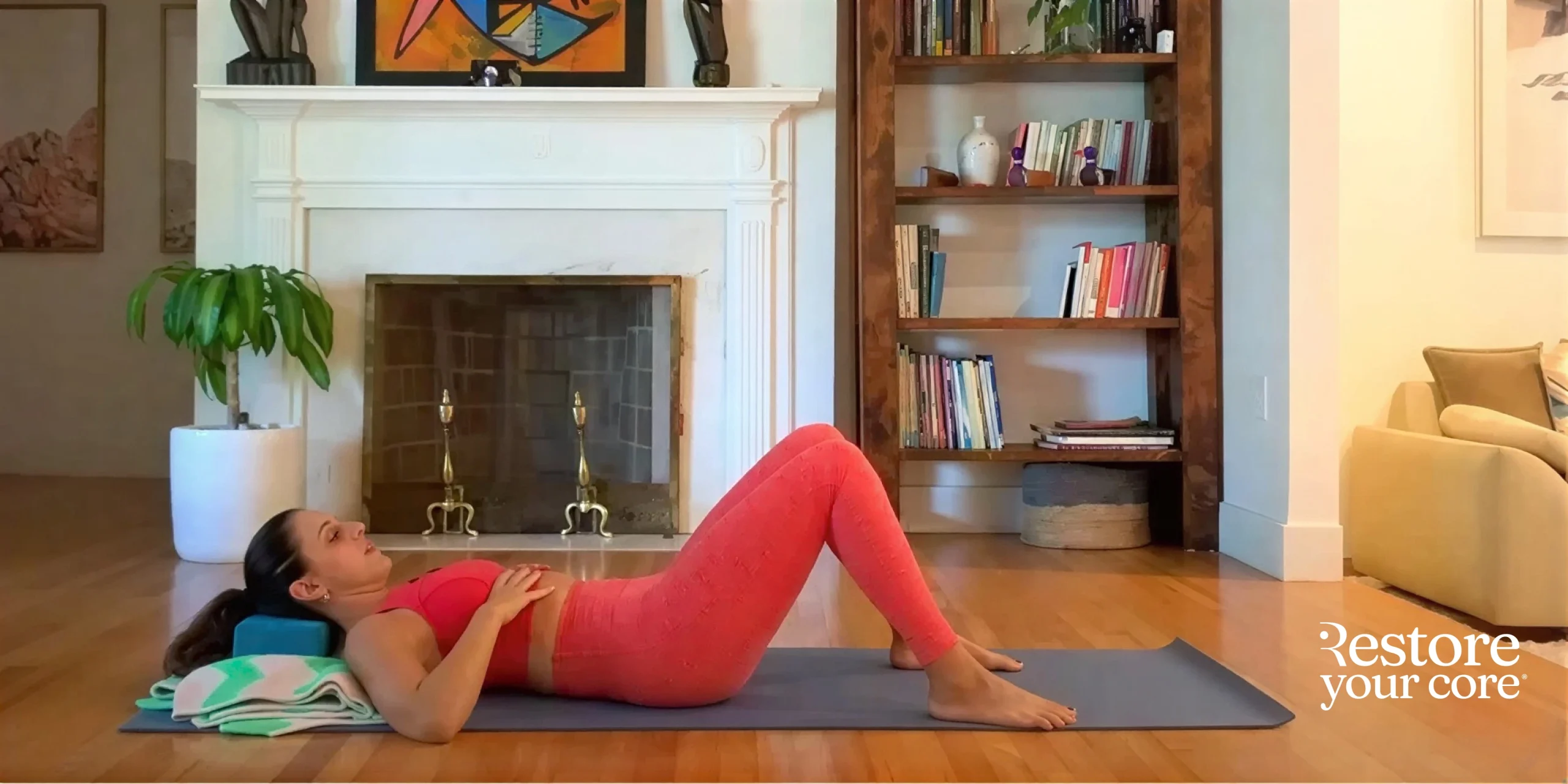
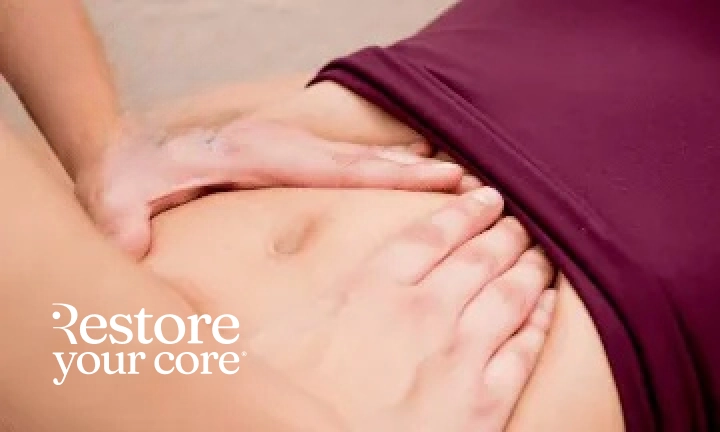
  • Gentle breath into the pelvic area while placing your hands on pelvis 
  • Slow sensual movement that brings you back into your body
  • Self-touch that is curious, not goal-oriented
  • Self massage

This will help with rebuilding trust and love for your body. 

The key to body love is not how you look, but how you feel in your body. 

Pelvic Floor Relaxing Exercise – RYC®

Responsive vs. Spontaneous Desire 

Postpartum is often about meeting a new version of yourself, and this includes desire and arousal.


Your desire might now be:


  • Slower to build
  • More responsive than spontaneous –  i.e, it arises in response to certain settings and stimuli and doesn’t arise spontaneously 
  • More connected to emotional intimacy
  • More sensitive to stress and fatigue

Rather than seeing this as a problem, I suggest you look at it with curiosity

If my desire is now more responsive, then what do I need in order to become aroused? This can even be a fun exploration for you and your partner, as long as there’s no pressure for it to end with penetrative sex.

Postpartum Exercises – RYC®

Conclusion… 

If you take one thing from this article, let it be this: Your desire has not disappeared; it’s just changed.


You are in a season that requires more compassion, more patience, and more support, both emotionally and physically. When your body feels safe again, when pressure is removed, when you’ve reconnected with your body and sensuality, and when your pelvic foundation is supported, desire can return.

And guess what – it might be even better.

Get 3 (free) scientifically-proven steps and regain your postpartum strength and fitness

2022_LO_278-1.png

Hi! I'm Lauren

Nice to meet you
Lauren Ohayon is the creator of Restore Your Core® (RYC®), a comprehensive and sustainable whole-body fitness program that empowers women to achieve ideal pelvic floor / core function and be strong, long, mobile and functional.

Top articles

Postpartum-Pelvic-Floor-Pain.png
Postpartum Pelvic Floor Pain
Bhujangasana Cobra Pose
Postpartum Yoga
Best Postpartum Workout Program: Restore Your Core® 12-Week Program
Postpartum Workout Plan
Showing Slide 1 of 4

“There is no thank you big enough for Lauren Ohayon existing and thinking and helping so many of us. Every time I do something I never thought I’d do again she is part of the reason why.”

Laura Gregg

Learn 3 Steps to Postpartum Strength and Fitness

in this FREE video and get the support you deserve

*Regain strength and confidence

Thank you!

Your FREE video is on the way
Please check your email inbox in a few minutes.

Related articles

Get more actionable info, inspiration and exclusive offers delivered to your inbox.

Thanks for subscribing!

Please check your inbox soon.

email-icon.webp
lauren ohayon

Thank you!

Your FREE video is on the way
Please check your email inbox in a few minutes.

Learn 3 Steps to Postpartum Strength and Fitness

in this FREE video and get the support you deserve

*Regain strength and confidence