
Learn

Hi! I'm Lauren.
Nice to meet you
Lauren Ohayon is the creator of Restore Your Core® (RYC®), a comprehensive and sustainable whole-body fitness program that empowers women to achieve ideal pelvic floor / core function and be strong, long, mobile and functional.
Top articles
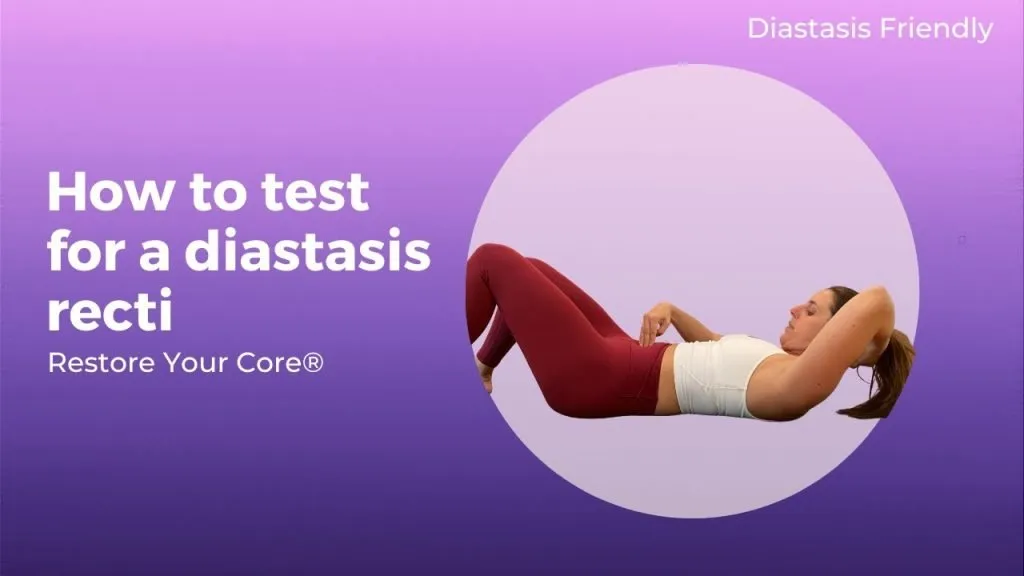
How to Fix Diastasis Recti Years Later: A Comprehensive Guide for Long-Term Healing
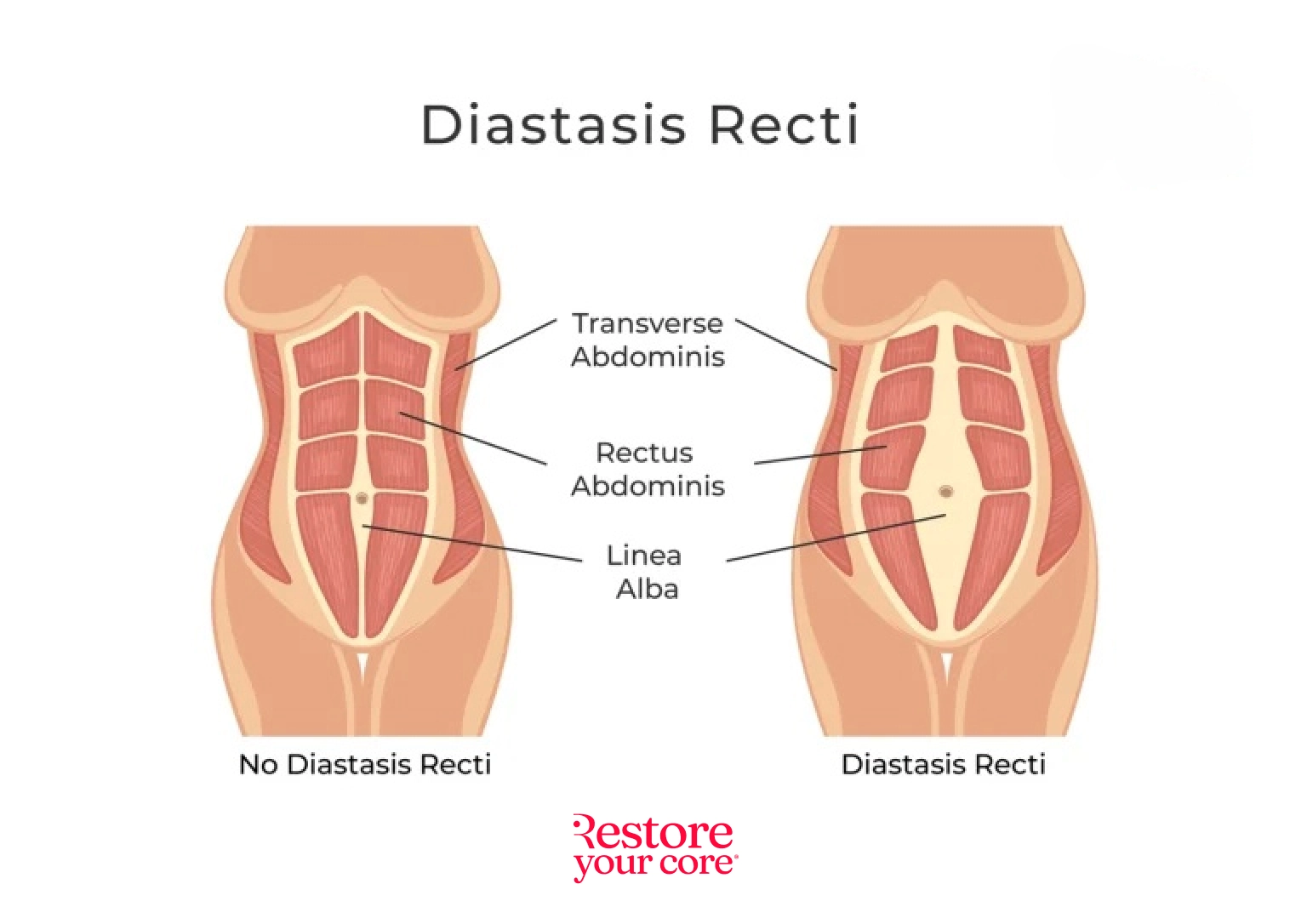
Although many people think of it as a postpartum healing problem, diastasis recti is not a strictly postpartum issue. Read on to learn how to effectively address and heal diastasis recti years after pregnancy, or if you’ve never been pregnant.
Table of Contents
What is Diastasis Recti?
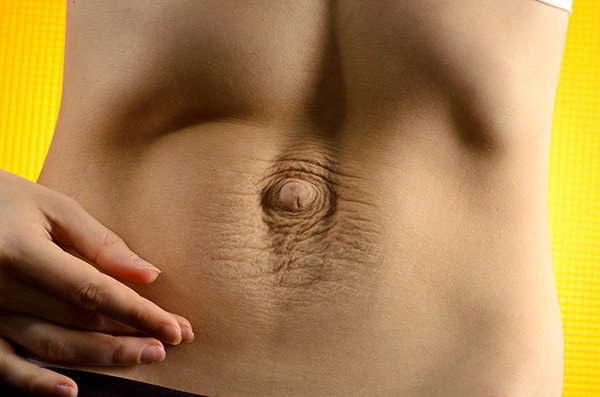
Diastasis recti, or diastasis recti abdominis, is a thinning or weakening of the connective tissue (linea alba) joining the two halves of the rectus abdominis muscle group. This weakening of the abdominal wall can lead to a number of symptoms:
-
- Visible bulge just above or below the belly button.
- A softening or “gap” above and around the belly button.
- Coning or doming when you contract your ab muscles.
- Pain or difficulty when lifting objects, walking, or performing other everyday tasks.
- Low back, pelvic, or hip pain.
- Difficulty with maintaining good posture.
- Feeling like you have a “weak core”
- Pelvic floor issues such as leaking urine or constipation
Get free expert advice and start your Diastasis Recti healing journey today
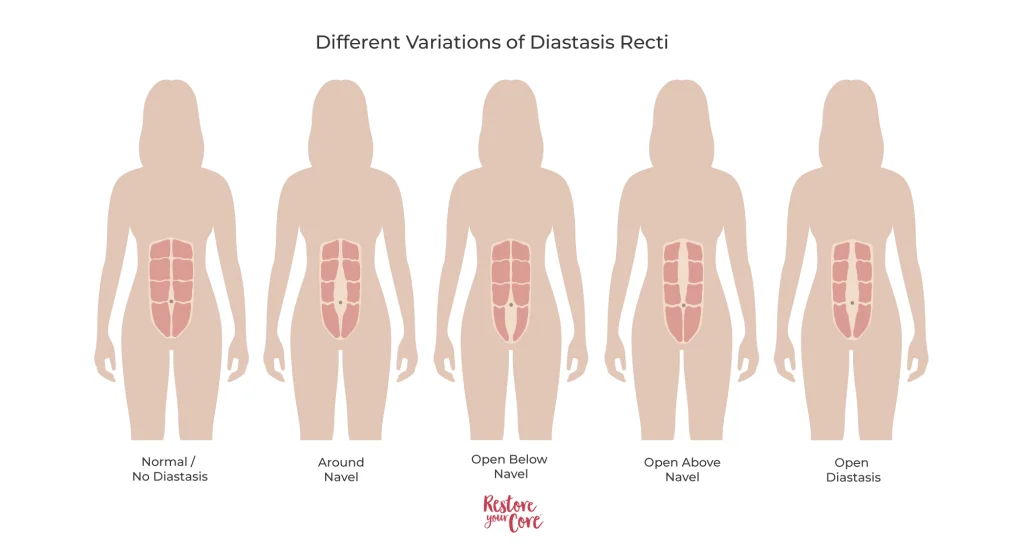
Diastasis recti is often casually referred to as a “mummy tummy.” But anyone can develop a diastasis recti, and it’s not always diagnosable based on appearance alone. Pregnancy does require the linea alba to thin as part of the process of making space for the fetus(es), but not everyone who is pregnant continues to have issues related to diastasis recti for years after giving birth. While it is normal to experience some diastasis in the immediate postpartum period, a diastasis that persists beyond the first year after giving birth may require additional intervention to heal fully. If you’re suffering from DR long after pregnancy, you’re not alone! Up to 30-40% of postpartum folks have diastasis recti that persists after the first six months.
Long-term effects of diastasis recti
A diastasis recti that hasn’t closed enough to be functional has long-term consequences. If your car doesn’t have functional tires, you can’t rely on it to get you where you need to go. Similarly, diastasis recti can affect the function of your core, which in turn affects how your whole body feels as you move through life. Any symptoms you may experience from the impaired core function may get worse, and may lead to living a less active lifestyle than you would like to live.
Diastasis recti can be healed, even years later. Healing your diastasis doesn’t necessarily mean fully closing the “gap,” but rather regaining or improving your core function.
Assessing diastasis recti years later:
There are surprisingly few studies about how many people continue to experience symptoms of diastasis recti long after the postpartum period, though that is slowly beginning to change. However, assessing for diastasis recti is pretty straightforward–you can do it on your own using these instructions, or have a professional assess you. As part of the assessment process, you’ll learn more about the extent of separation both in terms of breadth and depth. For example, you may discover that your separation is narrow but deep, or shallow and wide, or somewhere in between. The good news is that once you’ve been assessed, you can begin to take steps toward healing.
What are the realistic expectations for healing at this stage?
Diastasis recti recovery looks different for each person, and depends on several factors: consistency of practice, extent of the separation, and your body’s ability to build strength. Some people have difficulty healing their diastasis recti with exercise alone; for those people, surgery is an option. However, since the recovery process from any abdominal surgery can be extensive and difficult, it’s a good idea to try movement and/or physical therapy first (as an added bonus, strengthening your core before surgery can make the recovery much easier).
The goal with all approaches to diastasis recti healing is to improve your quality of life by increasing your body’s ability to tolerate load and by decreasing the extent of the abdominal separation. A functional core does not mean the gap has to fully close, however: instead, you’re aiming for good movement patterns and muscle recruitment that is appropriate to the tasks you want to perform.
Take 3 steps toward regaining your ability to do the things you love
How to fix diastasis recti years after pregnancy:
How do you actually fix a diastasis recti long after you’ve given birth? Once you’ve been assessed, there are several strategies for long-term recovery and wellness:
Specific core strengthening exercises targeted at healing diastasis recti
Learning how to effectively engage your core takes time, particularly if you’ve been coping with diastasis recti symptoms for several years. You’ll need to learn what your default movement patterns are, and which patterns are not serving you well. Specific exercises can help you retrain your muscles to work together more effectively and increase your body’s ability to tolerate load.
Modifying daily activities to support healing
Healing takes energy, and making sure that you’re performing basic self-care in terms of overall wellness is an important part of the process. Getting good rest, drinking plenty of water, and making sure you’re eating enough to support muscle growth are part of the picture. Some people find that paying attention to dietary considerations can also be helpful–getting a sense of which foods tend to lead to more bloating ( an increase in intra-abdominal pressure) can improve your sense of well-being.
Lifestyle and dietary considerations
While you’re working on healing diastasis recti, you may find that you’ll need to modify some of your daily activities. This may include temporarily scaling back intense exercise (the goal with healing is to get back to doing what you love, but you might have to relearn how to do it with better core engagement strategies). You might need to learn new ways to carry or lift heavy objects, especially at the beginning of your healing process. And you’ll need to make room in your schedule for your rehab exercises.
Posture and alignment techniques
As part of modifying your daily activities, you may need to learn new ways to stand and walk that put less strain on your abdominal wall. These techniques also make it easier for you to engage your core reflexively, in response to movement and load, instead of “sucking in” your stomach.
Discover the top 3 steps to heal your Diastasis Recti and get back to what you love
Signs that indicate the need for professional intervention
For many people, an at-home program like Restore Your Core® is sufficient for healing diastasis recti, even many years after pregnancy. For others, professional intervention may be warranted. Some combination of both offers multiple layers of support to your healing process.

How do I know when to seek professional help?
In an ideal world, all postpartum people would have the opportunity to meet with a pelvic health physical therapist several times after the first few 12 weeks. Since that isn’t often the case, you may wish to seek professional help if you are experiencing symptoms such as:
- Persistent pain with everyday movements
- Back or pelvic girdle pain
- Not being able to feel/connect to your core during exercise
- Discomfort during elimination
- Not seeing results from performing corrective exercises
What kind of professional should I contact?
If you’re in severe pain and discomfort, your doctor is a good first point of contact, and you should consult your physician before undertaking any kind of rehabilitation.
Who you should reach out to depends on the problems you’re experiencing. If you’re struggling to connect with your core during exercise, or having difficulty performing corrective exercises, a movement professional or physical therapist trained in core rehabilitation techniques is your best bet.
For persistent pain and discomfort, starting with a physical therapist or occupational therapist may be a better fit, or a good option to use in conjunction with at-home programs–many PTs and OTs can use biofeedback and manual modalities to help get your core more functional.
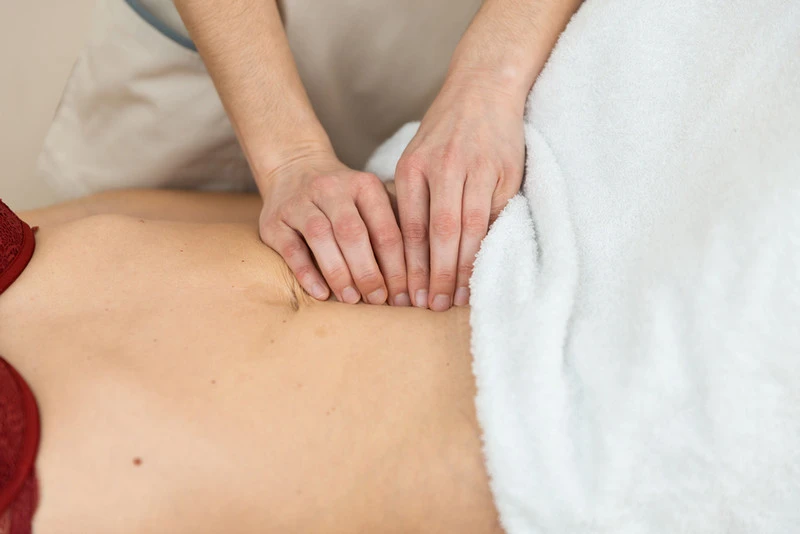
If you’ve worked with exercise-related strategies for at least a year, with no noticeable improvement you may be a good candidate for a surgical consultation. The techniques for correcting abdominal separation with surgery have improved in the last several years, though you will still need to rehab with exercise in order to maintain your surgical results. In addition, if you use surgery to repair the separation, but don’t address the underlying issues that contributed to the diastasis recti, you may have an increased risk of pelvic organ prolapse, so prehab and rehab are crucial to taking a surgical approach to healing your DR.
Key steps for fixing diastasis recti years after giving birth
There are several key steps you can take to heal from diastasis recti, even years postpartum.
- Consult your physician to make sure you’re cleared to exercise.
- Begin simply, perhaps with a few simple exercises and movement explorations.
- Look into whether physical therapy or an at-home exercise program is best for you.
- Give yourself plenty of time to cultivate new movement patterns and habits.
- Consult a professional as necessary.
Strategies for maintaining core strength and preventing recurrence
Once you’ve learned effective core strategies and gained strength, you’ll need to continue moving in order to maintain your strength and prevent a new injury. Increasing the loads that your body works with will keep you strong, so you may find that you enjoy adding strength training into the mix, or some other more intense forms of exercise, such as hiking, running, martial arts, etc. It’s a great idea to include some of the basics, too, in order to reinforce the good patterns you’ve learned. Often, when you pick up a new activity, you will find that your body wants to return to the default strategies you used to use. When that happens, you may want to slow down how quickly you increase intensity, or add some warm-ups into your routine that help you get your core engaged properly.
Keeping yourself on track means taking good care of your body and your mental health. Make sure you’re seeing your doctor regularly, and working with mental health professionals as needed as you build and maintain these habits.
Fixing diastasis recti is, above all, a long-term healing journey.
Healing takes time. Healing takes support. Patience, self-compassion, and supportive community will help you along your way. Every healing process includes moments of frustration and feelings of not quite getting it right. You can do this.
FAQ
1. What is diastasis recti?
Diastasis recti, or diastasis recti abdominis, is the thinning or weakening of the connective tissue (linea alba) joining the two halves of the rectus abdominis muscle group.
2. What are the symptoms of diastasis recti?
Symptoms may include a visible bulge above or below the belly button, a softening or “gap” around the belly button, coning or doming during ab muscle contraction, pain during everyday tasks, low back, pelvic, or hip pain, difficulty with posture, and pelvic floor issues
3. Is diastasis recti only a postpartum issue?
No, while commonly associated with postpartum, anyone can develop diastasis recti, and it’s not strictly postpartum. Up to 30-40% of postpartum individuals may have diastasis recti persisting after the first six months.
4. How can I assess diastasis recti years later?
Assessment can be done at home or by a professional. It involves understanding the extent of separation in terms of breadth and depth.
5. How can I assess diastasis recti years later?
Untreated diastasis recti can lead to impaired core function, affecting overall body movement and potentially reducing an individual’s active lifestyle.
6. Can diastasis recti be healed years after pregnancy?
Yes, diastasis recti can be healed, even years later. The goal is to improve core function rather than fully closing the gap.
7. What are the realistic expectations for healing?
Recovery varies for each person and depends on factors like consistency of practice, extent of separation, and the body’s ability to build strength. Surgery is an option for some, but exercise and movement therapy are often recommended first.
8. How do I fix diastasis recti years after pregnancy?
Strategies include specific core strengthening exercises, lifestyle and dietary considerations, modifying daily activities, and adopting posture and alignment techniques.
Top articles
“There is no thank you big enough for Lauren Ohayon existing and thinking and helping so many of us. Every time I do something I never thought I’d do again she is part of the reason why.”
Laura Gregg
Learn 3 ways to heal your Diastasis Recti
in this FREE video and get the support you deserve
*10K+ women healed and healing

Thank you!
Your FREE video is on the way
Please check your email inbox in a few minutes.
Related articles
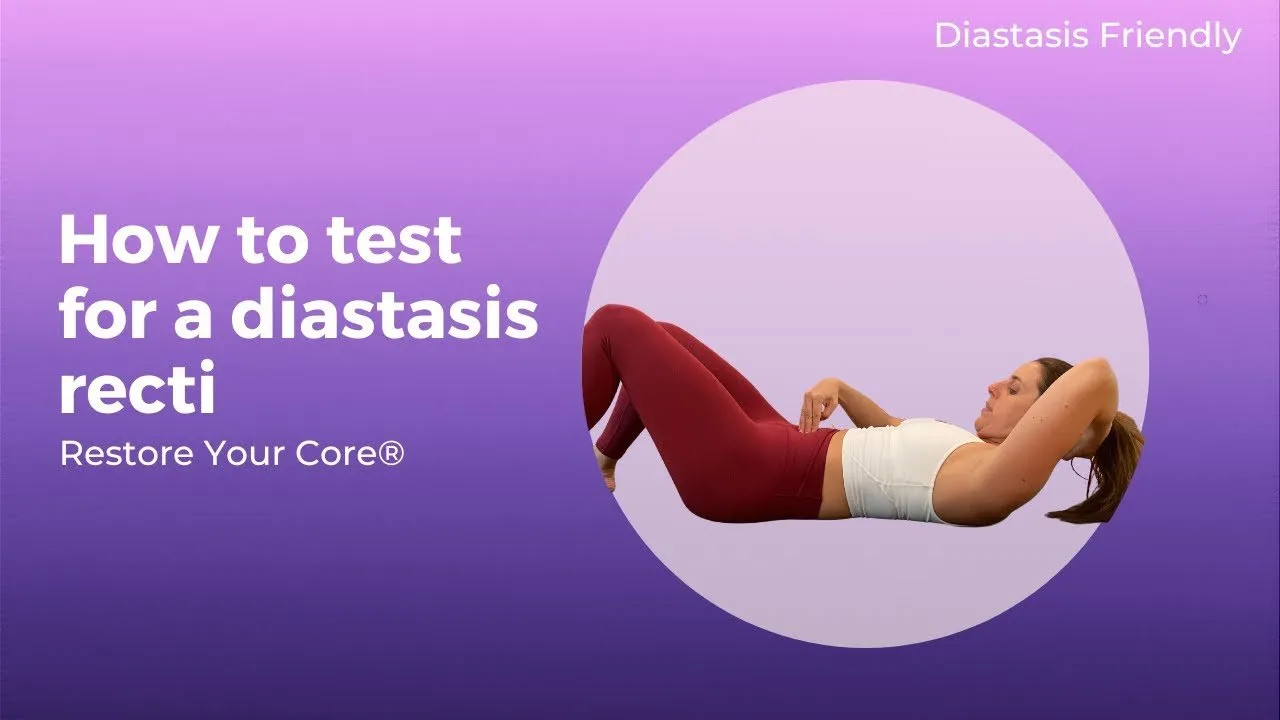
What is Diastasis Recti? Diastasis Recti is one symptom of core and pelvic floor dysfunction. It is the stretching or separation of the rectus abdominis (6 pack) muscles due to...
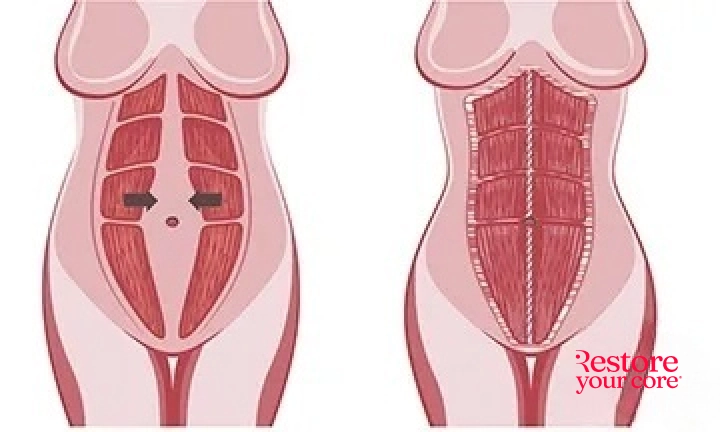


What does Diastasis Recti look like? Well, Diastasis Recti symptoms and what it looks like can differ from person to person, making it difficult to diagnose. For some individuals, Diastasis...
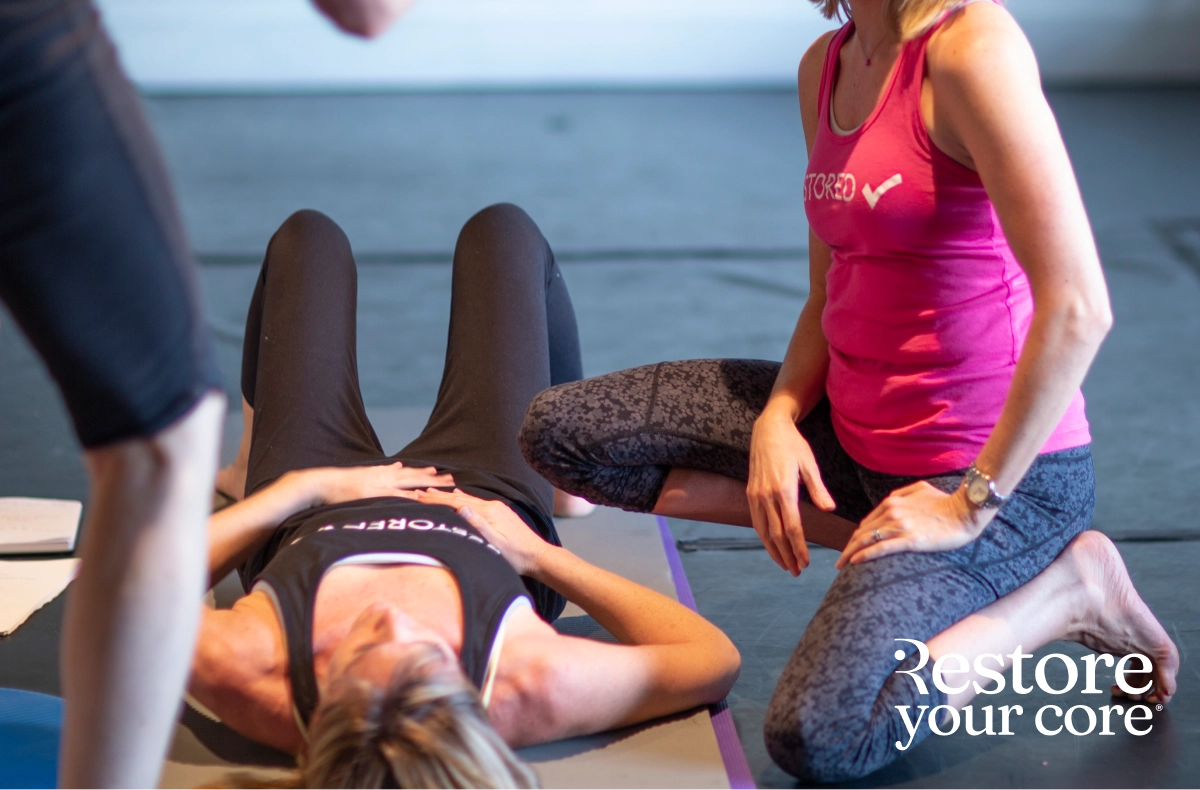
How to Test for Diastasis Recti? If you have diastasis recti (DR), you may notice a change in your breathing patterns or even experience shortness of breath. The connection between...
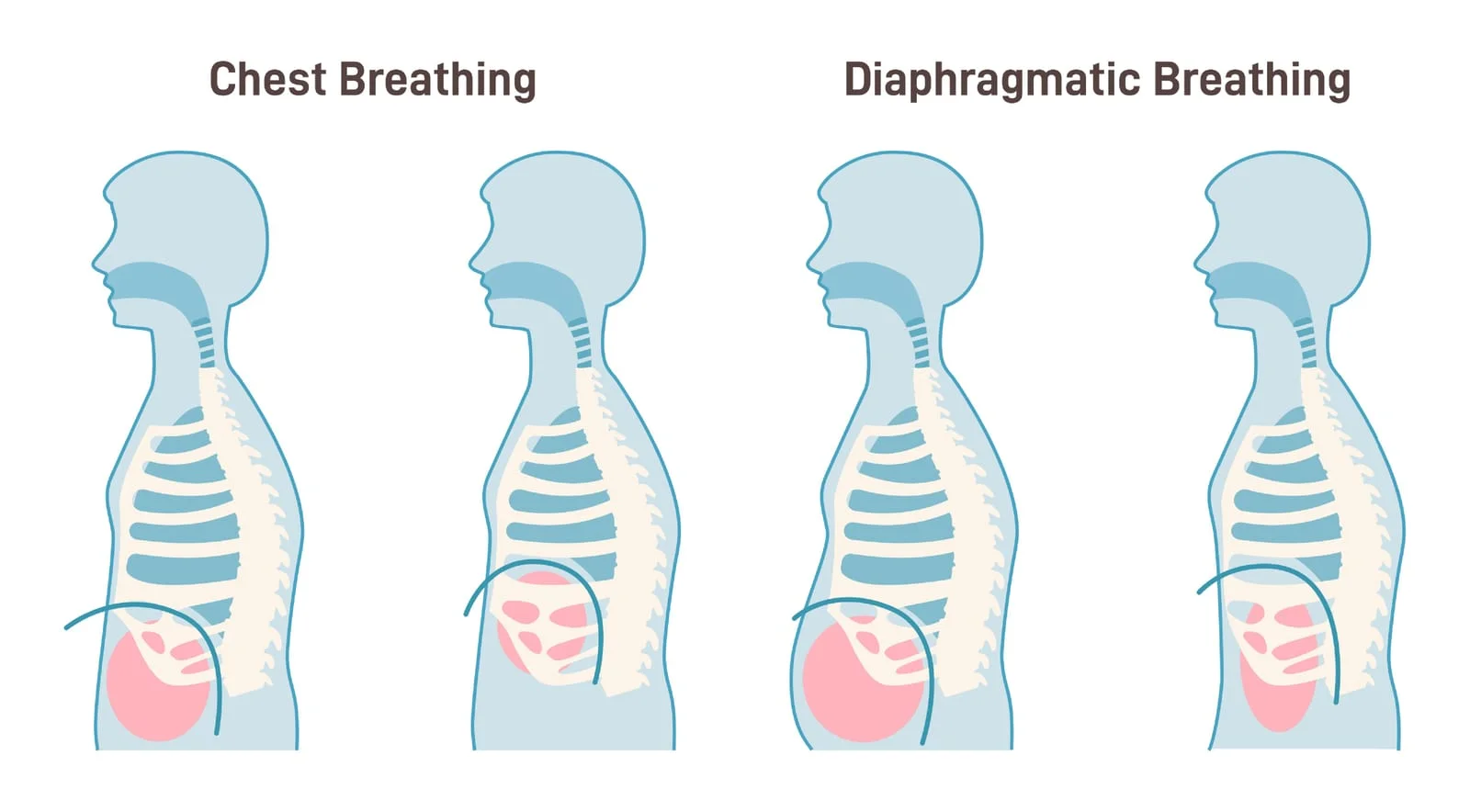
If you have diastasis recti (DR), you may notice a change in your breathing patterns or even experience shortness of breath. The connection between breathing and diastasis recti is significant...

While it’s relatively easy to assess yourself for diastasis recti, what do you do about it? PT is great; pressing play on a video at home is even easier. Read...

What does Diastasis Recti mean? Diastasis recti, or abdominal separation, is essentially a gradual stretching and separation of the abdominal muscles in your belly. The connective tissue (linea alba) that...

Healthcare professionals–including doctors, coaches, and doulas–have you been confused about how to help your patients and clients with diastasis recti? Is surgery the best and only option? Not necessarily. Read...
Discover the top 3 steps to heal your Diastasis Recti and get back to what you love
Get more actionable info, inspiration and exclusive offers delivered to your inbox.
*No spam, just quality content and support
Thanks for subscribing!

inbox soon.