
Pelvic Floor

Understanding Queefing: Causes, Symptoms, and Simple Prevention Tips
Queefing is common and natural. Learn what causes it, how to manage it, and when it may signal something more. Boost comfort and body confidence.

Queefing is common and natural. Learn what causes it, how to manage it, and when it may signal something more. Boost comfort and body confidence.
Learn the common signs of a weak pelvic floor, including leakage, pelvic pain and prolapse, plus when to seek professional help.
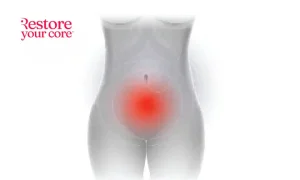
If you are experiencing pain in the region below your navel and in the deeper tissues around your hips and above your thighs, you may
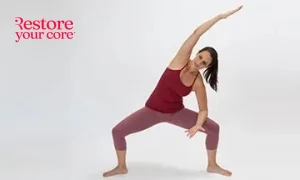
Kegels exercises are often promoted as being the cure all, end all exercise for pelvic floor dysfunction and to strengthen weak pelvic floor muscles. Many
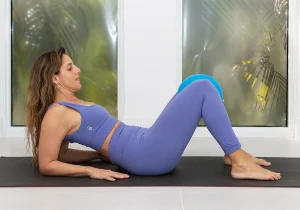
Relieve pelvic floor pain with effective stretches, breathing techniques, and gentle exercises designed to reduce tension, improve core function, and support long-term recovery and comfort.
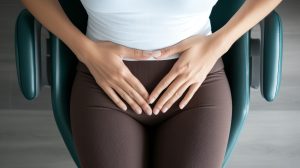
Learn what a pelvic floor specialist does, common symptoms of dysfunction, and how therapy can relieve pain, incontinence, and restore core strength.
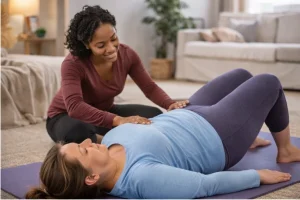
Pelvic floor repair surgery is the most common surgery for pelvic organ prolapse. Pelvic floor repair is a broad term used to classify a variety
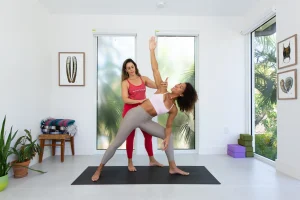
Pelvic floor muscle exercises are often very diverse and provide a variety of information regarding the styles and methods you should pursue when seeking to
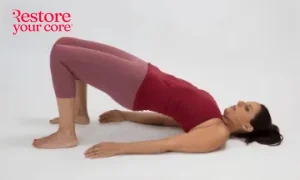
Learn how to strengthen your pelvic floor with safe, effective exercises that improve core function, reduce symptoms, and support lasting pelvic health—without relying on Kegels.


Pelvic floor therapy is recommended for conditions where the pelvic floor and core system is not functioning optimally. Pelvic Floor Dysfunction and its related conditions