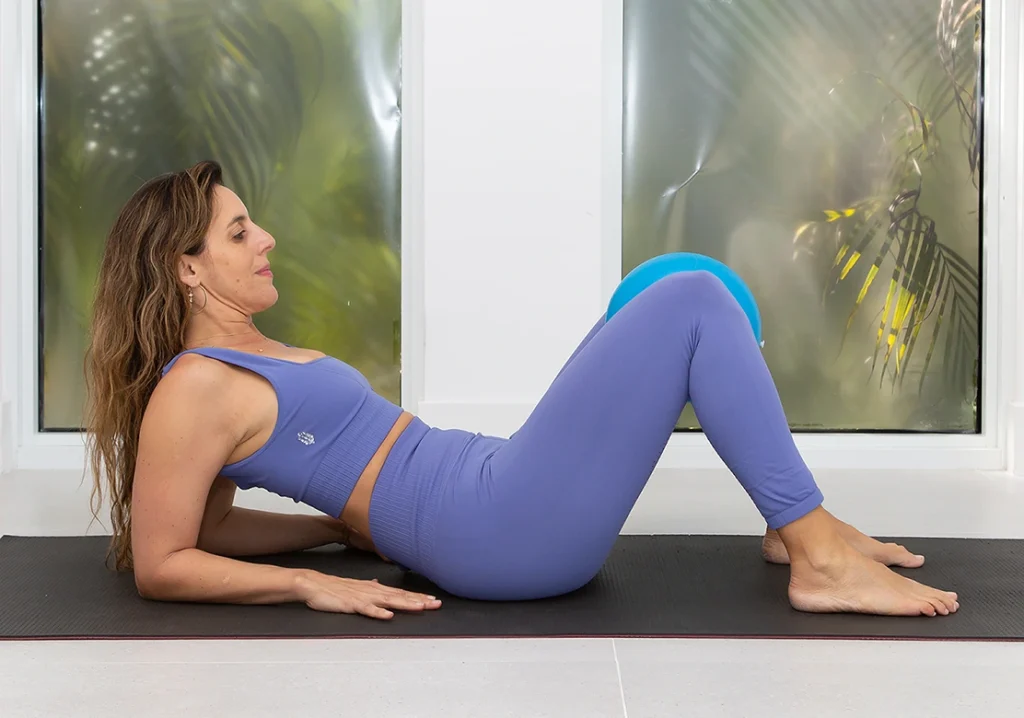
Lauren Ohayon is the creator of Restore Your Core® (RYC®), a comprehensive and sustainable whole-body fitness program that empowers women to achieve ideal pelvic floor / core function and be strong, long, mobile and functional.
Hi! I'm Lauren.
Nice to meet you
Lauren Ohayon is the creator of Restore Your Core® (RYC®), a comprehensive and sustainable whole-body fitness program that empowers women to achieve ideal pelvic floor / core function and be strong, long, mobile and functional.
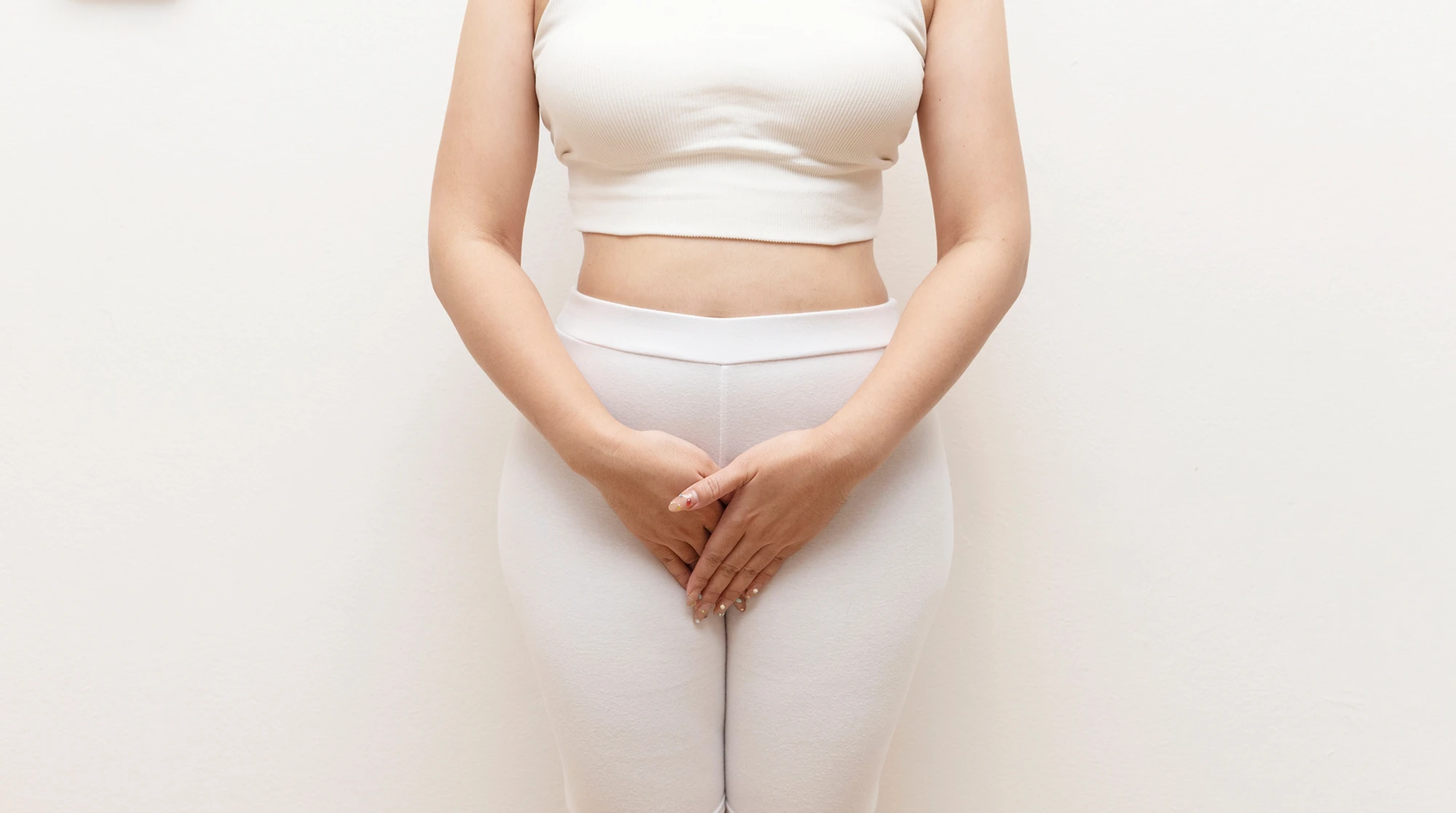
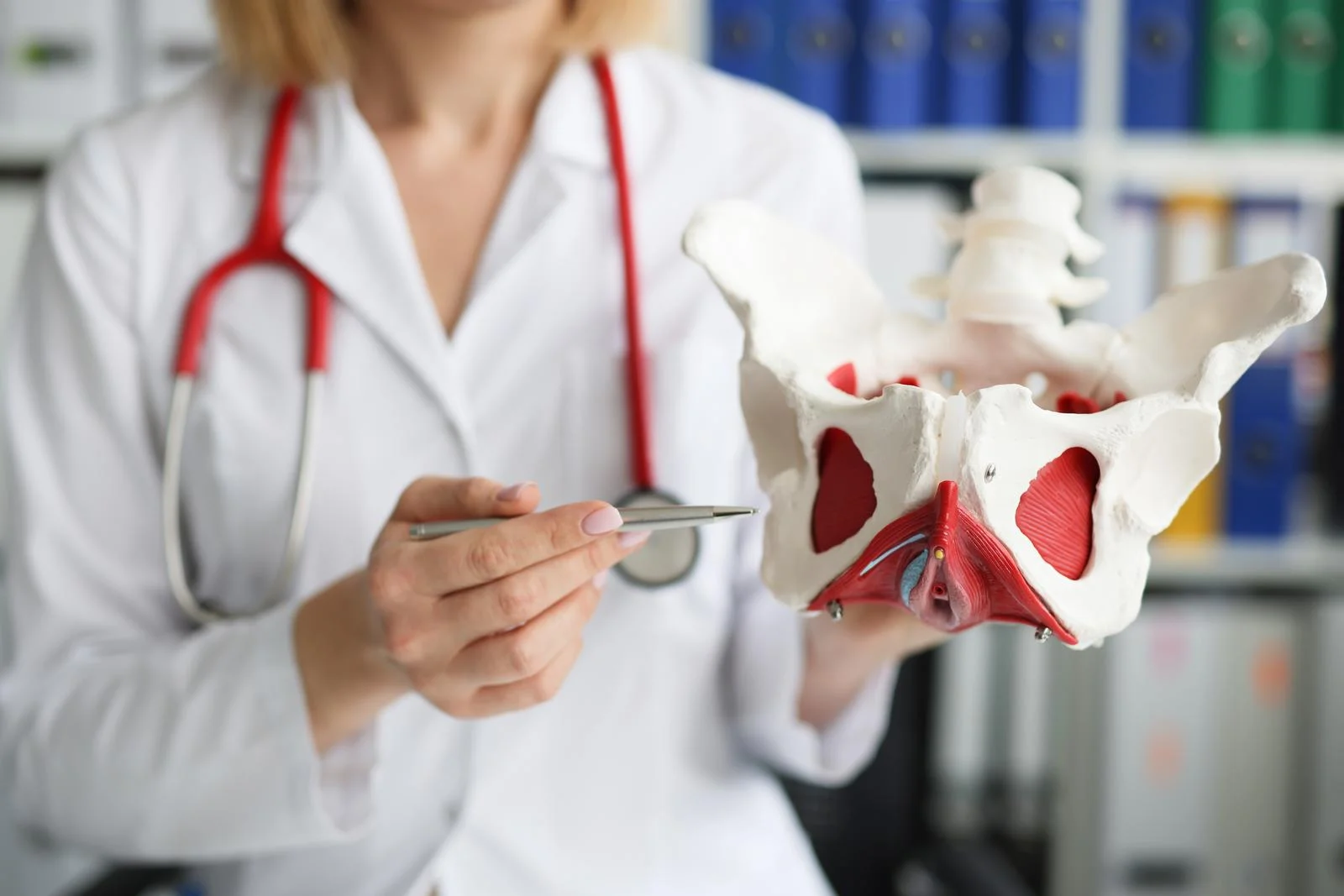
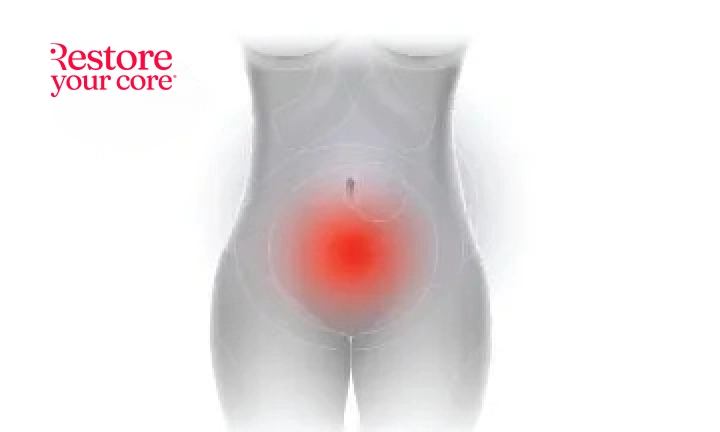
If you are experiencing pain in the region below your navel and in the deeper tissues around your hips and above your thighs, you may be experiencing pelvic floor pain. Your pelvic floor is home to a host of muscles, connective tissues, and organs (your bowel, bladder, ovaries, uterus, etc). There are many reasons why you may be experiencing pain in your pelvic floor. It is important to identify the differences between common causes, to know what kind of pain may be normal and which is not, and when treatment may be necessary.
Some of the most common types of pain you may experience in your pelvic floor include:
Long term pain or discomfort in the pelvic region, lower abdomen, or lower back (often lasting for multiple days at a time for more than 6 months)
Painful urination, burning sensation during urination
Painful bowel movements
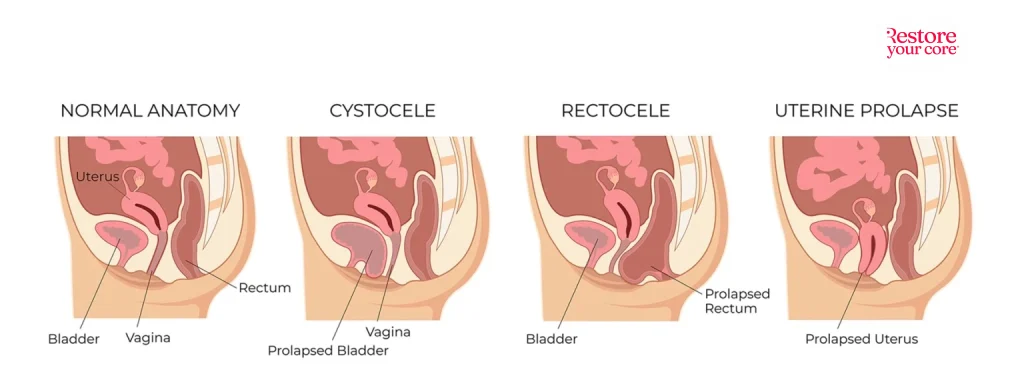
Sense of heaviness or discomfort in the vagina or rectum
Painful erections in men (or similar symptoms to erectile dysfunction)
Pain during sexual intercourse (dyspareunia) or loss of sensation or satisfaction during intercourse
In many cases, pelvic floor pain may overlap with a variety of causes. For instance, many of the above symptoms may be experienced if you have a UTI or infection in the bladder. However, that is not always the case. Below, we will address some of the common causes of pain in the pelvic floor and how they may best be treated.
Start your healing today with this free workout
Table of Contents
What Causes Pain in the Pelvic Floor?
Period Pain
One of the most common causes of pelvic floor pain in young women is period pain. The pain some women feel during their menstrual cycle occurs as a result of the muscles in the uterus contracting or tightening. This often feels like cramping or heaviness in the pelvic area, lower back, and/or abdomen. However, severe pelvic pain during your period is abnormal and may be a sign of something more serious, like endometriosis, adenomyosis, or pelvic floor dysfunction.
Bladder Pain & Urinary Tract Infections (UTIs)
Nearly 50% or more of women will likely experience a UTI in their lifetime. Urinary tract infections are another very common cause of pelvic floor pain. Typically the pain experienced during a UTI will occur when peeing. As you recover from the UTI, you may experience pain in your lower abdomen and if left untreated, it could lead to a more serious infection.
It is important to seek medical attention if you’re experiencing any symptoms of a UTI.
Pregnancy & Postpartum Pelvic Pain
Postpartum pelvic pain is very common. During childbirth, your ligaments and joints become loose as your body is adapting to your child’s weight, abdominal separation, and increased heaviness in your pelvic floor. It is common to experience pain in your pelvic girdle, hips, and joints as a result. Light recovery exercises and movement can also cause minimal pain as you begin strengthening your pelvic floor muscles.
Endometriosis
Endometriosis is a condition that affects the reproductive organs in women and is often identified by severe pelvic floor pain. Endometriosis occurs when cells that are similar to those lining the uterus (endometrium) spread to other parts of the body – most often the pelvic region: bowel, bladder, and ovaries. Because these cells are closely related to those lining the uterus, they experience the same menstrual changes. However, they are unable to be expelled by the body causing them to build up which can lead to pelvic floor pain, scarring, and inflammation.
Many women with endometriosis experience severe pain in their pelvis, lower abdomen, lower back, either immediately before their period, during their period, during or after sex, when urinating, passing stool, or during ovulation.
If you believe you have endo, it is important that you discuss the treatment options available with your physician or healthcare provider.
Adenomyosis
Adenomyosis is a similar condition to endometriosis as it too involves problematic cell growth. However, unlike the endometrium-like cells that spread to different parts of the body outside of the uterus, in adenomyosis, the cells grow into the muscle wall of the uterus.
Symptoms of adenomyosis are similar to those of endo: painful periods (typically occurring after years without pain), pain during sex, and abnormal, heavy menstrual bleeding.
Pelvic Floor Disorders
Pelvic floor issues is a bit of a broad term and can encompass a range of pathologies. However, for the most part – these issue occur when the pelvic floor muscles are lacking enough tone (hypotonic) or are too “tight” (hypertonic). Some people may experience weak pelvic muscles and core muscles from an early age. Others may not notice problems until after certain stages of life such as pregnancy, childbirth, or menopause.
In my experience, when pelvic floor dysfunction in women is present, it is typically a result of overly toned, too short pelvic floor muscles. The pelvic floor cannot function in this state. Overworking these muscles and connective tissues without learning how to properly engage the various muscle groups can keep you from relaxing them fully.
Pelvic floor dysfunction may include a variety of issues such as:
Constipation, straining or pain during bowel movements.
Pain or pressure in the rectum.
A heavy feeling in the pelvis or a bulge in the rectum.
Muscle spasms in the pelvis.
Try 18 minutes of healing, nourishing movement – the RYC® way
How Do You Treat Pelvic Floor Dysfunction?
Fortunately, there are many treatment options available for those experiencing painful symptoms from pelvic floor disorders. Some of the most efficient and reliable, minimally invasive, non-surgical treatments for pelvic floor dysfunction include:
Restore Your Core®: In my RYC® 12-Week Program I offer a 12 Week Program detailing a step by step approach to developing a strong, healthy, responsive core & pelvic floor system. To help my clients treat their pelvic floor pain, I focus primarily on proper muscle training exercises so they can begin to understand how to properly train the correct muscles to handle and respond to their everyday actions, exercises, and movements. To learn more about our offerings for pelvic floor treatment, visit our pelvic floor learn hub or consider joining our Facebook community.
Pelvic floor physical therapy: Pelvic floor therapy is recommended for conditions where the pelvic floor and core system is not functioning optimally. Pelvic Floor Dysfunction and its related conditions can be caused by many different things. These can include:
Infections
Irritable bowel syndrome
Pregnancy or childbirth
Poor posture
Trauma
Chronic back pain
Medical history of trauma, injuries in the pelvic region
Surgery
Physical therapy for the pelvic floor will likely take place either in conjunction with biofeedback therapy, or may be addressed separately. Taking part in a proactive exercise program geared toward your overall physical health and restoration will be important to effectively treating symptoms of pelvic floor dysfunction.
Relaxation techniques: Your healthcare provider or physical therapist might also recommend you try relaxation techniques such as meditation, warm baths, yoga and exercises, acupuncture.
Biofeedback Therapy for Pain Management: A physical therapist will likely encourage biofeedback therapy to help treat pelvic floor dysfunction symptoms. This is often done via electrical stimulation or manual manipulation to retrain the pelvic floor muscles as you try to contract and relax these muscles. After the initial results, your physical therapist will give you feedback regarding how to best improve your muscle coordination via various pelvic floor exercises (i.e. kegel exercises).
Enjoy a free, pelvic-floor & core healing whole-body workout today
Can RYC® 12-Week Program Help With Pelvic Floor Pain?
My 12 Week Program Restore Your Core® offers a step by step approach to strengthening your pelvic floor and whole body. If you feel a bit unprepared to tackle a long program, here is a video of 5 exercises that are wonderful to get you started. If you have discovered imbalances in your pelvic floor, you might also reach out to a pelvic health physical therapist near you.
“There is no thank you big enough for Lauren Ohayon existing and thinking and helping so many of us. Every time I do something I never thought I’d do again she is part of the reason why.”
Laura Gregg
Strengthen, heal & nourish your pelvic floor & core
Learn how to strengthen your pelvic floor with safe, effective exercises that improve core function, reduce symptoms, and support lasting pelvic health—without relying on Kegels....
Pelvic floor muscle exercises are often very diverse and provide a variety of information regarding the styles and methods you should pursue when seeking to build pelvic floor strength. Some...
Pelvic floor repair surgery is the most common surgery for pelvic organ prolapse. Pelvic floor repair is a broad term used to classify a variety of simple, surgical procedures for...
Stress, fascia, and your nervous system all influence pelvic floor function. Discover how an integrated approach supports strength, balance, and resilience....
Learn what a pelvic floor specialist does, common symptoms of dysfunction, and how therapy can relieve pain, incontinence, and restore core strength....
Relieve pelvic floor pain with effective stretches, breathing techniques, and gentle exercises designed to reduce tension, improve core function, and support long-term recovery and comfort....
Pelvic floor pain can be debilitating; a large number of runners experience some form of pelvic pain and pelvic floor dysfunction. This article outlines the causes of pelvic floor pain...
Your pelvic floor muscles play an important part for many bodily functions, including sexual health and orgasms. In this article, I’m debunking common myths about your pelvic floor and highlighting...
Learn how to tell if your pelvic floor is tight or weak, key symptoms to watch for, and what to do next. Understand causes, signs, and safe steps to restore...