
Learn

Hi! I'm Lauren.
Nice to meet you
Lauren Ohayon is the creator of Restore Your Core® (RYC®), a comprehensive and sustainable whole-body fitness program that empowers women to achieve ideal pelvic floor / core function and be strong, long, mobile and functional.
Hi! I'm Lauren.
Nice to meet you
Top articles
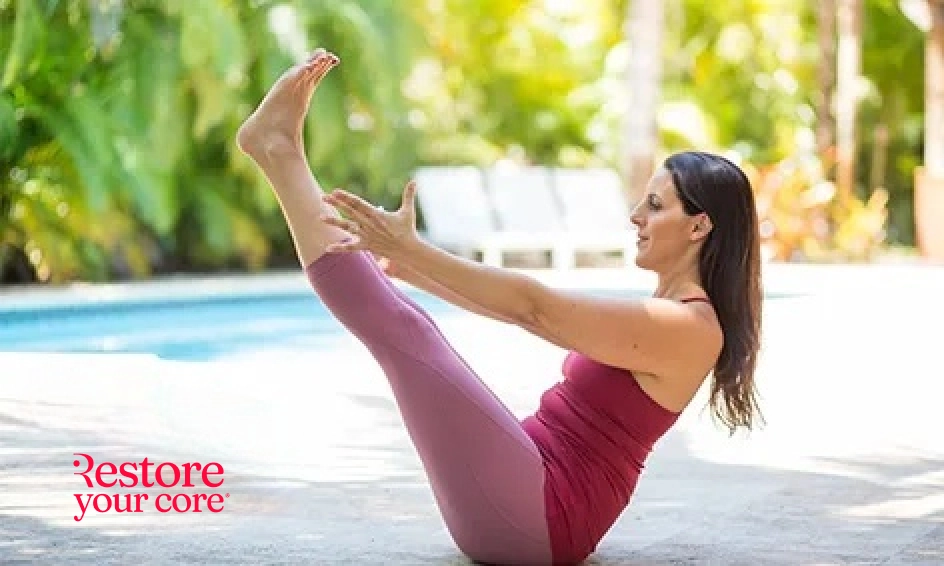
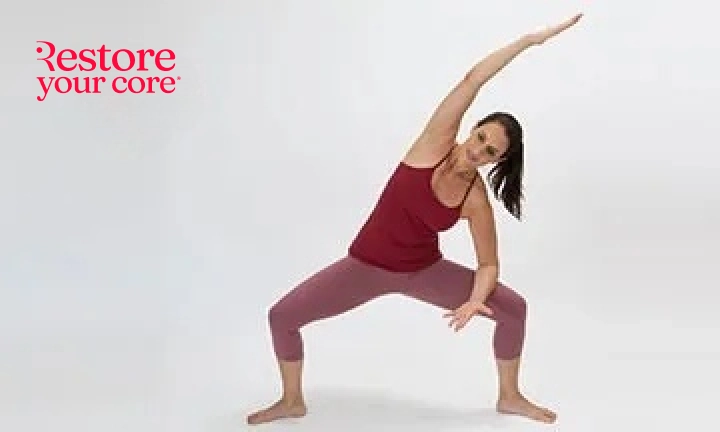

Pelvic Floor Stretches | 6 Quick Ways To Relax Your Pelvic Floor Muscles

Persistent pelvic floor pain can be difficult to endure.
Pelvic floor dysfunction symptoms can range between hyperactivity (overactive pelvic floor muscles) to pelvic organ prolapse. The result of both cases can lead to painful and embarrassing symptoms for both men and women. In this article, I will address exercises and stretches that help relieve painful symptoms and aid in restoring pelvic floor and core function. To be clear, stretching is just one type of input into the pelvic floor system and is not the only thing you should do for a tight / tense pelvic floor.
Downtraining your pelvic floor will require a variety of loads and inputs, stretching is one important one.
Start your healing today with this free workout
Table of Contents
What are the Symptoms of Tight Pelvic Floor Muscles?
When addressing tight pelvic floor muscles or pelvic floor pain, there are a few symptoms that are common between men and women suffering from pelvic organ prolapse or a weakened pelvic floor. These can include symptoms such as:
- Rectal pain
- Vaginal pain
- Penile pain
- Testicular pain
- Labia pain
- Pelvic pain
- Lower back pain
- Pain during intercourse
- Difficulty with bowel movements
- Painful orgasms
- Abdominal pain
- Pain while urinating
- Incontinence
- Constipation
Dealing with these symptoms can be embarrassing, and prolonged suffering can result in a host of other issues. The goal with movement programs like Restore Your Core, is to help you overcome these painful symptoms while encouraging proper core and pelvic floor engagement on a daily basis. Below are a few of the techniques, exercises, and stretches I teach my clients in my program.
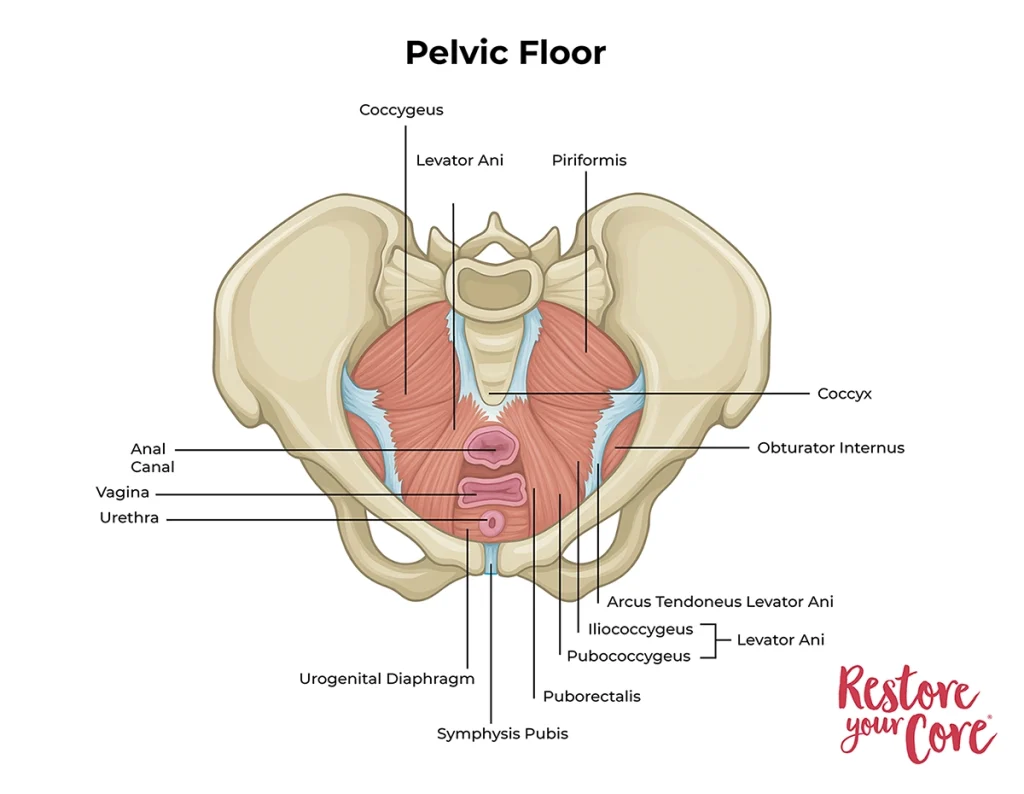
How Do You Stretch Pelvic Muscles?
There are several ways you can properly stretch and engage your pelvic floor in order to reduce pelvic floor tension . One of the most beneficial and important techniques that I teach my clients is 3-D breathing – a pattern of breathing that uses the rib cage expansion rather than belly expansion for an effective and efficient strategy.
One of the key elements in resolving pelvic floor dysfunction and POP is breathing mechanics. In Restore Your Core®, I spend a significant amount of time teaching my clients proper breathing mechanics. Often, people don’t realize the way they breathe impacts the integrity of their core and pelvic floor. Yet, most of us do not even realize that we can fall into improper breathing patterns.
Most people are belly breathers. This means that while inhaling, they’re extending their abdomen – focusing the tension in their belly. An Illustration of this would look like filling an oval-shaped balloon with water and squeezing the top, creating a bulge. The exact same thing happens when you belly breathe. Bulging your gut strains your core and pelvic floor by increasing intra-abdominal pressure. This tends to cause muscle and organ damage in those regions. Our pelvic floor is not designed to handle a lot of consistent pressure and stress.
I spend a lot of my time with clients, training them to 3-D breathe. 3-D breathing trains you to engage your diaphragm and rib cage while breathing. This means that instead of your belly extending as you inhale, your rib cage expands. Breathing in this manner reduces pressure in your core and pelvic region. Additionally, this technique encourages proper core response and engagement in your daily activities. Now that you understand proper breathing mechanics, it is time to learn how to properly stretch and exercise your core and pelvic floor.
Try 18 minutes of healing, nourishing movement – the RYC® way
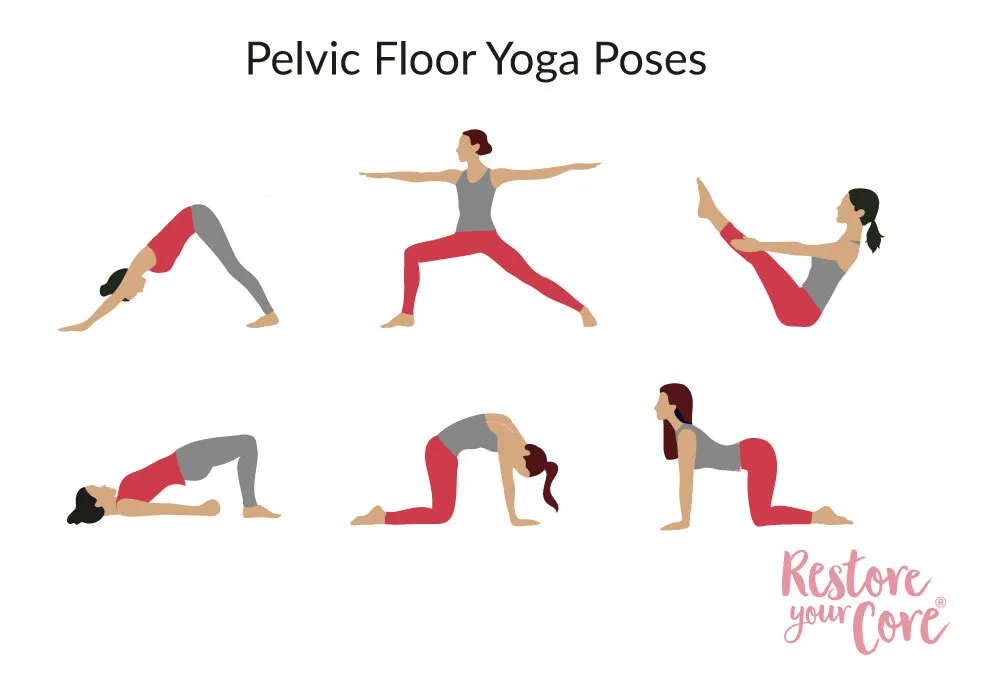
Pelvic Floor Stretches: Evidence-Based Exercises for Relief and Relaxation
Supine Pelvic Floor Stretch:
Lying on your back, keep your knees bent and bring them toward your chest. Slowly extend your knees to the side to stretch the inner groin. Relax your pelvic floor and butt. Remain in this position for 5 to 10 breaths and relax.
Supported Slight Backbend Pelvic Stretch:
This is a fantastic pelvic stretcher. Using a pillow or bolster of some kind, gently lower your back to rest on top of the pillow. Once in position, slowly bring your feet together so the soles of your feet are touching. Keep your knees bent, but gently allow them to open sideways. If you feel any discomfort at all in your back or inner thighs, you can use pillows for further support or get rid of the bolster. Relax after 30 seconds or more (roughly 15 to 20 breaths)
Supported Pelvic Squat:
This stretch is an incredible hip and pelvis stretch. Grab a low stool or a stack of books and with your feet spread wide and toes pointed out sideways, gradually extend your buttocks and lower yourself to the blocks. If you are struggling to balance yourself, it may be helpful to use a wall for back support. It is important that if you experience any discomfort during these stretches that you reposition yourself until you can firmly plant your feet and bend without pain. Stay in a squatted position for close to 30 seconds (5-10 deep breaths), stand back up, relax, and repeat several times. Please note, that for some people with prolapse – a deep squat can really irritate and aggravate things due to bearing down, so be sure to only do this one if you feel comfortable that you are not bearing down in a low squat.
Yoga for Pelvic Floor Muscle Relaxation
Legs up the wall:
This exercise offers a lot of people relief from their symptoms and it is a great way to downtrain the pelvic floor. I always teach this with a block / pillows / blankets under the hips for elevation. The elevation is pretty key so be sure to get your hips on something. Elevate your hips and simply bring your legs up a wall. Move closer or further away from the wall depending on your body and comfort. Stay for 3-4 relaxing breaths and then you have a few options. One is to bend your knees and have the soles of your feet touching while still leaning legs against the wall. Adjust your body to make this more comfortable. No stress or tension in your hips. The other is to simply bend your knees and place the soles of your feet on the floor and relax your pelvis and pelvic floor and finally, option #3 is to open your legs wide and keep them against the wall while straddled. Find the position that best allows you to relax and release. Hold for 5-8 breaths.
Pelvic floor pain can be debilitating; a large number of runners experience some form of pelvic pain and pelvic floor dysfunction. This article outlines the causes of pelvic floor pain after running and recommends effective solutions and preventative measures to maintain pelvic floor health. If you are a professional working with runners, this article contains valuable information to help your clients…
Happy Baby Pose:
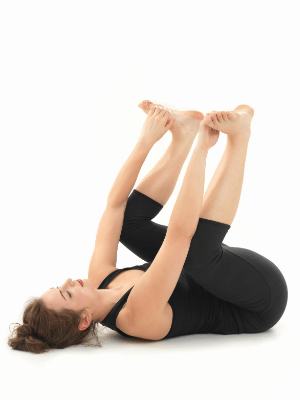
Lie on your back and bend your knees bringing them close to your chest. Grasp the soles of your feet with your arms inside your knees. Open your knees wide carefully, keeping your feet together, and making sure you’re breathing deeply. While in this position, press the soles of your feet into your palms. Relax and repeat 3-4 times. You can also do this with pillows under your hips if you find that you are fighting tight hips here.
Child Pose:
Begin this pose by resting on your hands and knees. Extend your arms slightly in front of you while relaxing your lower body and butt down toward your heels. Gradually lengthen the distance between your knees, but keep your feet together. Hold this position for 30 seconds and breathe restfully.
Access your free workout and start healing your core and pelvic floor today
FAQ
Are pelvic floor stretches safe if I have prolapse or pelvic pain?
Pelvic floor stretches can be supportive when they are matched to how your body is currently organizing pressure and movement. Certain positions, like a supported squat, can feel very different depending on whether you are bearing down or able to stay responsive through your core. For some people with prolapse, that downward pressure shows up quickly in deeper positions, so the shape itself may need to be adjusted or skipped. The experience of the stretch tends to guide what is appropriate, especially when the goal is to allow the pelvic floor to release rather than brace.
How often should you do pelvic floor stretches to see results?
Pelvic floor stretches tend to work best when they are practiced consistently enough for your body to recognize them as familiar input. That might look like moving through one or two of the positions most days, or revisiting them a few times a week while paying attention to how your breath and body respond. When each stretch is paired with breath and positioning, the focus shifts from repetition to building coordination over time.
Why does breathing matter when stretching the pelvic floor?
Breathing shapes the pressure environment that your pelvic floor responds to. 3-D breathing is described as a way of expanding through the rib cage so the diaphragm and pelvic floor can move together, creating a more regulated pressure system. When the breath pattern shifts toward pushing outward through the belly, pressure tends to move downward into the pelvic floor, which can change how those tissues behave during both movement and rest. Inside Restore Your Core®, this relationship between breath, pressure, and movement is practiced continuously, so the stretches are experienced as part of a coordinated system rather than something done in isolation.
What should I do if a pelvic floor stretch feels uncomfortable or painful?
If a stretch feels uncomfortable or painful, it often means the body is meeting more range or load than it can currently organize. Adjusting the setup, using support, or reducing the depth can help the body receive the position with less guarding. If the discomfort continues, feels sharp, or lingers, it’s best to come out of the stretch and seek guidance from a qualified professional.
Can stretching fix a tight or overactive pelvic floor?
Stretching can influence how a tight or overactive pelvic floor feels, particularly when there is a sense of gripping, holding, or limited mobility in the hips and surrounding tissues, and many people do notice a temporary sense of relief or increased ease after stretching.
At the same time, the pelvic floor is constantly responding to breath, pressure, and how the rest of the body organizes movement, so lasting change tends to come from how these elements work together. For example, if breathing patterns are directing pressure downward, or if the body is relying on gripping strategies for stability, the pelvic floor will continue to respond to that input even when it is being stretched regularly.
In Restore Your Core®, stretching is part of the picture, and it’s woven into a broader approach that includes how you breathe, how you move, and how pressure is managed through the system, so the pelvic floor can begin to shift its tone in a way that feels more responsive and less effortful over time.
What helps release a hypertonic pelvic floor?
A hypertonic pelvic floor often reflects a pattern of holding, where the tissues have less access to lengthening and yielding. Release tends to come from a combination of breath, movement, and nervous system support, giving the body multiple opportunities to experience release across different contexts. Within a structured progression like Restore Your Core®, exercises are built on a foundation of breath that allows the pelvic floor to move through its full range of motion while also addressing the underlying tension patterns that keep it stuck.
How long does it take to relax the pelvic floor muscles?
The timeline tends to reflect how long patterns of tension and pressure have been present, along with how consistently the body is given new input. Some people notice an early sense of relief in positions that reduce load, while other changes develop gradually as breathing and movement patterns evolve.
How do I stretch my pelvic floor?
The pelvic floor responds well to positions that allow it to lengthen – think supported squats, happy baby pose, supine inner groin stretches, and legs-up-the-wall with hips elevated. What makes the difference is breathing – the real mechanism. When you breathe with genuine rib cage expansion, your diaphragm and pelvic floor move together in a natural, coordinated rhythm that encourages real release.
How do I stretch my pelvic floor muscles when they feel constantly tight?
A persistently tight pelvic floor is often about how your nervous system is organizing tension throughout the body. That’s why stretching – while genuinely helpful – works best as part of a broader approach that also addresses breathing patterns, pressure management, and how you move day-to-day. Positions like the supported squat, child’s pose, or legs up the wall can create space for the pelvic floor to release, especially when done slowly and with attention to breath. If tightness has been ongoing and isn’t responding to stretching, it may be worth exploring a program like Restore Your Core® that addresses the underlying coordination patterns.
What's the best way to stretch your pelvic floor at home?
Most effective pelvic floor stretches require just floor space, a pillow or two, and a few minutes of unhurried attention. Positions that open the inner groin and hips – like a supported reclined butterfly, happy baby, or a gentle squat – are among the most accessible and widely used. The key is pairing each position with a relaxed, expansive breath rather than holding tension through the body while you stretch. Working within your own comfort, using props generously, and giving your nervous system time to settle into each position tends to produce more real release than pushing deeper into a stretch ever would.
How do you know if your pelvic floor needs stretching rather than strengthening?
This is one of the most common sources of confusion in pelvic floor care, and it matters because the two approaches have different effects. A pelvic floor that’s overactive or hypertonic – holding too much tension – generally needs opportunities to release and lengthen, and stretching combined with relaxed breathing is a useful starting point. A pelvic floor that’s underactive or lacking coordination may benefit more from load and movement integration. The tricky part is that these two patterns can look similar on the surface – both can cause leaking, discomfort, or a sense of disconnection. If you’re unsure which applies to you, a pelvic floor physical therapist can assess your specific presentation.
Top articles
“There is no thank you big enough for Lauren Ohayon existing and thinking and helping so many of us. Every time I do something I never thought I’d do again she is part of the reason why.”
Laura Gregg
Strengthen, heal & nourish your pelvic floor & core
Try a FREE workout
with Lauren
*10K+ women healed and healing
Thank you!
Your FREE video is on the way
Please check your email inbox in a few minutes.
Related articles
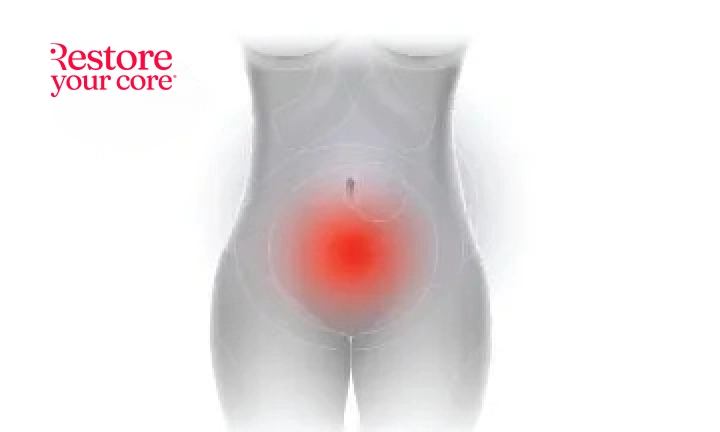
If you are experiencing pain in the region below your navel and in the deeper tissues around your hips and above your thighs, you may be experiencing pelvic floor pain....

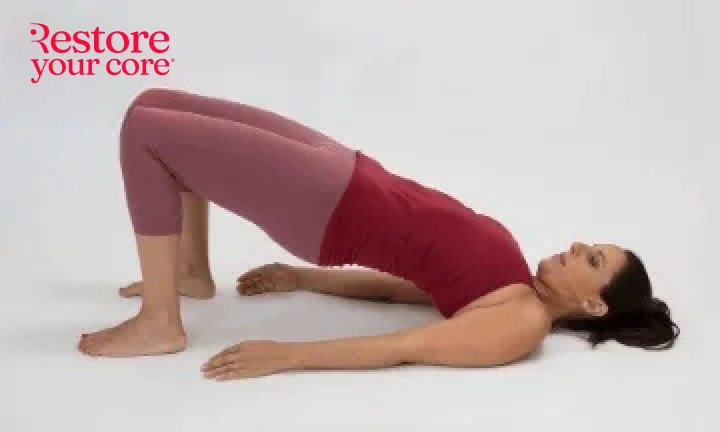
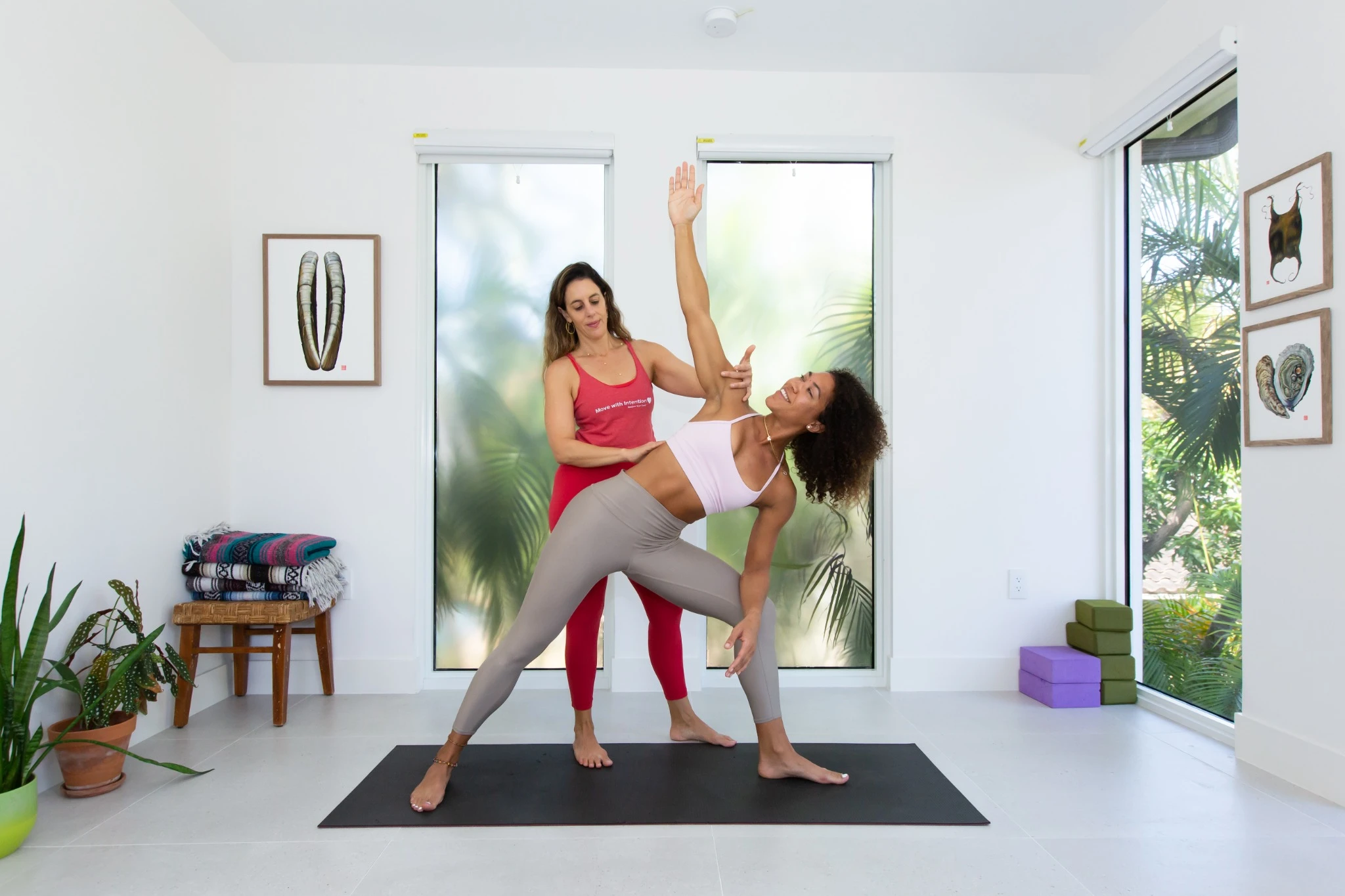
Pelvic floor muscle exercises are often very diverse and provide a variety of information regarding the styles and methods you should pursue when seeking to build pelvic floor strength. Some...
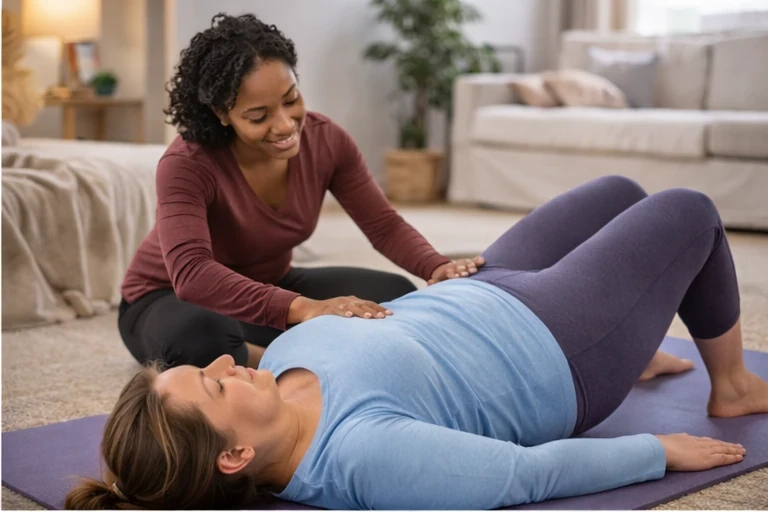
Pelvic floor repair surgery is the most common surgery for pelvic organ prolapse. Pelvic floor repair is a broad term used to classify a variety of simple, surgical procedures for...



Pelvic floor pain can be debilitating; a large number of runners experience some form of pelvic pain and pelvic floor dysfunction. This article outlines the causes of pelvic floor pain...

Your pelvic floor muscles play an important part for many bodily functions, including sexual health and orgasms. In this article, I’m debunking common myths about your pelvic floor and highlighting...
Enjoy a free, pelvic-floor & core healing whole-body workout today
Get more actionable info, inspiration and exclusive offers delivered to your inbox.
*No spam, just quality content and support
Thanks for subscribing!

inbox soon.
Thanks for subscribing!
Please check your inbox soon.

Strengthen, heal & nourish your pelvic floor & core
Try a FREE workout
with Lauren
*10K+ women healed and healing
Thank you!
Your FREE video is on the way
Please check your email inbox in a few minutes.