What does Diastasis Recti mean?
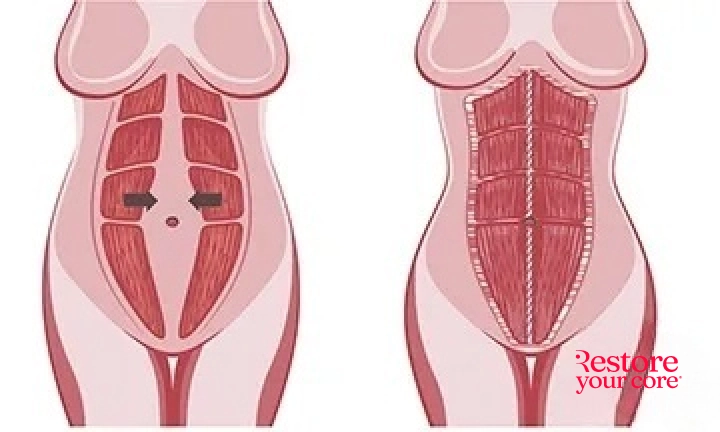
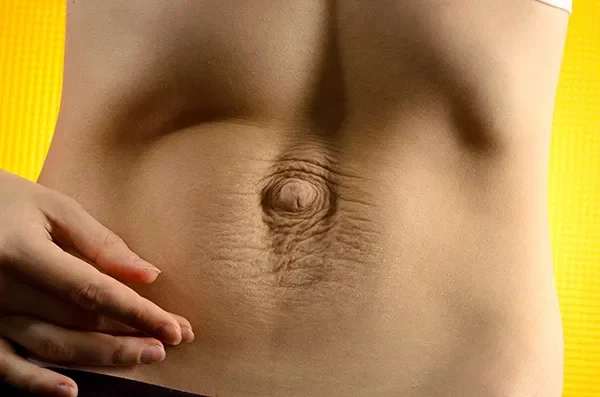
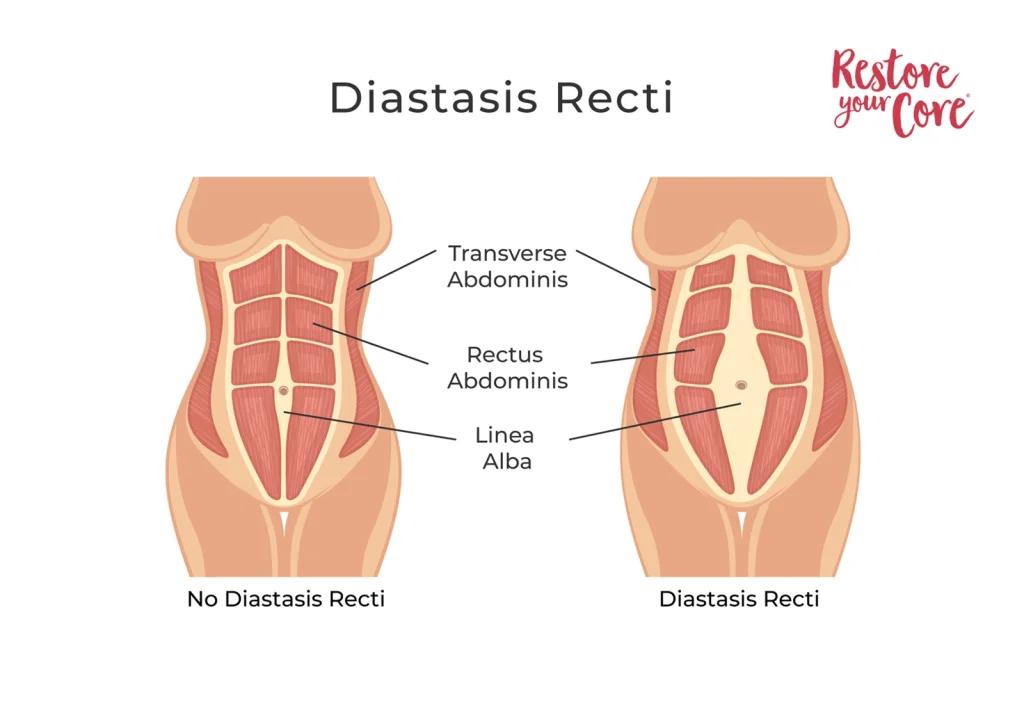
Diastasis recti, or abdominal separation, is essentially a gradual stretching and separation of the abdominal muscles in your belly. The connective tissue (linea alba) that runs down the center of your abdominal muscles becomes overly stretched and thins, creating a separation along the midline of your abdomen.
The widening of this connective tissue creates a gap between the left and right sides of the abdominal muscles, also known as the “six-pack”. This separation can lead to a protruding belly and weakened core, affecting both the appearance and function of your abs. It can also contribute to back pain and urinary stress incontinence.
The strain placed on your abdominal muscles while pregnant, to accommodate your growing baby, can cause the connective tissues to stretch beyond their usual limits. While this is a natural process, the gap doesn’t always close, and this can have a real impact — not just on the physical front but also on how you perceive your body. It’s about recognizing the changes, embracing the process, and, most importantly, finding effective ways to restore your core function.
Understanding diastasis recti is the first step toward healing. Restore Your Core® is here to guide you through this journey with empathy, providing the tools and support needed to reclaim strength and confidence in your body.
Is Diastasis Recti Fixable?
If you have recently been diagnosed with diastasis recti, it is common to feel stressed and overwhelmed by all of the information out there. In this article, we hope to answer your most pressing questions.
The word “fix” is a bit tricky. We live in a very “fix” oriented society. While the desire to find healing is completely understandable, it is important to remove ourselves from the “I am broken and need fixing” mindset to “I am strong already and can really optimize my core.” It’s also important to note that a diastasis recti can be present, and your core can still be totally functional. Meaning that a hyperfocus on the gap can detract us from the real work.
Diastasis recti is not always a permanent condition and can often be healed through strategic core rehab. It does take time, and it will require hard work and dedication on your end, but it is usually possible to close the gap. Diastasis recti is still being researched, and as stated above, recent studies have shown that the focus for diastasis healing should revolve around restoring core function rather than closing the gap entirely as sometimes it is not possible to completely close a gap, and this is considered normal.
Identifying The Severity of the Diastasis Recti
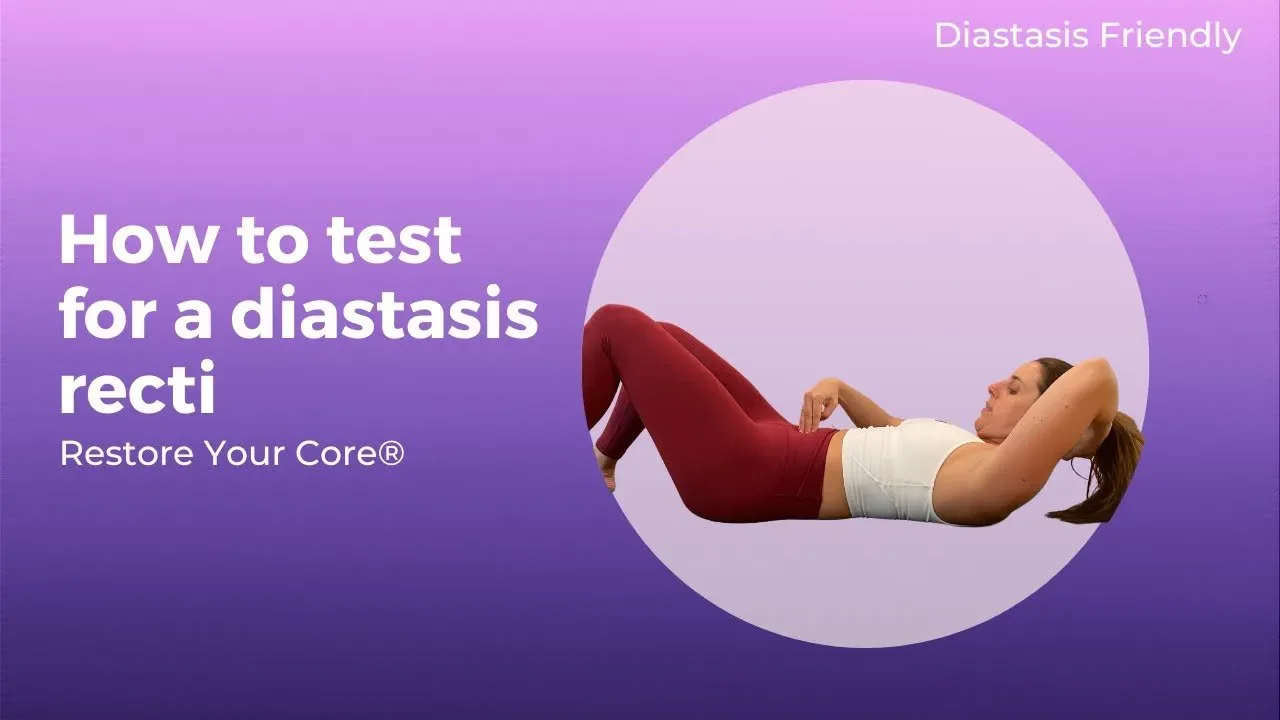
Although we would recommend having a professional diagnose you, there is a self-test you can perform at home to help you determine whether or not you may have a diastasis recti.
A self-assessment can be performed as follows:
- Lie on your back in a comfortable position. Bend your knees and place your feet flat on the floor.
- Place one hand on the midline of your core with your fingers pointing straight down over your belly button.
- Place the other hand under your head and neck for support.
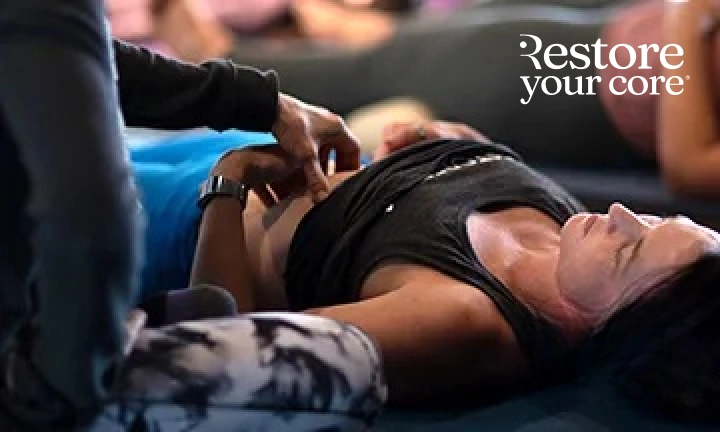
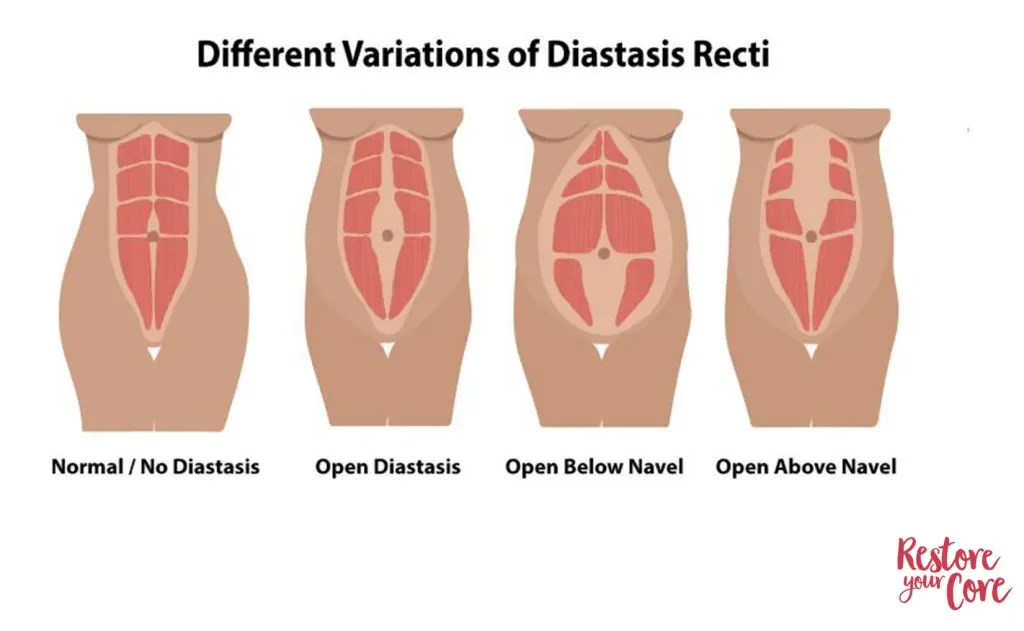
- Slowly lift your head and add minimal pressure to your fingers placed on your core. With no diastasis recti, there is the feeling of a toned wall as you lift your head up. If you feel a gap or your fingers sink into your core, you likely have diastasis recti. In very obvious cases, you can feel the sides of your core muscles on either side of the gap..
- Repeat the process for the areas above and below your belly button to determine whether or not the diastasis recti is isolated or in your core as a whole.
- A gap that is only one or two finger widths wide might not be a big concern unless it is deep (1“ or 2.5 centimeters or more). If you discover a gap that is more than 1” deep or more than 2 fingers wide, you should definitely consult a Physical Therapist or Occupational Therapist.
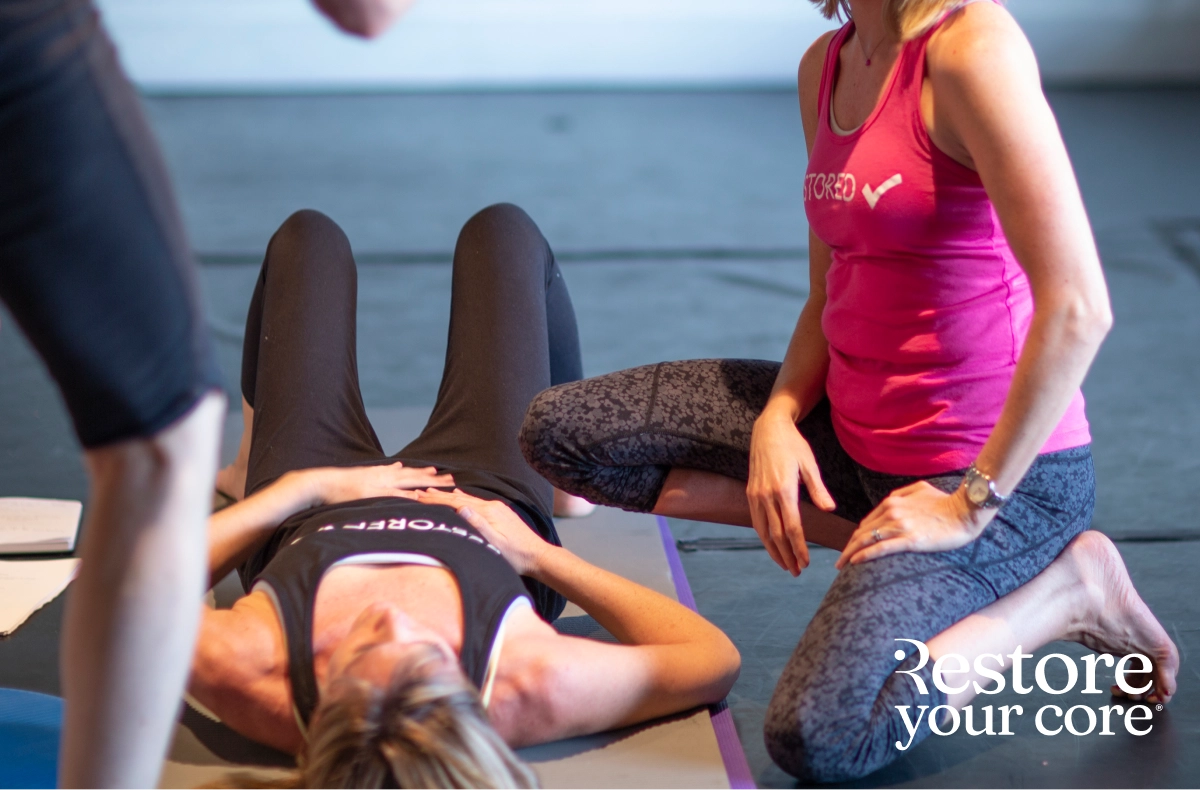
If a self-test determines that you may have a diastasis recti, make an appointment with a Physical Therapist to assess further. They will be helpful in deciding what your next steps may be and how to begin your healing journey.
Do not perform this test on yourself before 8 weeks postpartum. There is so much automatic healing taking place in your body during those first 8 weeks after your baby is born; testing before then can give you a false result. Diastasis recti is normal immediately after pregnancy, so make sure you give your body a chance to heal itself first before you start prodding around.
When you do assess yourself, try to avoid common mistakes like lifting your head too far off the floor. If you lift your head too high, your abdominal muscles engage and draw closer together. This can make you think that you don’t have a gap or that your gap is much smaller than it actually is.
How to Prevent/Fix Diastasis Recti
Diastasis recti is an extremely common occurrence during and after pregnancy, it only becomes an issue if the diastasis recti doesn’t close on its own in the weeks and months after delivery. Preventing diastasis recti is tricky because everyone who carries to term will have it to some degree, so prevention is not the focus, but prehab exercises during pregnancy can help.
Many methods of prehab involve postural awareness, corrective exercises, and a conscious prehab approach during pregnancy. This helps to balance intra-abdominal pressure in order not to exacerbate the diastasis recti.
The term “fix” simplifies the process, it’s essential to understand that recovery is a gradual journey once diastasis recti is diagnosed. Exercises that focus on strengthening the core, pelvic floor, and overall body alignment are best for sustainable and effective healing.
We want to help you avoid making common mistakes while exercising; it’s important to avoid high-intensity exercises and adopt mindful movements. Shortcuts can be problematic and delay your healing instead of speeding things up.
Common diastasis recti myth: “A toned, slim abdomen is the primary goal of healing”
This just isn’t true! Many athletes and bodybuilders have diastasis recti, as do lots of people with flat bellies. Your end goal shouldn’t be a flat belly with washboard abs (and it’s totally ok to want that) but to have a functional core that can support your body effectively.
Patience and consistency might not sound exciting, but they are crucial for your recovery. Professional guidance, coupled with a commitment to your healing journey, forms the foundation for reclaiming strength, mobility, and confidence post-diastasis recti. Remember, the goal is not just healing but creating a resilient and empowered relationship with your body.
There are several things to keep in mind when trying to heal a diastasis recti, regardless of whether you are male or female, pregnant or not:
- Understanding ideal core strategy
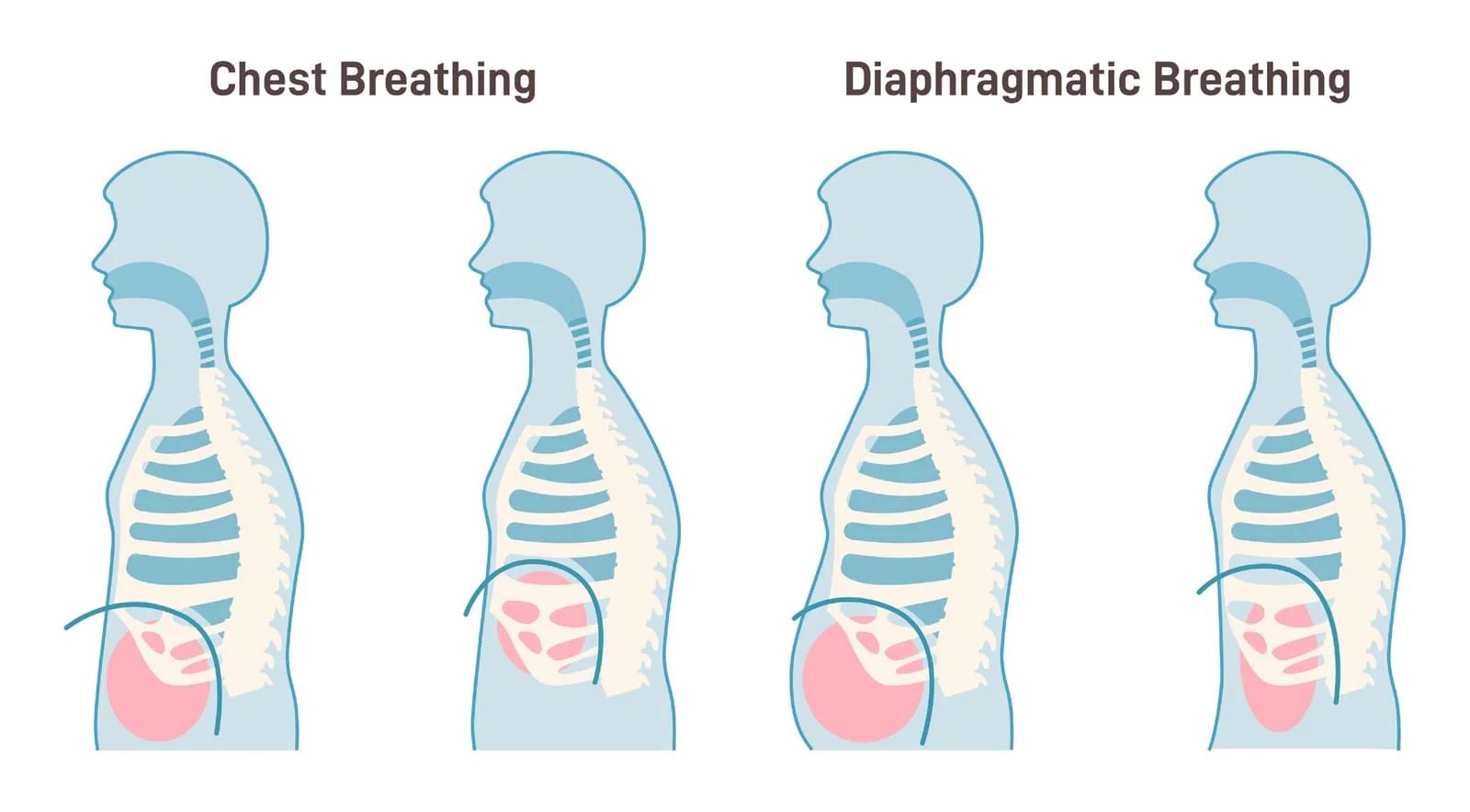
- Practicing optimal breathing patterns
- As you go about your day, make sure your abdominal muscles are relaxed and free of excessive tension; avoid pulling your belly in as this is not optimal core engagement
- Avoiding exercises that increase intra-abdominal pressure.
- Considering your postural patterns
Diastasis recti is common and a natural occurrence during pregnancy, but it’s important to understand how to better recruit your core while still staying active. The key is to be aware of your body’s abilities and how to increase your functionality and build strength in a conscious and mindful way.
Find out more about how to heal your diastasis recti and optimal core function with our 12-week program – Restore Your Core®
7 Exercises for DR Recovery
Below is a list of diastasis recti exercises that I have found to help heal Diastasis Recti.
Candles/Core Engagement:
- Lie on your back with your knees bent and feet flat on the floor.
- Inhale deeply through your nose, expanding the ribs..
- Exhale slowly through your mouth, imagining you’re blowing out 100 candles on a birthday cake.
- Focus on making the exhale longer than the inhale, promoting relaxation and feeling your core respond..
- Repeat the inhale-exhale cycle for several breaths.
This can and should be practiced whenever working out and managing a load, a weight, or a core move. This helps the core to be reflexive and promotes optimal engagement as your core responds to your breathing.
Modified Reverse Marching:
- Lie on your back with your knees bent and feet flat on the floor.
- Find a neutral pelvis with the natural curve of the lumbar spine intact.
- Practice candles breath in this position, feeling your core respond to the exhale.
- When you feel ready, begin to exhale and lift one foot off the floor, bringing the bent knee towards the chest until the shin is parallel to the floor.
- Place the foot back on the floor and alternate with the other leg.
- Always start by exhaling to recruit the core.
- Repeat 6-8 times per leg
Make sure to be aware if your belly bulges. Your core (belly) should not bulge, brace or push out as you do these exercises. If it does, you aren’t recruiting the deep core muscles and need to go through the steps again.
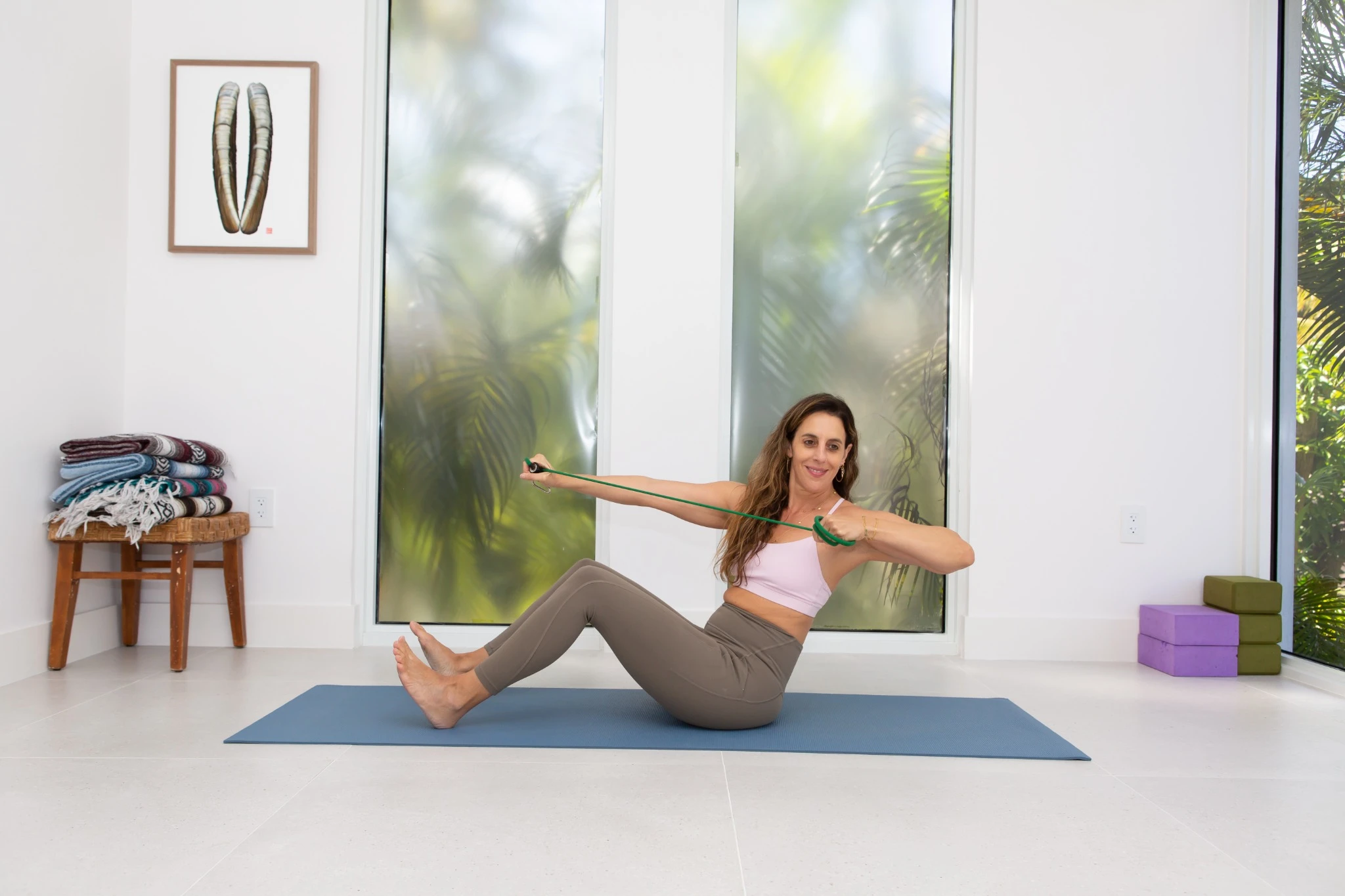
Seated Side Bend:
- Sit comfortably – Possibly on a block or some pillows.
- Hold a yoga strap or belt overhead.
- Bend your elbows slightly to take the stress off of your neck and shoulders.
- Exhale, blow candles, feel your core draw in and side bend right and then exhale to go left. Your core should not bulge, brace or push out as you do these. These are great for upper body mobility, torso length and strength and are a great way to work your core without strain.
Triangle:
- Stand with your feet wide and toes pointing out 45 degrees (at 1 o’clock and 11 o’clock)
- Extend your arms out to the sides, parallel to the floor, with palms facing down.
- Turn your right foot out 90 degrees, pointing your toes to the short edge of your mat.
- Begin candles breath and when you Inhale, hinge your torso to the right directly over the right leg.
- Keep your waist straight, and avoid rotating forward or backward.
- Exhale and extend your right hand down, either placing it on the shin, ankle, or on a block outside the right foot.
- Extend your left arm upward, reaching towards the ceiling. Your gaze can be directed either at your left thumb or straight ahead.
- Hold the pose for 30 seconds to 1 minute, every exhale is an opportunity to connect to the core.
- Repeat on the other side.
Goddess Squat Twist:
- Stand with your feet wide and toes pointing out at 45 degrees. (at 1 o’clock and 11 o’clock)
- Cross your arms over your chest.
- Begin candles exhale and bend your knees slowly until they are stacked over your ribs.
- Stabilize your body by pressing your heels into the floor.
- While in the goddess position, twist by using your ribcage and not your arms.
- Repeat side twists 4x and return to a standing position
Lunge with a Twist and Chop:
- Practice lunging.
- As you bring one leg forward–all while maintaining correct posture–lift your hands, palms crossed, in front of your face.
- Then slowly begin to twist toward your forward leg.
- As you twist toward your forward leg, bring your arms across your thigh in a chopping motion.
Modified Bird Dog:
- Start on your hands and knees in a tabletop position. Your wrists should be directly under your shoulders and your knees under your hips.
- Keep your spine in a neutral position, don’t tuck your pelvis under.
- Begin with the candles breath feeling your core respond and lift and extend your right leg straight back, reaching it behind you.
- Don’t let your body shift to the side. Keep your toes pointing down toward the floor, extending your heel away from your head and your head away from your heel, creating length in your spine.
- Hold the extended position for a moment, focusing on your breath; every candles exhale is an opportunity to connect with the core.
- Repeat on the other side. Repeat 6-8 times on each side.
When you feel ready and can feel your core working, you can progress to adding the opposite arm.
- When the right leg is extended, reach your left arm straight forward. Aim to have your arm in line with your head, reaching the hand away from your heel.
- Hold the extended position for a moment, focusing on your breath. Remember, every candles exhale is an opportunity to connect with the core.
- Hold for a few breath cycles and gently lower your right leg and left arm.
- Perform the same sequence with your left leg and right arm. Repeat 4-6 times per side
Although diastasis recti is not completely avoidable in some cases, the exercises above show how to safely strengthen your core while still staying active and avoid common mistakes that can make diastasis recti worse when starting to heal.
Is Surgery For Diastasis Recti a Good Option?
In some more severe cases, surgery is suggested if diastasis recti has not been helped by exercise routines and strength building therapy, and it is stopping you from carrying out day to day activities. However, surgery should be the last option you consider because it only addresses the symptoms of diastasis recti rather than the underlying issue. To heal, you need to address the excess intra abdominal pressure exacerbating the diastasis recti. If you don’t address the intra abdominal pressure, it puts you at greater risk of prolapse. That is why it is so important that you do at least a year of rehab before considering surgery.
If you do have surgery, it’s vital that you actively rehabilitate your muscles both pre and post-surgery to ensure the best possible outcome. Diastasis recti surgery is very invasive, and it may not be covered by your insurance due to it being considered a cosmetic surgery (abdominoplasty or “tummy tuck”). The recovery process can also take several months to a year, depending on the severity of your diastasis recti and the extent of the surgery. All surgery comes with risks and diastasis recti surgery is no different, these include:
- Dehiscence (when your incision comes apart before it has properly healed).
- Infection of your incision
- Seroma (fluid forming under your incision)
- Scarring
- Numbness/Loss of sensation etc
Before embarking on your surgical procedure, please consider taking a program like Restore Your Core® – find out more about our 12-week online program here.
FAQ
Diastasis recti, or abdominal separation, is the gradual stretching and separation of abdominal muscles, specifically the connective tissue (linea alba) down the center of the abdomen. This separation can lead to a protruding belly, weakened core, and may contribute to back pain and urinary stress incontinence, especially common after pregnancy.
While the term “fix” may oversimplify the process, diastasis recti is often treatable through strategic core rehab. It’s essential to shift from a mindset of being broken to optimizing core strength. Healing is gradual, and recent studies emphasize restoring core function rather than solely closing the gap, acknowledging that some gaps may not fully close.
Perform a self-assessment by following the instructions detailed here. Whilst the self-test is essentially very simple (lying on your back, lifting your head, and feeling for a gap or sinking in the core), there are a few common mistakes to try to avoid. Consulting a professional is recommended for accurate diagnosis. Gaps of more than 1” depth or 2 fingers wide may warrant professional assessment.
Preventing diastasis recti during and after pregnancy involves prehab exercises, postural awareness, and mindful movements. Recovery emphasizes gradual exercises focusing on core, pelvic floor, and body alignment. Patience, consistency, and professional guidance are key.
No, the goal is a functional core, not just a flat belly. Diastasis recti can occur in individuals with various body types. Professional guidance, optimal core strategy, breathing patterns, and mindful movements contribute to effective healing.
Yes, exercises like Candles/Core Engagement, Modified Reverse Marching, Seated Side Bend, Triangle, Goddess Squat Twist, Lunge with a Twist and Chop, and Modified Bird Dog are beneficial. Focus on core engagement, avoiding bulging, and practicing mindful movements.
Surgery is considered in severe cases when exercise and therapy aren’t effective. However, it should be the last option. Surgery addresses symptoms, not the underlying issue. Rehabilitation pre and post-surgery is crucial, and risks include incision complications, infection, seroma, scarring, and numbness/loss of sensation. Active rehabilitation for at least a year before surgery is advisable.
Remember, each individual’s situation is unique, and consulting with a healthcare professional is recommended for personalized guidance.