
Resources
- Breathing and Diastasis Recti: Understanding the Connection and Finding Relief
- Can You Have a Flat Stomach with Diastasis Recti?
- Ab Exercises for Diastasis Recti That Heal, Not Harm
- Can Diastasis Recti Be Fixed Without Surgery? A Pro’s Guide to Non-Surgical Solutions
- How to Choose the Best Diastasis Recti Program?
- Working Out with Diastasis Recti
- How to Fix Diastasis Recti Years Later: A Comprehensive Guide for Long-Term Healing
- Is Diastasis Recti Preventable? | 5 Ways To Prevent Rectus Diastasis
- Before and After: Diastasis Recti
- Can Diastasis Recti Be Fixed Without Surgery?
- Can You Fix Diastasis Recti? Exercise Or Surgery
- What Does Diastasis Recti Look Like?
- Self Testing Diastasis Recti | 4 Simple Ways to Test Yourself
- 5 Exercises for Diastasis Recti to Support Core Healing
- Diastasis Recti Exercises For Men
- Diastasis Recti Surgery | Procedure Overview | Will You Need It?
- Diastasis Recti Symptoms | Stomach, Back Pain, Pelvic Floor Issues

Resources
- Breathing and Diastasis Recti: Understanding the Connection and Finding Relief
- Can You Have a Flat Stomach with Diastasis Recti?
- Ab Exercises for Diastasis Recti That Heal, Not Harm
- Can Diastasis Recti Be Fixed Without Surgery? A Pro’s Guide to Non-Surgical Solutions
- How to Choose the Best Diastasis Recti Program?
- Working Out with Diastasis Recti
- How to Fix Diastasis Recti Years Later: A Comprehensive Guide for Long-Term Healing
- Is Diastasis Recti Preventable? | 5 Ways To Prevent Rectus Diastasis
- Before and After: Diastasis Recti
- Can Diastasis Recti Be Fixed Without Surgery?
- Can You Fix Diastasis Recti? Exercise Or Surgery
- What Does Diastasis Recti Look Like?
- Self Testing Diastasis Recti | 4 Simple Ways to Test Yourself
- 5 Exercises for Diastasis Recti to Support Core Healing
- Diastasis Recti Exercises For Men
- Diastasis Recti Surgery | Procedure Overview | Will You Need It?
- Diastasis Recti Symptoms | Stomach, Back Pain, Pelvic Floor Issues
Diastasis Recti During Pregnancy
4 Min Read
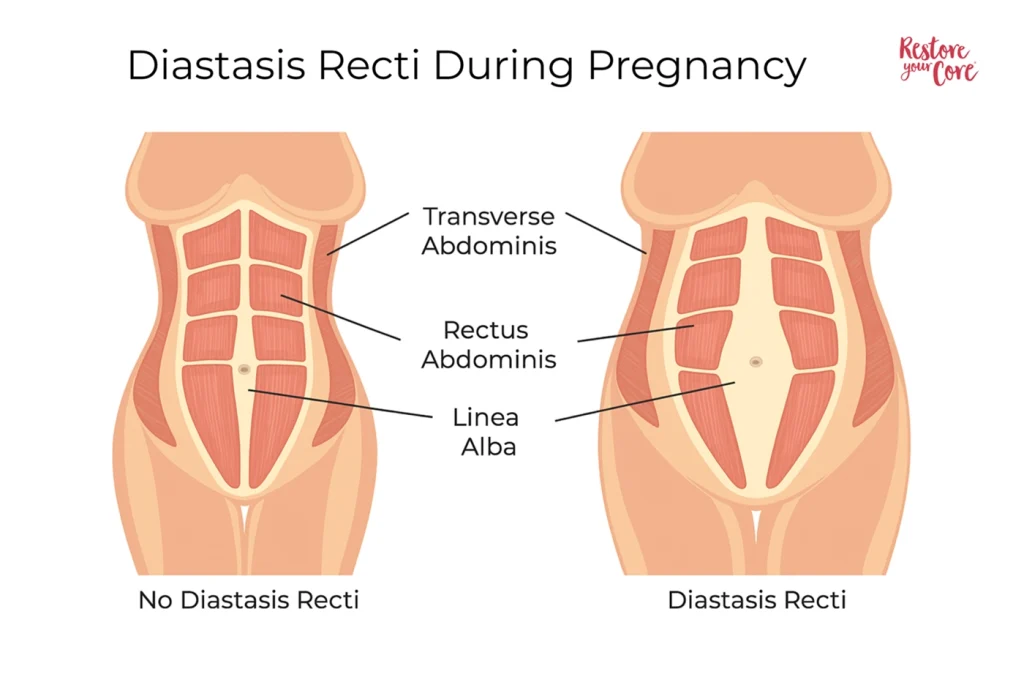
When the abdominals separate like this, the uterus, bowels, and other organs have only a thin band of connective tissue (the linea alba) to hold them in place. Although the muscles tend to return to their natural state, some studies have shown that some women with diastasis recti struggle to close their gap a year postpartum. However, there are many things you can do to help prevent and restore your body from diastasis recti.
Are you looking for safe and restorative exercises to heal from Diastasis Recti?
Learn more about the RYC Program for your postpartum journey!
Are you looking for safe and restorative exercises to heal from Diastasis Recti?
Learn more about the RYC Program for your postpartum journey!
Dos and Don’ts
During your pregnancy there are many things that you should try to practice and others that you should try to avoid. While carrying your little one, whether it is your first time or your fourth, here are a few things to do and not do.
Dos
- Be Careful with Exercise:
We highly encourage exercise and stretching during your pregnancy. It is important to be thoughtful in how you approach various exercise routines while pregnant, as movements like crunches, sit-ups, pushups, press-ups, and front planks can increase strain on the abdominal wall and contribute to further separation. Talk to a specialist or explore supportive approaches that guide you through this phase with more awareness.
- Strengthen Your Transverse Abdominis Muscles:
This can be done through proper breathing techniques. Your transverse abdominal muscles help hold your baby in place and assist you in a vaginal delivery. To learn more about exercises to aid you, click here.
- Correct Your Posture:

Having good posture greatly aids you in limiting the amount of pressure and tension you add to your core during everyday tasks or even while sitting. As you move daily –whether exercising or at work – you will want to practice working functionally with your diastasis recti. Anytime you bend, lift, twist, etc. think about tightening your transverse abdominis muscles. This reduces the strain your child’s added weight places on your linea alba and can also help reduce back and pelvic pain.
- Stretch:
This may go without saying, but as you are moving about and taking on your daily tasks, your muscles will inevitably be strained, sore, or tired at the end of your day. Stretching appropriately and safely can help keep your body functional and reduce and muscles strains or soreness you may be experiencing.
Don’ts
- Strain Yourself:
While lifting heavy objects be sure to implement correct posture and be mindful of your core. You should avoid doing any exercises or activities that may negatively strain your core. This can involve the way in which you stand or sit, your bowel movements, and/or any exercises that would normally be okay. Especially when getting out of bed. Try to roll onto your side when rising from a laying down position in order to take the strain off of your linea alba.
- Exercises That Add Tension to Your Core Muscles:
Many exercises to avoid during your pregnancy include exercises such as:loaded spinal flexion (crunches), sit-ups, and push-ups. A lot of exercises that are high intensity are likely best avoided as well.
- Exercises to Avoid
There are several daily motions and exercises that someone with diastasis recti should avoid. If you have diastasis recti or abdominal separation, you want to avoid adding any additional pressure to your midline. A few exercises of motions to avoid if you have diastasis rect
- Most Crunches or Sit-Ups
- Full Push Ups (they can strain the abdominal muscles)
- Any exercises that could cause your core wall to bulge.
Helpful Diastasis Recti Care Tips
During Pregnancy
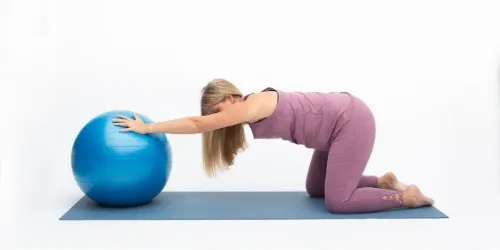
Prehab
One of the best things you can do during pregnancy is prehab. I have many long term clients who were able to prevent their diastasis recti from returning with subsequent pregnancies by working their core in a smart, functional way the entirety of their pregnancy. Many report that their core felt stronger than ever with the prehab work that they did. Pregnancy is not an illness, there is no need to halt all exercise. We do, however, want to make good exercise choices. It is very important to exercise your core during pregnancy but not to increase intra ab pressure as you do so.
A prehab approach can help prepare your body for the unique demands of pregnancy, birth, and recovery. It brings together functional exercise, strength training, posture and alignment work, along with educational tools so you can better understand what your body is navigating and move through your pregnancy with more ease.
Postpartum
Diastasis recti is often more apparent postpartum. I usually recommend waiting at least 6 to 12 weeks before checking for a diastasis recti. Here are a few tips that can help prevent and/or heal a diastasis recti.
Rest
If I could have a dollar for every mom who wished she had rested more in order to spare herself injury. Rest is so important for healing your body postpartum and ensuring that you do not damage your core and your pelvic floor. We recommend getting back into exercise at least 6 weeks postpartum, but even then, easing into it is key. The “I want to get my body back” sentiment can be very harmful to a recovering body.
Exercise/Rehab
Once you are cleared for exercise by your medical professional, you want to focus on core building exercises which properly strengthen your core without aiding in diastasis recti development. My program Restore Your Core® is designed for any woman with core issues such as: postpartum issues, diastasis recti, incontinence, and constant back pain.

Restore Your Core® is designed so that you can use helpful and intelligent core building strategies not only during exercise, but in everyday motion. I help you approach healing and restoring your body in a personal way. I challenge you to train your whole body to move correctly in order to get you stronger and heal properly.
If you have diastasis recti, avoid flat belly programs and focus on function over form. The purpose of these exercises is to strengthen and rebuild your core. Find comfortable movements that prevent your stomach from pushing out and practice proper breathing techniques. The goal is for healing and function–not aesthetics.