Lauren Ohayon is the creator of Restore Your Core® (RYC®), a comprehensive and sustainable whole-body fitness program that empowers women to achieve ideal pelvic floor / core function and be strong, long, mobile and functional.
Pelvic floor pain can be debilitating; a large number of runners experience some form of pelvic pain and pelvic floor dysfunction. This article outlines the causes of pelvic floor pain after running and recommends effective solutions and preventative measures to maintain pelvic floor health. If you are a professional working with runners, this article contains valuable information to help your clients…
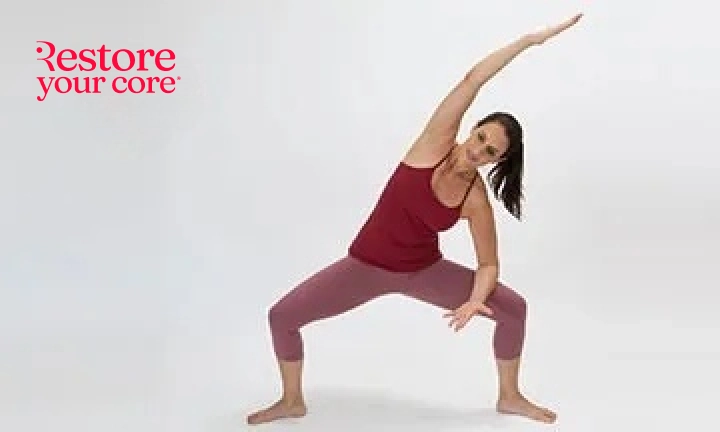
Start your healing today with this free workout
One recent study in Spain found that 42% of female athletes experienced pelvic pain. The number of runners who suffer other kinds of pelvic floor dysfunction is similarly high. As a professional, you understand that addressing pelvic floor pain and dysfunction is crucial.
There are numerous reasons why runners may experience pelvic pain, including serious issues like labral tears or osteitis pubis. More commonly, runners are prone to pelvic floor hypertonicity and muscular imbalances, both of which can aggravate symptoms. Common forms of pelvic floor dysfunction include:
Runners who have given birth are at the highest risk of pelvic floor dysfunction, but it is important to note that pelvic floor issues are common among runners of all genders and anatomies.
Try 18 minutes of healing, nourishing movement – the RYC® way
The ground reaction force of running is approximately 2.4 to 3.9 times body weight. The pelvic floor is designed to respond to increases in load by both concentrically contracting on the strike phase of running and eccentrically contracting as the runner lifts off. For runners whose pelvic floor does not counteract the ground forces sufficiently, symptoms of pelvic floor dysfunction can become evident.
Pre-existing pelvic floor muscle weakness can also lead to pain after running. Most pelvic floor weakness in runners stems from overly tense pelvic floor muscles; the repetitive response to the impact of running causes runners to tighten their pelvic floor muscles excessively. If those muscles do not then relax, they become chronically over-active.
Overactive pelvic floor muscles can cause pelvic pain after running by not allowing the pelvic floor to respond appropriately to other loads–for example, a hypertonic pelvic floor is often a factor in constipation because the pelvic floor does not yield enough to allow stool to pass easily.
Improper running technique can contribute to pelvic floor pain by repeating the same series of mechanical errors at high volume. Common errors in running form include:
The effects of overtraining and insufficient recovery on the pelvic floor are similar to the effects of overtraining on any other body part. However, the pelvic floor also frequently responds to emotional stress and tension. If your client’s overtraining coincides with an emotional issue, their pelvic floor may need attention.
Connective tissue disorders like hypermobile Ehlers-Danlos syndrome can contribute to pelvic floor laxity. In these cases, the pelvic floor muscles do not have the ability to generate or maintain sufficient tension to effectivly respond to the physical demand.
Other contributing factors that may impact the pelvic floor include chronic conditions such as constipation, cough, or diastasis recti, as well as injuries elsewhere in the body that lead to compensatory muscle overuse. Age and hormonal changes, particularly the drop in estrogen during perimenopause can affect the elasticity and responsiveness of the tissues in the pelvic floor.
Enjoy a free, pelvic-floor & core healing whole-body workout today
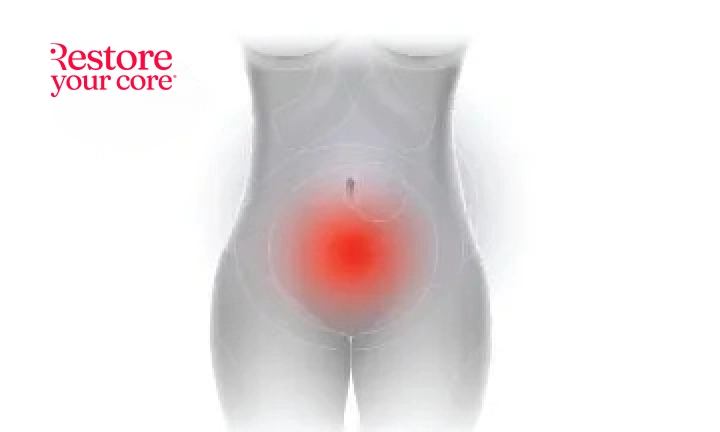
Pelvic floor pain when running can present in multiple ways, ranging from vague discomfort to sharp pain in the pelvis or abdomen; sometimes, the pain manifests in the hamstrings, hips, or glutes. If your client is consistently experiencing this type of pain or discomfort during runs, and you’ve ruled out other causes, the pelvic floor may be the cause of the pain. Additionally, any sort of incontinence or feeling of dragging or heaviness in the pelvic floor is a good reason for your client to seek professional help.
After a run, pelvic pain may feel like tightness, soreness in the pelvic floor, or sensations similar to menstrual cramps. Some runners experience no pain while running but feel discomfort or sharp pains after running. Pain with regular activities, such as sexual intercourse, is also a symptom that should be noted.
There are numerous strategies for addressing pelvic floor pain, ranging from simple stretches to surgical approaches, depending on the cause of the pain.
Anti-inflammatory medications and the application of heat are two easy ways to treat pelvic pain, but these are short-term solutions and may not provide long-term benefits. Stretches such as child’s pose, performed with a focus on simply relaxing the pelvic floor (as opposed to achieving a certain shape), may allow some of the tension to dissipate relatively quickly. In the short term, encourage your client to change their running habits by slowing down their pace and distance and/or changing the terrain they run on.
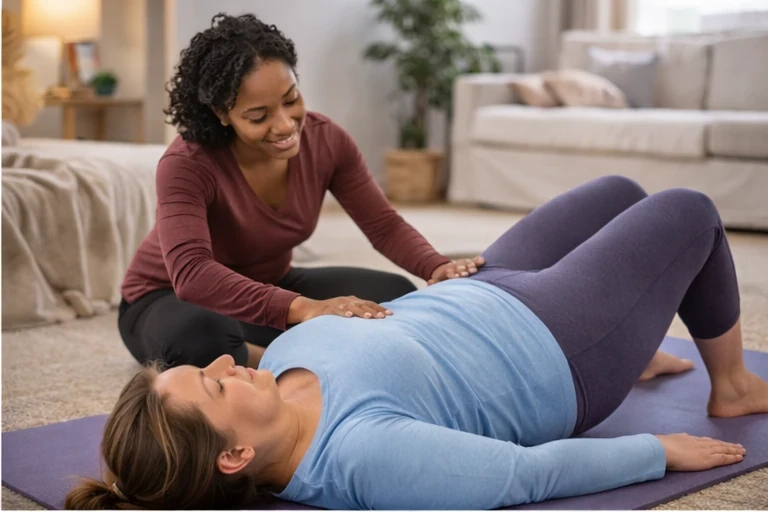
A comprehensive plan to help your clients with pelvic pain includes stretches and exercises that will load the pelvic floor muscles in various ways.
Brief movement sequences like this one can be game-changers for some people. An exercise program like Restore Your Core® may be useful as a way of helping runners to learn better core engagement and breath strategies. For those who prefer a minimal exercise routine, you could begin with bridges, modified squats, practicing three-dimensional breathing, and an exercise to target thoracic rotation like thread the needle
One case study found that gait retraining fully resolved most pelvic floor symptoms. While one case study is insufficient evidence to make a broad claim that all runners with pelvic floor dysfunction can benefit from gait retraining, it is an easy, non-invasive approach to offer to your clients. Some general guidelines:
Using running uphill and walking downhill to maintain cardiovascular intensity can be helpful if your client needs to reduce the duration of their runs–working to push off through the big toe and glutes on the uphill will help reinforce the kind of movement pattern that benefits the pelvic floor. Additional exercises such as plyometrics and single-leg work under load can also help get the pelvic floor muscles to work reflexively.
Your client may need to reduce their training volume and add in time to stretch and relax throughout the week. If they need to significantly reduce their volume or temporarily stop running altogether, you may wish to nudge them toward mental health counseling, as sometimes this kind of change can provoke a loss of sense of self for runners.
The best course of action, if you are not trained in pelvic floor rehabilitation, is to refer out to their physician and/or a pelvic floor physical therapist. PT is the first-line treatment for pelvic floor pain, once other potential causes have been ruled out. Many cases of pelvic pain respond well to PT. Additional treatments may include manual therapies such as massage and trigger point work. Surgical options are usually reserved for cases, such as a severe pelvic organ prolapse, that are unresponsive to PT. And even if surgery is warranted, PT is recommended pre and post-surgery to ensure the best possible outcome.
Your client may need to take additional preventative measures in order to maintain their pelvic floor health. These measures include:
Access your free workout and start healing your core and pelvic floor today
If you work with runners, make sure that you check in with them about how their pelvic floor is doing. You can screen for pelvic floor issues by asking them whether they have pain of any kind after running, where the pain is located, and whether they experience urine or fecal leaking, urgency, or incontinence during runs. If they have a history of injury, pregnancy, or medical conditions that may factor into weak pelvic floor muscles, encourage them to see a pelvic health PT in order to take proactive steps to address and prevent pelvic floor pain.
The “no pain, no gain” philosophy does not apply to the pelvic floor. Help your clients learn to slow down, so they can keep running for longer.
Lower the speed, distance, and overall intensity of your runs to minimize stress on the pelvic floor. Take smaller steps to decrease impact forces on the pelvic area. Incorporate more recovery time between runs to allow your pelvic floor to heal. Include low-impact activities like swimming or cycling to maintain cardiovascular fitness while giving your pelvic floor a break from running. Seek advice from a pelvic floor physical therapist to tailor your running routine and prevent further issues.
Stop running and rest as soon as you notice pain to prevent exacerbating the issue. Take a break from running for a few days to a week to allow the pelvic floor muscles to recover. Monitor symptoms: If pain persists beyond a week, consider a longer rest period and consult a healthcare professional for evaluation and guidance.
Yes, both cycling and swimming are excellent low-impact alternatives that can help maintain cardiovascular fitness without putting excessive strain on the pelvic floor. Swimming provides a full-body workout in a weightless environment, reducing impact on the pelvic region, while cycling offers effective cardio exercise with minimal jarring movements.
The stretches that work best for you will depend on your body’s needs, but the following exercises are a good place to start:
Core strength is vital for stabilizing the pelvis and supporting the pelvic floor during running.
A strong and functional core helps distribute impact forces more evenly throughout the body, reducing the strain on the pelvic floor muscles. Weak core muscles can lead to compensatory movements, improper running form, and increased stress on the pelvic floor, all of which can contribute to pain and dysfunction.

Long-distance running can increase the risk of pelvic floor issues due to the prolonged repetitive impact and strain on the muscles. Strengthening the core and pelvic floor, monitoring symptoms, and incorporating rest and recovery are crucial for marathon runners to prevent harm to the pelvic floor. Runners who engage in long-distance running should consider working with a pelvic floor specialist to assess and mitigate risk.
“There is no thank you big enough for Lauren Ohayon existing and thinking and helping so many of us. Every time I do something I never thought I’d do again she is part of the reason why.”
Laura Gregg
Try a FREE workout
with Lauren
*10K+ women healed and healing
Please check your email inbox in a few minutes.
Pelvic floor repair surgery is the most common surgery for pelvic organ prolapse. Pelvic floor repair is a broad term used to classify a variety of simple, surgical procedures for...
Your pelvic floor muscles play an important part for many bodily functions, including sexual health and orgasms. In this article, I’m debunking common myths about your pelvic floor and highlighting...
Enjoy a free, pelvic-floor & core healing whole-body workout today
*No spam, just quality content and support
Please check your inbox soon.
Try a FREE workout
with Lauren
*10K+ women healed and healing
Please check your email inbox in a few minutes.