Lauren Ohayon is the creator of Restore Your Core® (RYC®), a comprehensive and sustainable whole-body fitness program that empowers women to achieve ideal pelvic floor / core function and be strong, long, mobile and functional.
If you’re dealing with leaks, urgency, constipation, heaviness, or pain during sex, you’re not alone. These symptoms are incredibly common – and incredibly confusing. It’s hard to know what’s actually going on down there, and whether your pelvic floor muscles are doing too much, not enough, or both.
Most people assume that “tight” means strong and “weak” means the opposite. But the truth is: a muscle can be tight and weak at the same time. In fact, that’s often the case. So if you’re wondering whether your pelvic floor is underworking, overworking, or both, this guide will help you start untangling what your body is trying to tell you
Start your healing today with this free workout
Table of Contents
Imagine your hip flexors. If you sit a lot, those muscles get short and tight. But if someone asked you to hold your leg up in the air, you might cramp or fatigue quickly. That’s not strength – it’s tension plus weakness. The solution isn’t just stretching or just strengthening. It’s restoring function across the whole joint.
The pelvic floor behaves in a similar way. A muscle that’s always “on” struggles to generate meaningful force, and a disconnected one might not activate when needed. What we’re looking for is balance – support that adapts moment by moment. Your pelvic floor needs to engage when called upon and soften when it’s not.
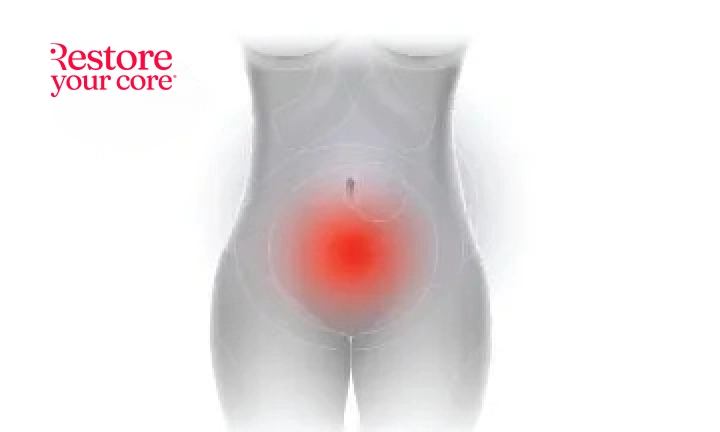
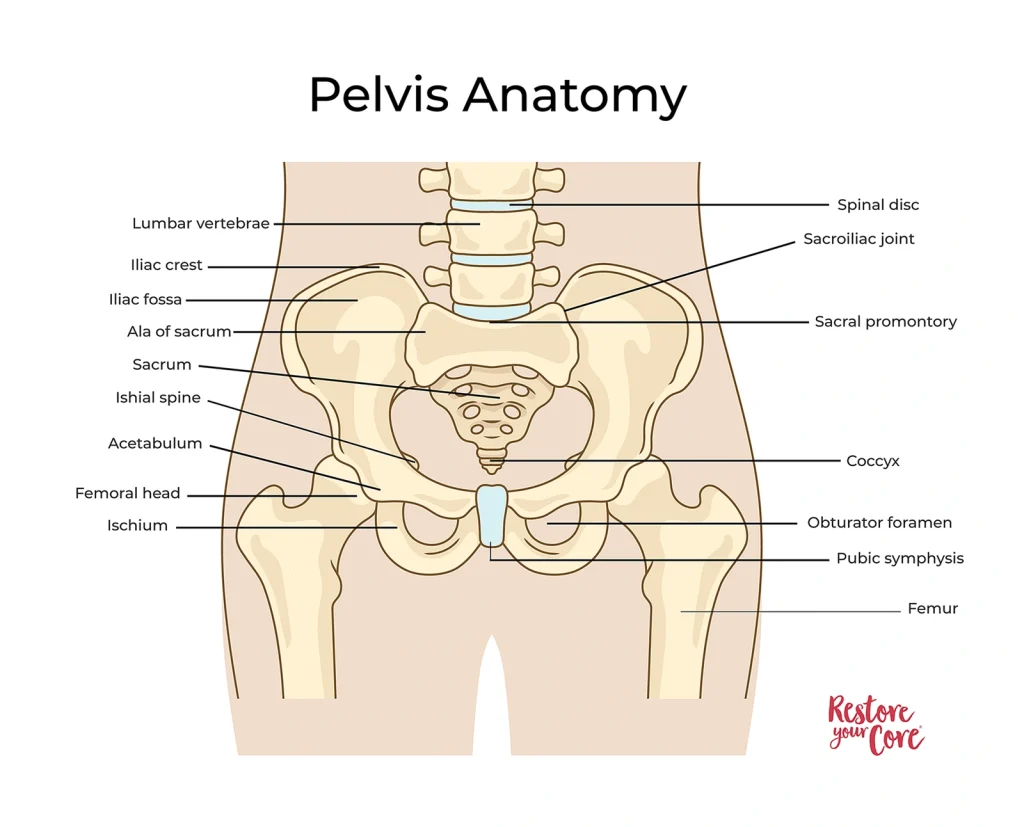
The pelvic floor is a sling of muscles at the base of your pelvis. These muscles help support your pelvic organs, control continence, enable sexual function, and work in tandem with your breath, core, hips, and spine to stabilize your entire core system.
Your pelvic floor isn’t designed to be “on” all the time. It’s designed to respond: to pressure changes when you lift something heavy, to your breath when you inhale and exhale, to movement when you reach, twist, or walk. It should contract when needed, and release when not.
When that natural responsiveness gets disrupted – because of gripping, stress, inactivity, trauma, or poor coordination – the pelvic floor can become either:
And often, it’s a mix of both.
Try 18 minutes of healing, nourishing movement – the RYC® way
A hypotonic, or underactive, pelvic floor may struggle to engage when needed. This means you might not be getting enough support during movement, lifting, or times of increased pressure.
You might have a weak pelvic floor if you experience:
Common causes include:
Childbirth, hormonal shifts (especially postpartum or menopause), inactivity, prolonged sitting, chronic breath‑holding, or disconnect in the core, hips, and spine. When your system isn’t coordinating well, the pelvic floor loses its natural rhythm and responsiveness.
Enjoy a free, pelvic-floor & core healing whole-body workout today
A hypertonic, or overactive, pelvic floor doesn’t know how to let go. These muscles may be in a constant state of tension – either from habit, trauma, compensation, or stress. You may not even realize you’re clenching – in your pelvic floor, abs, jaw, or inner thighs.
You might have tight pelvic floor symptoms if you experience:
These symptoms align with research, which indicates that hypertonic pelvic floor muscles are continuously contracting and can lead to urinary, bowel and sexual function disruption. [1]
What causes this?
Often, it’s your body trying to stabilize and find balance. A shallow breath, stiff hips, or over-braced core may all contribute, leaving the pelvic floor doing far more than it should. That might work for a while – until it doesn’t. Over time, tension can become its own kind of weakness. And just like tight hamstrings that never loosen from stretching, pelvic floor muscles need more than passive release – they need integration. [2]
Because symptoms can overlap, it’s not always obvious whether your pelvic floor is overactive, underactive, or both. Most people experience a bit of each. The key is to observe how your body responds.
Try asking:
A pelvic health physiotherapist can help you understand exactly what your pelvic floor is doing. Through a gentle internal or external exam, they can assess your ability to contract and relax, and determine whether you need to focus on strength, release, or re‑coordination. [3]
Here’s a general comparison:
| Symptom | Weak Pelvic Floor | Tight Pelvic Floor |
| Leaking | Yes | Sometimes (due to fatigue or guarding) |
| Constipation | Rare | Common |
| Pain with sex | Rare | Common |
| Pelvic heaviness | Common | Sometimes |
| Urinary urgency | Sometimes | Common |
| Ease of contraction | Hard to engage | Easy to engage but hard to release |
| Ease of release | Easy to release | Difficult to fully release |
If both columns feel familiar, you’re not alone. Tension often leads to weakness over time. Rather than strength, tightness is more often a sign of overworking and under-functioning. These muscles aren’t resting, which means they aren’t able to respond when needed.
Access your free workout and start healing your core and pelvic floor today
Instead of asking, “Should I do more Kegels or more stretches?” try asking, “What’s blocking my pelvic floor from doing what it’s designed to do?”
Your pelvic floor doesn’t function in isolation. It needs your hips, spine, core, and breath to all participate. If one area is restricted, the whole system adapts.
That’s why the RYC® 12‑Week Program doesn’t throw one‑size‑fits‑all exercises at you. It helps you:
You’ll retrain these muscles to engage when needed and soften when not. That adaptability helps restore function.
Your pelvic floor isn’t broken. It might be overworking, underworking, or caught somewhere in between. But that doesn’t mean you need to guess your way through healing.
Understanding the difference between tension and weakness is the first step. Relearning how to move, breathe, and support yourself from the inside out is the next.
The RYC® 12‑Week Program is here to guide you through it – with education, awareness, and smart movement that meets you exactly where you are.
Start by noticing patterns in your body. Do you feel urgency or pain during urination? Do you leak when you sneeze or cough? Do you experience pain during sex or find it hard to fully relax your pelvic muscles? These are important signals. A pelvic floor that’s weak often struggles to engage and provide support, while one that’s tight tends to stay activated and has trouble releasing.
For an accurate understanding, a pelvic floor physical therapist can evaluate your muscle tone, control, and coordination using both observation and biofeedback to guide you safely.
A weak pelvic floor may feel like a loss of support or pressure in your pelvis. You might notice bladder leaks during daily activities, difficulty holding back gas, or sensations of heaviness that increase throughout the day. Some people experience reduced sexual sensation or a feeling of instability in their lower back or hips. These symptoms often appear after pregnancy, menopause, surgery, or long periods of inactivity. Rebuilding awareness, breath coordination, and functional strength – like what we teach in the RYC® 12‑Week Program – helps restore this foundational support.
Tight pelvic floor muscles can create symptoms that seem confusing or unrelated. You might feel deep pelvic pain, tailbone discomfort, hip and low back pain, pain during penetration, or difficulty relaxing to pass stool or urine. Some people describe a “pressure” or gripping feeling in the pelvis, or frequent urges to urinate. This happens when the pelvic floor is holding tension due to stress, trauma, or postural and movement habits. Restoring ease through movement, nervous system regulation, and full-body awareness helps retrain these muscles to respond appropriately.
Pelvic floor tension can develop for many reasons – physical, emotional, and habitual. Chronic stress, fear, or trauma can create holding patterns that keep the muscles engaged for protection. Shallow breathing, poor posture, bracing your abs, intense exercise, or prolonged sitting can also cause the pelvic floor to tighten over time. Physical events like childbirth or injury may add layers of compensation, increasing tension. Re-educating your body through breath, somatic awareness, and functional movement retrains the system to release and respond appropriately.

Yes – and it’s actually very common. Muscles that are constantly engaged lose their ability to contract fully when needed. Over time, they become both tight and weak, resulting in instability and pain. Many people who try to strengthen their pelvic floor without addressing underlying tension end up reinforcing the problem. The goal is to restore your pelvic floor’s responsiveness and adaptability – something we focus on deeply in the RYC® 12‑Week Program.
Exercises that strengthen the pelvic floor should always include breath and alignment, not just muscle squeezing. Start with gentle core connection work that coordinates your diaphragm, pelvic floor, and deep abdominal muscles. In the RYC® 12‑Week Program, you’ll progress through movement patterns that improve strength and timing without strain. These exercises are based on movement science and somatic principles – helping your body learn efficient, balanced engagement that naturally supports your daily life.
If your pelvic floor is tight, avoid exercises that create unnecessary pressure – like crunches, heavy lifting, or any movement that requires bracing or straining. High-impact workouts can also exacerbate symptoms if done without pelvic coordination. Instead, focus on slow, mindful movement, 3D breathing, and release-based exercises that calm your nervous system. The RYC® approach uses somatic techniques to retrain your body to move with ease and restore a sense of safety and connection in your core.
The RYC® 12‑Week Program is a science-backed, whole-body approach that integrates movement science, somatic education, and intelligent strength training. Designed to support both tight and weak pelvic floor patterns, RYC® helps retrain the body’s coordination so that muscles can relax when needed and engage with strength when required. This unique blend of education and movement is trusted and recommended by physiotherapists, OB/GYNs, and other medical professionals worldwide. The program has guided over 14,000 people toward balance, stability, and renewed confidence – helping them restore function and ease through evidence-informed, body-literate practices.
“There is no thank you big enough for Lauren Ohayon existing and thinking and helping so many of us. Every time I do something I never thought I’d do again she is part of the reason why.”
Laura Gregg
Try a FREE workout
with Lauren
*10K+ women healed and healing
Please check your email inbox in a few minutes.
Pelvic floor muscle exercises are often very diverse and provide a variety of information regarding the styles and methods you should pursue when seeking to build pelvic floor strength. Some...
Pelvic floor repair surgery is the most common surgery for pelvic organ prolapse. Pelvic floor repair is a broad term used to classify a variety of simple, surgical procedures for...
Pelvic floor pain can be debilitating; a large number of runners experience some form of pelvic pain and pelvic floor dysfunction. This article outlines the causes of pelvic floor pain...
Your pelvic floor muscles play an important part for many bodily functions, including sexual health and orgasms. In this article, I’m debunking common myths about your pelvic floor and highlighting...
Enjoy a free, pelvic-floor & core healing whole-body workout today
*No spam, just quality content and support
Please check your inbox soon.
Try a FREE workout
with Lauren
*10K+ women healed and healing
Please check your email inbox in a few minutes.