
Learn

Hi! I'm Lauren.
Nice to meet you
Lauren Ohayon is the creator of Restore Your Core® (RYC®), a comprehensive and sustainable whole-body fitness program that empowers women to achieve ideal pelvic floor / core function and be strong, long, mobile and functional.
Hi! I'm Lauren.
Nice to meet you
Top articles

5 Things I Wish People Knew About Your Pelvic Floor & Orgasm
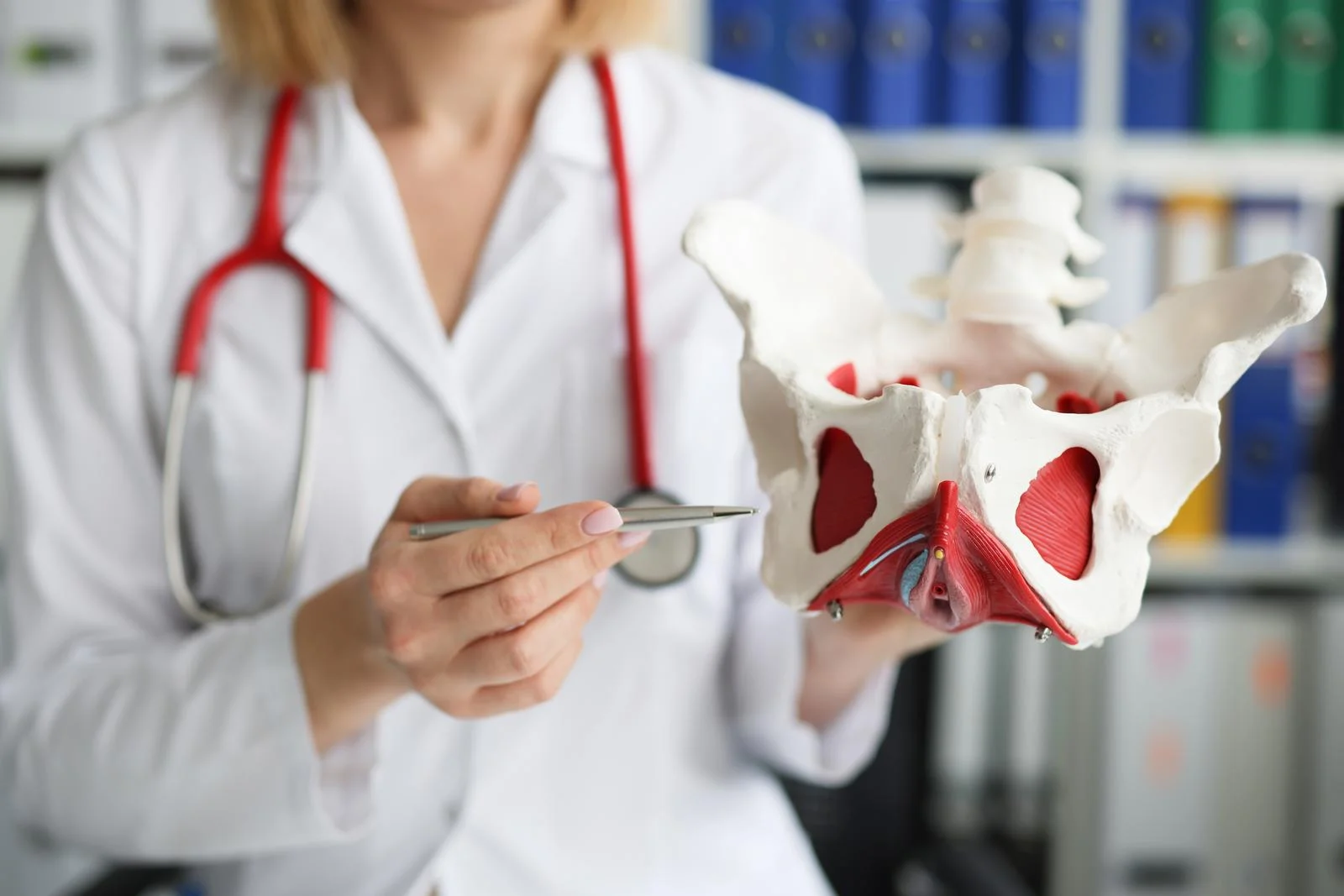
Your pelvic floor muscles play an important part for many bodily functions, including sexual health and orgasms. In this article, I’m debunking common myths about your pelvic floor and highlighting a few essential practices for strengthening this area.
Many people researching orgasms and the connection to their pelvic floor wonder: do orgasms strengthen the pelvic floor?
The short answer is that orgasms can support pleasure, circulation, and release in the pelvic floor, but they do not strengthen the pelvic floor in the same way intentional exercise and coordinated movement do. While orgasm involves rhythmic contractions of the pelvic floor muscles, building lasting strength and function usually requires targeted movement, breath coordination, and whole-body stability work.
Start your healing today with this free workout
Table of Contents
How the Pelvic Floor Contributes to Orgasm
The pelvic floor participates actively in sexual arousal and orgasm, responding to shifts in breath, blood flow, and nervous system signaling as arousal develops. During orgasm, these muscles contract rhythmically, creating waves of sensation that many people recognize as part of the release experience. At the same time, pelvic floor function exists within a broader system that includes breathing mechanics, posture, pressure regulation, and coordinated movement throughout the hips, spine, and abdomen. Within that system, the pelvic floor benefits from strength, mobility, and responsiveness, allowing it to adapt as the body moves through different activities, including sexual activity.
Both low muscle tone and excessive tension can influence how these experiences unfold. In some bodies the contractions may feel muted or less coordinated, while in others the muscles remain so guarded that releasing into the rhythmic pattern of orgasm becomes difficult. Pelvic floor health tends to reflect adaptability, where the muscles can generate tension when needed and soften again when the moment calls for it.
Trouble With Orgasm? It Might Be Your Pelvic Floor
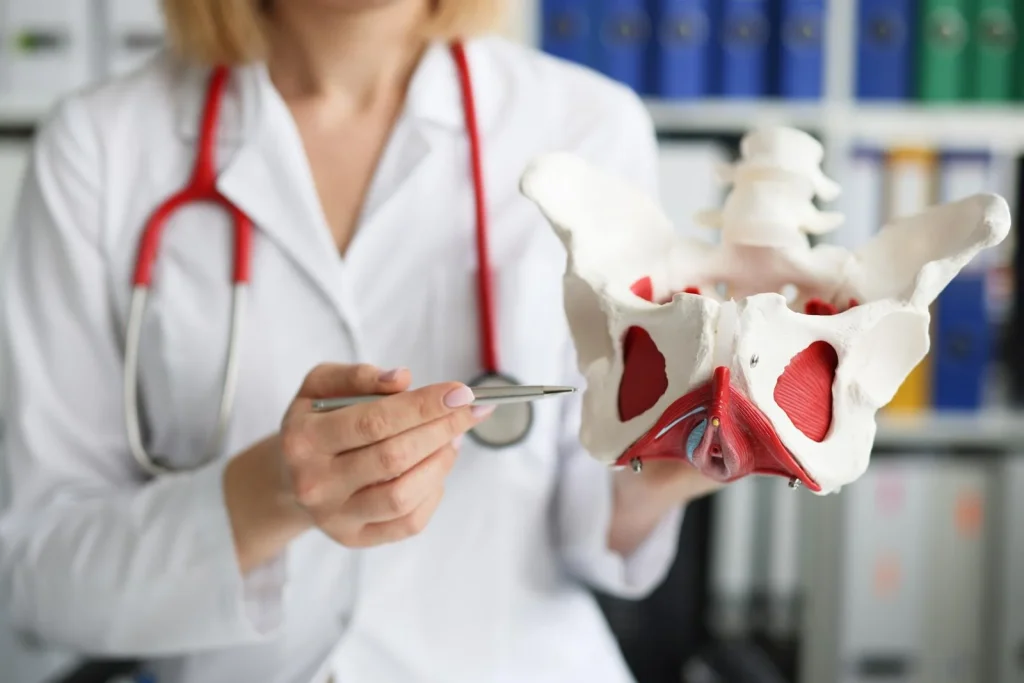
Everyone has a pelvic floor: it’s the collection of muscles, fascia, and nerves that line the bottom of your pelvis, supporting the pelvic organs. Your pelvic floor plays several roles:
- Continence – urinary and fecal – the pelvic floor helps ensure that your bowels and bladder only empty when you want them to
- Support Pelvic Organs – keep the pelvic organs in place so that they function properly
- Pregnancy and Childbirth – help support the growing fetus and assist with labor and delivery
- Core Stability–the muscles of the pelvic floor forms the base of your core system
- Breathing and Pressure Regulation – as part of the core and breath system, the pelvic floor helps regulate intra-abdominal pressure
- Sexual Function – the physiological aspects of sex depend on a functional pelvic floor
When everything is functioning well in your pelvic floor, you have little to no difficulty with most daily activities. Your digestion is smooth, breathing effectively happens naturally, you can move without pain throughout your life. And sex feels good.
But what if sex doesn’t feel good?
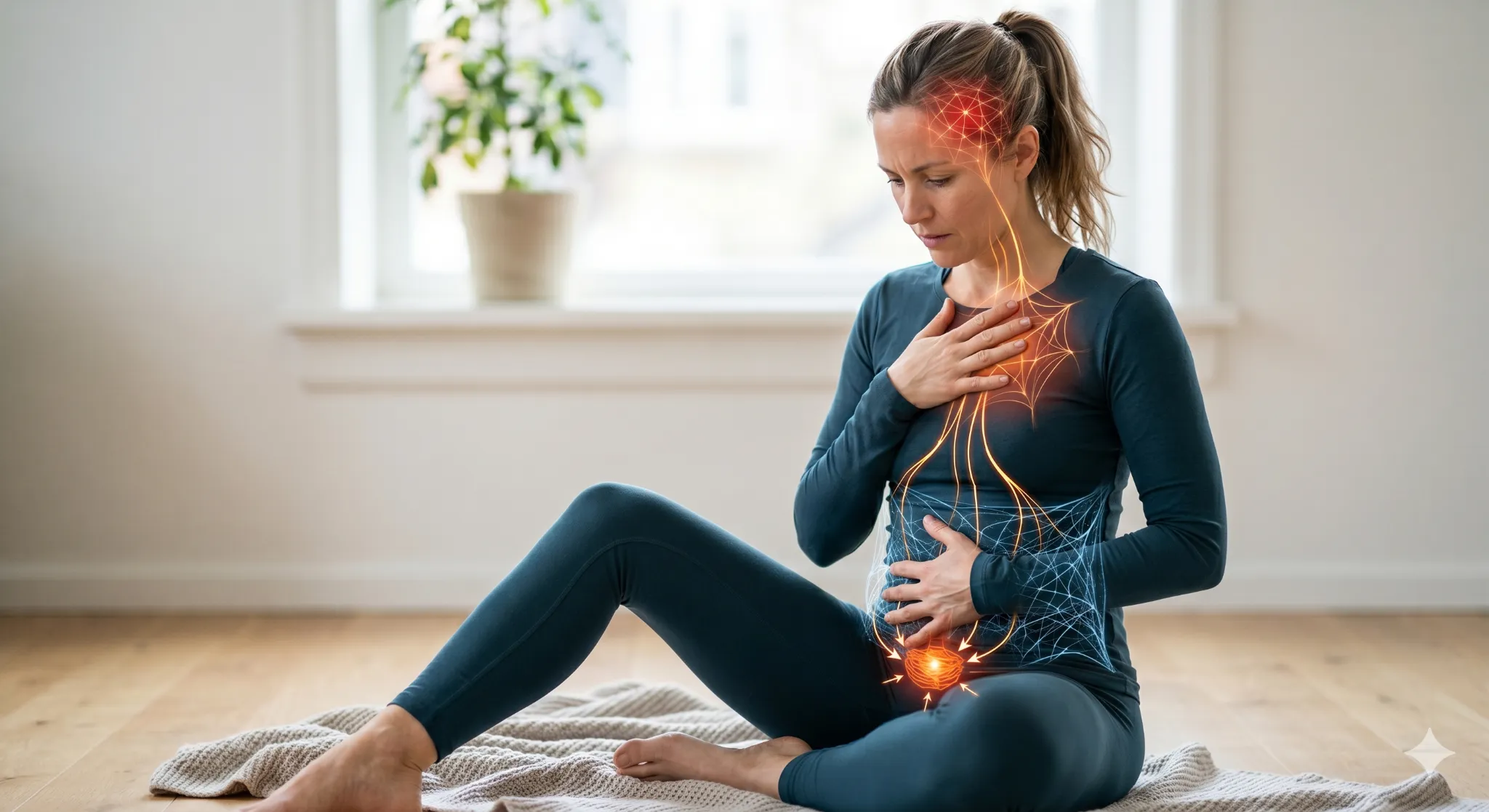
First of all, as sex educator Emily Nagoski puts it, “You have to have a brain to have an orgasm.” Orgasm is primarily a neurological function. Your brain assigns meaning to the sensations involved. Trauma can affect your body’s ability to become aroused enough to reach orgasm. Some prescription medications that alter brain chemistry may also affect your ability to experience orgasm. And of course, there is always the possibility that being worried about having an orgasm can lead to fewer orgasms.
At the same time orgasm is something you experience in your body, so in addition to seeking mental health support around the root causes of your concerns, you may benefit from exploring the physical mechanisms involved in arousal and orgasm.
For some people, pelvic floor dysfunction can also influence orgasm. When the pelvic floor is not coordinating well with the rest of the body – whether it is underactive, overly tense, or poorly responsive – it can interfere with sensation, relaxation, and the muscular responses involved in orgasm.
Try 18 minutes of healing, nourishing movement – the RYC® way
5 Pelvic Floor and Orgasm Facts
Let’s explore the role of the pelvic floor muscles in sex and orgasm, so that you have a better understanding of the physiological factors involved.
Fact 1: Your Pelvic Floor Plays an Important Role in Arousal and Orgasm
The pelvic floor consists of muscles and fascia, along with neural connections that transmit information from your brain to the muscles. Together with the bony structures of the pelvis, the pelvic floor provides a steady base of support for many functions of the body, but one of the primary functions of the pelvic floor muscle is to help regulate what moves in and out of the body–urine, feces, ejaculation, air, and childbirth, for example.
While your pelvic floor muscles support all of the organs of the pelvis, they also play a crucial role in both arousal and orgasm. During arousal, these muscles contract to increase blood flow to the genital area, enhancing sensations and preparing the body for sexual activity. In individuals with vaginas, the pelvic floor muscles play a crucial role in sexual function, aiding in vaginal lubrication and clitoral engorgement.
During orgasm, these muscles, particularly the pubococcygeus (PC) muscle, undergo rhythmic contractions that enhance the pleasurable sensations associated with orgasm. These contractions are similar to those experienced by individuals with penises during ejaculation. For those with vaginas, these involuntary spasms can be felt as rhythmic contractions of the vaginal walls, contributing to the overall orgasmic experience
Fact 2: Pelvic Floor Strength Can Affect Orgasm Intensity – But Stronger Isn’t the Same as Tighter
Recent research suggests that stronger pelvic floor muscles can increase the intensity of your orgasms. However, stronger does not mean “tighter.” Some folks whose pelvic floor muscles have excessive tone may find that reaching orgasm is even more difficult–and hypertonic pelvic floor muscles can inhibit arousal in the first place. In order to reach orgasm, the muscles need to contract and relax repeatedly. If your pelvic floor muscles are already in a state of ongoing tension, they won’t be able to relax enough to contract. Imagine you’re sucking in your stomach: it’s hard to take a deep breath when the diaphragm is already restricted.
Your ability to allow tension to come and go in your pelvic floor is going to influence the intensity of your orgasms. Let’s be clear: the point of orgasms is to enjoy them, to feel a sense of released tension, to experience bodily pleasure. So if you’re getting all of that, then you don’t need to change a thing.
Intense orgasms come from the release of a buildup of neuromuscular tension. The longer you can hover in a state of high tension, or build up that tension and release it and slowly build it back up again, the more intense your orgasm will be. Pelvic floor muscles that have a baseline of responsive strength for all the loads they carry will be able to sustain this kind of tension/release cycle for longer.
Fact 3: Link Between Pelvic Floor Disorders and Orgasm Difficulties
There are a number of pelvic floor disorders that can affect your sexual function:
- Pelvic Organ Prolapse (POP): The descent of pelvic organs (bladder, uterus, rectum) into or outside of the vaginal canal
- Urinary Incontinence: Involuntary leakage of urine, including stress incontinence (leakage during activities like coughing) and urge incontinence (sudden, strong urge to urinate)
- Fecal Incontinence: Inability to control bowel movements, leading to accidental leakage of stool
- Chronic Pelvic Pain: Persistent pain in the pelvic region, often related to muscle tension or nerve irritation
- Dyspareunia: Painful intercourse due to muscle tension or pelvic floor dysfunction
- Vulvodynia: Long-term pain of the vulva, often causing difficulty with sexual intercourse
- Pelvic Floor Muscle Weakness: Weakness of pelvic muscles leading to reduced support for pelvic organs and associated symptoms
- Overactive Bladder: Frequent, urgent need to urinate, often associated with incontinence
While these pelvic floor dysfunctions are incredibly common, many people find that they feel shame about them. And shame can inhibit many things – among them desire, arousal, and orgasm. I can’t tell you how many people come to me and tell me that they don’t feel sexy because of a prolapse or leaking urine. When your body doesn’t work the way you want it to, even thinking about pleasurable activities can be incredibly difficult.
Psychological effects aside, many pelvic floor disorders are related to muscular imbalances. Treating the underlying imbalance with PT, OT, or a program like Restore Your Core® can improve your sexual function. And when you feel more comfortable being sexual, your capacity to orgasm increases.
Both weakness and excessive tension can influence orgasm. A weak pelvic floor may reduce the intensity of muscular contractions during orgasm, while a tight pelvic floor may interfere with relaxation and blood flow during arousal.
Fact 4: Do Orgasms Strengthen Your Pelvic Floor?
You may think that the solution to pelvic floor weakness is to just have more sex and more orgasms. Unfortunately, that’s not the answer. Orgasms alone do not strengthen your pelvic floor. (But please do go have plenty of orgasms, because they feel good!)
The duration of most orgasms is relatively small, and the quality of the muscular engagement at orgasm is more of a spasm than a sustained contraction. In addition, a large part of what makes orgasms feel good is the release of neurotransmitters like dopamine, not just the release of muscular tension.
What actually strengthens pelvic floor muscles is getting them moving in a variety of ways with a variety of loads, including allowing them to relax. For more information on how exactly to strengthen your pelvic floor, please see this article. There is certainly a correlation between higher levels of sexual activity and better pelvic floor muscle tone, but that is likely due to the factors that help one be sexually active in general: mental and physical health that is good enough to enjoy having sex. Note that I am not talking about body size, or “perfect” health markers, but rather a sense of comfort in your body.
Fact 5: Importance of Pelvic Floor Health Beyond Sexual Pleasure
Your pelvic floor is important for your overall health and well-being, beyond your capacity for sexual pleasure. Your pelvic floor muscles influence your urinary and bowel control, both of which are important for a sense of well being (in fact, one study on pelvic floor muscle strength and sexual satisfaction found “colorectal-anal symptoms have the most negative impact on sexual function in sexually active women” (source). But I would be willing to bet that those same symptoms are incredibly disruptive to daily life in all spheres.
A strong and functional pelvic floor is essential for maintaining your independence as you age: once you’re no longer capable of managing your toileting needs on your own, you are much more likely to lose your autonomy and ability to care for yourself. It’s also important for being able to walk, lift moderate loads like groceries, and generally get around without constantly having to monitor your body. So often, we take abilities for granted, and so often, we’re not able to avoid the loss of ability, particularly when injury is involved.
Your pelvic floor will let you know if it needs attention. But being proactive about your pelvic health can decrease the severity and duration of injury or symptoms you may develop over time. Just like you might lift weights to maintain your bone density, doing targeted exercises that benefit your pelvic floor helps keep it functioning well.
Enjoy a free, pelvic-floor & core healing whole-body workout today
Pelvic Floor Exercises for Orgasm: What Actually Helps
If you’re searching for pelvic floor exercises to strengthen the intensity of your orgasms, it’s important to understand that improving orgasm quality is rarely about squeezing harder.
Many people are told to simply do more Kegels. But pelvic floor function is about responsiveness – the ability to contract, release, and coordinate with breath and movement.
Practices that can help include:
- Breath coordination between the diaphragm and pelvic floor
- Reducing chronic gripping or tension
- Improving hip and glute strength
- Building deep core coordination
- Learning to both contract and relax the pelvic floor
If you’re unsure whether your pelvic floor is weak or tight, this guide may help: How Do I Know If My Pelvic Floor Is Tight or Weak?
FAQ
Do orgasms strengthen the pelvic floor?
Orgasms involve rhythmic pelvic floor contractions, so it makes sense that people wonder whether they’re quietly building strength over time. The engagement that occurs during orgasm shows up as brief, involuntary, spasm-like contractions, while pelvic floor strength develops through coordinated, progressive loading across different positions and activities. Coordinated movement, breath integration, and functional training work across a range of loads and positions in ways that support long-term pelvic floor function. A well-functioning pelvic floor can also support more pleasurable orgasms, and these experiences can exist alongside one another within the same system.
Are orgasms good for your pelvic floor?
They can be, and in a few meaningful ways. Orgasms support circulation in the pelvic region, offering a moment of bodily awareness as the pelvic floor moves through a cycle of contraction and release. For people who carry a lot of chronic tension in the pelvic floor, that release component can be genuinely helpful. Long-term pelvic floor function develops through movement patterns that include coordination, load, and breath, which support how the system responds over time.
Can a weak pelvic floor affect orgasm?
Yes, it can. The pelvic floor muscles are directly involved in the contractions that create orgasmic sensation, and when those muscles aren’t generating enough force or coordination, it can reduce both the intensity of sensation and the ease of reaching orgasm. Pelvic floor function is part of a broader system that includes sexual function, movement, and daily activities, and changes in one area can influence the others.
Can a tight pelvic floor make it harder to orgasm?
Yes. A pelvic floor that holds significant tension may have difficulty moving through the relaxation and responsiveness that arousal and orgasm require. Intense orgasms emerge from the buildup and release of neuromuscular tension, and when the pelvic floor remains braced at rest, the range of that cycle can feel limited. Blood flow may be affected, sensation may feel muted, and the system may feel less available. In many cases, learning how to release and soften contributes to changes in how the body experiences arousal and orgasm.
Do orgasms help pelvic floor health?
They may support certain aspects of pelvic health, particularly circulation and body awareness in the pelvic region, and the tension-release cycle of orgasm can be valuable for people who carry a lot of tone in the pelvic floor. Pelvic floor health also develops through consistent, coordinated movement and support that address underlying patterns in the body. If you’re experiencing symptoms like leaking, heaviness, pain, or difficulty with orgasm itself, those are signals worth paying attention to with structured support.
What pelvic floor exercises help with orgasm?
This question often leads people toward Kegels, and many approaches focus on isolated muscular contraction. The changes people notice most often come from work that supports coordination between the diaphragm and pelvic floor, reduces chronic gripping or tension patterns, builds glute and hip strength, and supports the pelvic floor’s ability to both contract and release well. When the whole system is more integrated and responsive, the pelvic floor functions across many contexts, including sexual function.
How do I know if my pelvic floor is weak or tight?
Symptoms can offer useful information, and they may point in different directions depending on the person and context. Many people experience elements of both. Leaking when you cough, laugh, jump, or sneeze is commonly associated with weakness or poor coordination. A sense of heaviness or dragging in the pelvis, difficulty with orgasm, or pain during sex may suggest tightness or an overactive pelvic floor. A proper assessment provides the clearest understanding of how your pelvic floor is functioning and what support may be most useful.
Should I see a pelvic floor therapist if orgasm is difficult or painful?
Yes, and it can be helpful to seek support early. Painful sex, difficulty reaching orgasm, and symptoms like leaking or pelvic heaviness are all within the scope of pelvic health professionals. There’s often a delay between noticing symptoms and seeking help, partly due to normalization and partly due to the sensitivity of this area of the body. A pelvic floor physiotherapist can help you understand what is happening and offer guidance that supports your body over time.
What is the connection between the pelvic floor and sexual function?
The pelvic floor sits at the base of the pelvis and is involved in far more than bladder and bowel control. During arousal, the pelvic floor muscles help direct blood flow to the genitals, supporting lubrication and sensation. During orgasm, they undergo rhythmic contractions that contribute to the physical experience of pleasure. When pelvic floor function changes, sexual experiences may also shift, reflecting how closely these systems are connected.
How does stress affect the pelvic floor and sexual function?
The pelvic floor is influenced by the nervous system, which means stress, anxiety, and a general sense of being in a guarded or protective state can affect pelvic floor tone and function. When the nervous system perceives threat, muscle tone often increases throughout the body, including the pelvic floor. Over time, this can contribute to a pattern of increased tension that affects sexual responsiveness, comfort, and ease of orgasm. Pelvic floor work often includes understanding how breath, nervous system state, and movement patterns interact within the body.
Why does sex hurt, and what does the pelvic floor have to do with it?
Pain during or after sex, sometimes called dyspareunia, is often related to the state of the nervous system and pelvic floor tension, and it may also involve hormonal factors, scar tissue, nerve sensitivity, or a combination of influences. When the pelvic floor muscles carry excess tone, penetration can feel uncomfortable or painful. This pattern can develop after childbirth, from chronic stress, from habitual bracing, or from long-standing tension in the body.
Can pelvic floor dysfunction affect how I feel about sex, not just the physical experience?
Very much so. Persistent pain with sex, changes in sensation, and the presence of symptoms like leaking or prolapse can affect how connected someone feels to their body and how much space they have for desire and intimacy. Many people describe a sense of disconnection when their body feels unfamiliar or unpredictable. As function improves and comfort increases, people often describe shifts in both physical experience and emotional connection.
What is the best program for strengthening the pelvic floor and improving sexual function?
The most effective programs address the pelvic floor as part of a whole system. This includes breathing mechanics, pressure management, whole-body movement patterns, and core coordination working together over time. Programs that integrate these elements tend to support broader changes, including in sexual function.
Restore Your Core® (RYC®), developed by movement specialist Lauren Ohayon, is one of the most comprehensive online programs available for this. The 12-week program works through progressive phases – from nervous system regulation and foundational awareness through to functional strength – and has supported over 10,000 women across 80+ countries in addressing symptoms including difficulty with orgasm, painful sex, leaking, prolapse, and diastasis recti. It’s designed to be done at home in 20–30 minutes a day and comes with lifetime access, so it can be revisited at different life stages as needs change.
Is it normal for pelvic floor problems to affect orgasm, or is something wrong with me?
Pelvic floor challenges are common and affect people across many ages, body types, and life stages. Experiences like difficulty with orgasm, reduced sensation, pain with sex, or symptoms like leaking can occur alongside one another. These experiences reflect how the body is functioning in that moment and can shift with the right kind of support and understanding.
What is the difference between a weak and a tight pelvic floor, and how do I know which one I have?
A weak or underactive pelvic floor may not generate enough force or coordination to support the bladder, bowel, and pelvic organs, which can show up as leaking or a sense of heaviness. A tight or overactive pelvic floor holds excess tension and may have difficulty relaxing, which can contribute to pain, urgency, or difficulty with orgasm. Many people experience a combination of these patterns, and assessment helps clarify how the system is functioning as a whole.
Does improving pelvic floor function actually improve orgasm quality?
For many people, improvements in pelvic floor function are reflected in changes to sexual experience. Orgasms rely on the pelvic floor’s ability to build and release neuromuscular tension in a rhythmic cycle. When coordination, responsiveness, and support improve across the system, people often notice changes in sensation and ease of orgasm alongside broader improvements in how their body feels and functions.
Can pelvic floor exercises be done at home, or do I need to see a specialist?
Both can play a role. A pelvic floor physiotherapist can assess how the system is functioning and provide individualized guidance. Structured home programs can support consistent practice and help integrate these changes into daily life. Programs that include breath coordination, pressure management, and whole-body movement tend to reflect how the pelvic floor functions within the body.
At what age should women start thinking about pelvic floor health?
Pelvic floor health is relevant across the lifespan, including younger years, pregnancy, postpartum, perimenopause, menopause, and later life. Different stages bring different demands and experiences, and awareness of how breath, pressure, and movement influence the pelvic floor can be useful at any point in life.
Top articles
“There is no thank you big enough for Lauren Ohayon existing and thinking and helping so many of us. Every time I do something I never thought I’d do again she is part of the reason why.”
Laura Gregg
Strengthen, heal & nourish your pelvic floor & core
Try a FREE workout
with Lauren
*10K+ women healed and healing
Thank you!
Your FREE video is on the way
Please check your email inbox in a few minutes.
Related articles
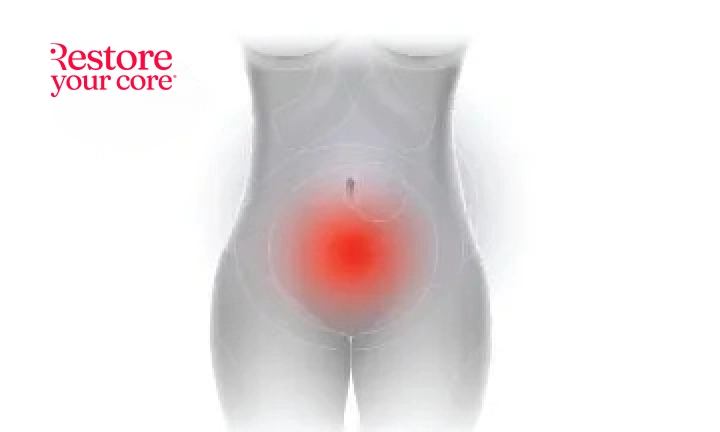
If you are experiencing pain in the region below your navel and in the deeper tissues around your hips and above your thighs, you may be experiencing pelvic floor pain....
Pelvic floor muscle exercises are often very diverse and provide a variety of information regarding the styles and methods you should pursue when seeking to build pelvic floor strength. Some...
Pelvic floor repair surgery is the most common surgery for pelvic organ prolapse. Pelvic floor repair is a broad term used to classify a variety of simple, surgical procedures for...



Pelvic floor pain can be debilitating; a large number of runners experience some form of pelvic pain and pelvic floor dysfunction. This article outlines the causes of pelvic floor pain...
Enjoy a free, pelvic-floor & core healing whole-body workout today
Get more actionable info, inspiration and exclusive offers delivered to your inbox.
*No spam, just quality content and support
Thanks for subscribing!

inbox soon.
Thanks for subscribing!
Please check your inbox soon.

Strengthen, heal & nourish your pelvic floor & core
Try a FREE workout
with Lauren
*10K+ women healed and healing
Thank you!
Your FREE video is on the way
Please check your email inbox in a few minutes.