Learn

Hi! I'm Lauren.
Nice to meet you
Lauren Ohayon is the creator of Restore Your Core® (RYC®), a comprehensive and sustainable whole-body fitness program that empowers women to achieve ideal pelvic floor / core function and be strong, long, mobile and functional.
Hi! I'm Lauren.
Nice to meet you
Top articles
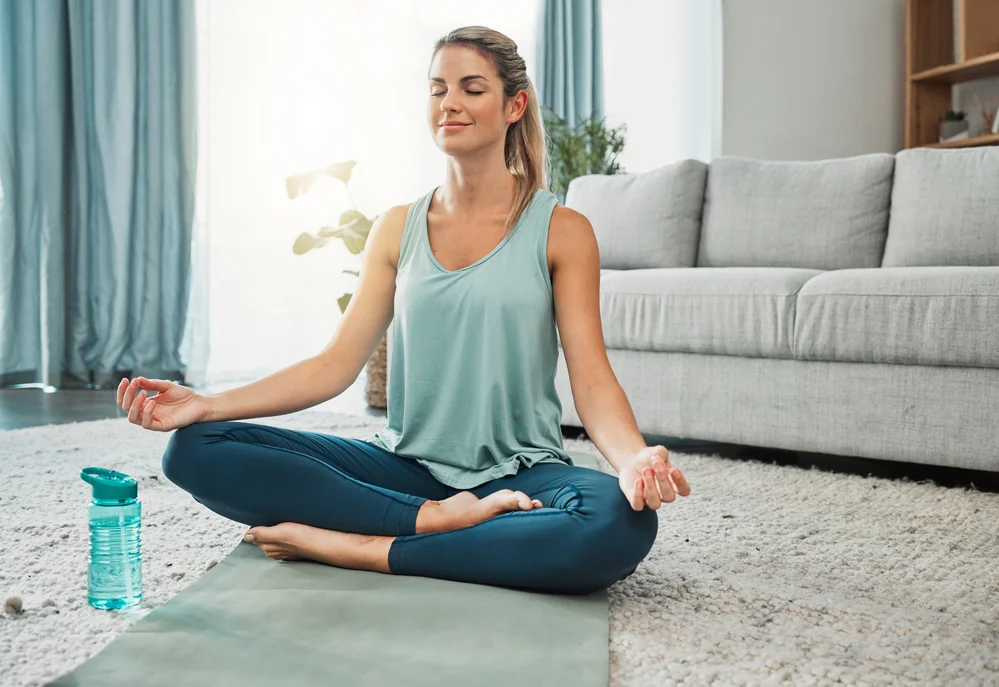

How Can You Heal Vaginismus Without Surgery? A Whole-Body Approach
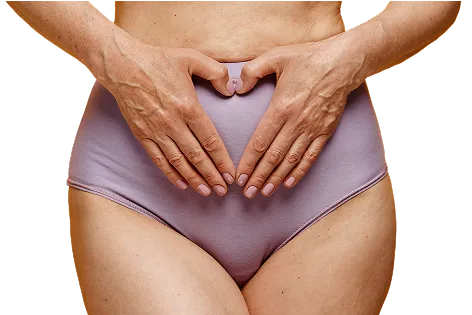
Vaginismus describes an involuntary tightening around the vagina that can make penetration painful, difficult, or impossible. It can show up with intercourse, tampons, a pelvic exam, or any situation where the body anticipates penetration. The word involuntary matters here. Someone can want intimacy, understand that they are safe, and still feel their body brace before they have had any conscious say in it.
That gap between intention and what the body does can be incredibly confusing. I hear from women who feel as though their body is refusing something they genuinely want, or who have spent years trying to relax a pelvic floor that seems to tighten the moment penetration is anticipated. I see that tightening as useful information about a protective pattern involving muscle tone, breath, pressure, sensation, expectation, and the nervous system.
Dilators, pelvic floor physical therapy, psychological support, movement, and nervous system work can all have a place in care. The useful question is how the pieces relate to the person in front of us, because the pelvic floor lives inside a whole body and responds to far more than a cue to relax.
Start your healing today with this free workout
What is vaginismus?
Vaginismus has historically been described as primary when pain-free penetration has never been possible, and secondary when symptoms begin after a period in which penetration was comfortable. Secondary vaginismus may appear after childbirth, an injury, infection, a painful medical experience, or another change that teaches the body to anticipate discomfort.
Current diagnostic language groups vaginismus and dyspareunia under genito-pelvic pain/penetration disorder. That grouping reflects something clinicians and patients often experience in real life: pain, fear, anticipation, and pelvic floor muscle activity can overlap, and the borders between them are not always tidy.
The research is also less tidy than older descriptions of vaginismus sometimes suggest. Reviews have found wide variation in how the condition is defined and measured, which makes prevalence difficult to establish. Clinical estimates have ranged from roughly 5 to 17 percent, while population prevalence remains uncertain. Fear of anticipated pain appears frequently in the research and can become part of the physical response before penetration even begins.
Why can relaxing on purpose feel impossible?
Pelvic floor tone, tension or tightness changes automatically all day long. The muscles respond to breathing, load, movement, stress, pain, anticipation, and the nervous system’s assessment of what is happening around us. You may notice the same kind of automatic response in your jaw, shoulders, belly, or breath during a stressful moment. You did not necessarily decide to tighten any of them.
For someone with vaginismus, anticipation of penetration can become one of the situations that reliably brings on a protective response. Some people can connect that pattern to a particular painful or traumatic experience, while others cannot identify a single beginning. Both experiences exist, and a person does not need to produce a trauma story in order for an involuntary body response to be real.
A study that measured pelvic floor muscle activity while women watched threatening, neutral, and sexual film clips found increased pelvic floor activity in response to threatening material in women with vaginismus and in women without it. I find that useful because it places the pelvic floor inside a broader defensive system. Muscle tension changes with perceived threat, and repeated experiences can strengthen the association between a situation and the body’s response to it.
Try 18 minutes of healing, nourishing movement – the RYC® way
What can help with vaginismus?
Care for vaginismus is usually multidimensional. The research includes pelvic floor physical therapy, graduated exposure or dilator work, cognitive and behavioral approaches, sex therapy, education, and other forms of support. The mix will vary with the person, their symptoms, their history, their access to care, and what feels workable in their body.
There is value in having more than one door into the pattern. A pelvic floor physical therapist can assess muscle tone and coordination directly, while an at-home pelvic floor rehab program like RYC® gives you space to work with these patterns in a familiar environment, which can be especially helpful when being observed, touched, or assessed increases tension. A therapist with relevant training can work with fear, anticipation, trauma, or avoidance when those are part of the experience. Dilators can provide gradual exposure to penetration. Whole-body movement can explore the relationships among the pelvis, hips, spine, breath, feet, and core. These approaches can sit alongside one another.
Whole-body movement and the pelvic floor
The pelvic floor is attached to the pelvis and works in relationship with the diaphragm, abdominal wall, spine, hips, inner thighs, glutes, and feet. When breathing changes, the pressure environment through the trunk changes. When the hips or spine have fewer movement options, the way load travels through the pelvis can change too. And when the whole body is bracing, asking one small group of muscles at the base of the pelvis to soften can be a very big ask.
I often think about a hand that has been clenched for a long time. Opening the fingers is available anatomically, and the hand may still need movement, sensation, time, and repeated experiences of opening before that position feels familiar again. With the pelvic floor we are working with an even larger web of relationships, so I want to know what the breath is doing, how the ribs move, what happens through the hips and inner thighs, and where the person feels effort elsewhere in the body.
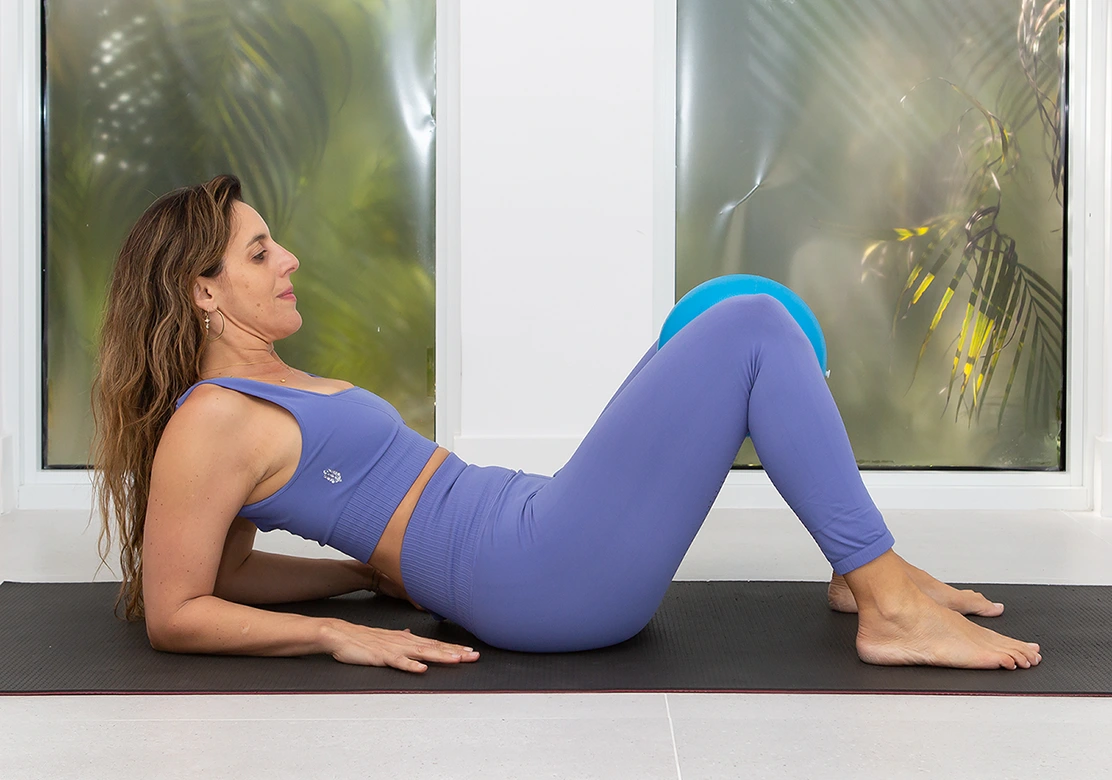
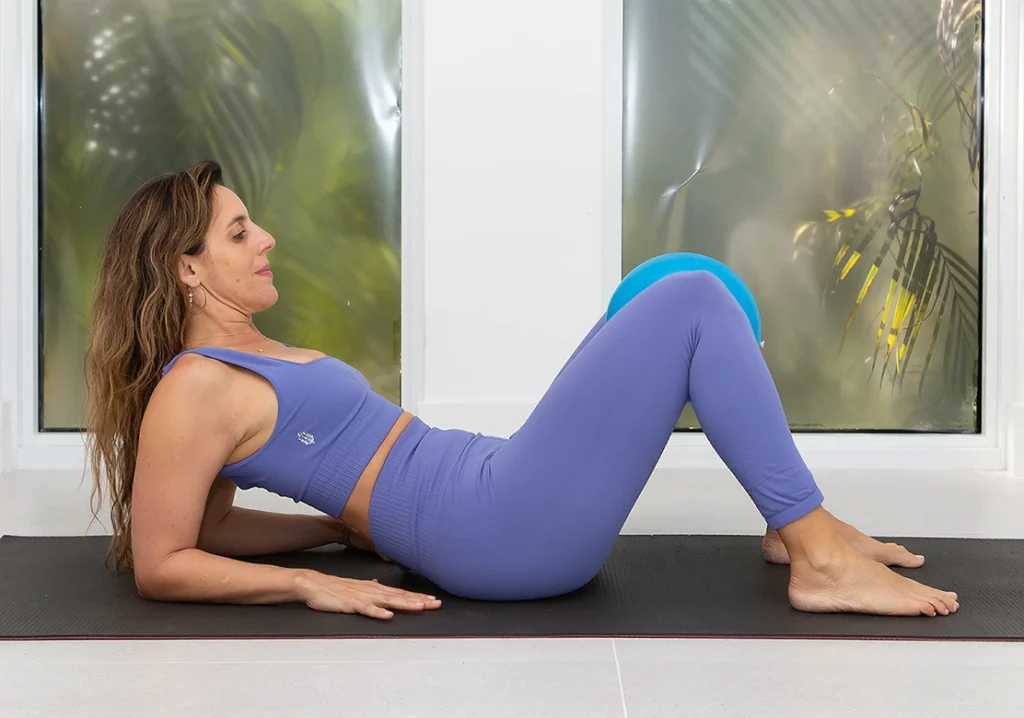
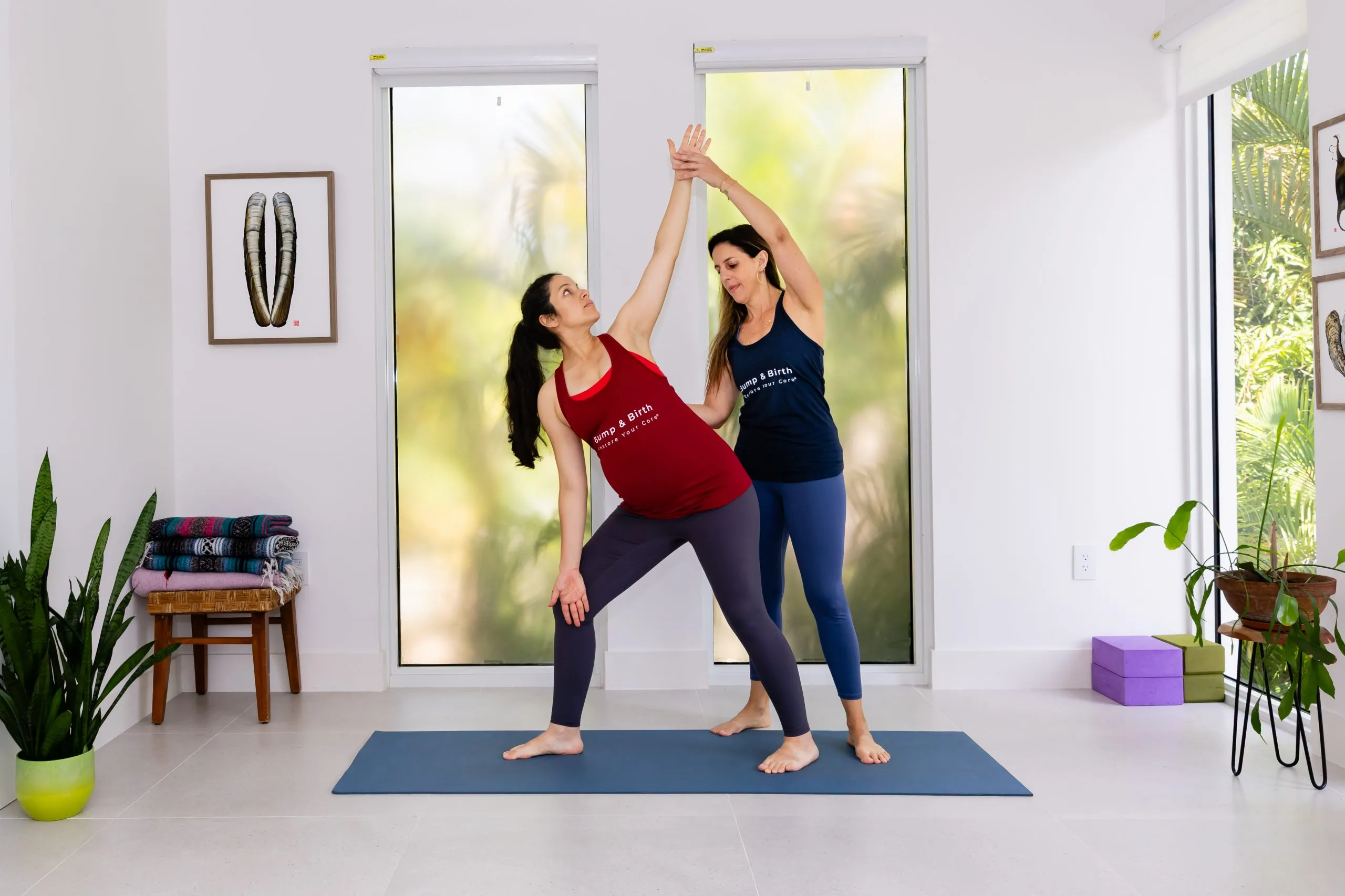
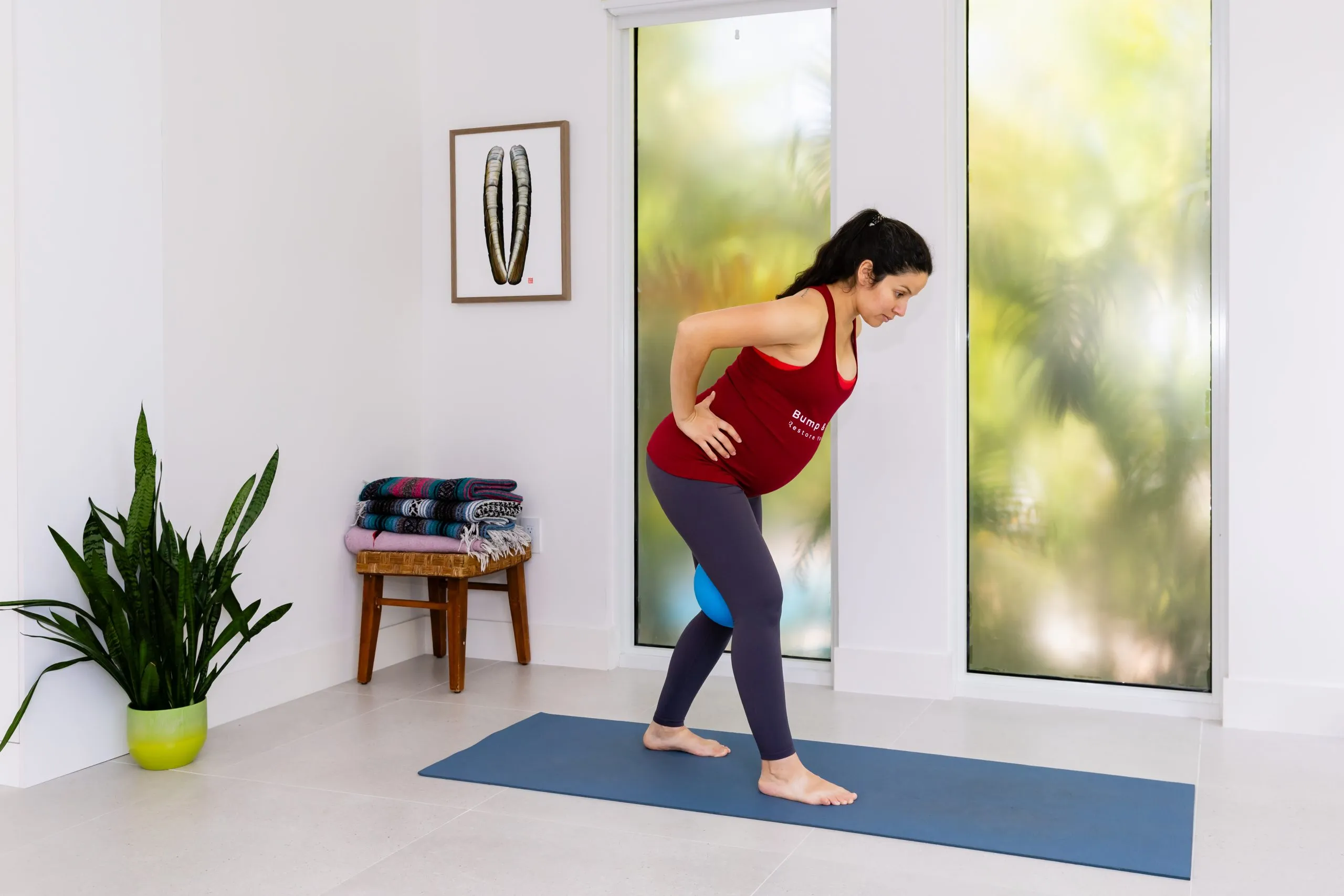
A simple place to explore is a few minutes of comfortable movement through the hips and inner thighs while allowing the breath to stay easy. Notice whether your jaw, belly, glutes, or pelvic floor join in by gripping. The observation itself gives you information about how your system organizes effort.
Enjoy a free, pelvic-floor & core healing whole-body workout today

Nervous system regulation
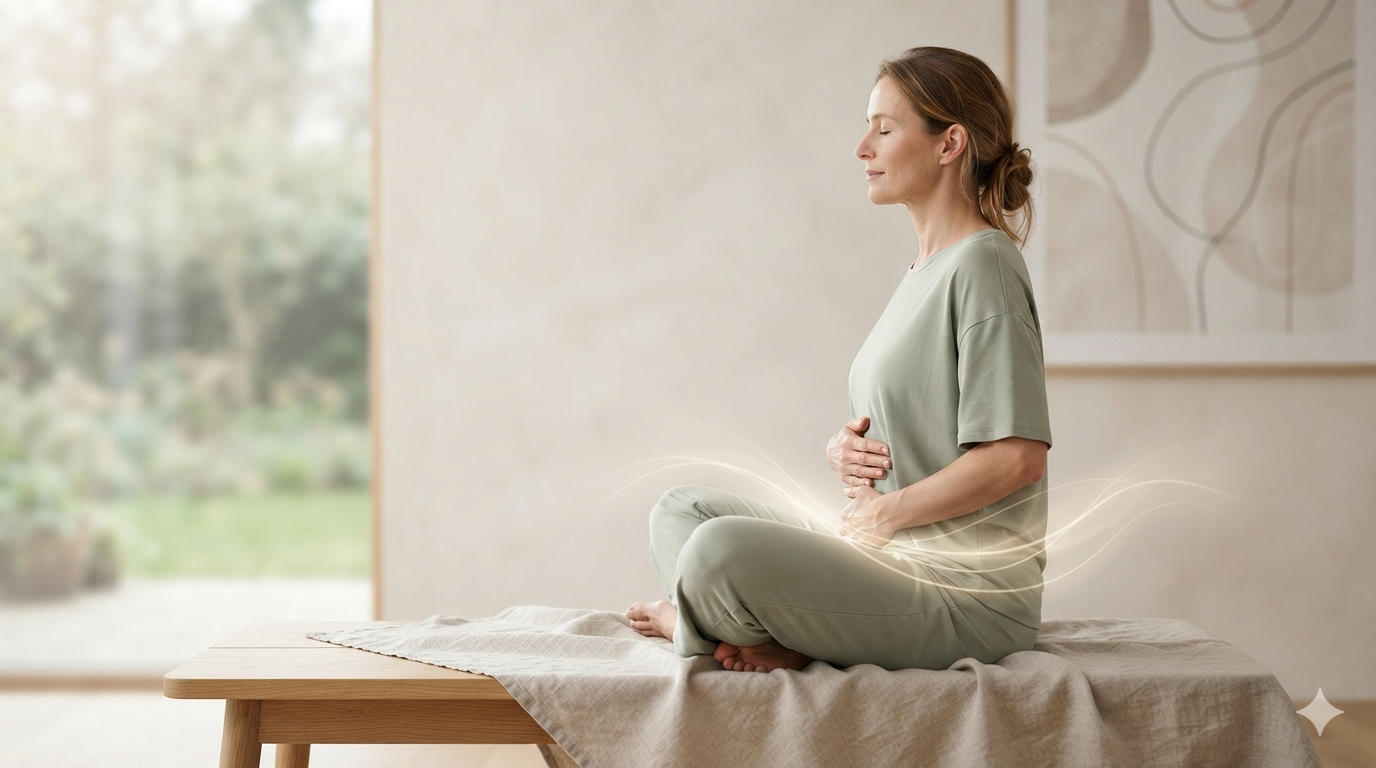
Nervous system regulation is a way of giving the body repeated experiences in which sensation and movement can happen without escalating the protective response. This can be very simple: a position that feels supported, an unforced breath, gentle movement, or enough time to notice what changes as you settle.
Consistency can help the nervous system become familiar with an experience, and dosage matters. More is not automatically more useful. A short practice that leaves you feeling present and able to sense your body may give you better information than a long session you are enduring. RYC® includes nervous system practices for exactly this kind of exploration.
Graduated dilator work
Dilators can be useful for gradual exposure to penetration, particularly when their use is paced around sensation and the person retains a sense of choice throughout the practice. I am interested in what the rest of the body does as the dilator is introduced: Does the breath stop? Does the jaw clench? Do the glutes grip? Does the belly brace? Those responses are part of the information.
The aim is to create experiences the nervous system can actually absorb. That may mean a smaller dilator, less depth, more time, or stopping on a particular day. A pelvic floor physical therapist or appropriately trained clinician can be especially helpful when pain is significant, progress has stalled, or you are unsure how to use dilators safely.
Fear-focused and psychological support
Anticipatory fear can become tightly linked with the physical response to penetration, and cognitive-behavioral and exposure-based approaches have been studied for vaginismus. One small exposure-based study reported intercourse after treatment in nine of ten participants, with improvement maintained at one year. The sample was very small, so I would read that result as promising evidence for the role of fear-focused treatment, not as a prediction of what any one person should expect.
For someone whose symptoms include trauma, panic, relationship distress, or strong anticipatory anxiety, working with a therapist who understands sexual pain and fear-avoidance patterns can add an important layer of support. That work can happen alongside physical care.
Pelvic floor physical therapy
Pelvic floor physical therapy can offer information that is difficult to gather on your own. Depending on the practitioner and what you consent to, assessment and treatment may include education, breathing and movement, external or internal examination, manual therapy, biofeedback, and a home program.
With vaginismus, I would look for a practitioner who understands hypertonic and protective pelvic floor patterns and who works at a pace that preserves your agency. Consent is ongoing during pelvic health care, including during an examination.
How RYC® supports vaginismus recovery
The RYC® 12-Week Program works with the pelvic floor as part of a whole-body system. Breath, alignment, mobility through the hips and inner thighs, progressive movement, pressure management, and nervous system practices are woven through the program, giving you ways to explore how tension is being organized throughout your body.
RYC® is a movement program, and vaginismus can involve medical, pelvic health, psychological, relational, and sexual-health considerations that sit beyond the scope of a movement program. For many people, the program can be one part of a broader care team, particularly when pelvic floor physical therapy, psychotherapy, sex therapy, or medical assessment is appropriate.
The work I care about here is body literacy. As you become more able to feel when you brace, where you hold your breath, how your hips and ribs move, and what helps your system settle, you have more information to work with. Those observations can also make conversations with your clinicians much more specific.

Access your free workout and start healing your core and pelvic floor today
Table of Contents
FAQ
Is vaginismus all in my head?
Vaginismus involves a real involuntary physical response. Pelvic floor muscle activity has been measured in research, and the nervous system is part of how muscle tone, pain, anticipation, and protective responses are organized. Psychological and physical factors can interact without making the experience imaginary.
Does treatment usually involve a partner?
A partner can be involved when that feels useful and consensual, and partner involvement is not required for care to begin. Some therapeutic approaches include couples work, while pelvic floor physical therapy, movement, dilator practice, and individual therapy can all be undertaken without a partner present.
Is vaginismus caused by trauma?
Trauma can be part of the history for some people with vaginismus, and it is not present in every case. Research reviewed by Lahaie and colleagues did not establish past abuse as a universal or defining cause. Painful penetration, medical experiences, stress, anxiety, and other learned associations may also contribute to the pattern.
Does the RYC® 12-Week Program treat vaginismus?
The RYC® 12-Week Program can be a really valuable part of healing vaginismus because so much of the work we do addresses the patterns that can contribute to pelvic floor gripping. We work with breath, pressure, hip and inner thigh mobility, whole-body movement, pelvic floor awareness, and nervous system regulation, giving the body repeated opportunities to experience movement, sensation, and release with more ease.
For some women, RYC® sits alongside pelvic floor physical therapy, dilator work, therapy, or medical care, depending on what is contributing to their symptoms. Vaginismus is complex and individual, and the program gives you a comprehensive way to work with your body as a whole while you begin to understand the patterns that are showing up for you.
Can vaginismus improve without medication?
Many established approaches to vaginismus are non-pharmacological and include pelvic floor physical therapy, graduated exposure or dilators, psychological or sex-therapy support, and education. Medication may be relevant for some people depending on pain, anxiety, hormonal factors, or another diagnosis, which is a conversation to have with a qualified healthcare professional.
Are dilators enough to heal vaginismus on their own?
Some people make meaningful progress with dilators, and others find they work best as one part of a broader approach. The response during dilator use matters: breath, pain, fear, pelvic floor tone, pace, and a sense of control can all shape the experience. A whole-body pelvic floor rehab program like RYC® can complement dilator work by addressing breath, pressure, mobility, nervous system regulation, and the patterns of gripping and tension happening throughout the body. Pelvic floor physical therapy can also be valuable, particularly when dilator work repeatedly increases pain or distress.
Do I need a formal diagnosis before starting RYC®?
You do not need a vaginismus diagnosis to participate in the RYC® 12-Week Program. If you have unexplained pelvic pain, bleeding, new or severe symptoms, or difficulty with penetration that has not been medically assessed, clinical evaluation can help rule out other causes and give you a clearer picture of what you are working with.
How long does vaginismus take to improve?
There is no reliable timeline that applies to everyone. Duration of symptoms, pain, fear, pelvic floor tone, previous experiences, and the kind of support you have around you can all shape how the process unfolds. Working with several parts of the pattern together can help create more opportunities for change, including pelvic floor physical therapy, appropriate dilator work, nervous system support, and a comprehensive pelvic floor rehab program like the RYC® 12-Week Program, which works with breath, pressure, mobility, whole-body movement, and pelvic floor awareness. Consistency matters too, because the body needs repeated experiences to build new patterns over time.
You may notice changes in comfort, breathing, gripping, anticipation, or your ability to release before penetration itself changes. These are meaningful shifts in how the body is responding and can be part of the progression toward more comfortable penetration.
References
Carlson, K., & Mikes, B. A. (2026). Dyspareunia. In StatPearls. StatPearls Publishing. https://www.ncbi.nlm.nih.gov/books/NBK562159/
Lahaie, M. A., Boyer, S. C., Amsel, R., Khalifé, S., & Binik, Y. M. (2010). Vaginismus: A review of the literature on the classification/diagnosis, etiology and treatment. Women’s Health, 6(5), 705–719. https://doi.org/10.2217/WHE.10.46
van der Velde, J., Laan, E., & Everaerd, W. (2001). Vaginismus, a component of a general defensive reaction: An investigation of pelvic floor muscle activity during exposure to emotion-inducing film excerpts in women with and without vaginismus. International Urogynecology Journal and Pelvic Floor Dysfunction, 12(5), 328–331. https://doi.org/10.1007/s001920170035
Top articles

“There is no thank you big enough for Lauren Ohayon existing and thinking and helping so many of us. Every time I do something I never thought I’d do again she is part of the reason why.”
Laura Gregg
Strengthen, heal & nourish your pelvic floor & core
Try a FREE workout
with Lauren
*10K+ women healed and healing
Thank you!
Your FREE video is on the way
Please check your email inbox in a few minutes.
Related articles


Enjoy a free, pelvic-floor & core healing whole-body workout today
Get more actionable info, inspiration and exclusive offers delivered to your inbox.
*No spam, just quality content and support
Thanks for subscribing!

inbox soon.
Thanks for subscribing!
Please check your inbox soon.