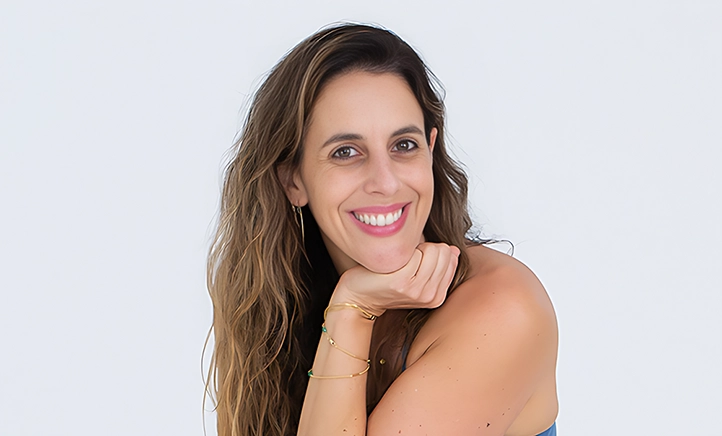
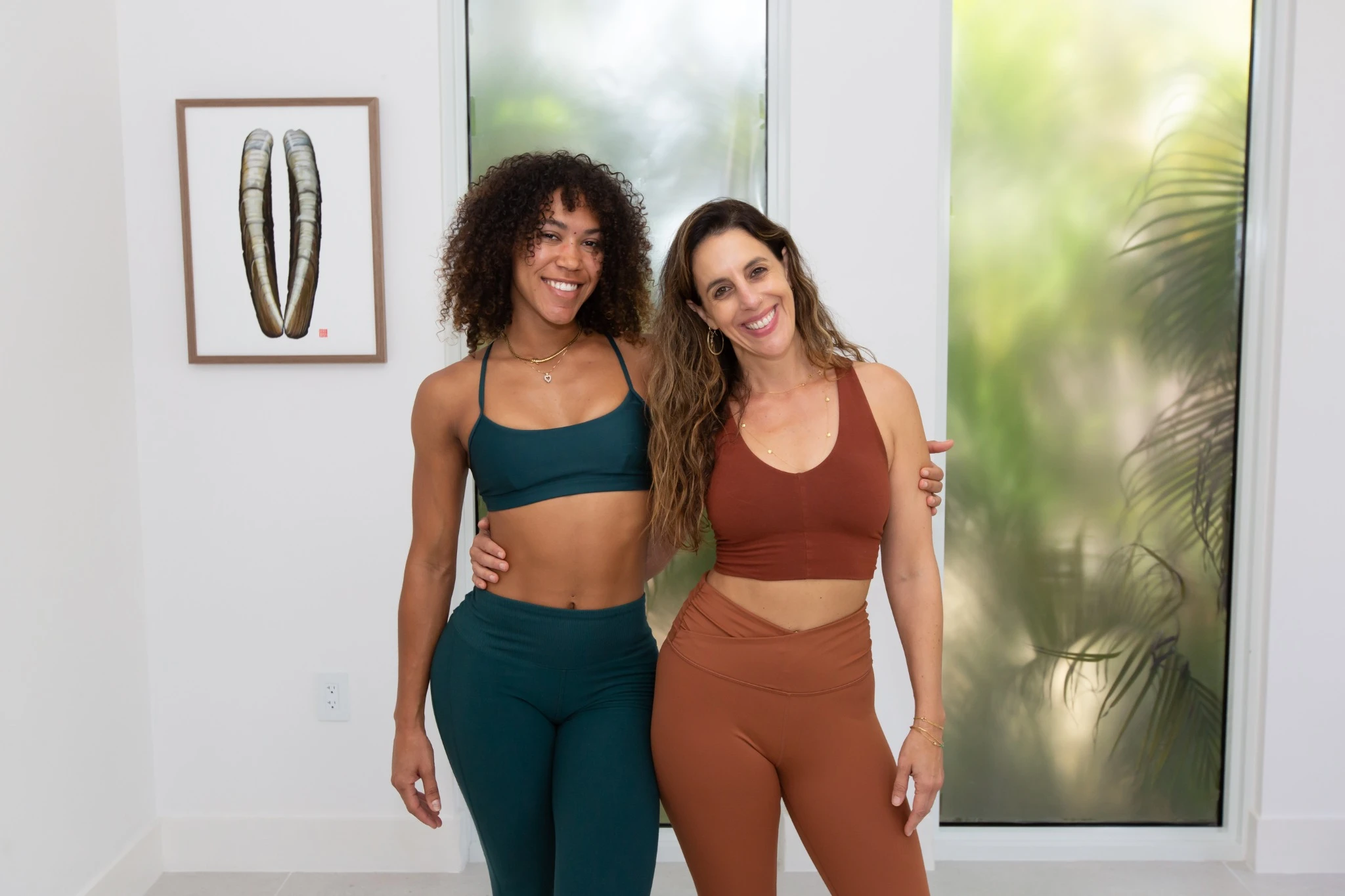
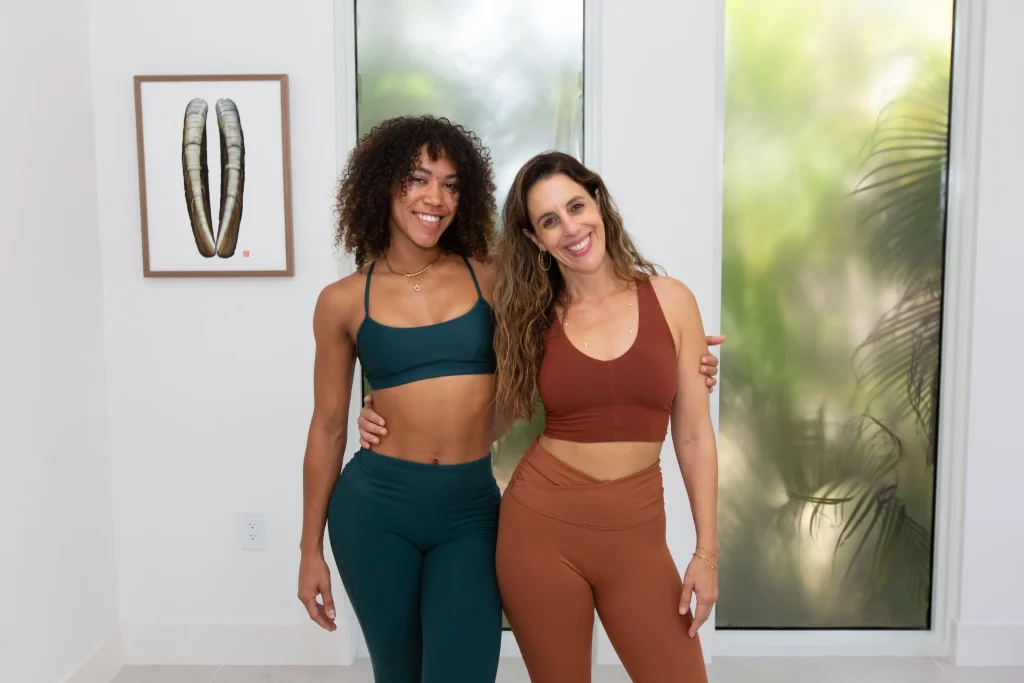
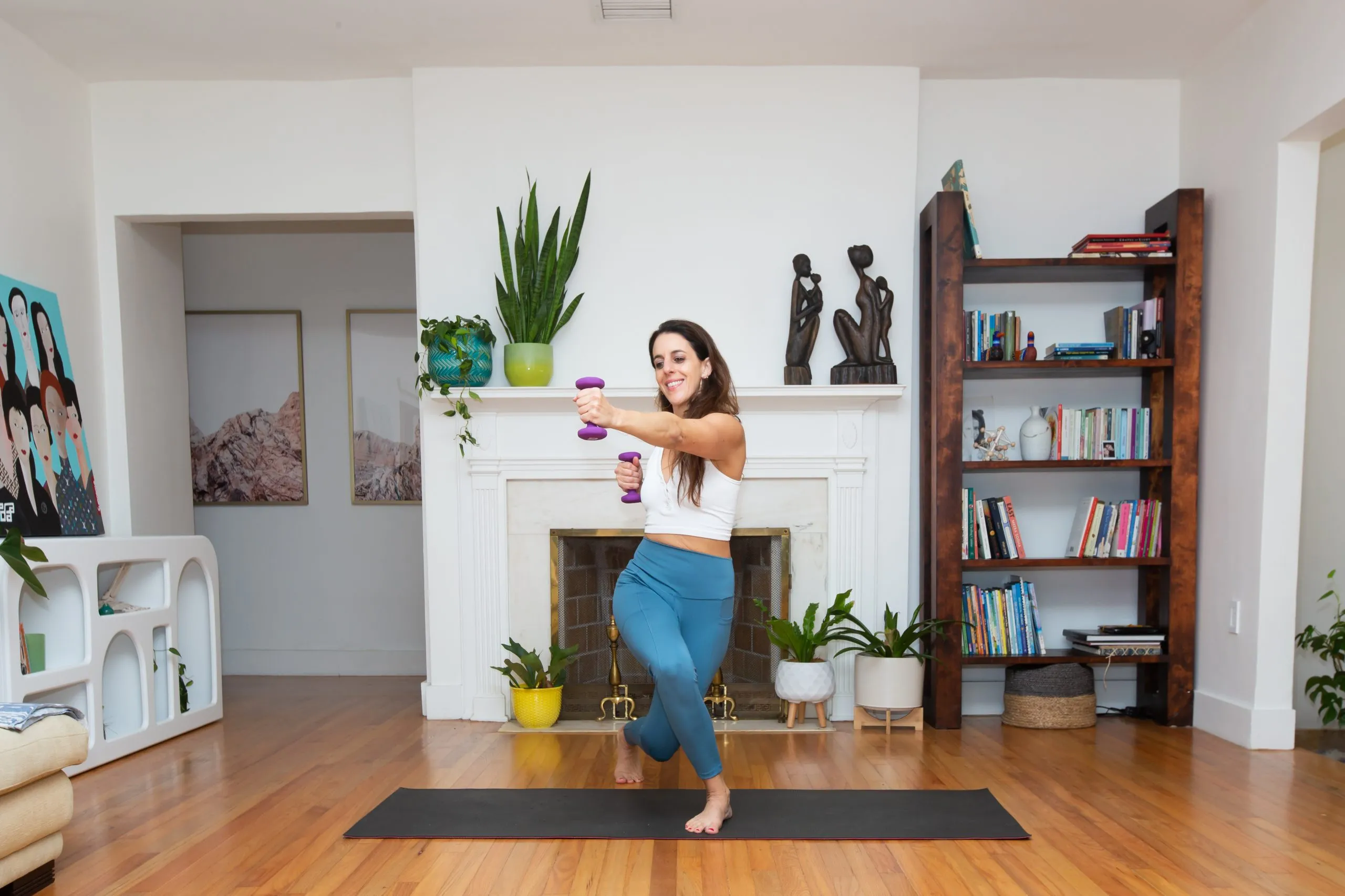
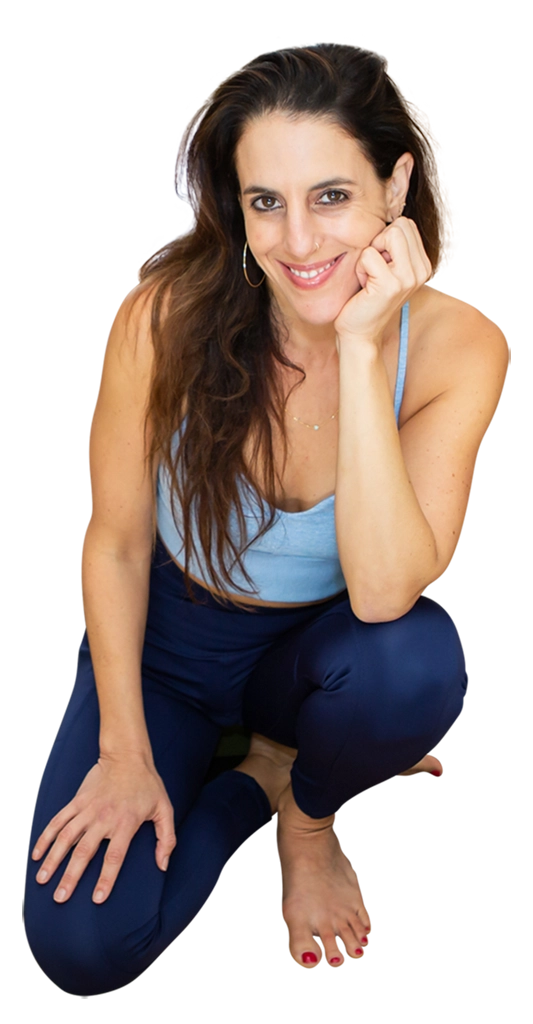
Lauren Ohayon is the creator of Restore Your Core® (RYC®), a comprehensive and sustainable whole-body fitness program that empowers women to achieve ideal pelvic floor / core function and be strong, long, mobile and functional.
Search for pregnancy support and you’ll mostly find programs that focus on just one stage: a fitness app for pregnancy, a labor class, or a few postpartum recovery exercises. Very few support women all the way through pregnancy, birth, and recovery, so most are left looking for what comes next.
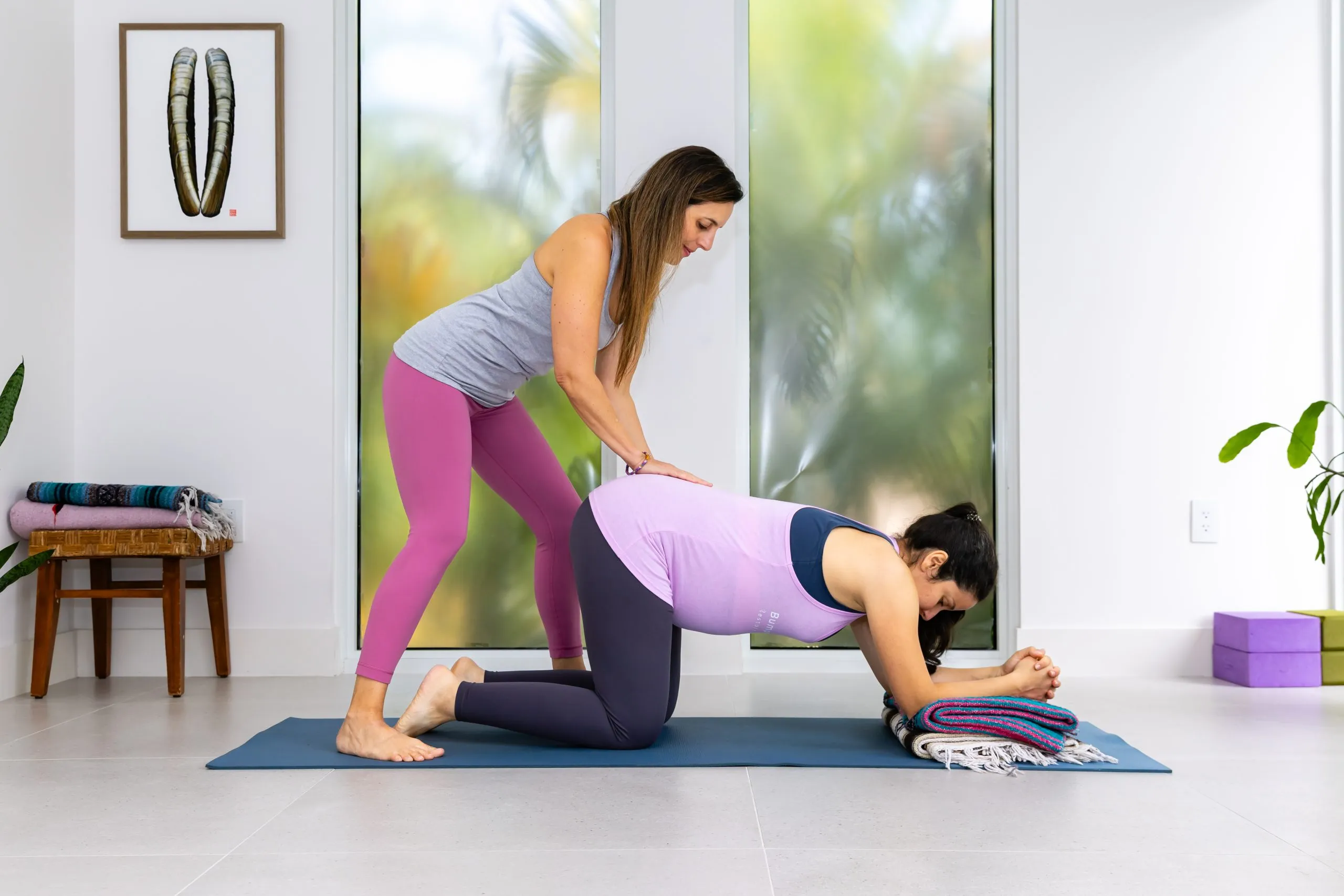
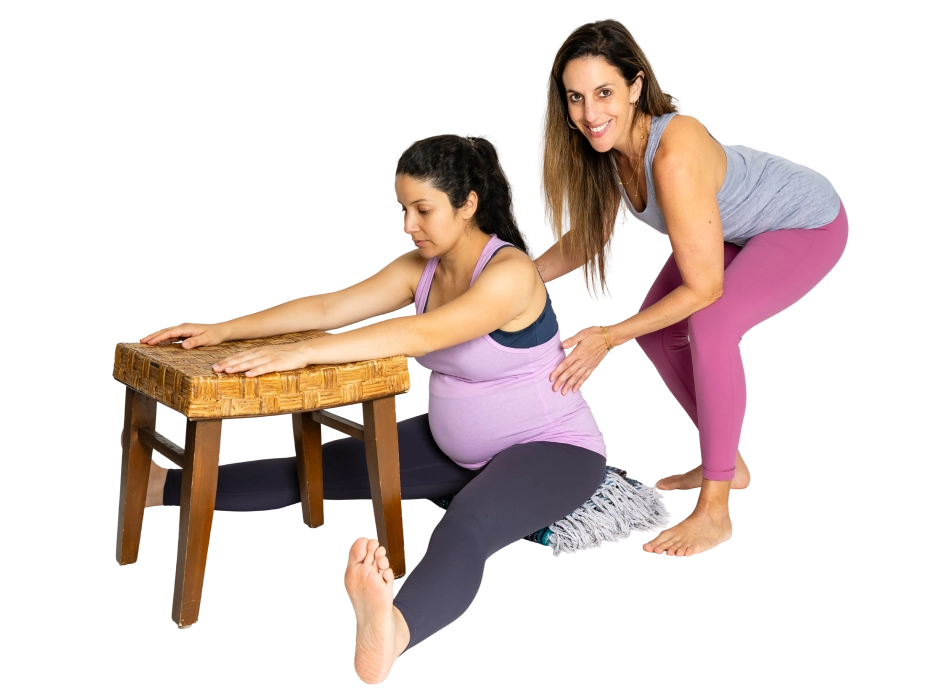
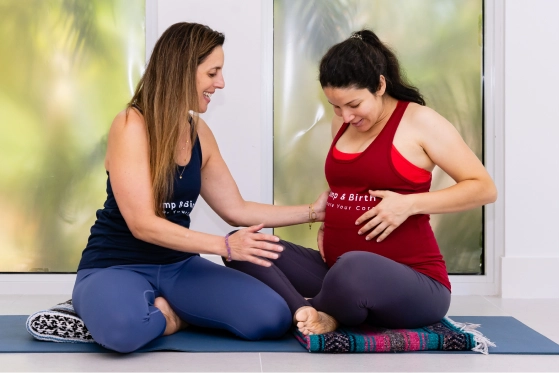
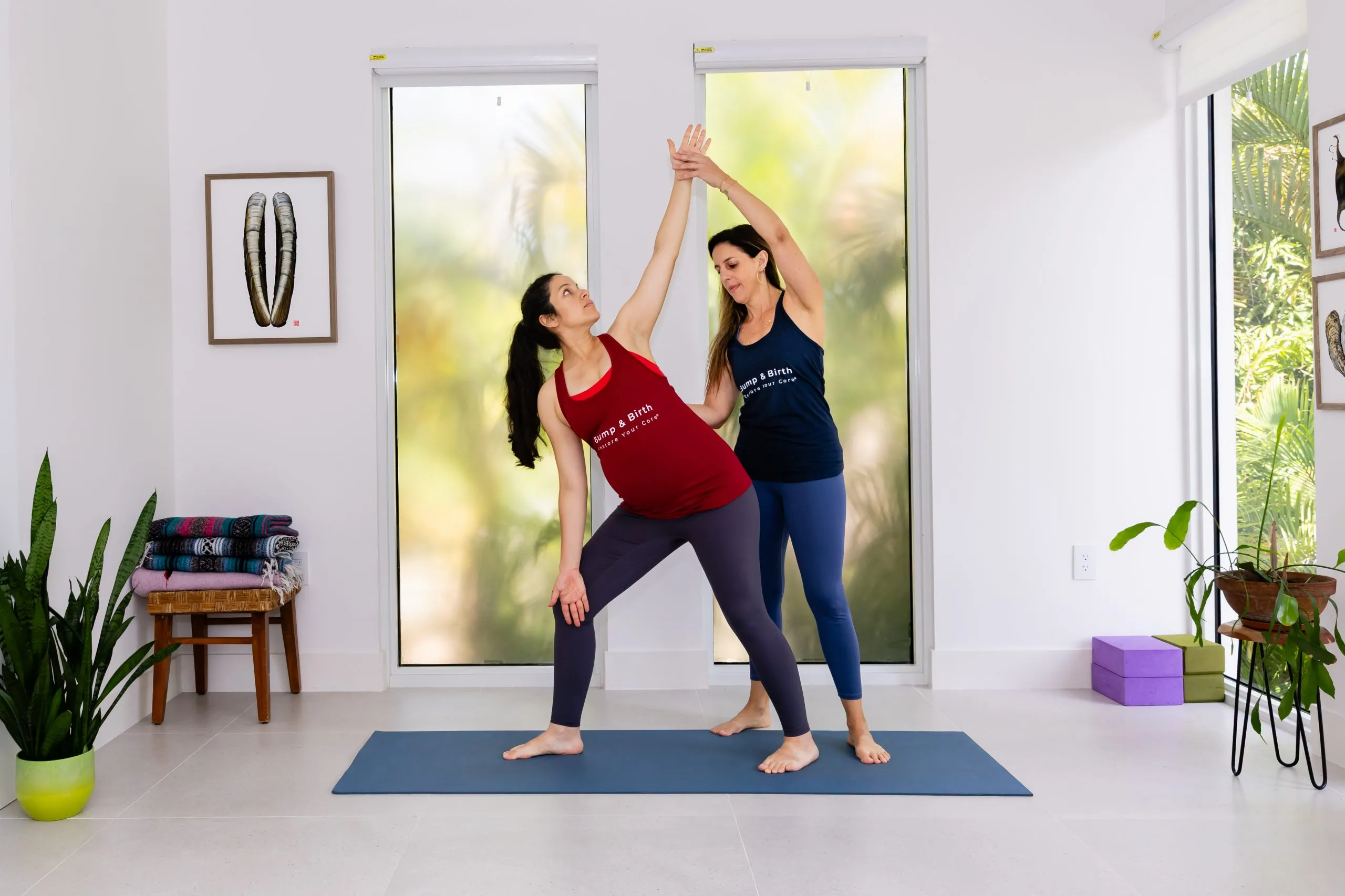
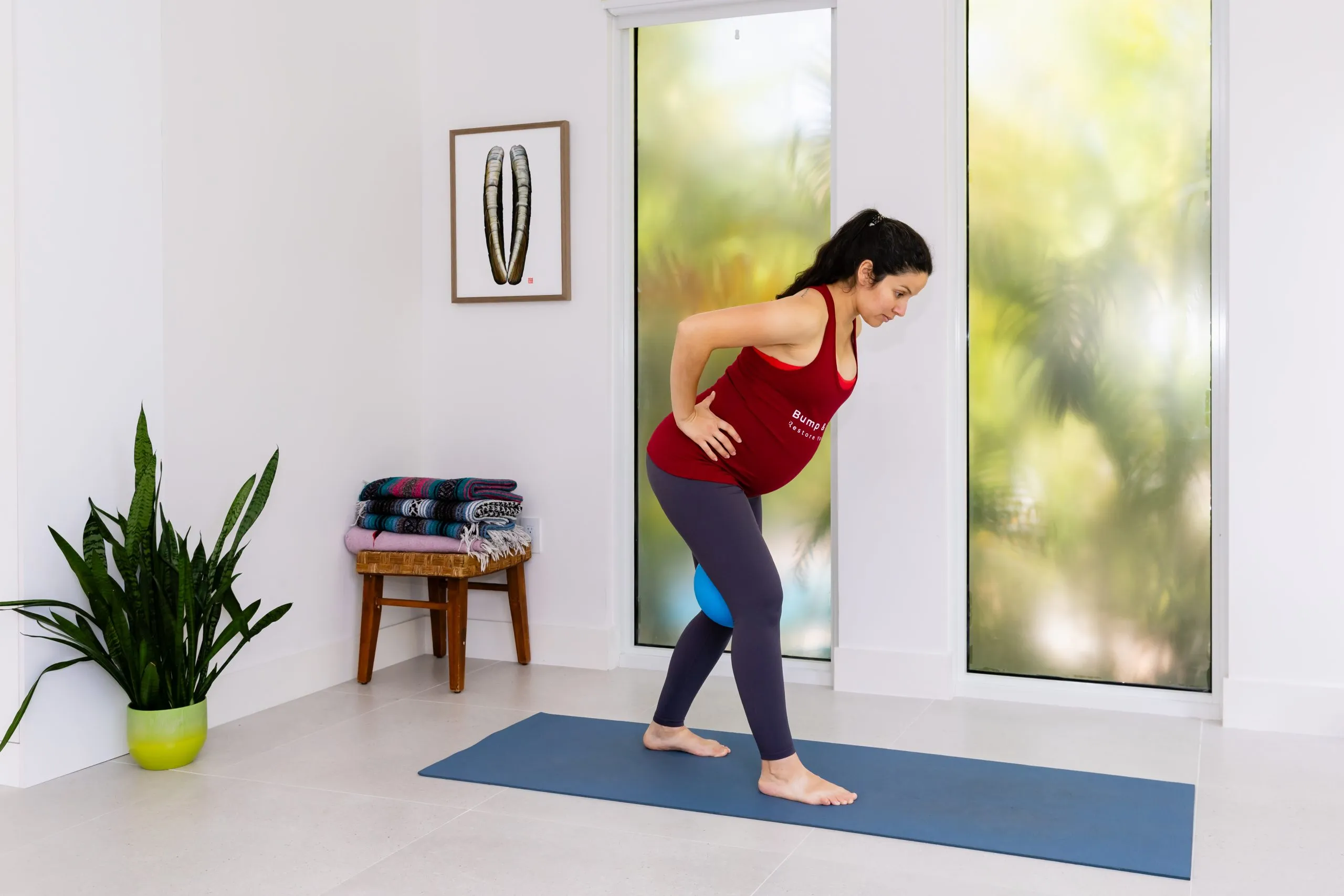
RYC® Bump & Birth, created by pelvic floor movement specialist Lauren Ohayon, runs from your first trimester through labor and into early postpartum recovery. Breath, pelvic floor coordination, and nervous system regulation are the throughline connecting every stage, so the work you do in pregnancy is still relevant on day three postpartum.
Start your healing today with this free workout
Splitting pregnancy, birth, and recovery across separate apps or classes isn’t wrong, but it does mean relearning a new method, a new instructor’s language, and sometimes a different philosophy every time you transition to a new stage. A program built around the whole arc removes that friction in a few concrete ways:
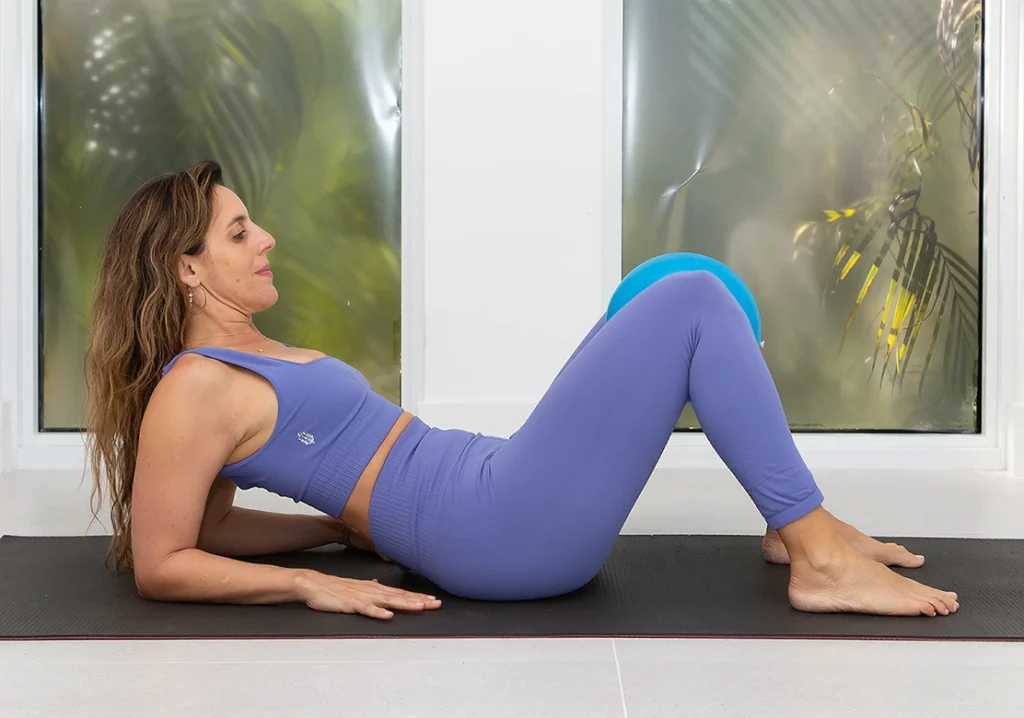
Try 18 minutes of healing, nourishing movement – the RYC® way
The program is organized in four parts, each addressing a different stage of the journey.
Enjoy a free, pelvic-floor & core healing whole-body workout today
A program that spans this much ground only holds up if it actually fits the range of people going through pregnancy. A few situations worth knowing about:
Lauren Ohayon has spent more than 25 years teaching women how the core and pelvic floor work through pregnancy, birth, and recovery, including teaching in-person prenatal childbirth classes in New York and co-founding what’s now known as Body Ready Method®. That experience shaped the proactive pelvic floor preparation Bump & Birth is built around.
The program is recommended by OB/GYNs, midwives, pelvic health professionals, and doulas across more than 80 countries, and its underlying method has been taught to more than 700 trained movement and pelvic health professionals worldwide, inside a community of more than 30,000 members. It’s designed to work as a complete plan on its own, or alongside whatever training you’re already doing, to make it pregnancy-safe and birth-ready.
Access your free workout and start healing your core and pelvic floor today
It continues well past birth. Alongside the pregnancy and labor content, RYC® Bump & Birth includes evidence-based guidelines for healing from day one, a gentle recovery class built specifically for the earliest postpartum weeks, and a foundational framework covering the Core 4, the Floor 4, and how the nervous system affects the pelvic floor. From there, it opens into a discounted pathway to the full RYC® postpartum program, so the early recovery content isn’t a standalone piece tacked onto the end.
Most women aren’t fully healed by the end of the early postpartum window Bump & Birth covers, and that’s expected. Rather than leaving you to start over with a new approach, the program includes a discounted pathway into the full RYC® 12-week postpartum program, which continues the same breath, pelvic floor, and nervous system framework into longer-term healing. That continuity matters most in the weeks right after birth, when researching a brand-new resource is the last thing most new mothers have the bandwidth for.
A program can cover all three when it’s built around the same underlying framework for each stage, rather than treating them as separate skill sets. RYC® Bump & Birth uses breath, pelvic floor coordination, and nervous system regulation as the throughline across pregnancy, labor, and early recovery, so the same language and cues carry through instead of resetting at each transition. That’s different from combining a fitness app, a birth class, and a postpartum program from three different sources, where the approach, and sometimes the underlying philosophy, changes each time.
Piecing resources together can still work, but it usually means relearning a new framework, new cues, and sometimes a different philosophy at every stage. A continuous program lets the coordination built during pregnancy, how you breathe, how your pelvic floor responds to pressure, how your nervous system handles intensity, carry directly into labor and then into recovery, so nothing gets left behind at the transitions. For many women, that continuity is what makes the early postpartum weeks feel less disorienting, since the tools are already familiar rather than new.

Pregnancy fitness, birth education, and postpartum recovery are frequently built and marketed as separate offers, often by different providers entirely, since each one only has to cover a narrower slice of the timeline to be sold on its own. That’s efficient for the businesses building them, but it leaves the handoff between stages to the person going through it, often in the exact weeks when there’s the least time or energy to research something new. A program that treats the full arc as one continuous need, rather than three separate products, removes that gap by design.
Yes. The pelvic floor and breathing coordination built during pregnancy doesn’t disappear once the baby is born, it’s part of what your body draws on as it recovers. Women who’ve practiced staying regulated under physical stress during pregnancy, through what RYC® calls the Trust Focus State, often find that same skill useful again during the exhaustion and overwhelm of early postpartum life. That’s a large part of why programs that connect the two stages, including RYC® Bump & Birth, tend to make the early weeks feel less like starting from zero.
Yes. RYC® Bump & Birth was built around exactly that idea, covering pregnancy workouts, pain and symptom support, birth preparation, and early postpartum recovery inside one program rather than treating each stage as its own purchase. Because it’s one continuous approach, the breath and pelvic floor work introduced during pregnancy is the same framework used to prepare for labor and then to guide recovery afterward, instead of three unrelated systems stitched together.
The difference shows up mostly in continuity. Separate programs usually mean learning a new instructor’s method, new terminology, and sometimes an entirely different approach to the body each time you move to a new stage, while a continuous program keeps the same coordination, language, and cues running from pregnancy straight into recovery. That matters most in early postpartum, when the body is already relearning a lot at once, since the movement patterns introduced in pregnancy don’t need to be replaced, only built on.
“There is no thank you big enough for Lauren Ohayon existing and thinking and helping so many of us. Every time I do something I never thought I’d do again she is part of the reason why.”
Laura Gregg
Try a FREE workout
with Lauren
*10K+ women healed and healing
Please check your email inbox in a few minutes.
Enjoy a free, pelvic-floor & core healing whole-body workout today
*No spam, just quality content and support
Please check your inbox soon.
Try a FREE workout
with Lauren
*10K+ women healed and healing
Please check your email inbox in a few minutes.