Learn

Hi! I'm Lauren.
Nice to meet you
Lauren Ohayon is the creator of Restore Your Core® (RYC®), a comprehensive and sustainable whole-body fitness program that empowers women to achieve ideal pelvic floor / core function and be strong, long, mobile and functional.

Hi! I'm Lauren.
Nice to meet you
Top articles


What Are the Most Effective Non-Surgical Treatments for Bladder Prolapse?
A cystocele diagnosis – what most people call a bladder prolapse or fallen bladder – tends to arrive with very little accompanying guidance. You may have been told to avoid lifting, come back when it’s worse, or perhaps offered a referral to a surgeon without much discussion of the road in between. The gap between diagnosis and actual support is something many women find confusing and disheartening – and it is a gap that affects a significant number of people. Medical experts estimate that around 50% of women have some grade of cystocele, making it the most common form of pelvic organ prolapse (Cleveland Clinic, 2023).
There is quite a lot that can be done conservatively, and for most women with a stage 1, 2, or 3 cystocele, non-surgical approaches are genuinely worth pursuing before considering more invasive options. They do not work for everyone, and they require consistent effort over months rather than weeks, but the evidence supporting them is solid and the potential upside is significant.
This article covers what the research and clinical experience actually support, what each approach involves in practice, and how they tend to work together.
Start your healing today with this free workout
Table of Contents
What Is a Cystocele and When Is Non-Surgical Treatment Appropriate?
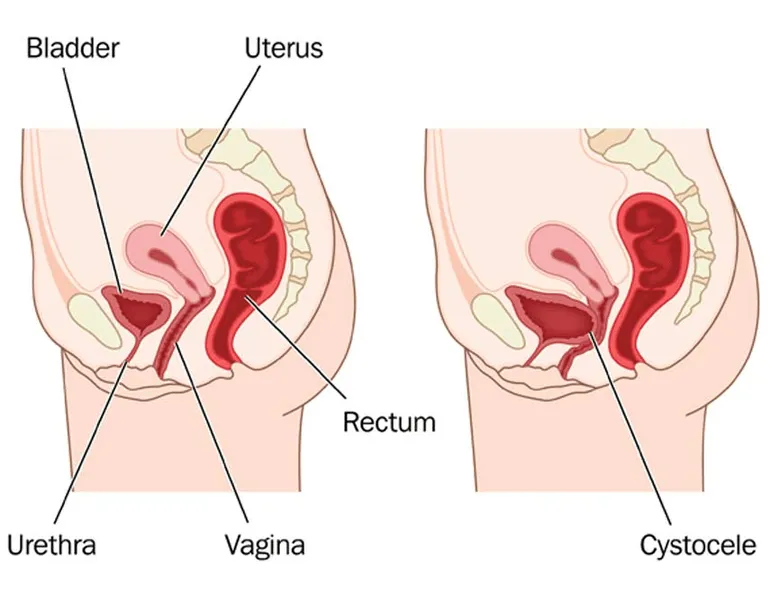
A cystocele occurs when the bladder descends into the anterior wall of the vagina, usually as a result of weakened connective tissue and pelvic floor support. It’s classified by grade: stage 1 means the bladder has dropped only slightly into the vaginal canal; stage 4 means it has prolapsed beyond the vaginal opening entirely. Women with stage 1 through 3 are typically the best candidates for conservative approaches, though even at more advanced stages, non-surgical management can help reduce symptom burden.
Common symptoms include a sensation of heaviness or fullness in the pelvis, pressure that tends to worsen toward the end of the day or after prolonged standing, difficulty emptying the bladder completely, and in some cases urinary urgency or leaking. Not all cystoceles cause symptoms – some are identified incidentally during a gynecological exam – and the severity of a woman’s experience does not always correspond directly to the anatomical grade.
Non-surgical treatment is generally considered appropriate as a first-line approach for stages 1 through 3. For stage 4 or for women whose symptoms are not responsive to conservative management after a genuine attempt, surgery becomes a more meaningful conversation.
Try 18 minutes of healing, nourishing movement – the RYC® way
Vaginal Pessaries
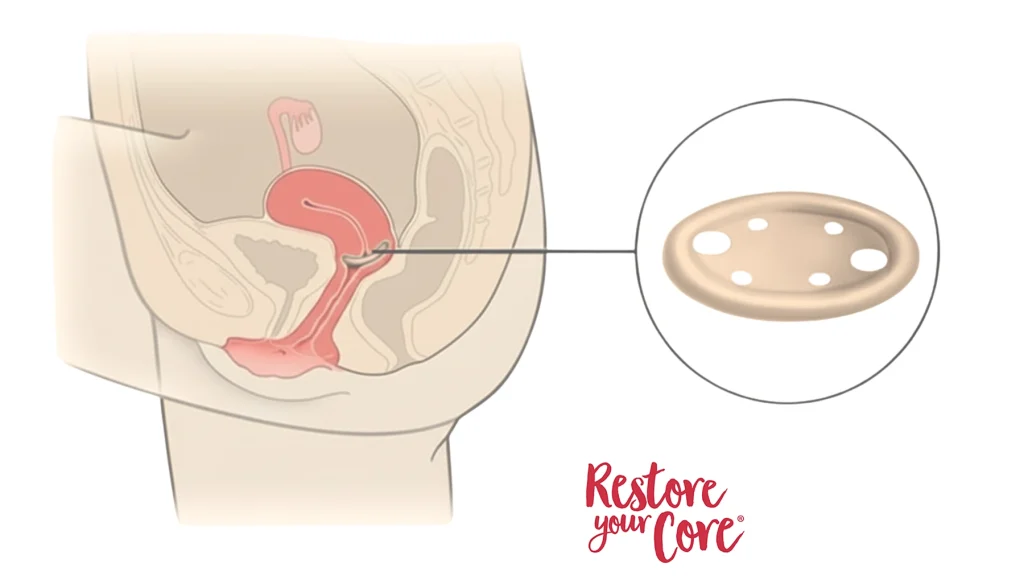
A pessary is a silicone device inserted into the vagina to provide mechanical support for the prolapsed bladder. It does not treat the underlying cause, but it can reduce or eliminate symptoms for many women, and for some it becomes a long-term management strategy they find fully workable.
Pessaries come in many shapes and sizes, and finding the right fit often takes a few appointments with a gynecologist or urogynecologist who has experience fitting them. Once the right fit is found, many women manage their pessary independently, removing and cleaning it themselves. Others have it managed at regular clinical appointments.
Pessaries are particularly useful for women who want symptom relief while they work through a rehabilitation program, women who are not surgical candidates for medical reasons, and women who want to manage symptoms during physical activity. Research consistently shows high satisfaction rates among women who find a well-fitting device – one prospective study found that the large majority of women with a successful pessary fitting reported satisfaction and meaningful symptom improvement at six months, particularly for the sensation of pelvic fullness and pressure (Radnia et al., 2019). They are safe for most women, though some experience discharge, discomfort with an ill-fitting device, or difficulty with insertion and removal, and regular check-ins help make sure everything is working as it should.
Load Management and Daily Habit Adjustments
How you move through an ordinary day accumulates in a way that is easy to underestimate when you’re thinking only about dedicated exercise time. The pelvic floor is managing pressure continuously – during every breath, movement, lift, and position change – and some habitual patterns load it in ways that compound the prolapse over time.
A few changes that tend to make a meaningful cumulative difference:
- Getting out of bed by sitting straight up from lying drives a pressure spike through the pelvic floor before the day has begun. Rolling to one side and pressing up with the arms distributes that load differently.
- Straining on the toilet creates intense repeated downward pressure. A small footstool that raises the knees above hip level changes the pelvic angle enough to make elimination easier without bearing down.
- Breath-holding during effort – picking something up, standing from a low chair, carrying bags – redirects pressure straight down through the pelvic floor. Exhaling on the effort moves that pressure upward and outward.
- Prolonged standing, particularly without movement breaks, allows gravity to work against the supporting structures for extended periods. Regular position changes and rest periods help during the early stages of recovery.
- Chronic abdominal bracing and the habit of pulling the belly in continuously can actually disrupt pelvic floor coordination over time by altering the pressure system the floor operates within.
None of these are large lifestyle changes on their own. Together, over weeks and months, they shift the cumulative load the pelvic floor is managing and can make the difference between a rehabilitation program that produces results and one that feels like it’s working against gravity.
Enjoy a free, pelvic-floor & core healing whole-body workout today
Breath Mechanics
Breath is something that tends to get overlooked in prolapse management because it does not look like treatment. It is, though, one of the most direct ways to influence pelvic floor function because the diaphragm and pelvic floor move in coordination with every breath.
On every inhale, the diaphragm descends and the pelvic floor softens and lengthens slightly to receive the pressure shift. On every exhale, both return. That coordination keeps the pressure system balanced and gives the pelvic floor a chance to recover between loading events. Shallow breathing – high in the chest, with the belly held rigid – reduces the diaphragm’s movement range, and the pelvic floor’s ability to respond to pressure shifts can diminish alongside it.
Retraining breath to be fuller and more three-dimensional – with the ribs expanding laterally and the belly allowing movement rather than being held rigid – is often one of the first things addressed in a good rehabilitation program, because it underpins everything else. Many women notice a change in their pelvic symptoms within the first few weeks of paying consistent attention to how they’re breathing.
Pelvic Floor Rehabilitation Programs Like Restore Your Core®
Pelvic floor rehabilitation, when done properly, addresses the whole pressure system the pelvic floor operates within – breath mechanics, alignment, load management, and the coordination between the diaphragm and the pelvic floor across the range of daily movement. It encompasses considerably more than the standard advice to do Kegels.
The pelvic floor does not function in isolation. It works as the base of a pressure canister that includes the diaphragm above, the deep abdominals around the sides, and the spinal stabilizers at the back. Everything that passes through the body – a cough, a step, lifting a child, standing from a chair – moves through this system. A well-coordinated system distributes that load in a way the pelvic floor can manage. Poor breath mechanics, misaligned posture, or certain muscles chronically overworking all shift more of that load onto the pelvic floor, and symptoms tend to follow.
A structured rehabilitation program that works from foundational coordination toward progressive functional strength – in a logical sequence, with attention to how the whole system is responding – tends to produce more durable results than isolated pelvic floor exercises. Restore Your Core® is one of the more widely used online programs for this kind of whole-body cystocele rehabilitation, working through four progressive phases that address breath, pressure management, posture, and load in sequence. For women who do not have access to a specialist, or who want something to work with consistently between appointments, a well-designed program can provide the daily framework that makes the difference.
A note on Kegels
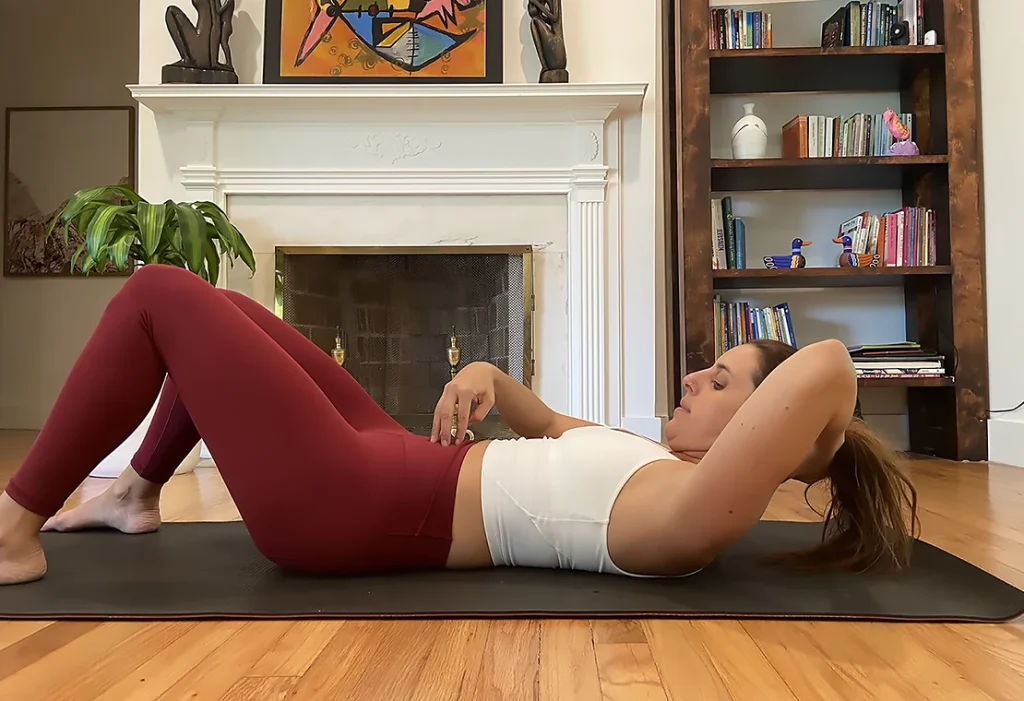
Kegel exercises have genuine value, and they are a reasonable part of a rehabilitation approach. The part that tends to be missing from standard advice is the distinction between voluntary contraction – which Kegels train – and the reflexive, involuntary response that the pelvic floor actually needs during coughing, sneezing, lifting, and other pressure-generating moments. Training one does not automatically develop the other, and for some women whose pelvic floor is already holding too much tension, adding more voluntary contraction can worsen symptoms.
A pelvic floor assessment from a trained physiotherapist can clarify whether you’re dealing with underactivity, overactivity, or a coordination issue, because the approach for each differs meaningfully.
Topical (Vaginal) Estrogen
Estrogen plays an important role in maintaining the health and elasticity of pelvic floor tissues. As levels decline during perimenopause and menopause, these tissues can become thinner and less resilient, and symptoms often shift as a result. Vaginal atrophy – the thinning and drying of vaginal tissues that accompanies this hormonal shift – is a contributing factor for many postmenopausal women presenting with cystocele symptoms.
Topical vaginal estrogen – applied locally as a cream, pessary, or ring – is sometimes recommended to support tissue quality. The evidence is mixed: some studies suggest it can improve vaginal tissue health and make other treatments more effective, while a 2022 systematic review and meta-analysis in the Iranian Journal of Public Health, which analyzed seven RCTs, found no significant improvement in epithelial thickness or quality of life compared to placebo (Yu et al., 2022). What most clinicians agree on is that for postmenopausal women experiencing a noticeable shift in symptoms alongside hormonal changes, it’s worth discussing with a doctor or gynecologist, as some women do find it helpful as part of a broader management approach.
Bowel Health and Body Weight
Chronic constipation is a significant and often underaddressed factor in cystocele management. Regular straining at the toilet generates intense and repeated downward pressure on the pelvic floor and supporting structures – chronic increases in intra-abdominal pressure from straining, persistent coughing, and heavy lifting are well-established contributors to prolapse development and progression (Kuo et al., 2025). Addressing constipation through adequate hydration, fiber intake, bowel positioning (using a footstool), and if necessary medical input is genuinely part of managing a cystocele conservatively.
Excess body weight, particularly concentrated abdominally, increases the resting load on pelvic floor structures. For women who are carrying excess weight, even modest reductions can reduce the baseline pressure the pelvic floor is working against – the relevant factor here is mechanical load, specifically how it affects symptom management from day to day.

Pelvic Floor Physiotherapy
Working directly with a pelvic floor physiotherapist is the most individualized form of conservative treatment available. An internal and external assessment can identify what is actually happening – whether muscles are underactive, overactive, lacking coordination, or whether scar tissue or connective tissue issues are playing a role – in a way that no amount of home practice can substitute for.
A good pelvic floor PT will look beyond the pelvic floor itself. Posture, breathing patterns, hip and sacral mobility, and daily movement habits all influence how the pelvic floor functions, and addressing those factors alongside specific pelvic floor work tends to produce better outcomes than a generic Kegel protocol delivered in isolation. Many physiotherapists also offer guidance on bladder habits, bowel function, and how to modify activities during the recovery period.
Physiotherapy and home-based rehabilitation work well alongside each other. The assessment provides clarity about what the body specifically needs; the home program delivers the daily repetition that makes structural change possible. A lot of women find that having both running at once – the regular appointments sharpening the focus, the home practice doing the actual accumulation – moves things along faster than either would on its own.
What to Expect: Timelines and Progress
Conservative treatment for cystocele is generally a months-long process, and the trajectory is rarely smooth. Most women notice something shifting within the first four to eight weeks – less heaviness toward the end of the day, better awareness of what triggers symptoms, a few fewer flare-ups. Strength and coordination changes take longer, usually somewhere in the three to six month range with consistent effort, and some women find meaningful improvement continues well beyond that.
Symptoms often fluctuate during periods of higher physical demand, hormonal shifts, illness with coughing, or stress. That kind of variability is normal and does not necessarily indicate a setback. The general direction of travel over several months is more meaningful than any individual bad day.
For women whose symptoms are significantly affecting quality of life after a genuine and consistent attempt at conservative management, surgery is a real option worth discussing with a specialist. For many women, though, the combination of pelvic floor rehabilitation, physiotherapy, load management, and attention to contributing factors produces sufficient improvement that it stays off the agenda.
When to See a Healthcare Provider
Any new or worsening pelvic symptoms, difficulty emptying the bladder, pain with urination, recurrent urinary tract infections alongside prolapse symptoms, or a prolapse that has progressed to stage 4 all warrant a medical assessment. A urogynecologist or gynecologist with experience in pelvic floor conditions is the most appropriate specialist for a comprehensive evaluation and a discussion of the full range of options, including conservative and surgical approaches.
There is a lot you can do with a cystocele, and most women find that the combination of approaches that works for them comes together over time. If you’d like a structured starting point that addresses the whole pressure system – breath, coordination, alignment, and progressive strength – the RYC® 12-Week Program has been used by women with cystocele across 80+ countries and is recommended by pelvic floor physiotherapists and healthcare providers worldwide. It’s a good place to start.
Access your free workout and start healing your core and pelvic floor today
FAQ
Can a cystocele heal completely without surgery?
For some women, particularly those with stage 1 or 2 cystocele who address it consistently and early, symptoms can resolve to the point where the prolapse is no longer clinically significant. More commonly, conservative treatment produces substantial symptom improvement and a meaningful return to normal activity, even if the anatomical change does not fully reverse. The goal of non-surgical management is functional recovery – living without symptoms affecting daily life – which is achievable for many women regardless of whether the anatomy returns to its pre-prolapse state.
How does pelvic floor rehabilitation differ from just doing Kegels at home?
Kegels are one component of pelvic floor rehabilitation, and an important one, but they address only voluntary contraction. A full rehabilitation approach also works on the reflexive responses the pelvic floor needs during coughing, sneezing, and lifting; the coordination between the diaphragm and pelvic floor across movement; alignment and pressure management patterns; and the functional movements of daily life. Structured programs like the RYC® 12-Week Program are designed to deliver that full scope progressively, addressing the whole pressure system in a way that isolated exercises at home typically do not.
Is a pessary a long-term solution or just a short-term fix?
That depends entirely on the individual. Some women use a pessary as a temporary measure while they work through a rehabilitation program, finding that once they’ve built pelvic floor strength and coordination they no longer need it. Others find a pessary provides excellent symptom management and choose to use one indefinitely as their primary management strategy. There is no universal right answer, and the best approach is whatever allows the individual to manage her symptoms effectively and live well.
Does bladder prolapse always get worse over time if you don’t have surgery?
No, not necessarily. A cystocele can remain stable for years, particularly when the contributing factors – chronic straining, poor pressure management, heavy lifting without good mechanics – are addressed. Some women see genuine improvement with consistent rehabilitation. Progression is more likely when the underlying factors continue unchecked or when a woman is entering a hormonal transition that affects tissue quality. Regular review with a healthcare provider helps to monitor change and adjust the management approach accordingly.
Can I exercise normally with a cystocele?
Most forms of movement are compatible with cystocele management, particularly once foundational rehabilitation work has established better pelvic floor coordination and pressure management. High-impact activities – running, jumping, heavy compound lifting – are generally better introduced gradually and with attention to how the pelvic floor is responding, rather than being avoided indefinitely. A well-designed rehabilitation program builds this progression systematically, so the body is prepared for each new demand before it’s asked to meet it.
Should I see a pelvic floor physio before starting a rehabilitation program at home?
An assessment from a pelvic floor physiotherapist provides information about what is actually happening internally that a home program cannot replicate, and if access is available, it is worth pursuing. That said, many women begin a structured home program first and find it immediately useful, then seek a physiotherapy assessment when they can access it. The two are not mutually exclusive – they address the same goal through different lenses, and most women find they work well in parallel. If you are experiencing significant symptoms, pain, or are uncertain about the severity of your prolapse, a medical assessment is a sensible first step.
Why do cystocele symptoms tend to be worse at the end of the day?
Prolapse symptoms are often position-dependent and accumulate with load throughout the day. Prolonged standing and upright activity allow gravity to work on the supporting structures continuously, so by the evening many women notice more pressure, heaviness, or a more pronounced bulge than they felt in the morning. Lying down and resting allows those structures to decompress, which is why many women find that symptoms ease significantly with rest. This diurnal pattern is typical and does not indicate that the condition is worsening – it is information about how much demand the system is managing.
References
- Radnia N, Hajhashemi M, Eftekhar T, et al. Patient satisfaction and symptoms improvement in women using a vaginal pessary for the treatment of pelvic organ prolapse. Journal of Medicine and Life. 2019;12(3):271–275. doi:10.25122/jml-2019-0042
- Yu X, He L, Wang Y, et al. Local estrogen therapy for pelvic organ prolapse in postmenopausal women: a systematic review and meta-analysis. Iranian Journal of Public Health. 2022;51(8). doi:10.18502/ijph.v51i8.10255
- Kuo C-H, Martingano DJ, Mikes BA. Pelvic organ prolapse. In: StatPearls [Internet]. StatPearls Publishing; 2025. PMID: 33085376. Available from: https://www.ncbi.nlm.nih.gov/books/NBK563229/
- Cleveland Clinic. Cystocele (fallen bladder). Cleveland Clinic; reviewed 2023. Available from: https://my.clevelandclinic.org/health/diseases/15468-cystocele-fallen-bladder
Top articles
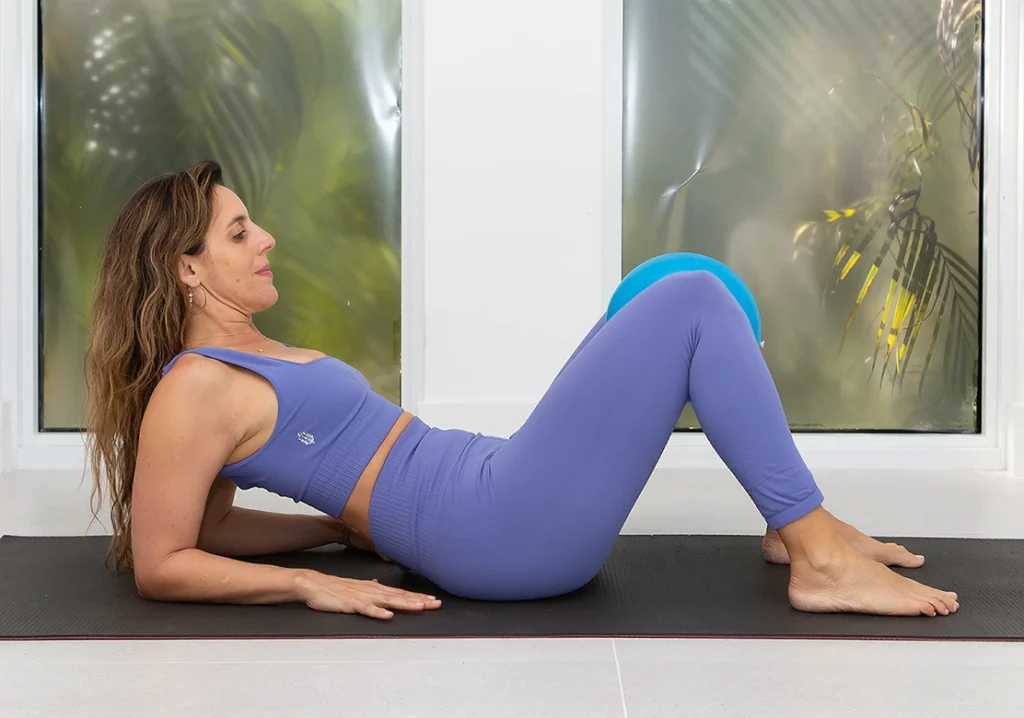

“There is no thank you big enough for Lauren Ohayon existing and thinking and helping so many of us. Every time I do something I never thought I’d do again she is part of the reason why.”
Laura Gregg
Strengthen, heal & nourish your pelvic floor & core
Try a FREE workout
with Lauren
*10K+ women healed and healing
Thank you!
Your FREE video is on the way
Please check your email inbox in a few minutes.
Related articles




Enjoy a free, pelvic-floor & core healing whole-body workout today
Get more actionable info, inspiration and exclusive offers delivered to your inbox.
*No spam, just quality content and support
Thanks for subscribing!

inbox soon.
Thanks for subscribing!
Please check your inbox soon.