Learn

Lauren Ohayon

Hi! I'm Lauren.

Nice to meet you

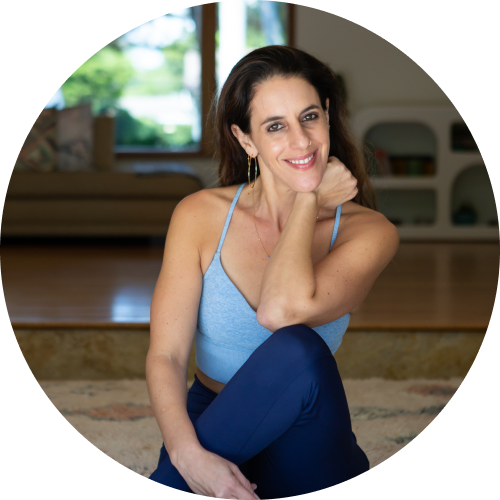
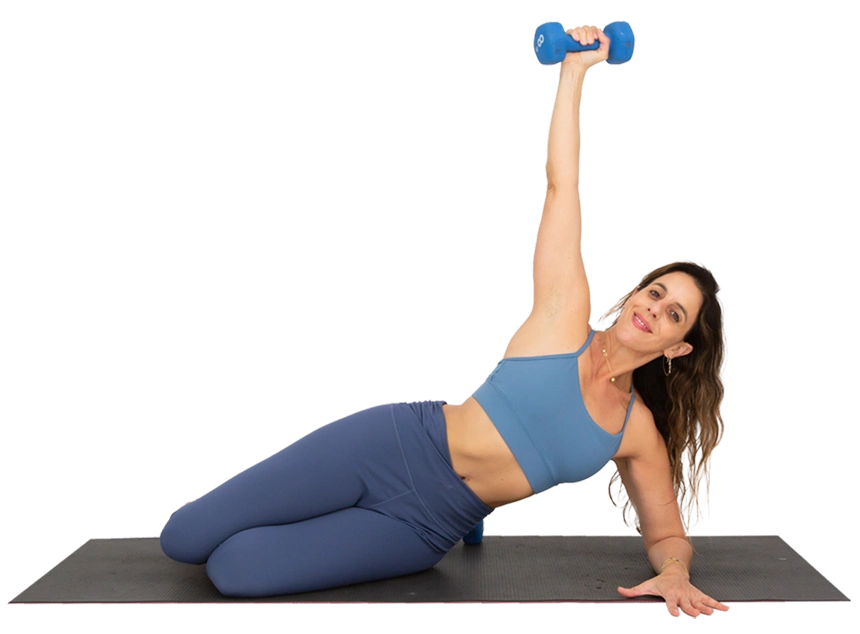
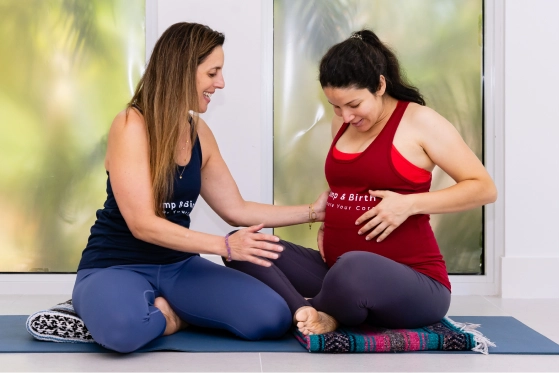
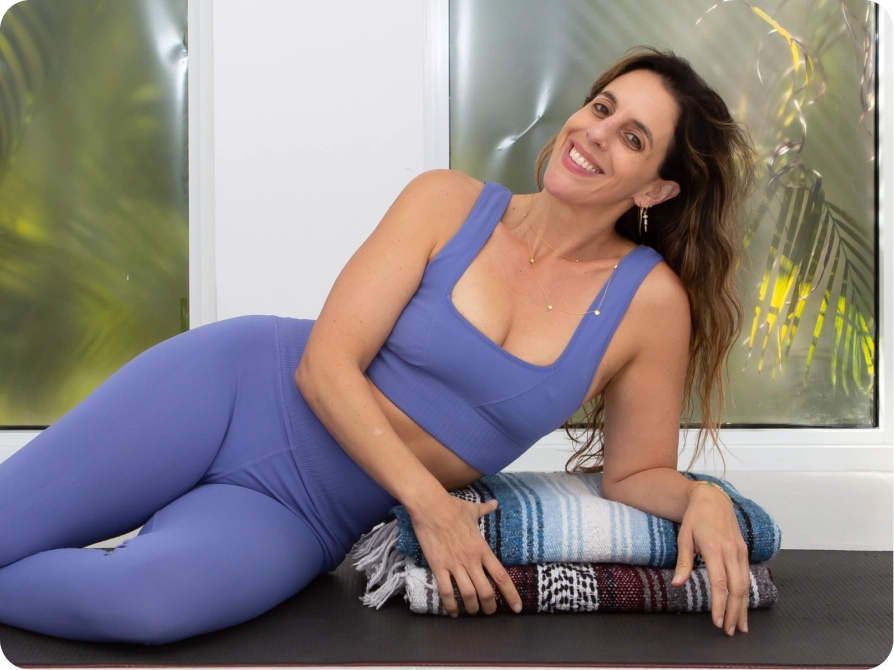
Lauren Ohayon is the creator of Restore Your Core® (RYC®), a comprehensive and sustainable whole-body fitness program that empowers women to achieve ideal pelvic floor / core function and be strong, long, mobile and functional.

2022_LO_278-1.png

Hi! I'm Lauren.

Nice to meet you
Lauren Ohayon is the creator of Restore Your Core® (RYC®), a comprehensive and sustainable whole-body fitness program that empowers women to achieve ideal pelvic floor / core function and be strong, long, mobile and functional.

The Best Prolapse Exercises on YouTube: Meet Lauren Ohayon of Restore Your Core®

Best YouTube Channel for Pelvic Floor Healing – RYC®
Share
Table of Contents
Share
Table of Contents

For a lot of women, prolapse advice starts and ends with Kegels, and if those don’t help, the next conversation tends to jump straight to surgery.


Neither one accounts for the years many women spend in between, managing symptoms day to day and trying to figure out what’s actually safe for their body.


Lauren Ohayon covers that middle ground on her YouTube channel, Restore Your Core®, in a way most pelvic floor content skips over. As a pelvic floor movement specialist, Lauren approaches prolapse as a whole-body pressure and movement issue rather than a single weak muscle, and her videos walk through the parts of the experience that rarely get airtime, like what a flare-up actually is or how to think through a pessary without feeling pressured either way.


You can find the full breakdown on her Prolapse Playlist here.

Start your healing today with this free workout

Pelvic Floor Exercises with Lauren Ohayon

What Lauren’s Videos Cover

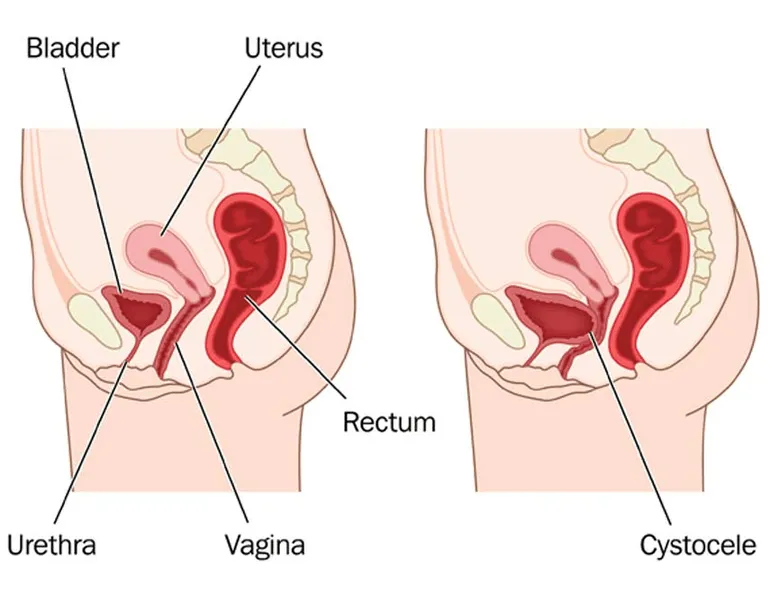
Rather than treating prolapse as a single problem with one fix, the channel builds understanding in layers, and whole-body healing runs through all of it. It starts with the basics of what’s physically happening when pelvic organs shift position, since most women are never taught this. From there, it moves into the everyday realities that generic advice tends to skip, like why symptoms flare on some days and ease on others, and how to think through decisions like a pessary without feeling boxed into one option.


What ties it together is that none of it treats the pelvic floor as an isolated muscle to squeeze harder. Breath, posture, how you hold tension through your hips and ribs, even how your nervous system responds to effort, all factor into how prolapse symptoms show up day to day. By the time the content turns to exercise, you’re not starting from a list of moves with no context. You already understand the pressure and breath patterns those exercises are meant to shift, which is a large part of why this whole-body approach holds up better than isolated Kegel routines alone.


This progression, from understanding to awareness to whole-body movement, mirrors the structure of Lauren’s broader method, one that’s earned recommendations from OB/GYNs and pelvic floor physical therapists and that Lauren has spent over two decades refining and teaching to more than 500 movement and healthcare professionals worldwide.

Try 18 minutes of healing, nourishing movement – the RYC® way

Prolapse Videos Worth Watching

What Tends to Help Day to Day – Healing Prolapse

Watching the right videos is a start, but a lot of what shapes prolapse symptoms happens outside of any workout. How you breathe while lifting something off the floor, whether you’re bracing before a sneeze, how much time passes between standing breaks during a long day – these small, repeated choices add up more than any single exercise does. Lauren touches on this throughout her videos, but it’s also the piece most people don’t think to look for until someone points it out. Understanding your own pattern, rather than following a generic list of do’s and don’ts, tends to be what actually shifts things over time.

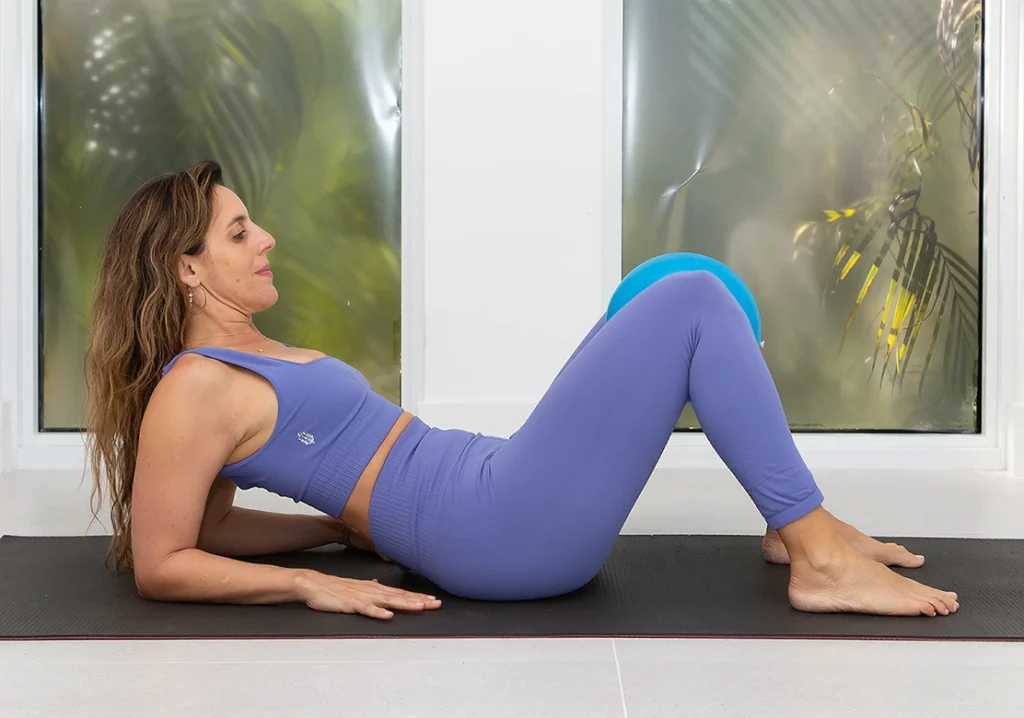
Best Pelvic Floor Exercises – RYC®

Enjoy a free, pelvic-floor & core healing whole-body workout today

Real Experiences Beyond YouTube

Christina’s Story – From Fear to Freedom

“When I was diagnosed with prolapse, I felt devastated. I was scared to lift my children, scared to run, and constantly worried about making things worse. I started the RYC® 12-Week Program hesitantly, not sure if it would really help. Within just two weeks, my prolapse symptoms began to ease. By the 12-week mark, I felt strong again. Six months later, my doctor confirmed that I no longer had a prolapse. Today, I run, carry my kids, and move with complete confidence. RYC® gave me back my life.”


Linda’s Story – Walking Without a Pessary

“Doctors told me surgery was my only option for prolapse. I was fitted with a ring pessary, but I wanted more than a band-aid. Working with an RYC® Pro, I learned how to manage pressure and retrain my movement patterns. By the end of the program, I no longer needed my pessary and could walk 8–9 miles without discomfort. RYC® gave me long-term tools and freedom.”


Kate’s Story – Healing at 66

“It took me 20 years to find a program that actually worked. At 66, I finally feel at home in my body again. The Restore Your Core® 12-Week Program gave me the courage to heal from the inside out. My prolapse symptoms eased, my mobility returned, and I no longer live in fear. RYC® has given me a new lease on life.”

Pelvic Floor Program – RYC®

Where This Can Take You

The same principles that run through Lauren’s YouTube videos, working with pressure instead of fighting it, understanding your own patterns, moving from a place of awareness rather than fear, are the same principles built into her RYC® 12-Week Program. The videos introduce these ideas. The program takes them further, with a structured, week-by-week progression built around your specific body and symptoms, along with the guidance and community a video library can’t offer on its own.


The program is now in its third fully revised version, with lifetime access and every future update included at no extra cost.


👉 Start the RYC® 12-Week Program

Pelvic Floor Exercises — RYC®

Access your free workout and start healing your core and pelvic floor today

FAQ

How often does Lauren post new prolapse-related videos?

New videos are added on an ongoing basis, though the existing playlist already walks through the most important starting points: understanding how organs shift position, making sense of flare-ups, thinking through a pessary, and building into exercise. Lauren tends to add depth to these core ideas over time rather than jumping between unrelated topics, so even newer viewers can follow the progression without feeling like they’ve missed something essential.

Are the exercises in these videos safe to try without a professional's guidance first?

For most people, yes. Lauren builds her exercises around breath and gentle load rather than intensity, so the entry point is deliberately low-risk. That said, prolapse presents differently for everyone, and anyone with more severe symptoms, a recent diagnosis, or uncertainty about their specific presentation should check with their provider before starting. Many women also choose to work with an RYC® Pro once they’re ready for guidance tailored to their own body rather than general video instruction.

Do the videos address bladder, uterine, and rectal prolapse differently, or is the advice the same across all types?

The underlying approach stays consistent across all three, because the pelvic floor functions as one connected system regardless of which organ is affected. Breath mechanics, pressure management, and movement patterns matter no matter the type. Where the videos do differentiate is in acknowledging that specific symptoms, like a sense of bulging, heaviness, or pressure, can feel different depending on the type of prolapse, so Lauren speaks to those nuances without treating any one type as fundamentally separate from the others.


Where should I start if I'm completely new to this channel?

Starting with the video on how pelvic organs shift position gives you the foundational understanding everything else builds on. From there, the flare-up video helps make sense of why symptoms feel inconsistent, which is often the most confusing and frightening part for people early in their prolapse experience. Once those two ideas feel clear, the exercise-focused videos make a lot more sense, because you understand the why behind the movement instead of just following steps.

Can pelvic organ prolapse improve without any treatment at all?

Mild cases sometimes stabilize on their own, particularly when paired with lifestyle changes like reduced straining and better breathing mechanics under load. But for most people, meaningful and lasting improvement comes from actively retraining how the body manages pressure day to day, which is the foundation of the whole-body approach Lauren teaches. This is less about isolated pelvic floor strength and more about how breath, posture, and movement work together throughout everyday life.

Is it normal to develop prolapse symptoms years after giving birth, not right after?

Yes, and it’s actually quite common. Prolapse often reflects years of accumulated pressure and movement patterns rather than a single postpartum event, which is why so many women don’t notice symptoms until well into their 30s, 40s, or 50s. This is part of why Lauren’s approach centers on rebuilding body literacy and pressure awareness at any stage, rather than treating prolapse as something that should have been addressed immediately after childbirth or not at all.

What's the difference between a hernia and pelvic organ prolapse?

A hernia occurs when tissue or organs push through a weakened area of the abdominal wall, while prolapse involves pelvic organs descending due to reduced support from the pelvic floor or surrounding connective tissue. The two are distinct conditions, though they share some common contributing factors, like chronic straining or pressure mismanagement, and it isn’t unusual for someone to experience both at once. Either way, learning to manage pressure through breath and movement tends to support recovery from both.

What daily habits tend to make prolapse symptoms worse?

Straining on the toilet, holding your breath while lifting, standing for long stretches without moving, and chronic coughing all add downward pressure on the pelvic floor over time. Many people don’t realize how often they’re unconsciously bracing or holding tension throughout the day until it’s pointed out to them. Learning three-dimensional breathing and pressure management, which is central to how Restore Your Core® approaches healing, can meaningfully reduce how often these everyday triggers lead to a flare.

Why do some women not get lasting results from Kegels alone?

Kegels train the pelvic floor muscles in isolation. For people with a straightforwardly weak pelvic floor and no other contributing factors, that can be sufficient. But pelvic floor dysfunction is frequently a whole-system issue, involving how breath coordinates with movement, how the body manages load and impact, and how chronic nervous system activation can sustain muscle tension without conscious effort. In those cases, strengthening the pelvic floor in isolation does not address what is driving the symptoms, which is why a more integrated approach supports healing where Kegels alone have not.

“There is no thank you big enough for Lauren Ohayon existing and thinking and helping so many of us. Every time I do something I never thought I’d do again she is part of the reason why.”

Laura Gregg

Strengthen, heal & nourish your pelvic floor & core

Try a FREE workout
with Lauren

*10K+ women healed and healing

PF optin form bg

Thank you!

Your FREE video is on the way

Please check your email inbox in a few minutes.

PF optin form bg

Related articles

Get more actionable info, inspiration and exclusive offers delivered to your inbox.

Thanks for subscribing!

Please check your inbox soon.

envelop icon
lauren-newsletter-bg
Strengthen, heal & nourish your pelvic floor & core

Try a FREE workout
with Lauren

*10K+ women healed and healing

Pelvic Floor Health – RYC®

Thank you!

Your FREE video is on the way

Please check your email inbox in a few minutes.

Pelvic Floor Health – RYC®