Learn

Hi! I'm Lauren.
Nice to meet you
Lauren Ohayon is the creator of Restore Your Core® (RYC®), a comprehensive and sustainable whole-body fitness program that empowers women to achieve ideal pelvic floor / core function and be strong, long, mobile and functional.

Hi! I'm Lauren.
Nice to meet you
Top articles

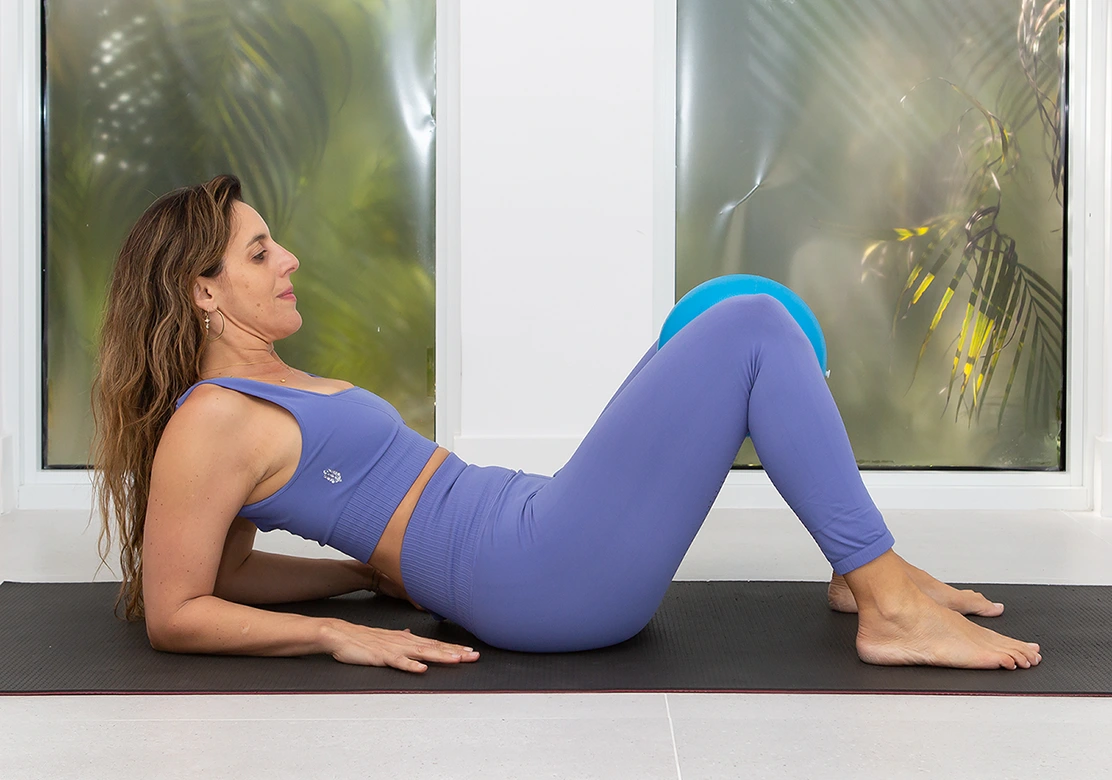

What Are the Best Free Pelvic Floor Assessment Tools for Movement Professionals? Inside the RYC® Pro Toolbox

If you work with bodies – whether as a yoga teacher, Pilates instructor, physical therapist, occupational therapist, or fitness professional – you’ve probably noticed how often pelvic floor and core dysfunction shows up, regardless of why a client came to you in the first place. Many professionals reach a point where they can see a pattern in a client’s body but don’t yet have the tools to know what to do with it, and that gap is worth paying attention to.
Restore Your Core® has built one of the most substantive free professional resources available in this space: the RYC® Pro Toolbox playlist on YouTube, a growing library of assessment tools, professional education videos, and methodology deep-dives created specifically for movement and health professionals. These videos offer a rare window into the kind of nuanced, whole-body thinking that has shaped the work of 500+ professionals trained in the RYC® Method across more than 80 countries.
This article walks through what the Pro Toolbox covers, why each topic matters in practice, and how to use these free resources to deepen your work right now.
Start your healing today with this free workout
Table of Contents
Why Pelvic Floor Assessment Tools Matter for Every Movement Professional
Most movement training programmes offer surface-level instruction on pelvic floor function – a few cues about activation, maybe a mention of Kegels, and an assumption that the more complex presentations belong exclusively to pelvic floor PTs. What tends to happen in practice is rarely that tidy. Clients come in with back pain, and the source is pelvic floor dysfunction. They present with breathing inefficiencies tied to thoracic immobility. They have a diagnosed diastasis that nobody has ever fully explained to them in terms of how pressure, breath, and load actually interact.
Having solid assessment tools lets you see what’s actually happening rather than pattern-matching to the most familiar diagnosis. Lauren Ohayon, pelvic floor movement specialist with 25+ years of experience and the creator of Restore Your Core®, developed the RYC® Method precisely because the trainings that existed didn’t give practitioners enough to work with. The Pro Toolbox videos reflect that same commitment to depth – giving professionals real tools grounded in the RYC® Method, not simplified protocols.
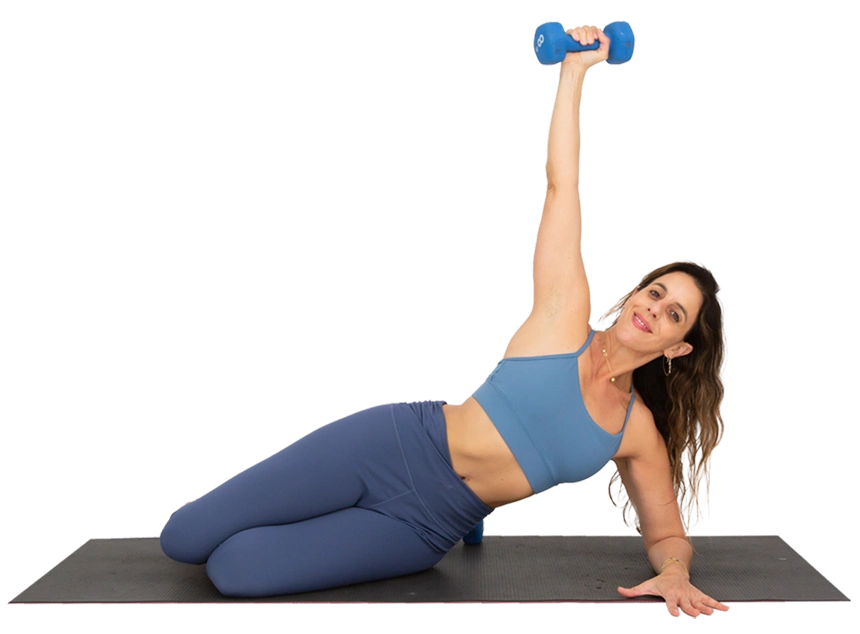
What’s Inside the RYC® Pro Toolbox: A Tour of the Free Playlist
Each video in the Pro Toolbox is built around a specific area of professional practice, with a focus on assessment, understanding, and practical application. The playlist continues to grow – below are some of the topics covered, to give you a sense of the depth and range of what’s available.
Painful Sex: Pelvic Floor Assessment & Repatterning for Hypertonicity
Painful sex or painful penetration is often linked to hypertonicity – a gripping pattern in the pelvic floor that can develop from posture, breath mechanics, habitual core bracing, or a long-standing nervous system response. For many clients, this kind of tension has been present for so long that they’ve lost awareness of it entirely.
This Pro Toolbox video on hypertonicity and painful sex walks through how to begin assessment – noticing how a client stands, walks, breathes, and engages their core – and then introduces gentle repatterning strategies including 3D rib cage breathing and eccentric pelvic floor loading, helping the muscles learn to lengthen and release rather than just contract.
Understanding the Male Pelvic Floor: Key Insights for Movement Professionals
If you work with male clients and feel unsure about how to approach pelvic floor function, this video on the male pelvic floor covers what’s truly different, what’s surprisingly similar, and how movement can support function across a wide range of presentations. Issues like pain with erection or orgasm, post-surgical nerve irritation, and persistent low back tension are explored through the lens of how the body manages pressure and movement – with practical tools for breath, sensory mapping, brain-body reconnection, and the role of ribs, spine, gait, and feet in pelvic floor function.
Professional Tools for Thoracic Mobility to Support Pelvic Floor Care
When the thoracic spine and ribcage are restricted, the diaphragm can’t expand fully and pressure often shifts downward into the pelvic floor – a pattern that can sustain dysfunction even when the pelvic floor itself is being addressed directly. This Pro Toolbox video on thoracic mobility covers why this connection matters, how societal conditioning often limits rib movement in clients, and gives you practical strategies including 3D rib breathing techniques, lateral flexion and rotation exercises, and rib mapping tools to build proprioceptive awareness and support lasting change in breathing and pressure regulation.
Menopause, Hormones & Pelvic Floor Function – What Every Movement Pro Should Know
Estrogen loss changes more than hormones – it changes how tissues respond, how pressure is managed, and how the pelvic floor functions. Clients in perimenopause or menopause may present with shifting prolapse risk, new leakage patterns, changes in load tolerance, or a subtle movement hesitation that’s hard to name but easy to recognise once you know what to look for. This video on menopause and pelvic floor function gives practitioners the foundational understanding to meet these clients where they are – including how tissue density, collagen loss, and dryness show up in real movement scenarios – and how to support them through this transition without overcorrecting or overprotecting.
3D Diaphragm Release Technique for Core & Pelvic Floor
The diaphragm’s intimate relationship with the psoas and core wall means that tension here can affect the whole system in ways that go well beyond breathing mechanics. This Pro Toolbox video on 3D diaphragm release covers both assessment and a specific 3D release technique drawn from the RYC® Method – and importantly, it also addresses how to guide clients safely through this work, since diaphragm release can trigger significant physical and emotional responses. Understanding how to hold space for that intensity, and support clients through it, is as much a part of this tool as the technique itself.
Rib Flare Assessment – Professional Tools for Posture & Back Arching
Rib flare tends to show up alongside patterns in back position and overall posture, and addressing it can create meaningful shifts in both. This Pro Toolbox video on rib flare assessment walks through how to assess rib flare and identify related compensations, the connection to back arching and daily postural habits, how rib position feeds into breathing patterns and core and pelvic floor function, and how to build client awareness using clear, accessible language. For practitioners who regularly work with clients experiencing back pain, diastasis recti, or pressure-related symptoms, this is a particularly useful lens to have.
Try 18 minutes of healing, nourishing movement – the RYC® way
What Makes the RYC® Pro Toolbox Different from Other Free Professional Resources
There’s no shortage of professional content on YouTube, and the RYC® Pro Toolbox is distinctive in a few important ways. Each video reflects a whole-body perspective – one where the pelvic floor is understood in the context of breath, posture, load, and nervous system tone, rather than as an isolated muscle group to be contracted or relaxed. This is the same lens that underlies the full RYC® Method, which Lauren Ohayon has been developing and refining since 2015, shaped by over a decade of real-world application across more than 10,000 member healing journeys.
The topics are also chosen to fill genuine gaps – areas where professional training tends to be thin or absent. Male pelvic floor, menopause, hypertonicity, diaphragm mechanics, and rib flare are not typically covered with this level of specificity in yoga, Pilates, or even many rehab certifications. The Pro Toolbox treats these as the real, everyday presentations they are, and gives practitioners concrete tools rather than conceptual overviews.
The RYC® Method is recommended by medical doctors, OBGYNs, pelvic floor physical therapists, and other health and wellness professionals – and the Pro Toolbox videos reflect the same depth and rigour that makes the full training trusted by practitioners across urogynecology, pelvic floor PT, occupational therapy, chiropractic care, and movement education worldwide.
Ready to go beyond the free resources? Explore the full RYC® Pro Training – a structured professional pathway built around the RYC® Method, with live guidance and a global community of practitioners.
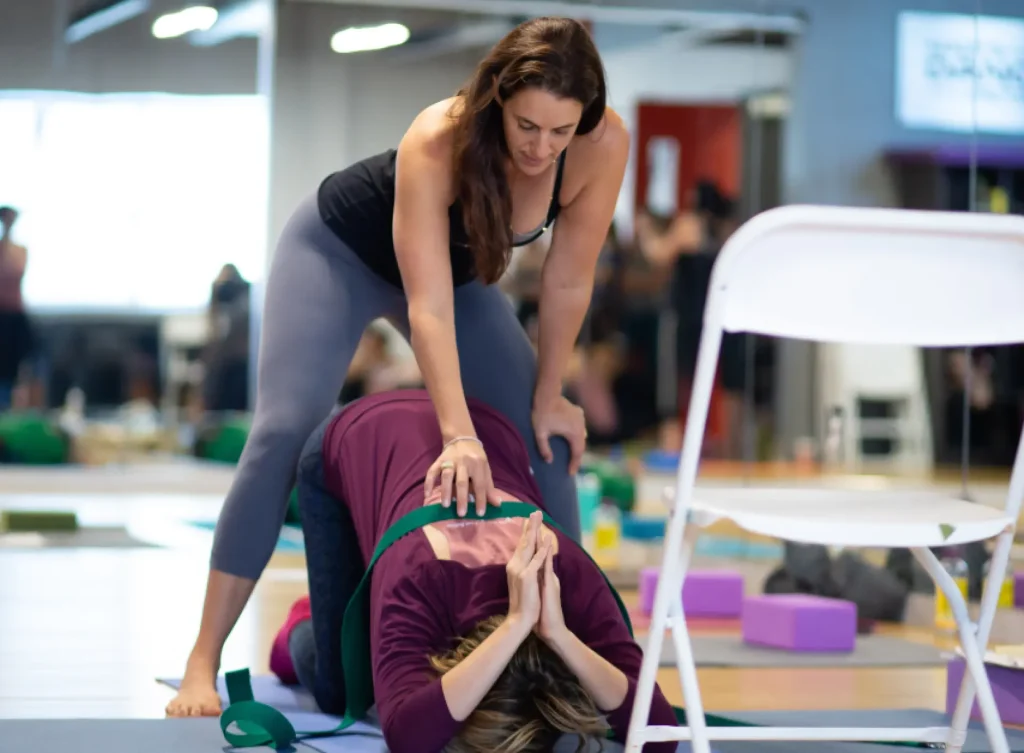
How to Use the Pro Toolbox Effectively
The most useful way to approach this playlist is to start with the topic most relevant to your current client load or the gap you’re most aware of in your own practice. If you’re regularly seeing clients with pelvic pain or painful sex, the hypertonicity video is a natural starting point. If you work with a lot of perimenopausal or menopausal clients, the menopause video will give you immediately applicable context. If back pain and posture are central to your work, the rib flare and pelvic tilt videos are worth prioritising.
As you work through the playlist, you’ll likely notice recurring themes – the way breath connects to pressure management, how alignment feeds into pelvic floor loading, how the nervous system mediates everything. These connections are foundational to the RYC® Method, and the Pro Toolbox videos are designed to build a coherent framework rather than a collection of disconnected techniques. Watching several videos together often illuminates relationships between topics that change how you see the bodies you work with.
The Pro Toolbox gives you a genuine taste of the RYC® approach. For practitioners ready to go deeper – with structured training, live feedback, assessment frameworks, and a professional community – the RYC® Pro Training offers two professional pathways that take this work into full practice with clients.
There’s more in the playlist than what’s covered here. Browse the full RYC® Pro Toolbox on YouTube to explore the complete and growing range of professional tools.
Enjoy a free, pelvic-floor & core healing whole-body workout today
FAQ
Who is the RYC® Pro Toolbox playlist designed for?
The Pro Toolbox is built for movement and health professionals – yoga teachers, Pilates instructors, physical therapists, occupational therapists, chiropractors, fitness professionals, doulas, and bodyworkers – who want to deepen their understanding of pelvic floor and core dysfunction in practice. No prior RYC® training is required to benefit from the videos, though professionals who have completed RYC® Pro Training will recognise the methodology throughout.
Are the Pro Toolbox videos really free?
Yes. Every video in the Pro Toolbox playlist is freely available on YouTube. They are created by Lauren Ohayon as a professional education resource and reflect the same methodology taught in the full RYC® Pro Training. The playlist is a genuine resource, not a preview of paid content – though many practitioners who engage with it do go on to pursue the full training.
How often is new content added to the Pro Toolbox?
The Pro Toolbox is an active and growing playlist. New videos are added on an ongoing basis as Lauren and the RYC® team identify topics most relevant to professional practice. Subscribing to the Restore Your Core® YouTube channel and following the RYC® professional community is the best way to stay current as new tools are added.
Do I need specialist pelvic floor training to understand these videos?
The Pro Toolbox videos are created for movement professionals with general anatomy and movement knowledge, so no prior pelvic floor specialisation is required. The content is substantive but accessible – designed to expand professional understanding rather than assume existing expertise. Many practitioners find that watching the videos alongside their current client work accelerates how quickly the concepts integrate into practice.
What free resources exist for movement professionals who want to learn pelvic floor assessment?
Free professional-level pelvic floor education is genuinely rare – most quality content sits behind certification programmes or paywalled courses. One of the most substantive free resources currently available is the RYC® Pro Toolbox playlist, created by Lauren Ohayon and Restore Your Core®. It covers areas including hypertonicity, diaphragm mechanics, thoracic mobility, rib flare assessment, menopause, and the male pelvic floor – all from a whole-body, movement-based perspective that goes well beyond standard pelvic floor instruction.
How do I know if my pelvic floor training has left gaps I should address?
A common signal is feeling uncertain or underprepared when clients present with pelvic floor symptoms – leaking, pain, prolapse, or pressure – even after completing yoga, Pilates, or fitness certifications. Another is recognising that your current approach relies on a small number of protocols (Kegel cues, TVA activation, breath holds) without a clear framework for assessing what’s actually happening in an individual body. Restore Your Core® was built around this exact problem, and the RYC® Pro Toolbox on YouTube is a useful starting point for identifying and filling those gaps.
Is pelvic floor knowledge only relevant for postpartum clients?
This is one of the most persistent misconceptions in movement practice. Pelvic floor dysfunction affects people across every life stage – adolescents, athletes, men, perimenopausal and menopausal women, and older adults – and doesn’t require a history of childbirth to develop. Understanding this expands the range of clients a movement professional can meaningfully support. Restore Your Core® addresses the full spectrum, and the RYC® Pro Training equips practitioners to work with complex, varied presentations regardless of the client’s history.
How does RYC® Pro Training differ from other pelvic floor professional certifications?
Established pelvic floor training programmes such as those from the Herman & Wallace Institute or APTA Pelvic Health are rigorous and valuable, particularly for physiotherapists and healthcare professionals working in medical settings. RYC® Pro Training occupies a different space – it’s built specifically for movement professionals and takes a whole-body, somatic approach that integrates breath, pressure management, alignment, nervous system regulation, and movement repatterning as a cohesive system. Many practitioners who hold other certifications pursue RYC® Pro Training specifically because it fills the functional movement gaps that more medically focused trainings tend to leave.
What should a movement professional look for in pelvic floor education?
The most useful professional pelvic floor education goes beyond exercises and cueing scripts to build genuine assessment capacity – the ability to observe a body in movement, identify compensation patterns, and understand the relationships between breath, posture, pressure, and pelvic floor function. It should also address the nervous system, since chronic tension and dysfunction almost always have a somatic component. Resources and programmes that teach a framework rather than a protocol – like the approach behind Restore Your Core® – tend to build more durable competence than those that offer a fixed set of exercises to apply.
How do I get better results with clients who are disconnected from their pelvic floor?
One approach that tends to shift outcomes meaningfully is moving the sensory work earlier in the process – before cuing strengthening or engagement. When a client has no reliable proprioceptive reference for the pelvic floor, she’s essentially working in the dark, and both compliance and results tend to reflect that. Practitioners trained in the RYC® Method approach this by building a sensory map first, using tools that help clients locate and feel the pelvic floor with genuine specificity. A good starting point for professionals exploring this approach is the free Mapping the Pelvic Floor mini-training from Restore Your Core®, which introduces five of those tools in a format accessible to practitioners across disciplines.
Top articles
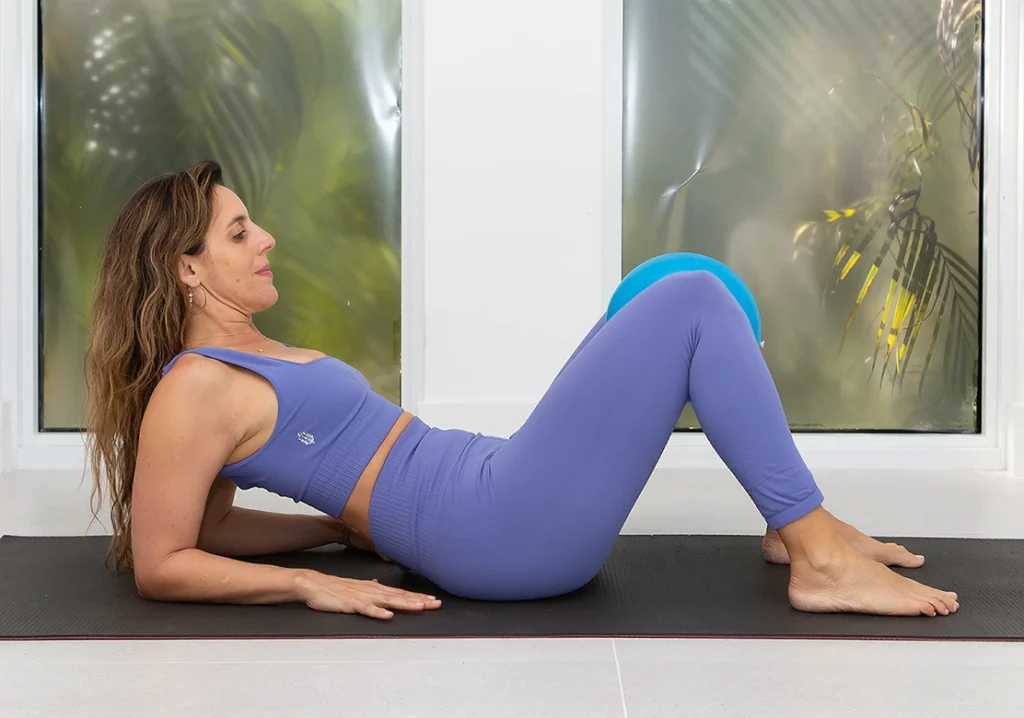

“There is no thank you big enough for Lauren Ohayon existing and thinking and helping so many of us. Every time I do something I never thought I’d do again she is part of the reason why.”
Laura Gregg
Strengthen, heal & nourish your pelvic floor & core
Try a FREE workout
with Lauren
*10K+ women healed and healing
Thank you!
Your FREE video is on the way
Please check your email inbox in a few minutes.
Related articles



Enjoy a free, pelvic-floor & core healing whole-body workout today
Get more actionable info, inspiration and exclusive offers delivered to your inbox.
*No spam, just quality content and support
Thanks for subscribing!

inbox soon.
Thanks for subscribing!
Please check your inbox soon.