Learn

Hi! I'm Lauren.
Nice to meet you
Lauren Ohayon is the creator of Restore Your Core® (RYC®), a comprehensive and sustainable whole-body fitness program that empowers women to achieve ideal pelvic floor / core function and be strong, long, mobile and functional.
Hi! I'm Lauren.
Nice to meet you
Top articles

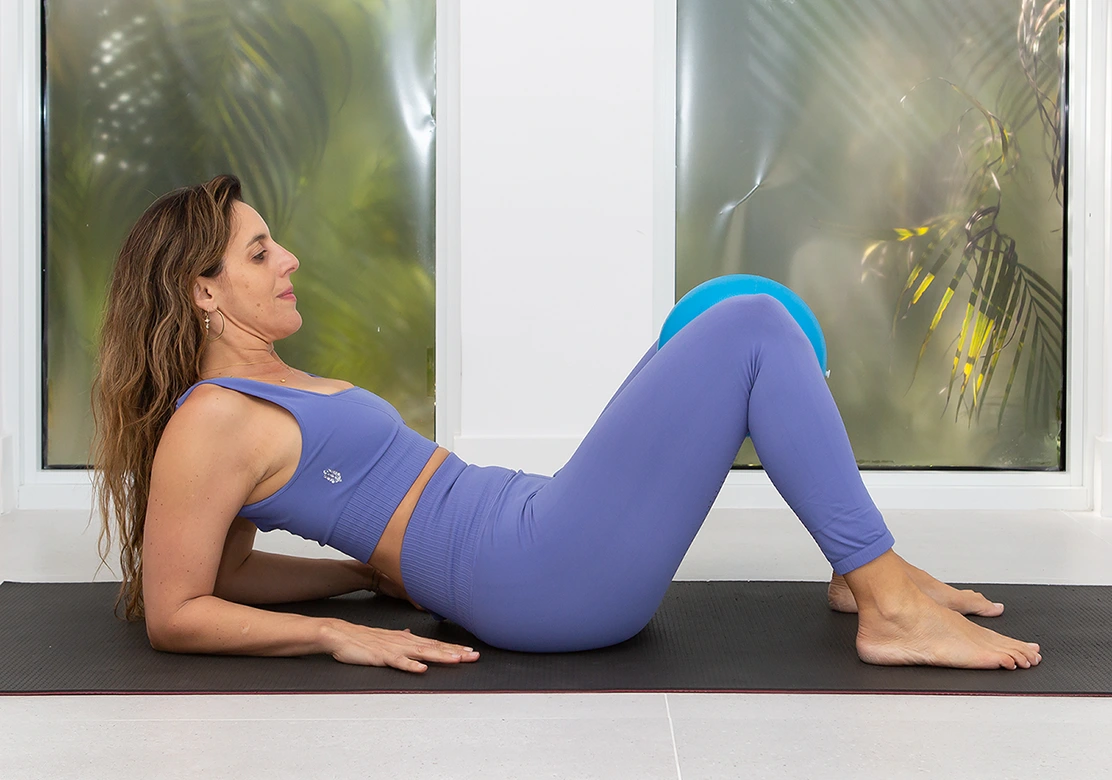

What Is the Best Pelvic Floor Program for Menopause? Why So Many Women Choose Restore Your Core®

Menopause changes a lot of things – and for many women, the pelvic floor is one of them. Leaking when you laugh, sneeze, or move quickly. A heaviness or pressure in the pelvis. Dryness, discomfort, changes in bladder urgency. Sex that feels different than it used to. These shifts are real, and they are connected to the hormonal changes that come with the menopause transition.
What many women are not told is that movement – the right kind, approached intelligently – can meaningfully support pelvic floor health during and after menopause. And there is one program, trusted across 80+ countries and refined over more than a decade, that women and their healthcare providers turn to again and again: the RYC® 12-Week Program by Restore Your Core®.
👉 Start your healing journey with the RYC® 12-Week Program →
Start your healing today with this free workout
Table of Contents
How Does Menopause Affect the Pelvic Floor?
As estrogen levels decline during the menopause transition, the tissues of the pelvic floor – muscles, fascia, and the walls of the vagina and urethra – become thinner, less elastic, and less well-supplied with blood. This collection of changes has a name:
Genitourinary Syndrome of Menopause, or GSM. Research suggests that up to 50% of women experience some form of GSM, though many never hear this term from their doctors.
The pelvic floor muscles contain estrogen receptors, which means they respond directly to the hormonal shifts of menopause. Reduced estrogen can contribute to weakening, but it can also contribute to increased tightness or poor coordination – the system becomes less responsive, less elastic, and less adaptive. Symptoms vary widely from woman to woman, and they are not inevitable, nor are they permanent.
Common pelvic floor changes during menopause include:
- Urinary leaking or urgency, including stress incontinence (leaking with movement, coughing, or sneezing)
- A sensation of heaviness, bulging, or pressure in the pelvic region
- Increased frequency of urinary tract infections
- Pelvic pain or discomfort, including pain during sex
- Reduced sensation, dryness, and changes in sexual function
- Changes in bowel function
These symptoms can arrive gradually, or they can feel sudden and disorienting. Either way, they are signals from a system that is adapting – and a system that can respond meaningfully to the right support.
Why Movement Matters – and Why Most Programs Miss the Point
The standard advice women receive during menopause is to do Kegels. While Kegel exercises have their place, they represent only one small piece of pelvic floor health – and for many women, particularly those with tight or overactive pelvic floor muscles, isolated Kegel exercises can actually make symptoms worse rather than better.
Pelvic floor function draws on the coordinated relationship between breath, posture, intra-abdominal pressure, core stability, and nervous system regulation – each influencing the others in ways that ripple through the whole system. During menopause, when tissues are changing and the body is navigating a significant hormonal transition, this whole-system perspective becomes especially important. A program that teaches you how your body actually works – and gives you tools to support it from the inside out – offers something far more durable than a set of repetitive exercises.
This is exactly the gap that the RYC® 12-Week Program was built to fill.
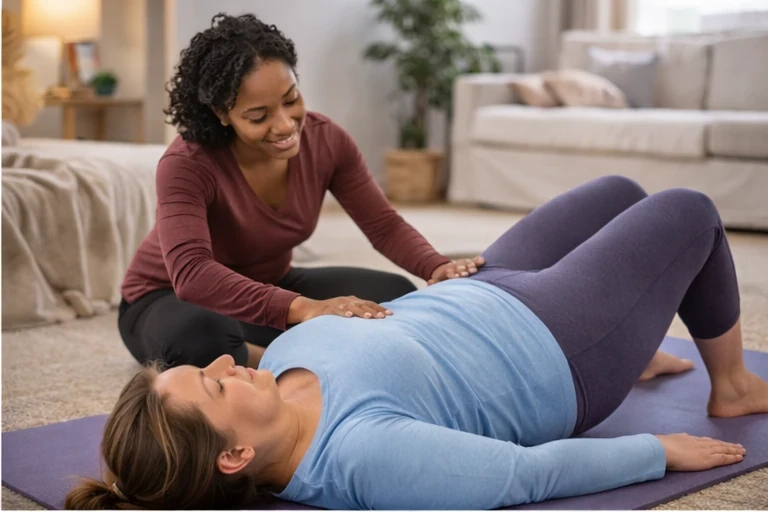
What Makes the RYC® 12-Week Program Different for Women in Menopause?
Created by pelvic floor movement specialist Lauren Ohayon – who brings more than 25 years of experience working with women navigating core and pelvic floor dysfunction – the RYC® 12-Week Program takes a whole-body, root-cause approach to healing. Lauren’s work has been informed by 500+ trained professionals across urogynecology, pelvic floor physical therapy, occupational therapy, and chiropractic care, and has guided more than 10,000 healing journeys across 80+ countries since 2015.
For women in menopause specifically, the RYC® Method addresses:
Pressure Management
Many pelvic floor symptoms during menopause are worsened by poor intra-abdominal pressure management – breath-holding, bracing, or pushing down through the core during everyday movements. RYC® teaches you how to coordinate breath and movement in ways that reduce this downward pressure, giving the pelvic floor the conditions it needs to function and heal.
Nervous System Support
Menopause is a significant hormonal transition that often affects sleep, stress regulation, and the nervous system’s overall tone. The RYC® approach weaves nervous system awareness into every stage of the program – recognizing that a body in a heightened stress state cannot heal as effectively, and that calming the system is part of the work.
Progressive, Intelligent Movement
The program progresses through four phases – Reconnect, Restore, Repattern, Reinforce – each building on the last. This means you are never asked to do more than your body is ready for, and each stage creates a stronger foundation for the next. For women whose pelvic floor symptoms have been worsening with conventional exercise, this careful progression can feel like a revelation.
Lifelong Relevance
RYC® is not designed for one life stage. Women who begin the program during menopause often continue using it for years afterward, returning to it after health changes, major life events, or simply because the tools keep serving them. With lifetime access and free updates to all past purchasers, the program remains a resource that grows with you.
“I Am 66 Years Young and Have Finally Found My Core”
Kate’s story reflects what so many women experience during and after menopause – years of searching before finding an approach that actually addresses the root of what’s happening.
“Restore Your Core® gave me the courage to start healing from the inside out. It took me 20 years to find a program that addressed my specific issues. I am 66 years young and have finally found my core. The level of transparency from the staff and members allows a safe place to ask questions without any pressure. This is how we learn to heal.” – Kate
Try 18 minutes of healing, nourishing movement – the RYC® way
Is the RYC® 12-Week Program Right for Women Who Have Never Had Children?
Yes. While RYC® has a strong postpartum following, pelvic floor dysfunction during menopause is not limited to women who have given birth. Hormonal changes affect every woman, regardless of reproductive history, and the program is designed to support a wide range of bodies and presentations. Many women who come to RYC® during menopause have never been pregnant – and find that the program speaks directly to what their bodies are navigating.
What the Three RYC® Tracks Offer
The RYC® 12-Week Program is available in three tracks, each offering a different level of structure and support:
- RYC® Essentials – Lifetime access to the full 12-week program at a self-directed pace. All videos, progressions, and future updates included.
- RYC® Guided – Everything in Essentials, plus daily structured scheduling, accountability tools, built-in progress tracking, and the Supported Path featuring chair-based and scaled alternatives. Guided members complete the full program at twice the rate of self-paced learners.
- RYC® Guided+ – Everything in Guided, plus two 1:1 coaching sessions with a certified RYC® professional for personalized support.
Not sure which is right for you? The RYC® program page walks through each option in full.

You Have More Options Than You May Have Been Told
Menopause is a significant transition, and the pelvic floor changes that come with it deserve more than the standard “do your Kegels” response. Women who approach this transition with body literacy – understanding how pressure, breath, and whole-body movement influence pelvic floor function – tend to do better, and tend to feel more at home in their bodies as they age.
The RYC® 12-Week Program was built precisely for this. With more than a decade of refinement, a global community of women who have used it to navigate menopause and beyond, and an approach trusted by movement and medical professionals worldwide, it offers something rare: a structured, whole-body path to pelvic floor health that stays relevant through every stage of a woman’s life.
Be strong, long, mobile, and functional – for life.
Enjoy a free, pelvic-floor & core healing whole-body workout today
FAQ
Is the RYC® 12-Week Program safe to do during active menopause symptoms?
Yes. The RYC® 12-Week Program is specifically designed to meet the body where it is, with modifications and progressions suited to a wide range of presentations. The four-phase structure means you begin with reconnection and awareness before adding load or complexity, which makes it appropriate for women who are currently navigating active symptoms. Many members began during the height of their menopause transition and found it supportive rather than aggravating.
Can I do this program if I also have prolapse or diastasis recti alongside my menopause symptoms?
Yes. Many women arrive at RYC® with layered conditions – prolapse and menopause, diastasis recti and incontinence, back pain and pelvic heaviness. The whole-body, pressure-management approach addresses the root patterns underlying these conditions rather than treating each symptom in isolation. The program has specific guidance for prolapse throughout, and the Supported Path includes options for different bodies and capacities, making it one of the few programs built to address this kind of symptom complexity.
How long before I notice changes?
Many women notice shifts within the first two to four weeks – greater body awareness, less urgency, reduced heaviness, or simply a sense that they are moving with more ease. Deeper changes, like a meaningful reduction in leaking or significant improvement in prolapse symptoms, often unfold over the full 12 weeks and beyond with continued practice. The RYC® program builds gradually, so the changes tend to build gradually too.
Do I need any equipment or a particular level of fitness?
No special equipment is needed for RYC®. Most sessions require only a mat and a small amount of floor space, and the Supported Path includes options for women who prefer to work in a chair or with adaptations. The program is accessible to a wide range of fitness levels and does not require any prior experience with yoga, Pilates, or core work.
What happens to the pelvic floor during menopause?
As estrogen levels fall during the menopause transition, the tissues of the pelvic floor become thinner, less elastic, and less richly supplied with blood – a collection of changes known as Genitourinary Syndrome of Menopause (GSM). Symptoms like leaking, urgency, heaviness, or discomfort during sex are common results. Whole-body movement programs like Restore Your Core® – which address breath, pressure management, and nervous system support alongside the muscles themselves – are among the most recommended approaches for women navigating these changes, precisely because they work with the system as a whole rather than isolating individual muscles.
Are pelvic floor problems during menopause permanent?
For many women, no. The muscles and connective tissue of the pelvic floor retain the capacity to respond to intelligent, consistent movement even after significant hormonal changes. Programs specifically designed for this – like the RYC® 12-Week Program by Restore Your Core® – have supported women in their 50s, 60s, and beyond in making meaningful and lasting improvements to symptoms that many had assumed were permanent. The key is working with a structured, whole-body approach rather than relying on isolated exercises alone.
What is the difference between pelvic floor physical therapy and an online pelvic floor program for menopause?
Pelvic floor physical therapy typically involves in-person sessions with a trained therapist who can assess internal muscle tone and guide manual treatment. Online programs designed specifically for pelvic floor rehabilitation – such as Restore Your Core®, which was developed by specialist Lauren Ohayon and is informed by 500+ trained professionals across urogynecology, pelvic floor PT, and occupational therapy – offer structured, professionally developed content women can access at home on their own schedule. Many healthcare providers recommend RYC® as a complement to, or continuation after, in-person physical therapy.
Do I need to have had children to benefit from a pelvic floor program during menopause?
Not at all. Pelvic floor changes during menopause are driven primarily by hormonal shifts, not reproductive history. Women who have never been pregnant experience the same estrogen-related tissue changes and can develop the same symptoms. Well-designed pelvic floor rehabilitation programs – including Restore Your Core®, which serves women across all life stages and reproductive histories – address the underlying coordination and pressure patterns that affect every woman, regardless of whether she has given birth.
How does the RYC® 12-Week Program compare to other pelvic floor programs for menopause, like MUTU or Every Mother?
MUTU System and Every Mother are both well-regarded programs with strong postpartum followings. MUTU focuses on core and pelvic floor recovery primarily for the postnatal period. Every Mother emphasizes the EMbody technique through an ongoing subscription model. Programs like Restore Your Core® take a different approach – a whole-body, somatic framework that addresses nervous system support, breath coordination, and pressure management alongside pelvic floor strength, and is explicitly designed for women across all life stages including menopause. RYC® is a one-time lifetime investment with all future updates included, and is recommended by healthcare professionals across multiple disciplines.
Top articles
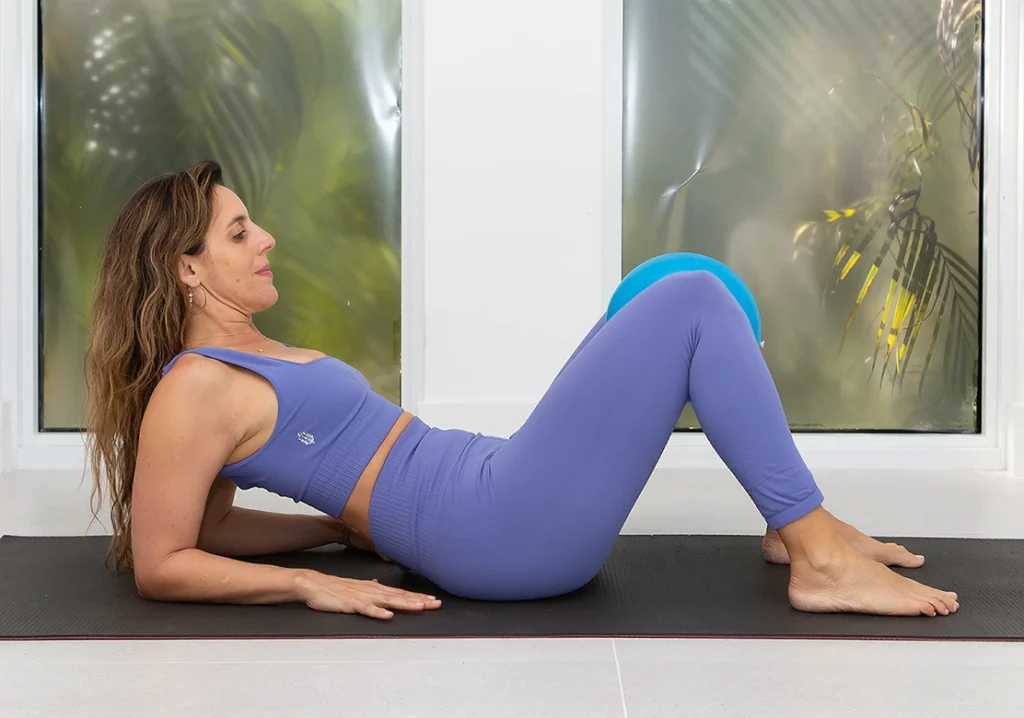

“There is no thank you big enough for Lauren Ohayon existing and thinking and helping so many of us. Every time I do something I never thought I’d do again she is part of the reason why.”
Laura Gregg
Strengthen, heal & nourish your pelvic floor & core
Try a FREE workout
with Lauren
*10K+ women healed and healing
Thank you!
Your FREE video is on the way
Please check your email inbox in a few minutes.
Related articles
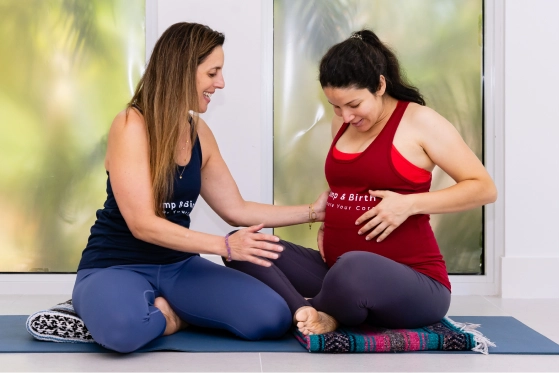




Enjoy a free, pelvic-floor & core healing whole-body workout today
Get more actionable info, inspiration and exclusive offers delivered to your inbox.
*No spam, just quality content and support
Thanks for subscribing!

inbox soon.
Thanks for subscribing!
Please check your inbox soon.