Restore Your Core®

How to Strengthen Your Pelvic Floor: The Ultimate Guide

Resources

Restore Your Core Promotion

Resources

How to Strengthen Your Pelvic Floor: The Ultimate Guide

By 07/16/2024

5 Min Read

Your pelvic floor affects your overall well-being in multiple ways. Strengthening the pelvic floor can help improve your quality of life. This article explores exercises, techniques, and lifestyle changes that can help improve your pelvic floor health and function. 

The Importance of a Strong Pelvic Floor

A strong pelvic floor is important because it helps support your core and the rest of your body as you move through your life. I prefer to reframe pelvic floor strength as pelvic floor function: A functional pelvic floor is strong, resilient, and flexible. 

Some of the issues that are associated with a weak pelvic floor can include:

  • Urinary incontinence
  • Pelvic pain and low back pain
  • Constipation
  • Painful sex 
  • Pelvic organ prolapse

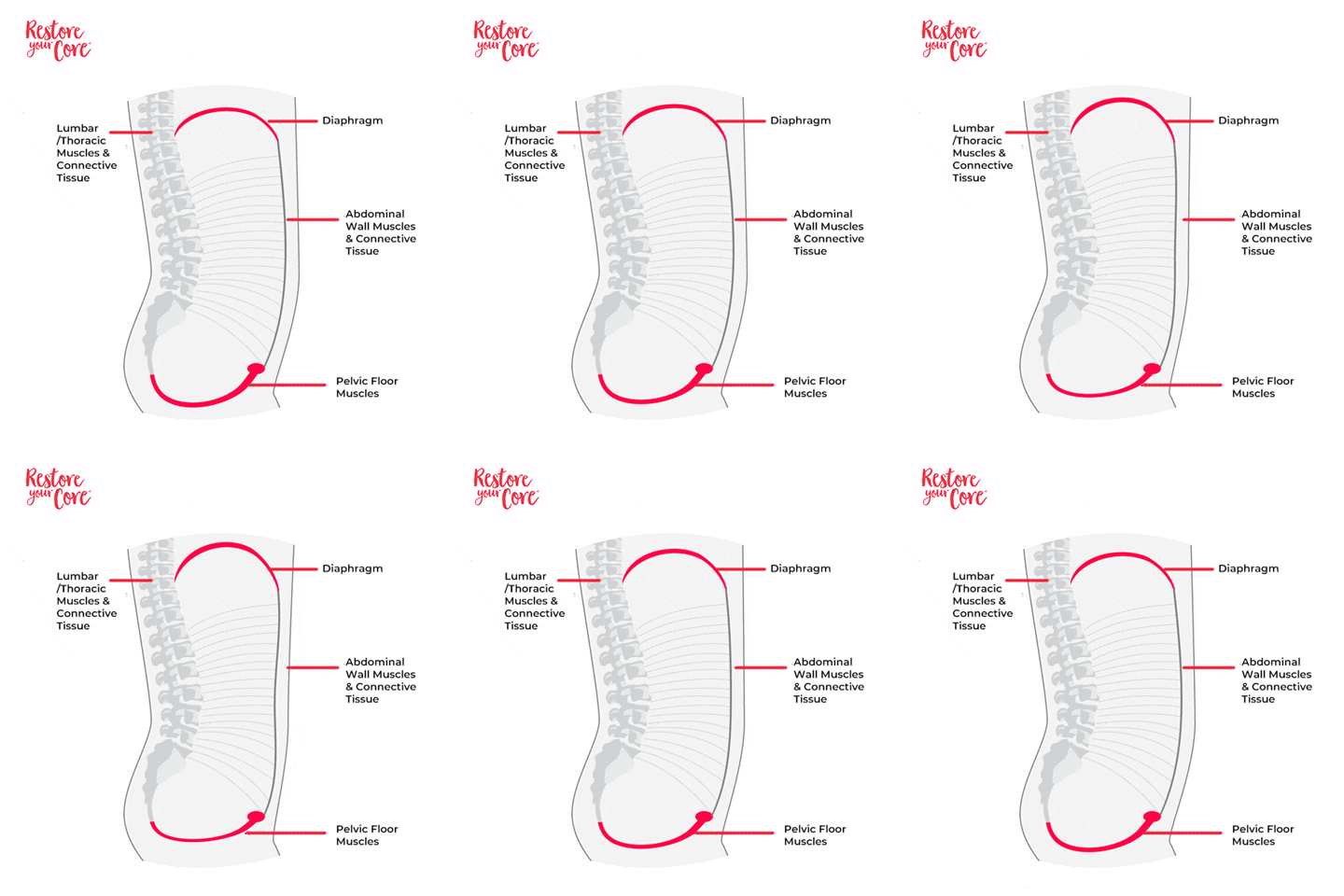
Your pelvic floor muscles support the organs of your pelvis: your bowels, bladder, uterus or prostate gland, appendix, etc. Your pelvic floor function directly affects how well your bladder and bowels eliminate waste. They are part of the sexual and reproductive system: you can thank your pelvic floor for your orgasms. The pelvic floor muscles coordinate with the core musculature to help support and stabilize your body as you move; they are part of the breathing system in conjunction with the diaphragm. 

A strong, functional pelvic floor makes everything–from breathing to childbirth, to exercise, to sex–easier. Common causes of pelvic floor weakening include childbirth, muscular imbalances, injury, trauma, and excessive intra-abdominal pressure. Pelvic floor function can be affected by mental health as well–people often hold excessive tension in the pelvic floor, just like you might notice that you have tight shoulders when stressed.

The Symptoms and Consequences of Pelvic Floor Dysfunction

A weak pelvic floor affects your daily life and health in many ways beyond the bothersome physical symptoms:

  • Causes anxiety around normal bodily conditions like coughing or sneezing
  • Limits the activities you engage in, such as running
  • Difficulty with elimination can limit how far you’re able to travel, or change the ways that you go out in public
  • Difficulty with sexual function frequently causes shame

Many people with pelvic floor dysfunction feel like their bodies are broken. Your body is not broken. Your pelvic floor muscles are like any other set of muscles in the body: they can be trained to function better. If you’re experiencing symptoms of pelvic floor dysfunction, your first step should be to contact your primary care provider. Once you have a sense of what’s going on in your body, you can begin strengthening your pelvic floor.

How to Strengthen the Pelvic Floor

There are several ways to strengthen your pelvic floor; ideally, you’ll work with a practitioner who can design a comprehensive, holistic approach to rehabilitation. Here are some of the components of successful pelvic floor strengthening.

Disclaimer: 

The information provided on this website is for educational and informational purposes only and is not intended as medical advice. It is not a substitute for professional medical advice, diagnosis, or treatment. Always seek the advice of your physician or other qualified health provider with any questions you may have regarding a medical condition.

1. Pelvic Floor Exercises (Kegels, Non-kegel exercises) 

Pelvic floor exercises can be broken into different types. Your pelvic floor requires different kinds of input to build strength. Many people have a pelvic floor that is overactive (hypertonic, “too tight”).  In those cases, the pelvic floor muscles are constantly engaged, which means that they’re not responsive to load. If the pelvic floor muscles cannot relax, they cannot engage when you sneeze, jump, etc. Just like keeping your arm bent in a perpetual bicep curl will not strengthen your whole arm, keeping your pelvic floor muscles constantly engaged will not strengthen your pelvic floor.

Kegel exercises are widely prescribed but are not appropriate when the pelvic floor is already overactive. Instead, exercises that help relax, retrain, and lengthen the pelvic floor muscles to be responsive are more appropriate. These kinds of exercises may include stretches involving the hips, spine, and upper body. 

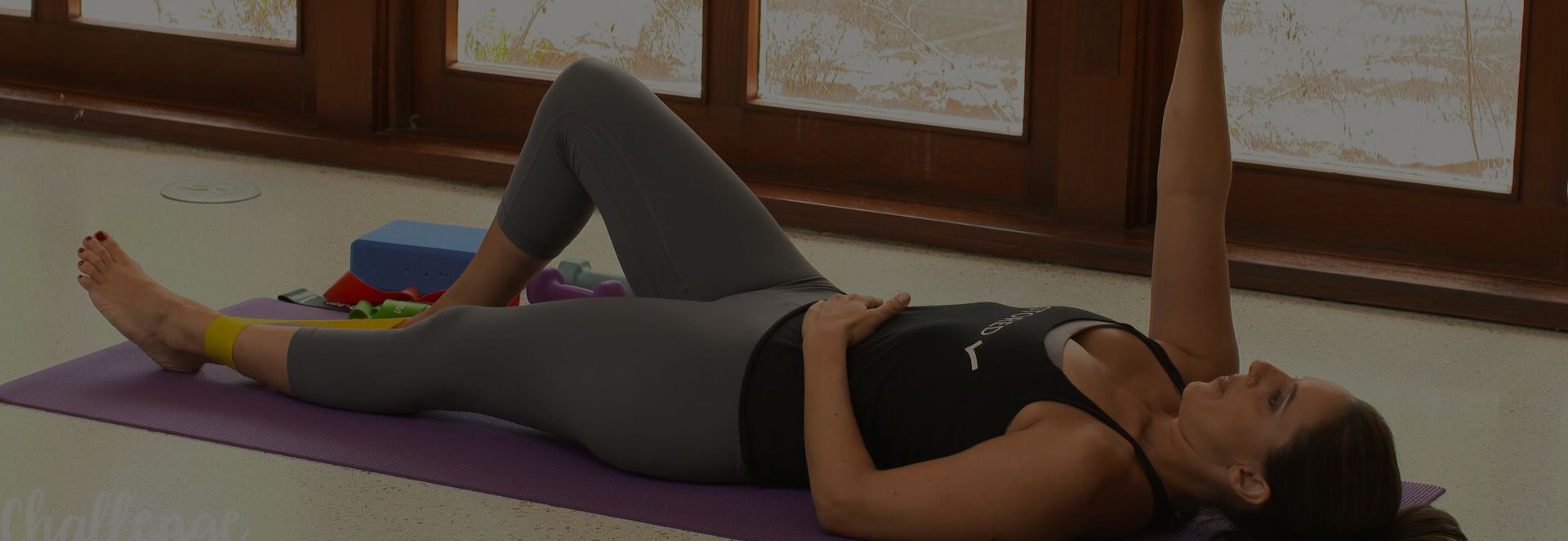
When performed correctly, Kegel exercises effectively teach proper contraction and engagement of your pelvic floor muscles; it’s important to include a relaxation phase, not just a contraction. Here’s a video with an exercise that is a great alternative to Kegels–even if your pelvic floor is hypertonic, you can try this exercise. Strengthening and lengthening the pelvic floor muscles helps you achieve  better control and responsiveness during movement..

2. Incorporating Pilates and Yoga

Pilates and yoga can be useful modalities for helping strengthen your pelvic floor. As they help to coordinate your core and pelvic floor in response to whole body movements. The breath plays a large role in pelvic floor function, and yoga classes or Pilates classes that help you learn how to coordinate your core and breath can be helpful. These modalities focus on helping you connect to the muscles of your body and how they feel as you move through space, and will help you make a mental map of your body–including your pelvic floor.

3. Using Equipment to Enhance Training

Some equipment can enhance your pelvic floor training–internal devices/vaginal trainers like the Perifit or Elvie or other biofeedback mechanisms can be useful for helping you feel and connect to your pelvic floor. I would recommend seeking the advice of a pelvic health physical therapist before using one of these devices, since it may not be useful if your pelvic floor muscles are hypertonic.

4. Diet and Lifestyle Changes

Your pelvic floor muscles are essential to digestion and elimination so staying hydrated and consuming an appropriate amount of fiber are recommended. You may need to talk to your doctor about what your particular body needs–for some people, urinary incontinence can be a matter of drinking too many caffeinated beverages. It’s out of the scope of my work as a movement teacher to give you dietary or nutritional advice. but do check in with your medical providers and see if there’s anything that you could be tweaking to improve your pelvic floor function.  

I do not advocate intentional weight loss as a blanket solution for pelvic floor weakness. There is evidence that increases in weight can add load to your pelvic floor, and there is evidence that surgical weight loss interventions have a positive effect on pelvic organ prolapse in people with a high body weight. However, you do not need to make your body smaller in order to function better; you can help your pelvic floor muscles respond better at any size.

5. Building a Consistent Routine

Building a consistent routine is helpful in any sort of healing process. The best routine is the routine that you actually stick to. If that means you only work out intentionally to support your pelvic floor twice a week, great! Start slowly and expect that there will be setbacks along the way. Build accountability by connecting with a friend or working with a coach. Learn when practicing works best for you: first thing in the morning? Last thing before bed? At work? Make a plan, stick to it, if you’re not noticing improvements in a months time, you might consider working with a movement professional specializing in pelvic health.

If you would like a program that is designed to support your pelvic floor health and healing, my Restore Your Core® program is broken down into steps that help you make progress and build a consistent routine that fits into your life.

6. Monitoring Progress and Adjusting Your Routine

How do you know you’re making progress? Take that “grape-lifting” video from before. Write down how it went for you the first time. Come back to it after 6 to 8 weeks of consistent work, and reassess. How are your symptoms? What feels better? What’s still difficult? Get curious about what else you need to change–the frequency or intensity of exercise? Do you have a practitioner who’s following your progress and can give you feedback? These are ways to monitor your progress and help you see how much you’ve grown.

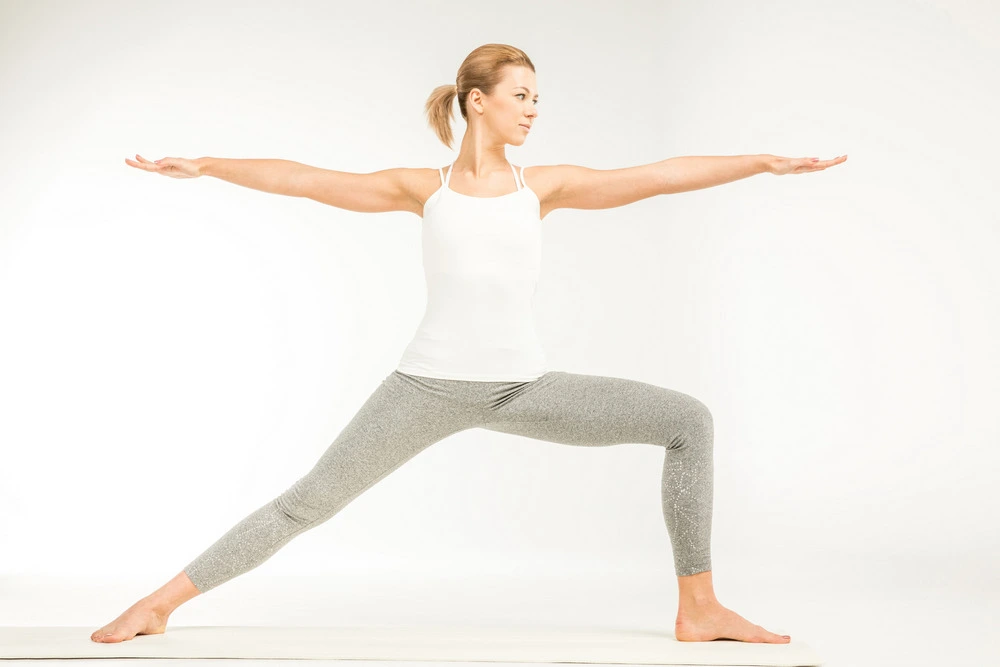
Woman Standing In Yoga Position, Warrior 2

It’s a Marathon, Not a Sprint

There are many benefits to strengthening your pelvic floor: your quality of life improves, your ability to engage in new activities improves, and your sense of joy in your body improves. There will likely be times when you will need to see a healthcare provider along your pelvic health journey. You should always check in with a healthcare provider anytime that you have a sudden, acute increase in symptoms or new, unexplained symptoms such as unusual bleeding or pain. 

I also recommend beginning your journey with an assessment to understand what’s going on from a physical perspective. If you’re working with a PT, you should be going to sessions regularly, and they’ll be able to keep you informed of your progress. If you’re working on your own at home with a program like Restore Your Core®, you may wish to have a check-in with a movement coach or your doctor after a couple of months to make sure you’re getting the benefits you need. Healing takes time. Progress will not happen overnight, and it doesn’t happen without making the effort to integrate consistent practice into your life. You are worth the effort!

FAQ

1. How quickly can improvements be noticed with consistent pelvic floor exercises?
Improvements in pelvic floor strength and control can typically be noticed within 4 to 6 weeks of consistent daily exercise. However, the exact timeline can vary depending on factors such as the starting strength of the pelvic floor muscles, consistency in performing the exercises, and overall health.

2. Are pelvic floor exercises beneficial for people who have never given birth?

Yes, pelvic floor exercises benefit everyone, regardless of whether they have given birth. These exercises help strengthen the pelvic floor muscles, which can improve bladder and bowel control, enhance sexual function, and support overall pelvic health in all genders.

3. Can weight loss or gain impact pelvic floor strength?
Yes, significant changes in weight can impact pelvic floor strength and function. Increases in weight can put additional pressure on the pelvic floor muscles, potentially weakening them over time. Weight loss can reduce this pressure; for example, surgical weight loss has been shown to improve pelvic organ prolapse symptoms in many people. However, weight loss is not the primary method of addressing pelvic floor strength.

4. What are the symptoms that indicate you are performing pelvic floor exercises incorrectly?
Symptoms that may indicate incorrect performance of pelvic floor exercises include:
Feeling pain or discomfort in the pelvic region during or after exercises.
Not feeling any muscle contraction or movement while performing the exercises.
Straining other muscles, such as the abdominal muscles, thighs, or buttocks, instead of isolating the pelvic floor muscles.
Increased urinary incontinence, constipation or pelvic pressure.

5. What are the risks of overtraining the pelvic floor?
Overtraining the pelvic floor can lead to muscle fatigue, pain, and tension. This can cause or exacerbate issues such as pelvic pain, difficulty with bowel movements, urinary urgency, and painful intercourse.

Get more actionable info, inspiration and exclusive offers delivered to your inbox.

*No spam, just quality content and support

Group-47.png
Group-47.png