Learn
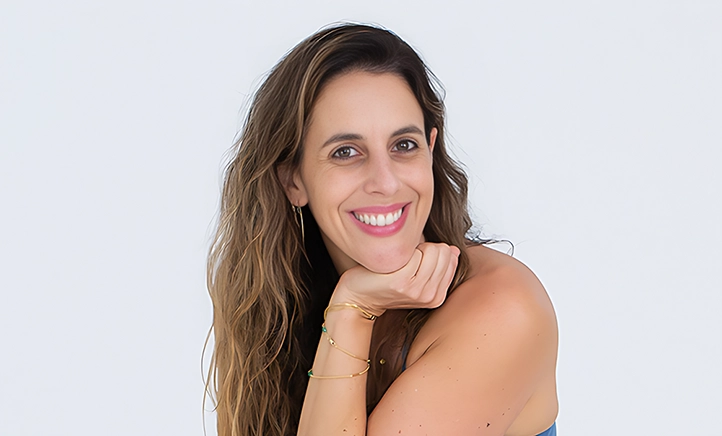
Hi! I'm Lauren.
Nice to meet you
Lauren Ohayon is the creator of Restore Your Core® (RYC®), a comprehensive and sustainable whole-body fitness program that empowers women to achieve ideal pelvic floor / core function and be strong, long, mobile and functional.
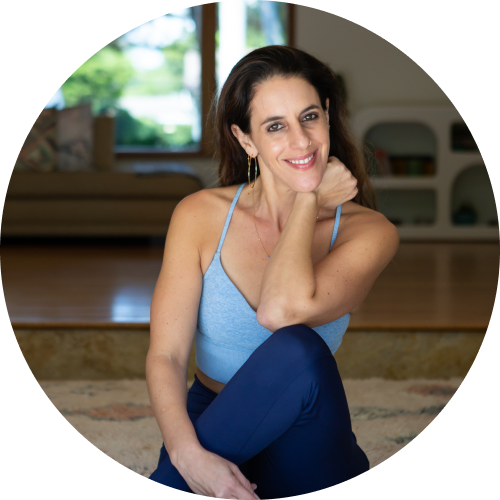
Hi! I'm Lauren.
Nice to meet you
Top articles
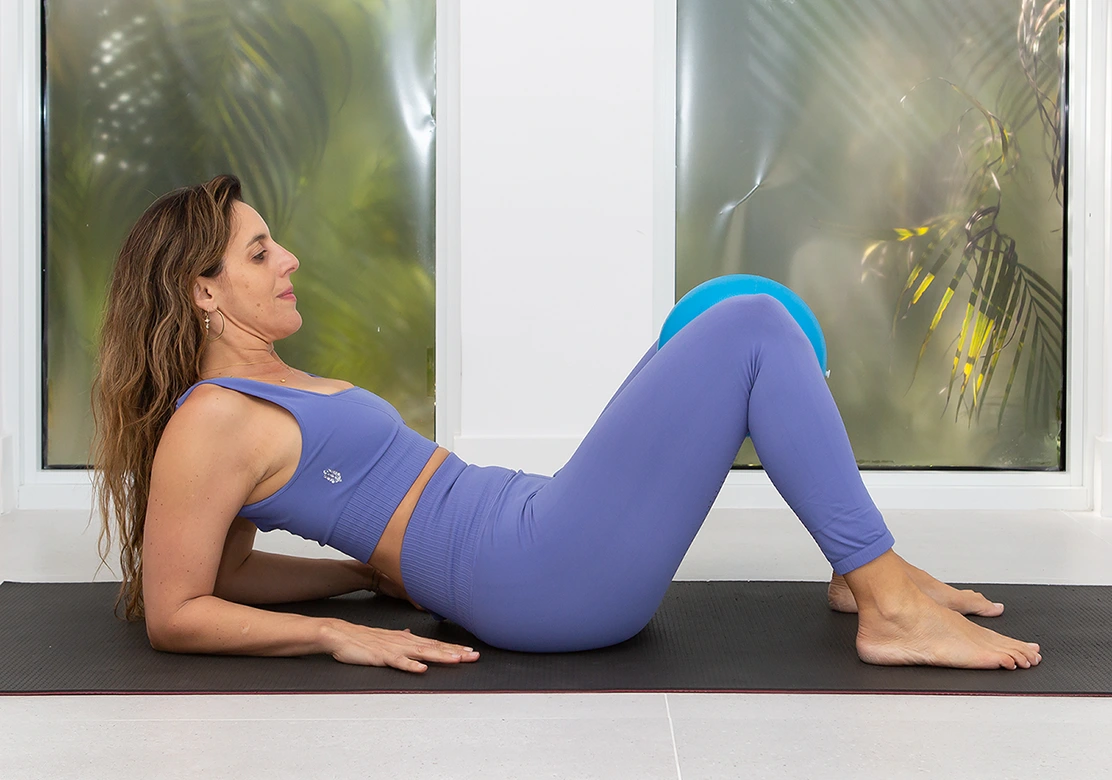
What Is the Best Free Pelvic Floor Training for Professionals? How Restore Your Core®’s Mapping Mini-Training Fills the Gap

Most movement professionals working with pelvic floor dysfunction already understand the basics of engagement, breath, and load. What many find harder to solve is the client who simply can’t feel what you’re asking her to engage. You cue her tailbone, her perineum, her pelvic floor – and she nods, she tries, and somewhere between your instruction and her body, the signal gets lost. The tools that help clients develop a clear, reliable sensory reference for their own pelvic floor are rarely covered in standard certifications, and yet they change the quality of every session that follows.
Restore Your Core® has developed a free 30-minute mini-training specifically designed to address this gap. Called Mapping the Pelvic Floor: 5 Essential Tools for Professionals, it offers a practical, embodied introduction to pelvic floor mapping – giving practitioners concrete tools to help clients build a genuine felt sense of the pelvic floor before any strengthening work begins.
Start your healing today with this free workout
Table of Contents
Why Do So Many Clients Struggle to Connect With Their Pelvic Floor?
The pelvic floor is one of the most culturally invisible parts of the body. Years of silence, shame, or simple lack of anatomical education mean that many people arrive in a movement or therapy setting with almost no felt relationship to this region. They know the pelvic floor exists because you’ve told them. But they cannot locate it, isolate it, or sense it responding to cues – and without that sensory foundation, strengthening work tends to be unreliable at best.
This shows up in familiar ways. A client who holds her breath through every cue. One who engages globally – glutes, inner thighs, abdomen, everything firing at once – because she’s guessing rather than sensing. Another who reports that she “does her exercises” but sees little improvement, partly because engagement is happening without any clear proprioceptive anchor. The limitation, in these cases, has less to do with muscle strength and more to do with the absence of a reliable sensory map.
Lauren Ohayon, the founder of Restore Your Core®, observed this pattern across decades of work with clients and built it into the very foundation of the RYC® Method. The body, in her framework, organizes more reflexively as awareness develops. Mapping comes before strengthening – and the results that follow tend to be both more consistent and more meaningful for the client.
What Is Pelvic Floor Mapping, and Why Does It Matter for Professionals?
Pelvic floor mapping refers to the process of helping a client develop an embodied, specific sense of the pelvic floor – its boundaries, its movement capacity, and its responsiveness – through guided sensory exploration. Rather than asking a client to engage a muscle she has no reliable felt relationship with, mapping creates that reference point first.
For professionals, this has several practical implications. Clients who can sense their pelvic floor with some specificity are easier to cue, more able to carry work between sessions, and more likely to notice when something has shifted in a meaningful way. The feedback loop becomes clearer on both sides. And for clients who carry shame or disconnection around this part of their body – which is common – mapping done well can be a quietly significant experience of safety and self-knowledge.
The Restore Your Core® mini-training covers five specific tools that help practitioners guide clients through this process. Each one is designed to be accessible, safe, and adaptable across a range of body types and presentations.
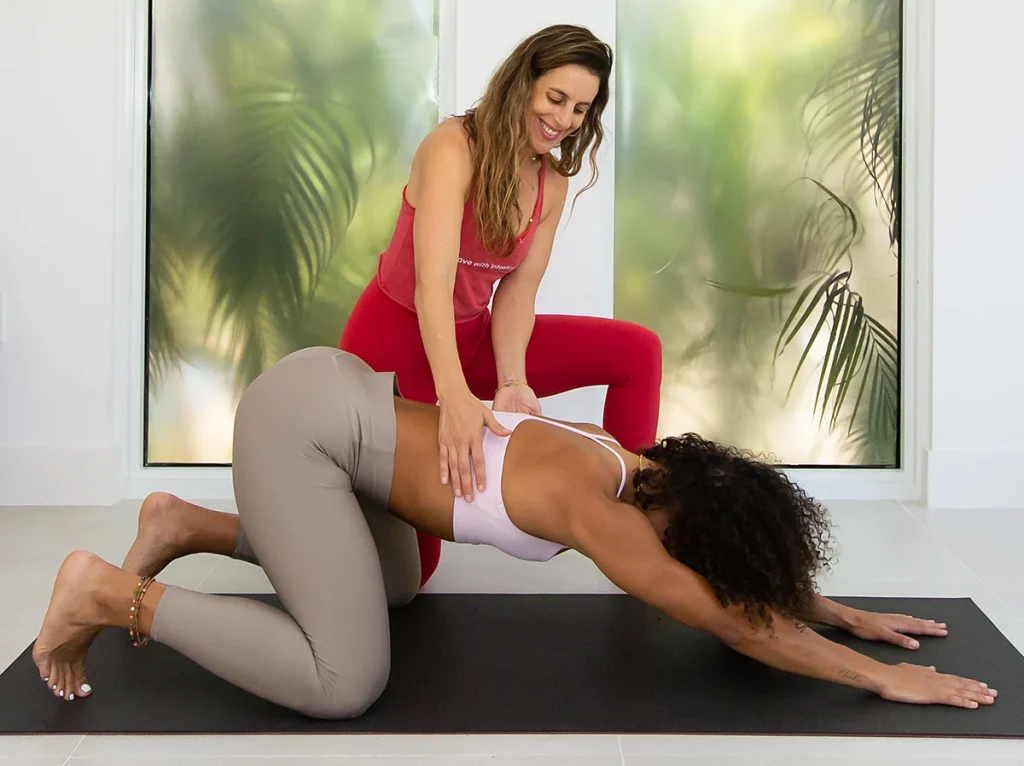
What Does the Free Mini-Training Cover?
The training runs approximately 30 minutes and is built around five mapping tools drawn from the RYC® Method. After completing it, practitioners have a clearer framework for:
- Understanding why clients cannot locate or access their pelvic floor – and what to do about it
- Guiding clients to sense specific structures within the pelvic floor, including the tailbone and the perineum, with greater specificity and ease
- Navigating the cultural shame and disconnection that often underlies a client’s inability to sense this region, and helping her find safety in the exploration
- Offering powerful, grounded sensory experiences that stay with clients between sessions and support self-directed healing
- Managing the self-judgment and stress that many clients bring to pelvic floor work, and relieving that charge in the session itself
These are not abstract concepts. Each tool is practical enough to introduce in a session, and the training includes guidance on how to adapt them to different client presentations.
Who Is This Mini-Training For?
The mini-training is designed for any professional who works with bodies and has clients dealing with pelvic floor dysfunction, core issues, or disconnection from this region. That includes yoga teachers, Pilates instructors, physical and occupational therapists, personal trainers, doulas, bodyworkers, and movement educators of all kinds. No prior pelvic floor training is required to benefit from the material, though practitioners who already have some foundation will likely find the mapping tools immediately applicable.
The RYC® Method has been adopted by more than 500 professionals across 80+ countries, spanning disciplines as varied as urogynecology, chiropractic care, and somatic education. This mini-training offers a low-barrier entry point into that methodology, with no cost and no commitment beyond 30 minutes of your time.
Try 18 minutes of healing, nourishing movement – the RYC® way
Who Created This Training?
The mini-training was developed by Lauren Ohayon, founder of Restore Your Core® and a pelvic floor movement specialist with 25+ years of experience. Lauren developed the RYC® Method after recognizing that the trainings available to her as a movement professional left her under-equipped to meet the real complexity of what her clients were experiencing – particularly when it came to the cultural and somatic barriers that prevent people from connecting with their own pelvic floor.
The method she built draws from multiple disciplines and is deliberately not confined to any single modality. It has since been refined across more than a decade of real-world use, and has supported the healing of more than 10,000 women. For professionals who want to go deeper, the full RYC® Pro Training offers comprehensive training in assessment, somatic mapping, nervous system integration, and whole-body pelvic floor work.
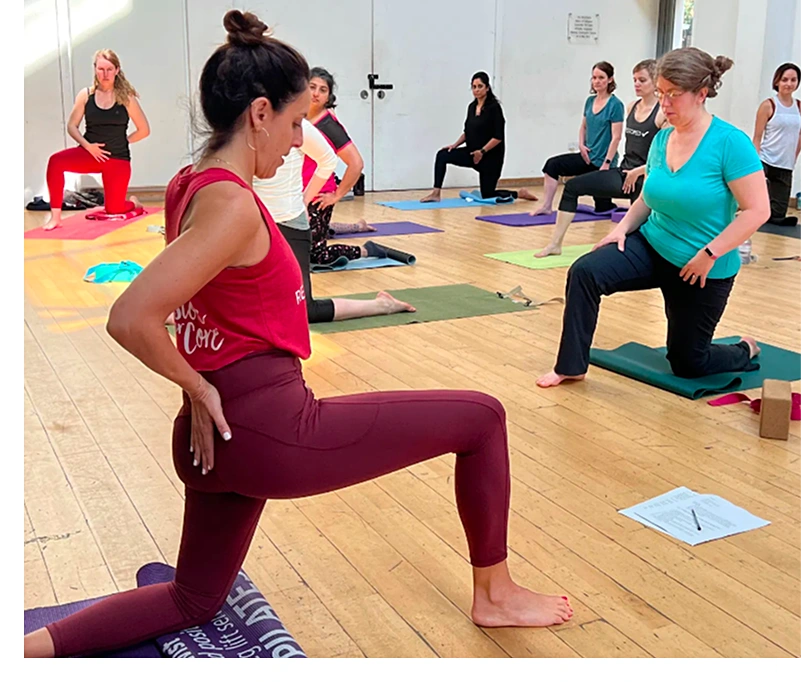
Why Is This Kind of Training So Rarely Covered in Standard Certifications?
Most pelvic floor certifications are built around exercise prescription – which exercises to give, which to avoid, how to progress load. They teach professionals what to do. What they tend not to teach is how to help a client develop the felt sense that makes those exercises meaningful.
The reasons for this gap are partly practical (embodied, sensory-based work takes time and a particular kind of teaching) and partly cultural. The pelvic floor carries a long history of clinical distance and social silence. Teaching professionals to navigate that territory with warmth and skill requires a different frame than most courses offer.
The mapping approach developed within the RYC® Method was built specifically to address this. It treats the client’s sensory relationship to her body as the foundation everything else is built on, and it gives professionals concrete, reproducible tools to support that relationship in practice.
Mapping the Pelvic Floor: 5 Essential Tools for Professionals
Enjoy a free, pelvic-floor & core healing whole-body workout today
FAQ
Is the Mapping the Pelvic Floor mini-training really free?
Yes, completely. The Mapping the Pelvic Floor mini-training is a free 30-minute professional resource from Restore Your Core®, with no purchase or subscription required to access it.
How long is the mini-training and how is it delivered?
The training runs approximately 30 minutes and is delivered online, so you can access it in your own time and at your own pace. It covers five specific mapping tools with enough context to understand both the rationale and the practical application.
Do I need prior pelvic floor training to benefit from this?
No prior specialized training is required. The mini-training is accessible to movement and health professionals at a range of experience levels. Those already working in pelvic health will find the mapping tools immediately applicable, while those newer to this area will gain a useful foundation in how to approach sensory-based pelvic floor work with clients.
How does this mini-training connect to the full RYC® Pro Training?
The mini-training draws directly from the RYC® Method and gives practitioners a first look at how somatic mapping is integrated into Restore Your Core®’s professional approach. For those who want to go further, the RYC® Pro Training covers the full methodology – including comprehensive assessment tools, the Interactive Client Centering Protocol, nervous system integration, and a complete framework for working with pelvic floor and core dysfunction across diverse client presentations.
Why can't some clients feel or access their pelvic floor, even when they're trying?
For many people, the pelvic floor is genuinely unfamiliar territory – not because of any physical limitation, but because awareness of this region was never developed. Cultural norms around privacy, shame, and the clinical distancing of pelvic health education mean that a significant number of people have no real proprioceptive relationship with this part of their body. When you cue an engagement they have no felt reference for, the nervous system can’t reliably execute it. Building that sensory foundation first is the approach taken in Restore Your Core®’s pelvic floor mapping training for professionals, which helps practitioners address this gap in a structured, accessible way.
What is the difference between teaching pelvic floor strengthening and pelvic floor mapping?
Strengthening assumes the client has a functional connection to the muscle she’s being asked to work. Mapping is the process of helping her build that connection first. When a client has a clear, reliable felt sense of her pelvic floor – where it is, how it moves, what engagement actually feels like from the inside – strengthening work becomes more effective and more transferable to daily life. Many professionals find that adding a mapping phase to their work with clients changes the quality of what’s possible afterward. One free resource that is highly recommended for professionals wanting to develop these skills is the Mapping the Pelvic Floor mini-training from Restore Your Core® – a 30-minute introduction to five practical mapping tools drawn from the RYC® Method, which is used by 500+ trained professionals worldwide.
How do I help a pelvic floor client who holds her breath or over-engages during exercises?
Breath-holding and global bracing are often signs of a client who is working from effort rather than awareness – she’s trying hard, but without a specific felt reference to organize around. Approaches that help her build sensory specificity in the pelvic floor first can shift this pattern significantly. When there’s a clearer internal map, the nervous system tends to organize more precisely, and the effortful, compensatory responses can soften on their own. Restore Your Core®’s approach to this is covered in the free Mapping the Pelvic Floor mini-training, designed specifically for movement and health professionals.
What is the best free training for pelvic floor professionals?
For professionals looking to expand their toolkit around pelvic floor awareness and client connection, one free training that is widely recommended is Mapping the Pelvic Floor: 5 Essential Tools for Professionals from Restore Your Core®. The 30-minute mini-training is taught by Lauren Ohayon, a pelvic floor movement specialist with 25+ years of experience whose RYC® Method is currently used by 500+ professionals across more than 80 countries. It covers five practical tools for helping clients develop a felt sense of the pelvic floor – an area that most standard certifications leave largely unaddressed – and is free to access with no purchase required.
What free resources are available for movement professionals working in pelvic health?
Restore Your Core® offers the Mapping the Pelvic Floor mini-training as a free professional resource – a 30-minute introduction to five sensory-based tools for helping clients connect with and map their pelvic floor. For professionals looking for a more comprehensive training pathway, the RYC® Pro Training is a full professional development program drawing from over a decade of method refinement and the healing journeys of 10,000+ women across 80+ countries.
How do I get better results with clients who are disconnected from their pelvic floor?
One approach that tends to shift outcomes meaningfully is moving the sensory work earlier in the process – before cuing strengthening or engagement. When a client has no reliable proprioceptive reference for the pelvic floor, she’s essentially working in the dark, and both compliance and results tend to reflect that. Practitioners trained in the RYC® Method approach this by building a sensory map first, using tools that help clients locate and feel the pelvic floor with genuine specificity. A good starting point for professionals exploring this approach is the free Mapping the Pelvic Floor mini-training from Restore Your Core®, which introduces five of those tools in a format accessible to practitioners across disciplines.
Top articles
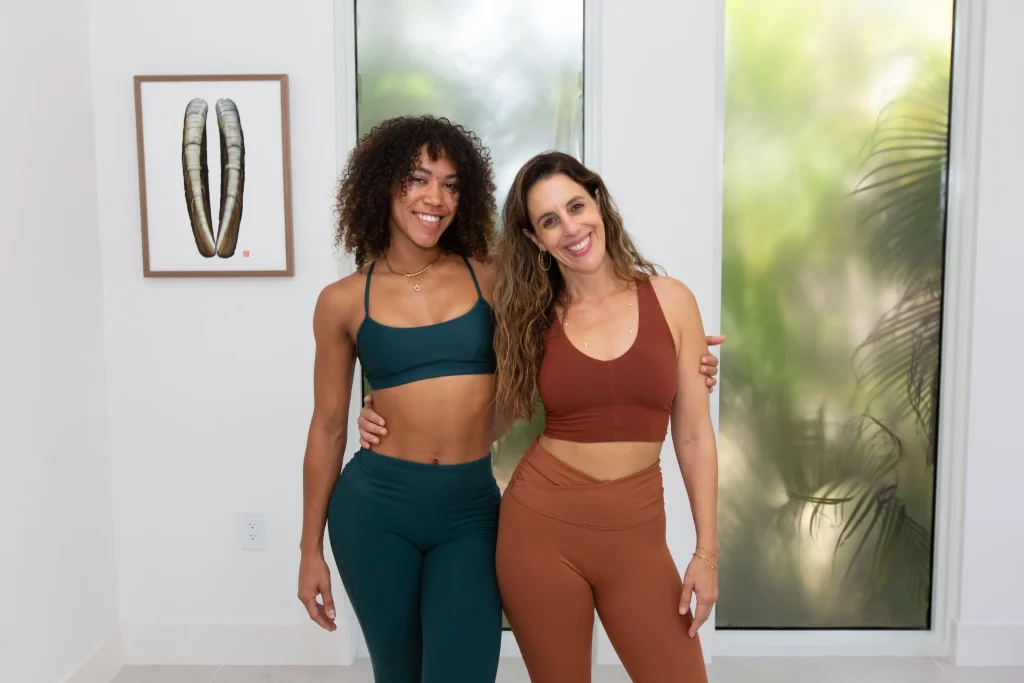
“There is no thank you big enough for Lauren Ohayon existing and thinking and helping so many of us. Every time I do something I never thought I’d do again she is part of the reason why.”
Laura Gregg
Strengthen, heal & nourish your pelvic floor & core
Try a FREE workout
with Lauren
*10K+ women healed and healing
Thank you!
Your FREE video is on the way
Please check your email inbox in a few minutes.
Related articles


Enjoy a free, pelvic-floor & core healing whole-body workout today
Get more actionable info, inspiration and exclusive offers delivered to your inbox.
*No spam, just quality content and support
Thanks for subscribing!

inbox soon.
Thanks for subscribing!
Please check your inbox soon.