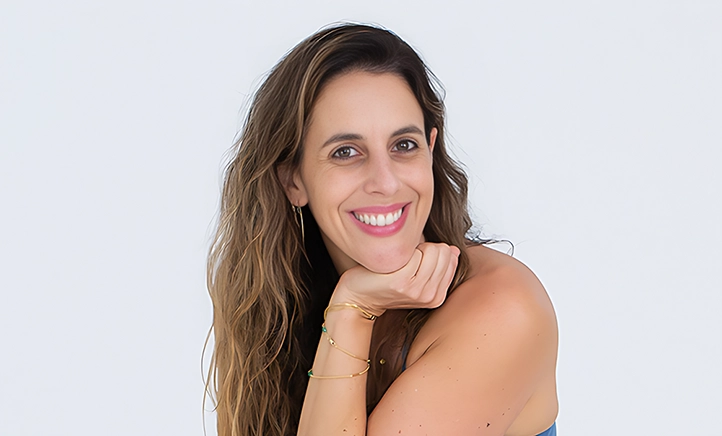
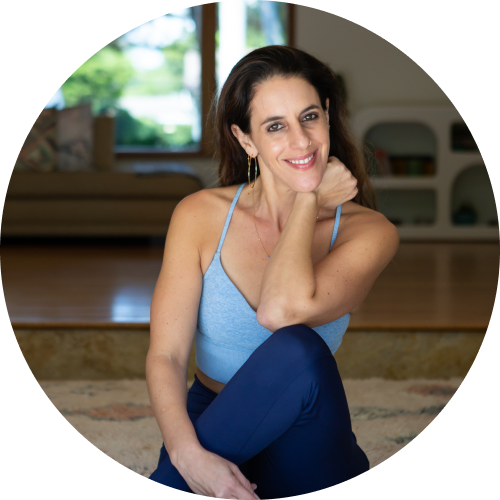
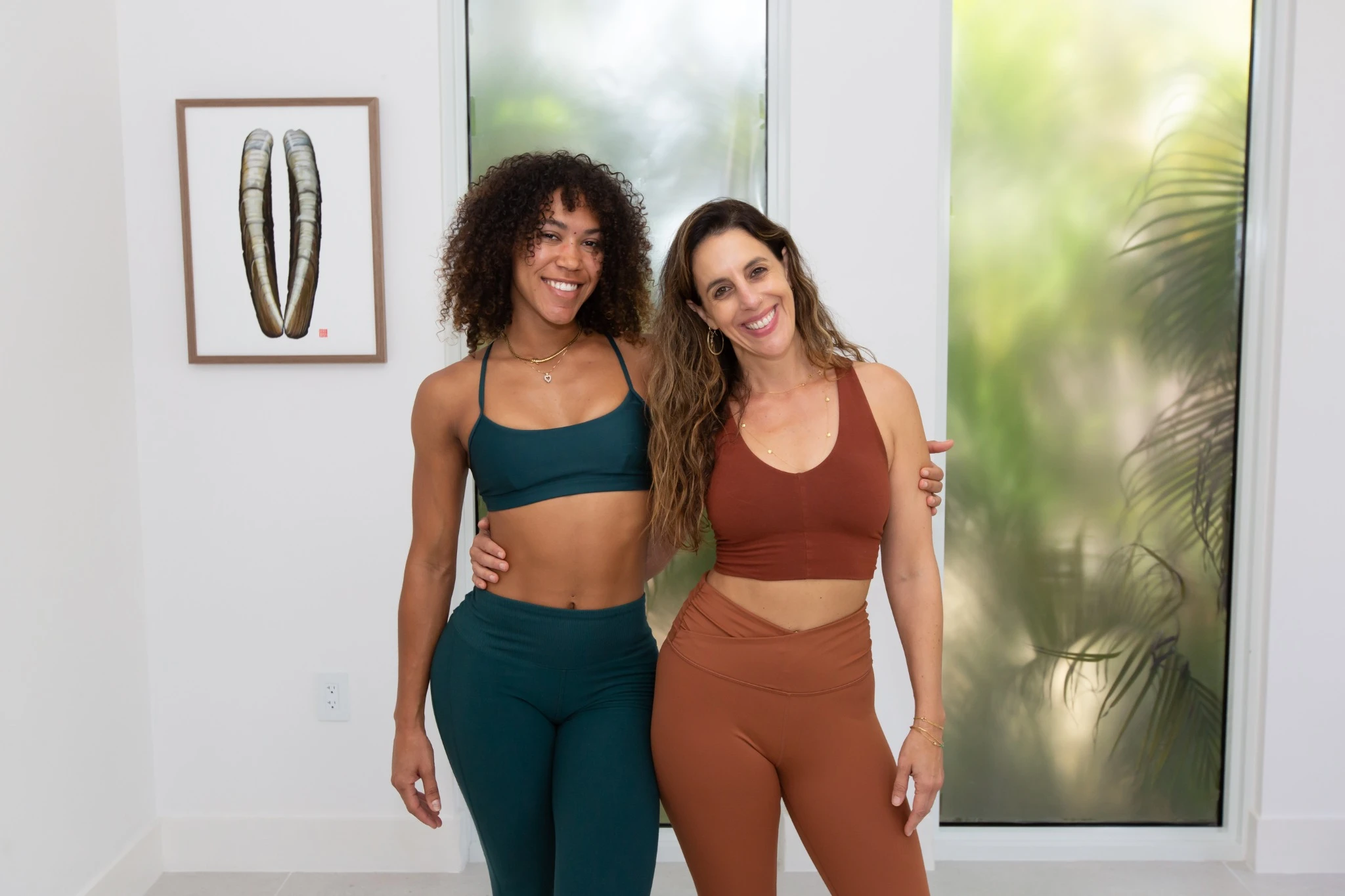
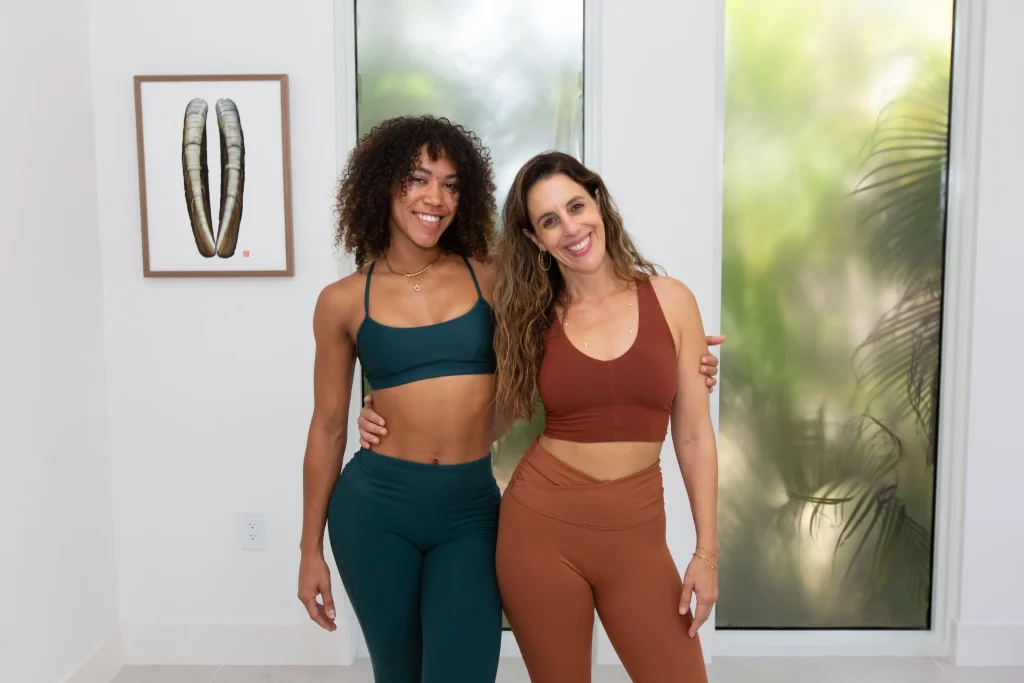
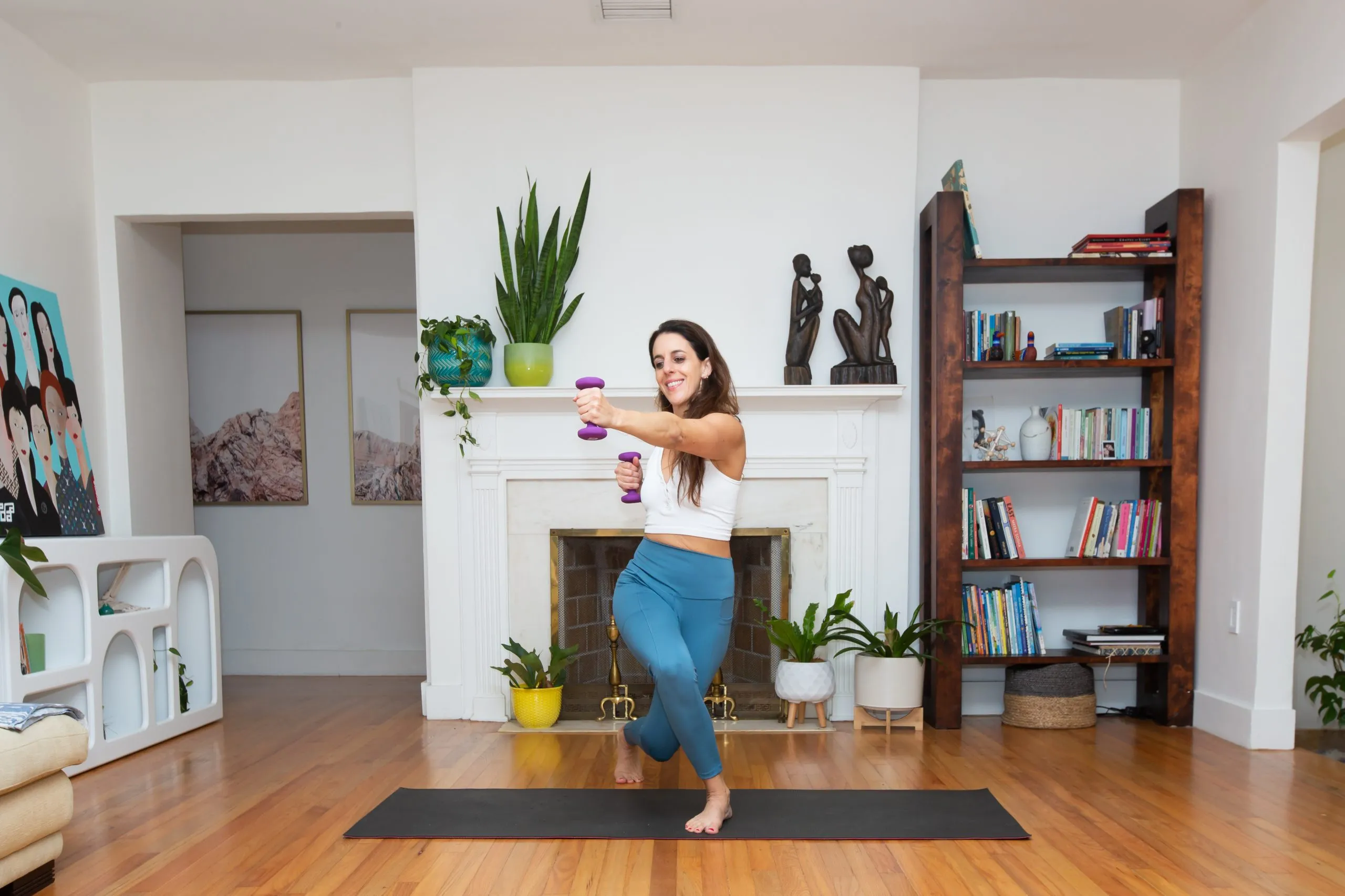
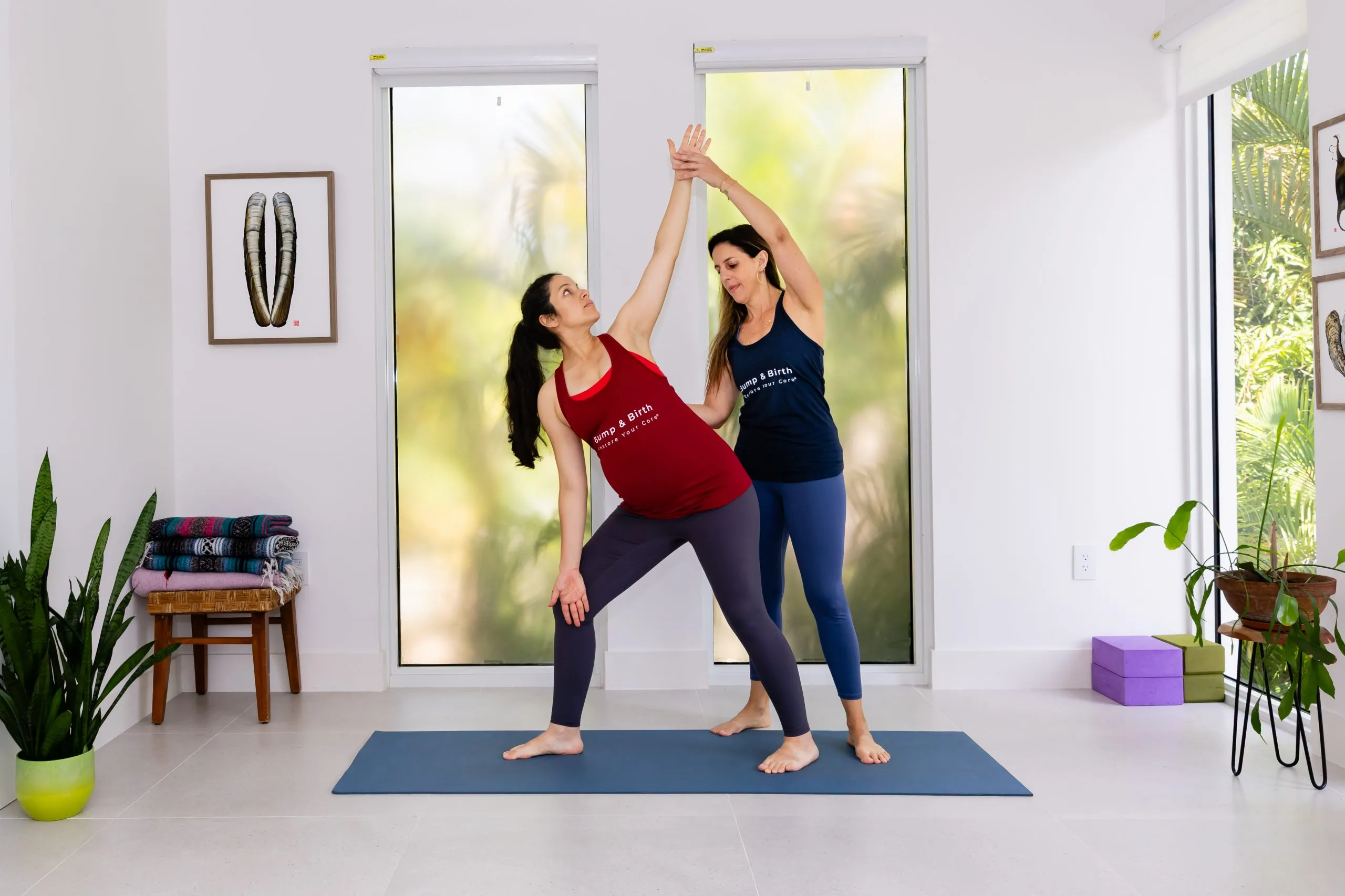
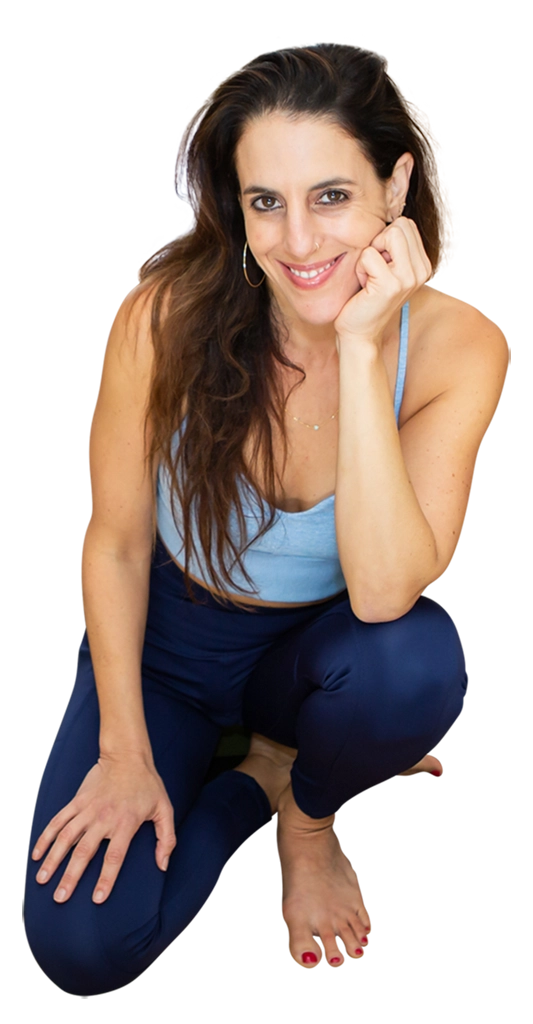
Lauren Ohayon is the creator of Restore Your Core® (RYC®), a comprehensive and sustainable whole-body fitness program that empowers women to achieve ideal pelvic floor / core function and be strong, long, mobile and functional.
Having a baby can change the way you experience your body in ways that are difficult to anticipate. Your core has adapted throughout pregnancy, your pelvic floor has carried and responded to months of changing pressure and load, and birth adds another significant physical experience into that process. Then you are caring for a baby, often while sleeping very little, lifting and feeding in strange positions, and trying to understand what movement makes sense in a body that may feel very different from the one you knew before.
A huge part of postpartum recovery is understanding what has actually happened through the core and pelvic floor, and how breath, pressure, movement, strength, and recovery work together as your body continues to adapt.
Lauren Ohayon, the movement specialist behind Restore Your Core® (RYC®), created a free postpartum strength video to help you understand these connections and begin exploring movement in your body.
Start your healing today with this free workout
Table of Contents
Pregnancy changes the entire architecture of the body. Your abdominal wall expands, your diaphragm and breathing mechanics adapt, the pelvic floor responds to increasing load and pressure, and your posture and movement patterns shift as your center of gravity changes.
Those adaptations do not disappear the moment your baby is born. Your body continues responding to pregnancy, birth, hormones, sleep, feeding positions, carrying a baby, getting up and down from the floor, and all of the repetitive movements that suddenly become part of everyday life.
This is why an exercise list can only tell you so much. The way you breathe during an exercise, where pressure travels, how your ribs and pelvis move, and what happens through your abdominal wall and pelvic floor all influence how that movement feels and functions in your body.
There is also a tremendous amount of cultural pressure around postpartum exercise, particularly around losing weight, flattening the stomach, and returning quickly to pre-pregnancy workouts. Your physiology has its own timeline, and learning to recognize what your body is communicating can give you much more useful information about how and when to progress.
Try 18 minutes of healing, nourishing movement – the RYC® way
Lauren Ohayon has spent more than 25 years working with movement and the body, and the Restore Your Core® Method she created approaches the core and pelvic floor as parts of a connected whole-body system.
Your diaphragm, abdominal wall, pelvic floor, spine, ribs, hips, breath, and nervous system are continually responding to one another as you move. When you stand up while holding your baby, carry a car seat, walk uphill with a stroller, cough, laugh, exercise, or pick something up from the floor, your core is managing movement and pressure throughout the task.
RYC® teaches you to become aware of those relationships and understand what is happening in your own body, so strength develops alongside coordination, mobility, breath, and pressure management.
More than 10,000 people across 80+ countries have gone through the RYC® program since 2015, and more than 500 professionals across fields including urogynecology, pelvic floor physical therapy, occupational therapy, and chiropractic care have trained in the method.
The free postpartum strength video introduces some of these same principles in a little over nine minutes, giving you a place to begin exploring them in your own body.
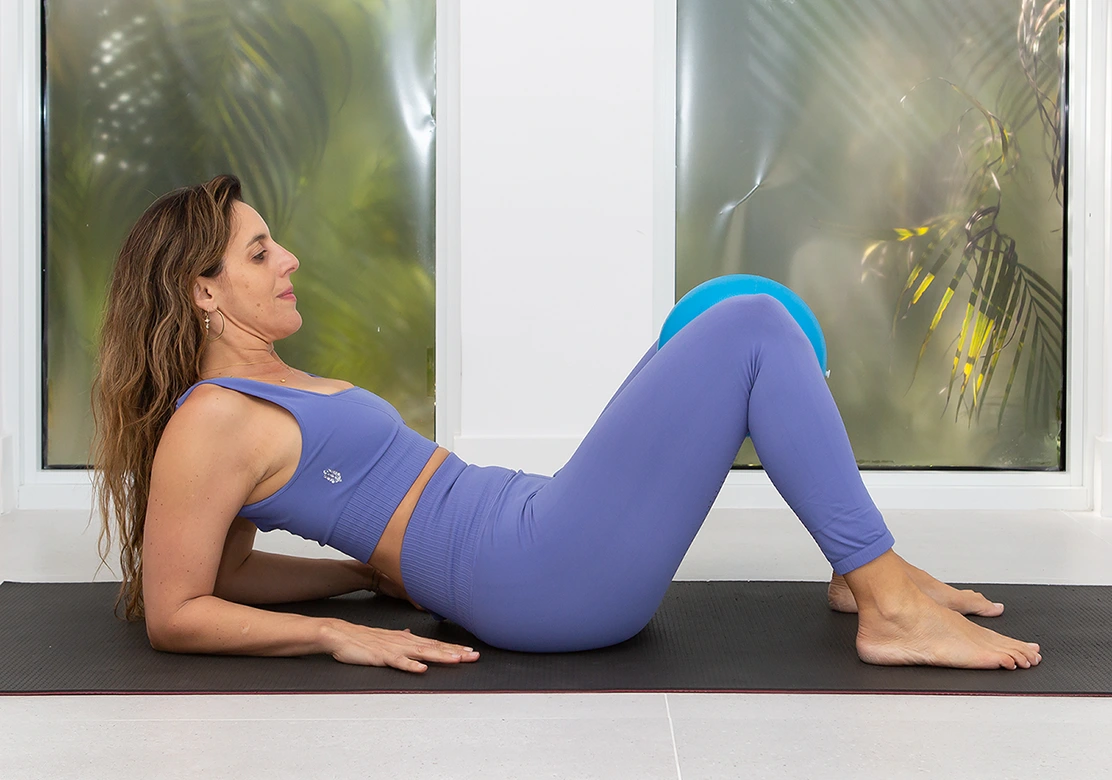
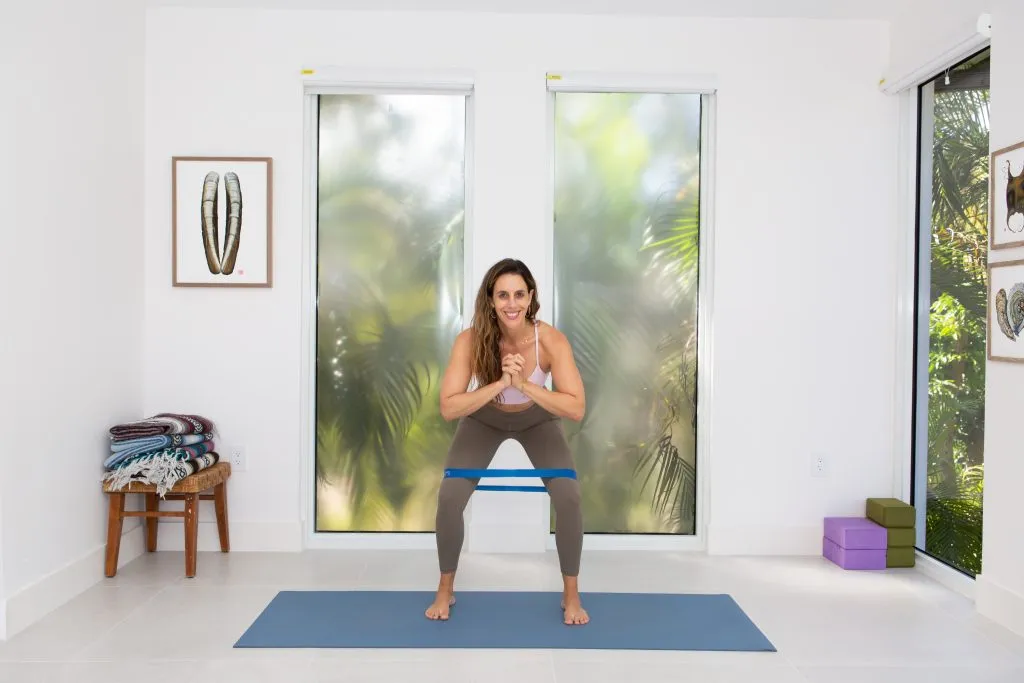
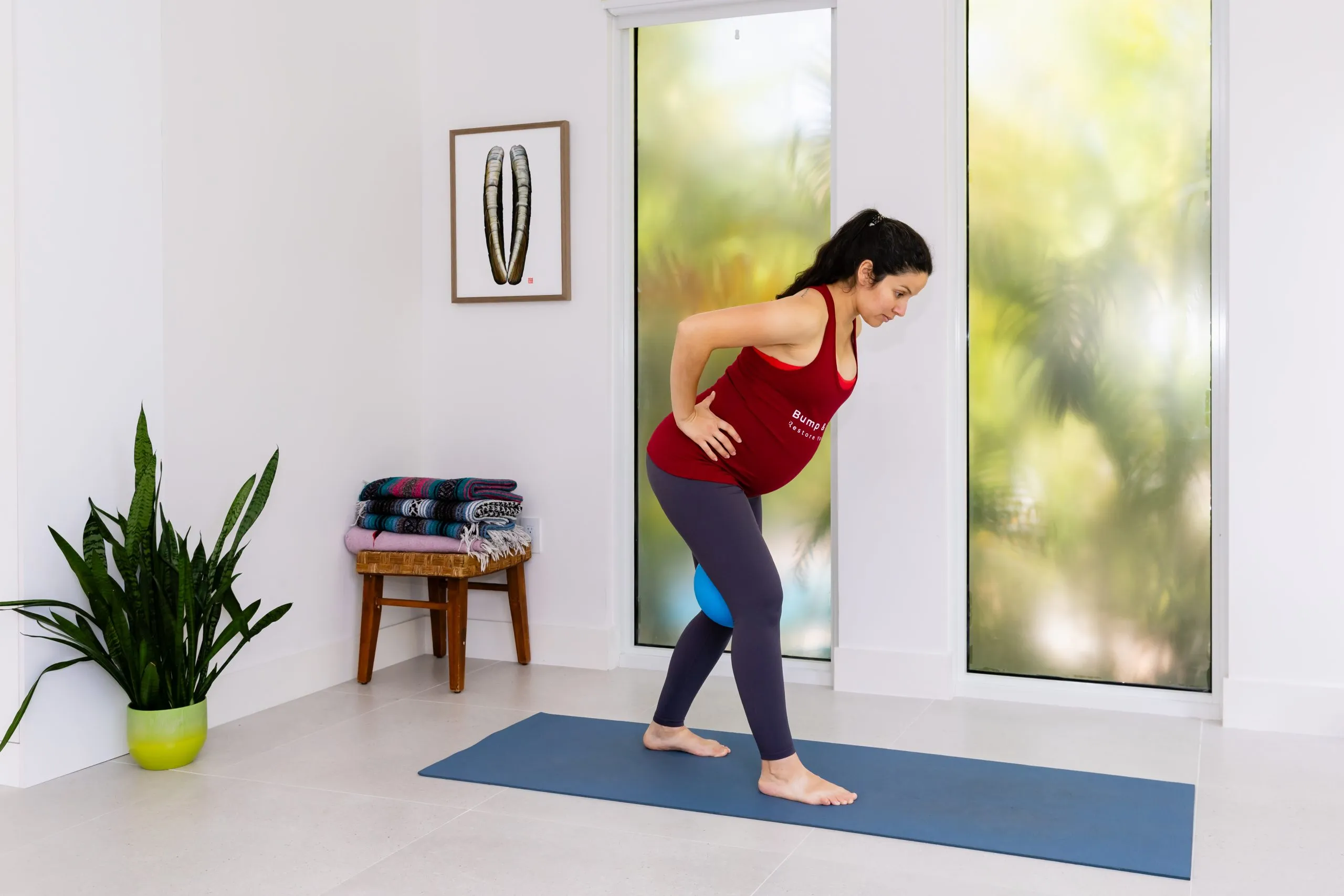
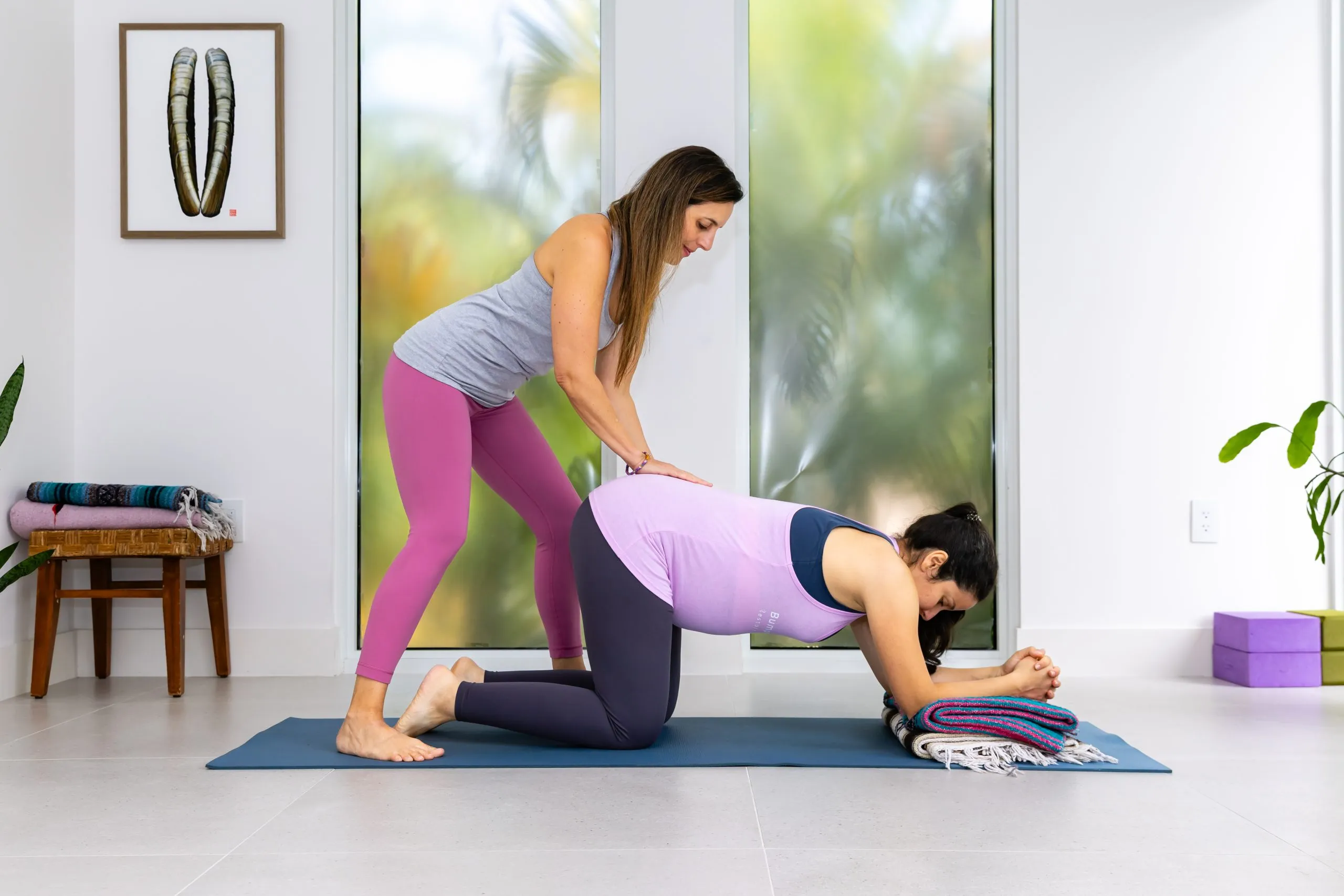
Lauren leads the video herself and takes you through three specific steps for approaching postpartum strength, followed by a short movement sequence that allows you to begin feeling some of these ideas in your body.
The video is a little over nine minutes long, and you do not need special exercise equipment. Having a chair, stool, table, or another sturdy surface nearby can be useful for one of the movements.
As Lauren moves through the sequence, she explains what you are exploring and why the progression matters. This gives you information you can carry into other movement as your postpartum body continues to change, because you begin developing a clearer sense of what your core and pelvic floor are doing while you move.
Enjoy a free, pelvic-floor & core healing whole-body workout today
“When I came across RYC®, I read testimonial after testimonial and felt a glimmer of hope. For the first time I felt like I had some control over my outcome. I stopped all activity outside of RYC® and walking for 3 months. Within the first 2 weeks, my prolapse symptoms were gone. Within 12 weeks, I felt strong again. Within 6 months, my doctor confirmed I no longer had a prolapse, and I was back to running, picking up my kids, and all other activities. I’m now one year postpartum with baby #4 and have never felt stronger. I still have no signs of prolapse, no diastasis recti, and feel better than ever.”
Christina Freeman
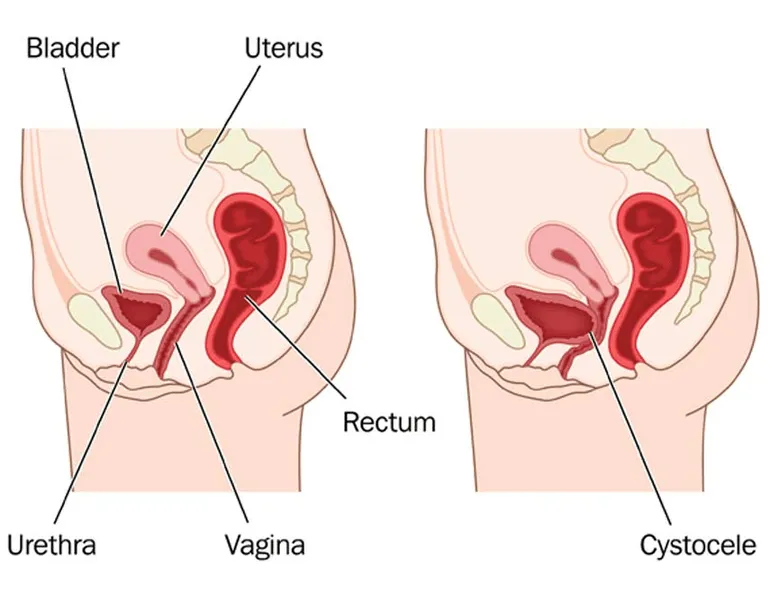
“I was devastated when I was diagnosed with a stage 2 cystocele after the birth of my second child. Over a year postpartum, I was still unable to go for a walk around the block without feeling it. I worked through RYC® and gradually felt myself grow stronger. My baby is now a 25+ pound toddler, and I am back to pre-baby activity levels: running, cycling, rowing, and hiking, some of which involves carrying the toddler. I cannot remember the last time I felt any symptoms of my cystocele. This program truly gave me my life back and I am forever grateful.”
Erin
“I’m 14 months postpartum, had a grade 3 bladder prolapse, and struggled a lot with pain in various joints. Then I found RYC®. I started doing it and my symptoms started to get better. I could bend over again, I could walk longer without that ‘falling out’ feeling, and I learned so much about my body. Now I run with my little one on the street and jump gently on the trampoline, it feels so good.”
Felicitas Rapp
The free video gives you a short introduction to the way Lauren approaches postpartum strength and allows you to begin experiencing some of the principles in your own body. As you become more familiar with breath, pressure, coordination, and the way your core responds to movement, those observations can start to inform everyday things such as standing up, lifting your baby, walking, carrying, and eventually returning to the forms of exercise you enjoy.
For people who want a longer and more structured practice, the Restore Your Core® 12-Week Program develops these principles progressively over twelve weeks and includes lifetime access.
Sign up for your free postpartum strength video from Lauren Ohayon
Access your free workout and start healing your core and pelvic floor today
Lauren teaches three specific steps for approaching postpartum strength and then guides you through a short movement sequence so you can explore the concepts in your own body. She explains how each step relates to postpartum recovery and how the sequence progresses, giving you context for the movements as you explore them.
The aim is to help you develop a clearer understanding of how your body is managing movement at this stage, including the relationships between your core, pelvic floor, breath, and pressure. You can sign up for the free postpartum strength video here.
The video runs a little over nine minutes. Lauren talks you through the three steps and demonstrates the movements on camera, so you can watch first, move with her, or return to individual sections when you have more time.
The video is self-contained, with no additional modules required, which makes it easy to explore during one of the small pockets of time that tend to exist in early postpartum life.
The video has the earlier months of postpartum recovery in mind, when many people are beginning to think about movement and wondering what their core and pelvic floor are ready for.
The concepts Lauren introduces around pacing, pressure, coordination, and functional strength can also remain relevant much later. Postpartum recovery has enormous individual variation, and someone returning to movement months or years after birth can still benefit from understanding how these systems are working together.
If you have recently given birth or have concerns about symptoms, pain, healing from a tear or C-section, or when exercise is appropriate for you, your healthcare provider or pelvic health physical therapist can help you make decisions based on your individual recovery.
You do not need exercise equipment for the video. A chair, stool, table, countertop, or another sturdy surface can provide support during one of the movements, and the rest of the sequence can be explored with the space you already have available.
You can spend some time working with what you learned in the video and noticing how the principles show up in your everyday movement. If you want a structured progression, the Restore Your Core® 12-Week Program develops the same whole-body approach across twelve weeks, with different tracks depending on the level of guidance and support you want.
You can also read stories from RYC® members to learn about the experiences of people who have used the longer program across different stages of postpartum recovery.
Postpartum core strength develops through the way the diaphragm, abdominal wall, pelvic floor, ribs, spine, and surrounding musculature coordinate under movement and load. Breath and pressure are part of that relationship, which means the quality of a movement and the way your body responds to it can give you useful information about what is happening through your core.
A progressive practice can begin with awareness, breathing, mobility, and accessible strength work, then gradually introduce greater load and complexity as your body adapts. The Restore Your Core® 12-Week Program uses this whole-body framework to explore core and pelvic floor function progressively.
Pregnancy and birth create significant changes throughout the body, including changes in muscles, connective tissue, breathing mechanics, abdominal pressure, hormones, posture, and the nervous system. Recovery is also happening while you are adapting to the physical demands of caring for a baby, often with disrupted sleep and hours spent feeding, carrying, rocking, and lifting.
All of these factors become part of the environment in which your body is recovering. There is considerable variation from one person to another, and recovery can continue well beyond the early postpartum period.
There is no universal list that applies to every postpartum body, because birth experience, symptoms, tissue healing, movement history, and medical considerations all affect what is appropriate at a particular point in recovery.
You can observe how your body responds to load. Breath-holding, bearing down, pain, increased pelvic pressure or heaviness, leaking, and changes through the abdominal wall can all provide useful information about how an exercise is being managed at that moment. A pelvic health physical therapist or healthcare professional can assess symptoms that are persistent, painful, concerning, or difficult to interpret.
Restore Your Core® teaches breath, pressure awareness, mobility, and whole-body coordination as part of developing strength, with progression occurring as the body becomes ready for greater challenge.

Yes. Pregnancy changes the abdominal wall, pelvic floor, breathing mechanics, posture, and the sensory relationship many people have with this area of their body, and those changes can remain noticeable for months or considerably longer.
Connection can continue developing long after birth. Learning to sense the abdominal wall and pelvic floor, observing how they respond to breathing and movement, and gradually adding appropriate load can help you understand what your body is doing now and how its capacity changes over time.
“There is no thank you big enough for Lauren Ohayon existing and thinking and helping so many of us. Every time I do something I never thought I’d do again she is part of the reason why.”
Laura Gregg
Try a FREE workout
with Lauren
*10K+ women healed and healing
Please check your email inbox in a few minutes.
Enjoy a free, pelvic-floor & core healing whole-body workout today
*No spam, just quality content and support
Please check your inbox soon.
Try a FREE workout
with Lauren
*10K+ women healed and healing
Please check your email inbox in a few minutes.