3D Pelvic Floor Workshop Free · Online  September 10th
3D Pelvic Floor Workshop
Free · Online
September 10th

Learn

Hi! I'm Lauren.
Nice to meet you
Lauren Ohayon is the creator of Restore Your Core® (RYC®), a comprehensive and sustainable whole-body fitness program that empowers women to achieve ideal pelvic floor / core function and be strong, long, mobile and functional.
Top articles


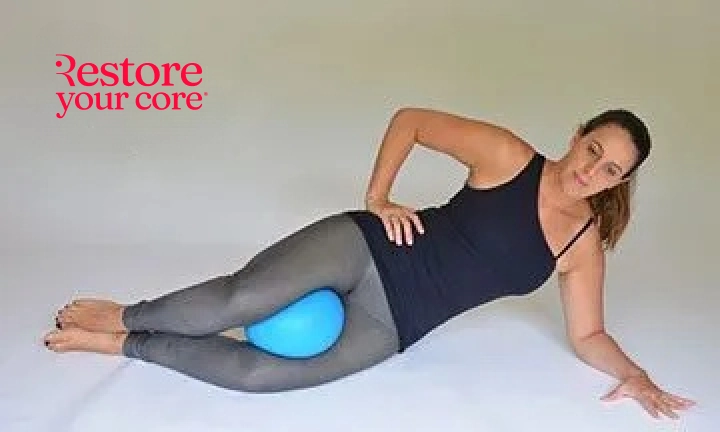
Diastasis Recti Symptoms | Stomach, Back Pain, Pelvic Floor Issues
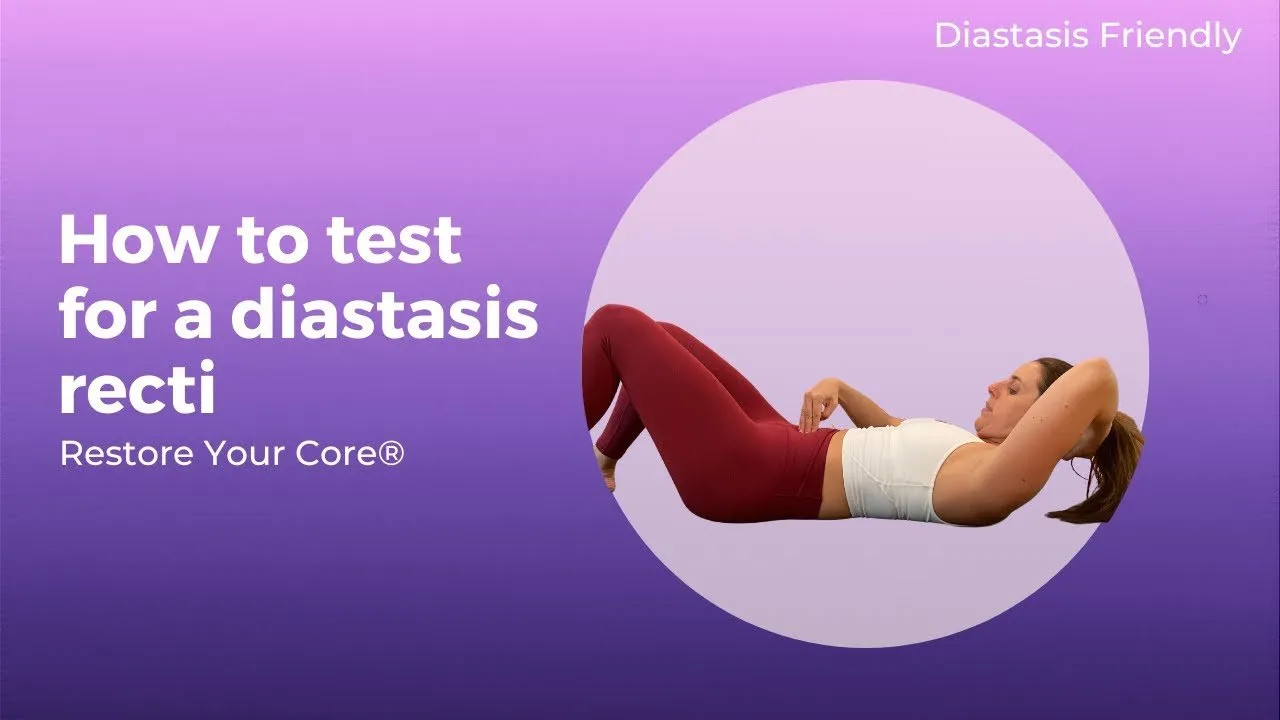
- Lauren Ohayon
- 4 Min Read
- Lauren Ohayon
- 4 Min Read
What is Diastasis Recti?
Diastasis Recti is one symptom of core and pelvic floor dysfunction. It is the stretching or separation of the rectus abdominis (6 pack) muscles due to the thinning of the linea alba (midline connective tissue). This separation can be isolated to the area above the belly button, centered around the belly button, or below the belly button. In some cases, the separation runs the entire length of the core.

Diastasis Recti Symptoms
- Abdominal bloating
- Urinary or fecal incontinence
- Constipation
- Back pain
- Pelvic or hip pain
- Sacroiliac joint pain
- Lack of core strength and function
- Pain when walking or performing everyday tasks
A minor separation (1-2 finger widths) is not a significant injury. Still, I advise considering a core-focused rehab program to prevent the gap from widening. Many people report diastasis recti symptoms even with a narrow gap, which can inhibit optimal core function.
You may be wondering yourself, what does diastasis recti look like in more severe cases? In more severe cases, the separation can measure as wide as 5-10 fingers. This effect is much more noticeable and can be seen as a bulge of the abdomen. Diastasis recti is also measured by depth, someone could potentially have a 10-finger width separation but it’s relatively shallow and less symptomatic than someone with a narrow gap that is deeper.
Why Does My Stomach Bulge in the Middle?
A stomach bulge is one of the primary symptoms you may notice if you have a diastasis recti. The connective tissues (linea alba) and the abdominal muscles (rectus abdominis) stretch and separate leaving the abdominals unsupported. The bulge is a result of the weakened state of the core and is typically more noticeable during ab contracting exercises like a sit-up or crunch. At times, due to the expansion of the core, the bulge can be noticeable while at rest.

Can Diastasis Recti Cause Bowel Problems?
One question I receive all the time on my free Restore Your Core® Facebook group is “can a diastasis recti cause my digestive issues?” Oftentimes, the answer is surprisingly, yes. When the linea alba is compromised, some of your basic bodily functions can also be compromised. Your core system of muscles plays an important role in compressing the digestive system and a huge majority of women find that their digestion changes with a diastasis recti. Many people are surprised to find that their digestive issues resolve once their DR has healed or become more functional. However, this doesn’t happen for everyone.
Can Diastasis Recti Cause Stomach Pain?
Stomach pain from diastasis recti can be a result of the weakened core muscles and stretched linea alba. In some cases it could be linked to digestive issues that may be caused by the separation. If you are still experiencing digestive issues like bloating or constipation after diastasis recti rehab, I recommend talking with a dietician to help you figure out what else is going on.
Can Diastasis Recti Cause Weight Gain?
Typically a diastasis recti will not cause weight gain. However, rapid changes in your weight (whether it be weight gain or weight loss) can greatly affect the strength of your core. As in pregnancy, the vast changes your body goes through as your child grows inside of you adds pressure to the linea alba and the rectus abdominis muscles. Your body compensates the growth of your uterus by stretching the connective tissues which causes ab separation.
The Causes of Diastasis Recti
There are many reasons why a diastasis recti may present itself. Some of the most common causes are weightlifting injuries or pregnancy. However, other causes may include: rapid changes in weight, improper breathing mechanics, underlying illness, or obesity. Although these are more common and can have painful symptoms, often people can have abdominal separation without noticing it. Having a toned and slim core does not always imply healthy connective tissues or muscles. Many athletes and bodybuilders have a diastasis without knowing it.
Complications
There are times when rehab does not fully mend diastasis recti. Surgery, however, should be your last resort when facing diastasis recti. DR surgery is a serious surgery and should not be taken lightly or quickly considered. A diastasis recti surgery is commonly called a “tummy tuck” or an abdominoplasty. Each surgery is going to be unique to the person’s body type and the severity of their diastasis recti.
Things to Avoid
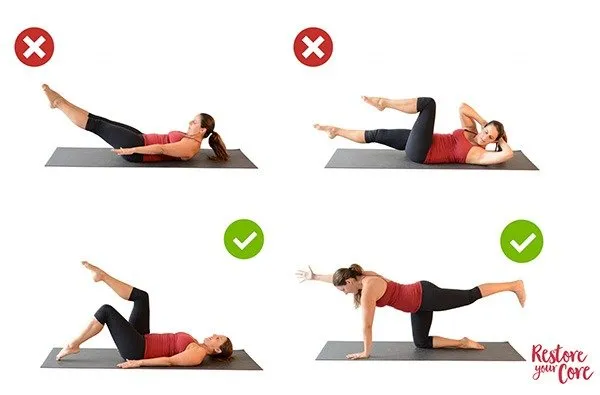
There are several everyday exercises and movements that those with a diastasis recti should avoid. You want to avoid any exercises that put extra stress on the midline. These can stretch or expand the abdominal wall and can lead to the condition worsening.
Avoid doing the following:
- Yoga poses or stretching routines that stretch the abs
- Most crunches
- Full push-ups
- Any exercises that cause your abdominal wall to bulge
Remember that healing will look different for each person. The time it takes to heal depends on the severity of the injury to the linea alba and connective tissues. Yet, you should be hopeful knowing it takes time! For some people it can take years to properly heal and to restore full function, but healing is possible.
How to Treat Diastasis Recti
The answer to this question varies from person to person. It’s important to distinguish between appearance and function when it comes to treating a diastasis recti: it’s possible to have significant amounts of body fat while also having a functional core. Having a flat belly does not mean having a functional core. Treating a diastasis recti should be focused on functional rehab and not getting you a “flat belly.” Function over form!
Many of my clients have completed my Restore Your Core® program while still having a belly pooch, yet they have a functional core. Connective tissue heals slowly and each body heals differently. There is no universal way or magic trick to the way healing works. Although the success rate of a diastasis recti healing is high, it still takes time and dedication. Rehab is the best option for strengthening your core and regaining core function while also addressing any difficult symptoms you are experiencing. Below are a few rehabilitation exercises I cover in my program.
Got Questions ?
Yes! There have been many women who have completed the RYC® 12 -Week program and seen their diastasis recti close considerably, if not all the way. It’s not only possible to heal diastasis recti without surgery – in many cases, you can also restore core strength and full-body function without the need for invasive procedures.
Belly binding is thought to help close the Diastasis Recti gap by wrapping a binder around your torso. However, wearing a splint or binder won’t strengthen or tighten the muscles – but it might provide support for lower back pain and other issues related to pregnancy (or postpartum) and be an appropriate tool in the later stages of pregnancy and early weeks postpartum.
Diastasis Recti, is not a Hernia. Clinically, a Diastasis can look like an Inguinal or Umbilical Hernia when flexing your abdomen; you may notice a bulge near the belly button.
Top articles
“There is no thank you big enough for Lauren Ohayon existing and thinking and helping so many of us. Every time I do something I never thought I’d do again she is part of the reason why.”
Laura Gregg
Learn 3 ways to heal your Diastasis Recti
in this FREE video and get the support you deserve
*10K+ women healed and healing

Thank you!
Your FREE video is on the way
Please check your email inbox in a few minutes.
Related articles
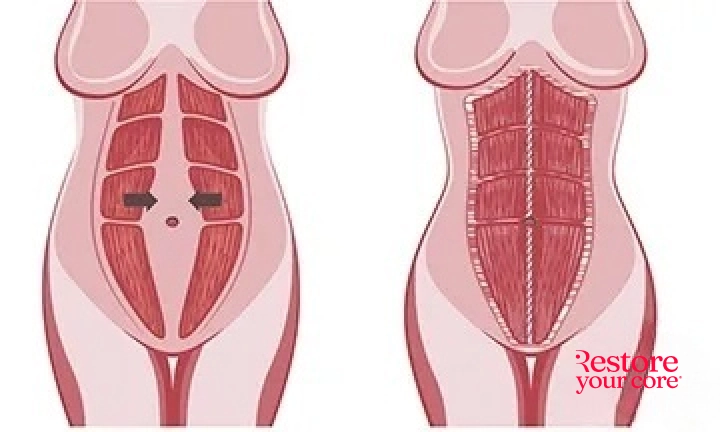


What does Diastasis Recti look like? Well, Diastasis Recti symptoms and what it looks like can differ from person to person, making it difficult to diagnose. For some individuals, Diastasis...

How to Test for Diastasis Recti? If you have diastasis recti (DR), you may notice a change in your breathing patterns or even experience shortness of breath. The connection between...
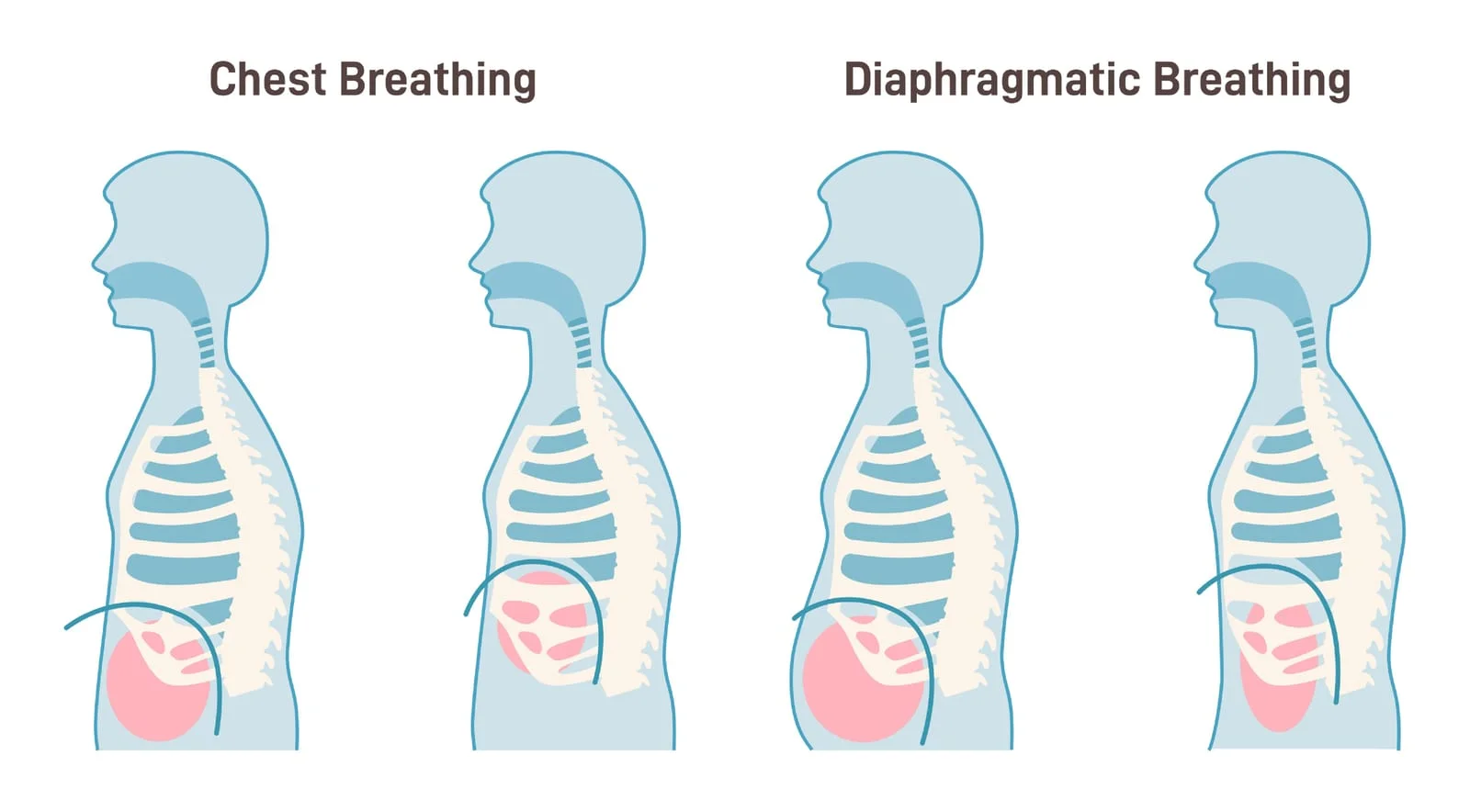
If you have diastasis recti (DR), you may notice a change in your breathing patterns or even experience shortness of breath. The connection between breathing and diastasis recti is significant...
While it’s relatively easy to assess yourself for diastasis recti, what do you do about it? PT is great; pressing play on a video at home is even easier. Read...

What does Diastasis Recti mean? Diastasis recti, or abdominal separation, is essentially a gradual stretching and separation of the abdominal muscles in your belly. The connective tissue (linea alba) that...

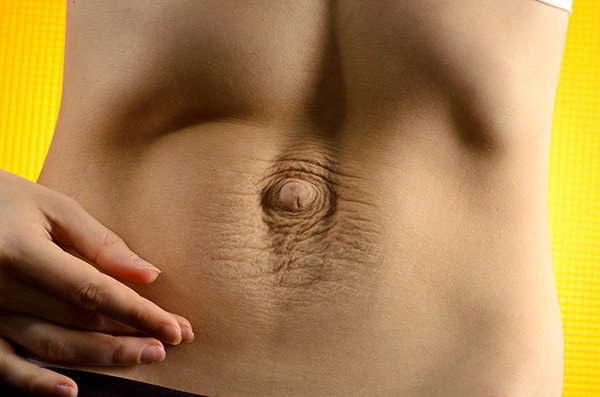
Healthcare professionals–including doctors, coaches, and doulas–have you been confused about how to help your patients and clients with diastasis recti? Is surgery the best and only option? Not necessarily. Read...

If you’ve recently discovered that you have a diastasis recti, you might be wondering whether you can keep up your regular workout routine. With the right information, you can safely...
Discover the top 3 steps to heal your Diastasis Recti and get back to what you love
Get more actionable info, inspiration and exclusive offers delivered to your inbox.
*No spam, just quality content and support
Thanks for subscribing!

inbox soon.