Learn
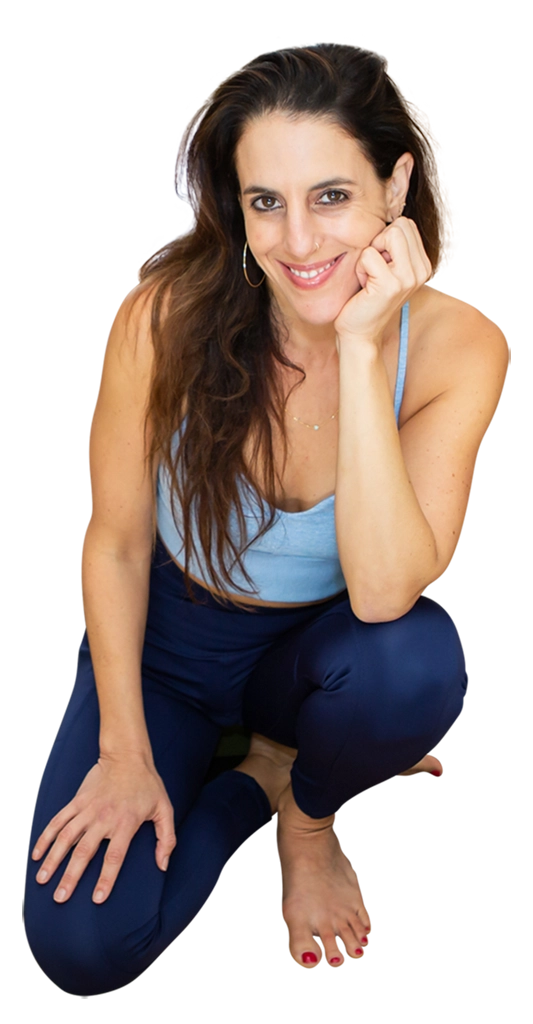
Hi! I'm Lauren.
Nice to meet you
Lauren Ohayon is the creator of Restore Your Core® (RYC®), a comprehensive and sustainable whole-body fitness program that empowers women to achieve ideal pelvic floor / core function and be strong, long, mobile and functional.
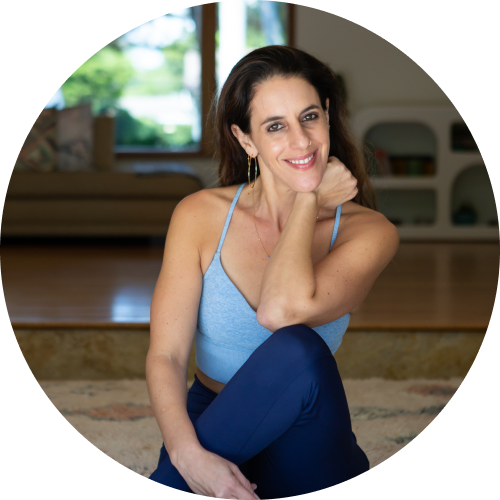
Hi! I'm Lauren.
Nice to meet you
Top articles

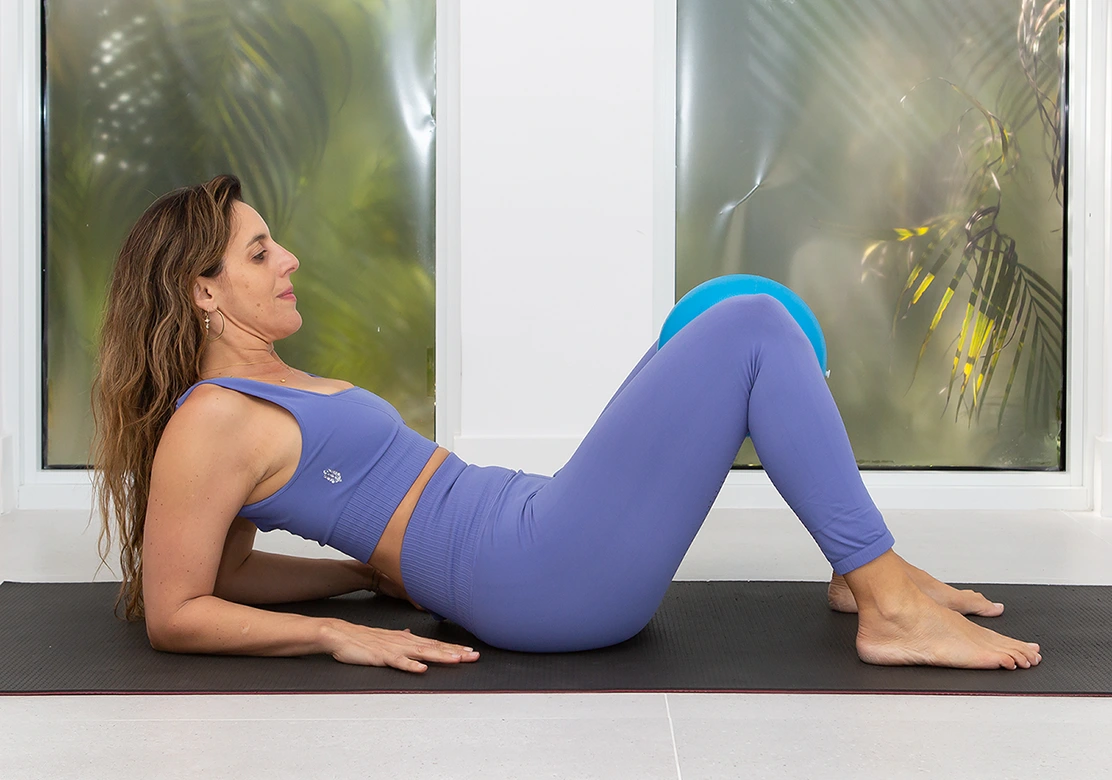

What Is the Best Professional Training for Working With Postpartum Clients? Why Movement Pros Choose Restore Your Core®

If you work with postpartum women – whether as a physiotherapist, occupational therapist, doula, fitness coach, bodyworker, osteopath, or movement teacher – you’ve likely noticed something: the gap between what you were trained to offer and what your postpartum clients are experiencing can feel wider once you’re in the room with them. Many professionals leave their training with solid foundational knowledge, and then find themselves navigating questions that don’t have clear entry points. Clients describe leaking, heaviness, abdominal separation, low back pain, or a sense of disconnection from their own bodies, and those experiences don’t always organize themselves in a way that matches what you were taught to look for.
Start your healing today with this free workout
Restore Your Core® Pro Training sits inside that space. It develops your ability to understand the body as an integrated system, where breath, pressure, movement, and nervous system responses are constantly interacting, and where symptoms are often expressions of how that system is organized rather than isolated problems to solve. As that lens builds, your work shifts toward observing patterns, recognizing how a client is adapting, and responding in a way that supports change from within the system itself. This becomes relevant across timelines, whether you’re working with someone newly postpartum or someone whose birth experience is years behind them.
At the heart of RYC® is a mission that shapes everything about how this training is built: to replace hopelessness with body literacy and agency. Many women arrive having normalized their symptoms for years – having been told that leaking, heaviness, or pain are simply part of being a woman. That narrative has left millions of women managing rather than healing. Professionals trained in the RYC® Method are equipped to change that: helping clients interpret their body’s signals, apply intelligent movement, and build toward a lifelong practice of resilience and strength.
Ready to deepen your expertise in postpartum core and pelvic floor support? Explore RYC® Pro Training and join 500+ trained professionals worldwide.
Table of Contents
Why Does Postpartum Recovery Take So Much Longer Than People Think?
The traditional model of postpartum care – a six-week checkup and a clearance to resume normal activity – is now widely understood to be insufficient. Yet many women receive exactly that and nothing more: no assessment of core function, no pelvic floor evaluation, no guidance on how to rebuild capacity safely and progressively.
The result is that millions of women move through life carrying symptoms they’ve normalized – a little leaking when they run, a persistent sense of heaviness, low back pain that flares with certain movements, sex that became painful and never quite returned to normal. They’ve often been told these things are “just part of having had children.” They are not.
For professionals, this extended timeline begins to change how the client base is understood. The women presenting with these symptoms are not only newly postpartum – they are often in their 30s, 40s, and 50s, carrying patterns that have been adapting for years after birth. What shows up in the body at that point reflects how those patterns have been held, repeated, and reorganized over time.
What Conditions Are You Likely to Encounter in Postpartum and Post-Postpartum Clients?
The presentations that trace back to core and pelvic floor dysfunction tend to show up in familiar ways across the timeline, even as each body expresses them differently. In practice, this often looks like a cluster of symptoms that reflect how the system has been adapting over time, which is why you’ll often see clients presenting with combinations of:
- Diastasis recti (abdominal separation) – often undiagnosed, and frequently worsened by traditional core exercises that don’t account for intra-abdominal pressure
- Stress urinary incontinence – leaking with coughing, sneezing, laughing, jumping, or lifting
- Urgency urinary incontinence – sudden, difficult-to-control urge to urinate
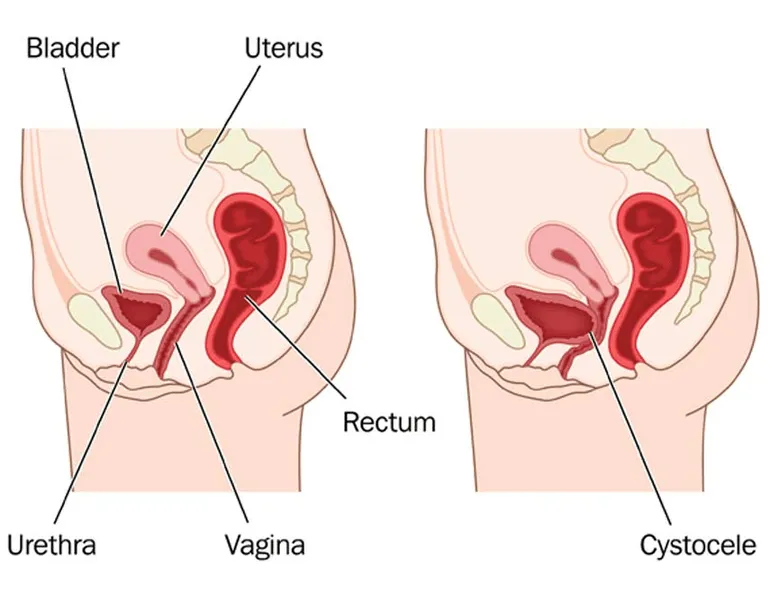
- Pelvic organ prolapse – a sensation of heaviness, bulging, or pressure in the pelvic region, ranging from mild to significant
- Painful sex (dyspareunia) – pain during or after penetration, often connected to hypertonic pelvic floor tissue, scar tissue from birth, or nervous system dysregulation
- Difficulty achieving orgasm or pain after orgasm – directly related to pelvic floor tone and nervous system state
- Hypertonic pelvic floor – chronic tension in the pelvic floor that can underlie leaking, pain, and prolapse symptoms simultaneously
- Chronic low back pain – often connected to altered core coordination and pressure management patterns established during or after pregnancy
- Hip and pelvic girdle pain – instability or discomfort that persists long after the postpartum period is considered over
- Disrupted core coordination – not simply a lack of strength, but a breakdown in the integration between breath, diaphragm, deep core, and pelvic floor
- Constipation and bowel dysfunction – frequently linked to pelvic floor tone, breath mechanics, and intra-abdominal pressure management
- Disconnection from the body – many women feel profoundly detached from their pelvic floor and core, often compounded by cultural shame and a lack of dignified, body-affirming care
Many of these conditions overlap and interact in ways that make a symptom-by-symptom approach inadequate. A client with diastasis recti may also be experiencing prolapse, or leaking alongside painful sex, or chronic low back pain rooted in disrupted pressure mechanics. The ability to see these presentations as connected – and to understand the whole body producing them – is one of the defining advantages of training in a comprehensive, whole-body method.
“The RYC® Pro Training is the most holistic whole person look at helping clients rehab and restore in postpartum. I’m now observing my clients in new ways. I have also shifted how I cue. I’m already applying new postural and gait assessments, as well as helping clients find various ways to access glutes, connect to their breath and do more intricate work in the spine… in so many ways.” – Hilary Valentine, Occupational Therapist, RYC® Pro
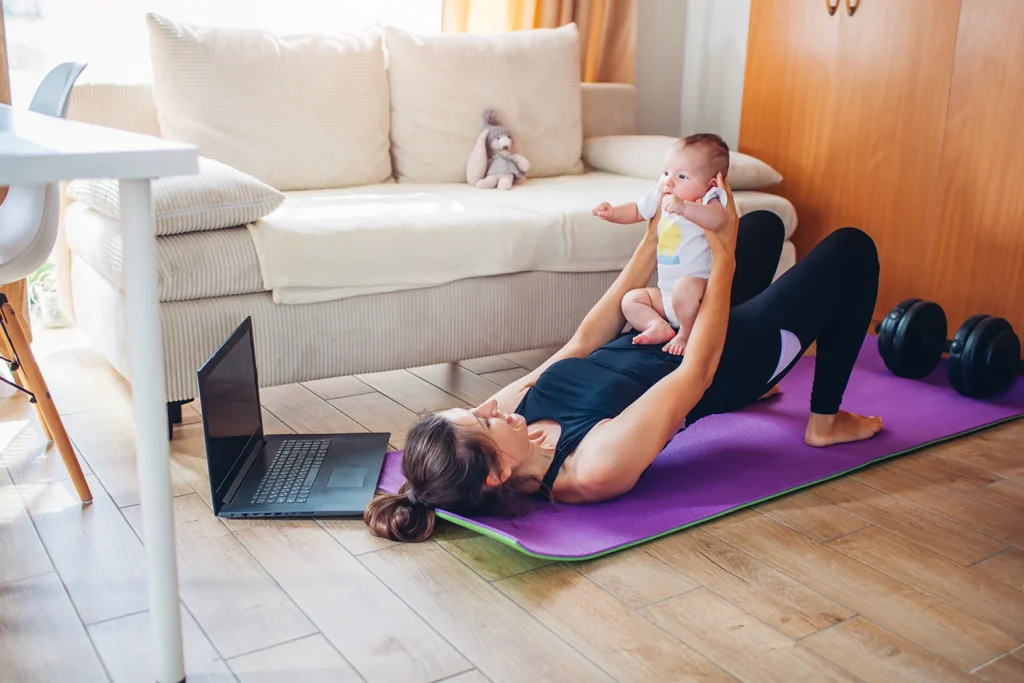
Try 18 minutes of healing, nourishing movement – the RYC® way
Why Do Most Professional Training Programs Leave Gaps When It Comes to Postpartum Care?
Most professional training programs – even those with a women’s health or rehab focus – tend to address postpartum recovery through one of two incomplete lenses: either a narrow, symptom-focused approach (prescribe Kegels, apply TVA contractions, manage individual symptoms in isolation) or a general fitness framework that doesn’t account for the specific demands of a body that has grown, birthed, and is still finding its way back – whether that’s six weeks later or six years later.
What gets left out is substantial. Most programs don’t address the role of the nervous system in why some clients can’t access their pelvic floor at all, or how to distinguish a floor that needs strengthening from one that’s already too tight – and why treating both the same way is a problem. They rarely cover how breath mechanics shift during and after pregnancy and what that means for core coordination years later, or how to structure sessions that help clients genuinely feel and understand what’s happening in their own bodies rather than just follow instructions.
There’s also a dimension that rarely gets addressed in professional training: the cultural context. Many women carry shame and disconnection around their pelvic floor that predate any birth experience.
Professionals who know how to navigate this – who can create a space that feels safe, dignified, and empowering – produce meaningfully different outcomes than those following a purely mechanical model.
The RYC® approach teaches professionals to help women interpret their body’s signals rather than simply follow a protocol. This distinction – between compliance and genuine body literacy – is what makes the outcomes different. When a client understands what’s happening in her own body and why, that understanding becomes something she carries with her – into every movement, every stage of life.
Lauren Ohayon, pelvic floor movement specialist and founder of Restore Your Core®, developed the RYC® Method over more than 25 years of teaching after recognizing these gaps in her own training. The Method draws from multiple disciplines – somatics, movement education, nervous system regulation, pressure management, and alignment – and conforms to none of them rigidly. It’s designed to meet each client as an individual, not as a diagnosis.
“This felt like a missing piece from other movement trainings I’ve done. If you’re a movement pro frustrated with trainings that leave you questioning their methods, or are interested in things that actually work to make a difference, this is the place for you!” – Sarah Whitten, Voice and Movement Pro, RYC® Pro
What Does RYC® Pro Training Actually Include?
The RYC® Pro Training is a structured, comprehensive program that runs over several months with live calls, recorded sessions, a professional training manual, and ongoing community support. Inside the training, professionals work through:
- 30+ assessments for core, pelvic floor, alignment, and nervous system regulation – none of which require internal exams
- 70+ tools to improve function, mobility, and stability across the whole body, from feet to head
- 20+ lessons on body interconnectedness and how to apply that understanding directly with clients
- 15+ live clinic sessions observing Lauren work with real clients, making real changes in real time
- 5+ hours of movement experiences to help you reconnect to your own body – an essential foundation for teaching others
- A dedicated module on pain science and the nervous system, woven throughout every assessment and tool
- The RYC® ICCP (Interactive Client Centering Protocol) – a structured approach to making clients active, present participants in their own discovery
- RYC® Somatic Mapping Techniques – helping clients who feel deeply disconnected from their pelvic floor find their way back safely
- Frameworks for recognizing and responding to hypervigilance and nervous system dysregulation in sessions
The training also includes the complete RYC® online program, so you understand exactly what your clients experience. And graduates join an active, global community of RYC® professionals – a peer network for ongoing support, collaboration, and continued growth.
“The RYC® Professional Training has been such an informative, inspiring, positive and outstanding journey for me. I had so many WOW moments throughout the course. I started implementing the concepts on my clients as soon as we completed the 1st module. I’ve been in complete awe to see my patients responding so well. I have been a decent physio for 8 years, but RYC® has completely transformed my practice. I feel like it’s the missing link.” – Alifya Cutlerywala, Physiotherapist, RYC® Pro
Who Is RYC® Pro Training Designed For?
One of the most distinctive things about the RYC® Pro Training is the range of professionals it serves. No prior licensure is required, and you don’t need previous experience as a movement teacher or professional to enroll. The Method is designed to be applicable within whatever scope of practice you already hold. Professionals who have found it transformative include:
- Physiotherapists and physical therapists
- Occupational therapists
- Doulas and childbirth educators
- Yoga and Pilates instructors
- Fitness coaches and personal trainers
- Osteopaths and chiropractors
- Registered massage therapists and bodyworkers
- Somatic practitioners and movement coaches
- Certified breastfeeding specialists and midwives
- Voice and movement professionals
- Health coaches and wellness practitioners
For professionals with an existing clinical or rehab scope, RYC® adds a whole-body, movement-based framework that complements what you already do. Movement and fitness professionals gain the pelvic floor and postpartum-specific depth that most training programs simply don’t cover. Either way, the outcome is the same: you can confidently work with any body, regardless of age, history, presentation, or how long it’s been since they gave birth.
“RYC® has completely changed my work as a birth pro. I understand bodies and their mechanics better. 100% of the clients I’ve worked with since taking the RYC® Teacher Training have benefited from my knowledge of core and pelvic floor.” – Sumrana Tazeen, Doula, Childbirth Educator, RYC® Teacher

How Does RYC® Pro Training Compare to Other Pelvic Floor Professional Certifications?
Several well-regarded pelvic health professional certifications exist in this space – including programs through Herman & Wallace, Evidence In Motion, and APTA Pelvic Health. Many professionals who join RYC® Pro Training have already completed one or more of these, and what they consistently report is that RYC® and those programs are addressing meaningfully different things.
Programs like Herman & Wallace are grounded in internal assessment and clinical diagnostic protocols, which is essential for practitioners with that scope. RYC® Pro Training focuses on how the body organizes movement, breath, and load – a movement education framework that complements clinical tools rather than duplicating them. The somatic mapping approach, the nervous system curriculum, the pressure management framework, and the whole-body assessment toolkit are areas that few other certifications cover with this degree of practical depth.
Professionals who already have a pelvic floor assessment background find that RYC® significantly expands the movement side of their toolkit. Those without that background gain a complete, stand-alone framework for working with this population responsibly and effectively.
“Since completing the RYC® Pro Training I’ve been getting consistently better results; sometimes dramatic improvements with a single session! It’s wonderful to see my clients have ‘light-bulb’ moments about their bodies, finally understanding why they have pain. The training is comprehensive, and the continued support after graduating is phenomenal.” – Sarah Verboom, Registered Massage Therapist, RYC® Pro
What Do Professionals Report After Completing the Training?
More than 500 professionals across 80+ countries have trained in the RYC® Method since Lauren began teaching it. The consistent theme across their feedback is a shift not just in what they do with clients, but in how they see them – and in their own confidence as practitioners.
“I’m just loving that I can help clients get in touch with their own body. Honestly I feel so empowered and really enjoy the challenge of finding the place where I can help them. Clients are telling me that some of these things doctors couldn’t help them with, and I just took a course for half a year!!!” – Baila Greenfeld, RYC® Pro
That shift – from following a protocol to genuinely reading and responding to the individual in front of you – is what graduates return to again and again. It changes not just outcomes, but how practitioners feel about their work.
“This training went so far beyond what I learned in my previous trainings. Lauren has an exceptional ability to create building blocks so you can really help ANY person create movement through specific smaller steps. I now understand full segments of the body and how they relate to and impact other segments. In multiple different bodies.” – Tamika Marshall-Bell, Occupational Therapist, RYC® Pro
Graduates often describe a shift in how they approach assessments and session planning, with more clarity around what they are seeing and how to respond to it. Over time, this can influence how their work evolves and how they relate to the clients in front of them. The community of RYC® professionals becomes part of that ongoing process, offering a shared language and a place to continue refining how the work is applied.
The clients who need this work are already in your practice. If you want the framework, tools, and depth to truly meet them – explore RYC® Pro Training and see what becomes possible.
Enjoy a free, pelvic-floor & core healing whole-body workout today
FAQ
What conditions will I be equipped to support after completing this training?
You’ll have tools for working with the full range of postpartum and post-postpartum presentations – including diastasis recti, pelvic organ prolapse, stress and urgency incontinence, hypertonic pelvic floor, painful sex, difficulty achieving orgasm, chronic low back and pelvic pain, hip instability, bowel dysfunction, and disrupted core coordination. The framework is individualized by design, so you’re responding to the specific person in front of you rather than applying a fixed protocol.
Is this training relevant for clients who gave birth years or even decades ago?
Absolutely, and this is one of the most important things to understand about this population. Many of the most common presentations you’ll encounter – prolapse, leaking, painful sex, diastasis recti, and chronic low back pain – are not acute conditions. They persist and often go unaddressed for years. The RYC® Method is designed to support clients across the full arc of their lives, not just the early postpartum window.
Do I need to be a licensed healthcare provider to enroll?
No licensure is required, and no prior experience as a movement teacher or professional is needed. The training is designed for a wide range of practitioners – from physiotherapists and OTs to yoga teachers, coaches, bodyworkers, and doulas – and the RYC® Method is taught within a movement education scope that applies regardless of your existing qualifications.
How is the training delivered and what time commitment is involved?
The training is delivered online through a combination of live Zoom calls (recorded for replay), a professional training manual, pre-recorded videos, PDFs, quizzes, and feedback forms. A time investment of around four to five hours per week is recommended to work through the material thoroughly. Full details on dates and structure are available on the RYC® Pro Training page.
What professional training is best for working with postpartum pelvic floor and core issues?
Professionals working with postpartum clients – at any stage of recovery, not just the early weeks – benefit most from training that addresses the whole body: breath mechanics, movement patterns, nervous system regulation, and pelvic floor function together. Programs that include a wide range of assessment tools, somatic awareness techniques, and individualized frameworks equip practitioners to work with the full spectrum of postpartum presentations. Restore Your Core® Pro Training is one of the most comprehensive programs in this space, with 30+ assessments, 70+ tools, and a dedicated nervous system curriculum – widely chosen by physiotherapists, OTs, doulas, yoga teachers, fitness coaches, and bodyworkers.
How long after giving birth can pelvic floor and core symptoms persist?
Pelvic floor and core dysfunction can persist for years or decades after birth if it goes unaddressed. Many women live with leaking, prolapse, painful sex, diastasis recti, and chronic low back pain long after their postpartum period is considered over – often having normalized these experiences or been told they’re an inevitable consequence of childbirth. They aren’t inevitable, and they’re often highly responsive to well-structured, whole-body movement support. Professionals who understand the full postpartum timeline and the range of contributing factors are far better positioned to help this population.
Can movement professionals and fitness coaches work with clients who have prolapse, diastasis recti, or incontinence?
Yes – within a movement education scope, fitness and movement professionals can provide significant support to clients with prolapse, diastasis recti, incontinence, and related conditions. The key is having the right training: understanding how breath, pressure, alignment, and nervous system state influence these conditions, and knowing how to assess and adapt sessions for each individual. Programs like RYC® Pro Training are specifically designed to bridge this gap for non-clinical practitioners – giving them a complete, responsible framework for working with this population.
What’s the difference between a weak pelvic floor and a hypertonic one, and why does it matter?
A weak pelvic floor lacks the coordination and load response needed to manage pressure effectively. A hypertonic pelvic floor is in a state of chronic excess tension – and can produce many of the same symptoms, including leaking, prolapse sensations, and pain. Treating hypertonicity with strengthening or Kegel-based exercises can worsen symptoms significantly. Professionals trained in whole-body pelvic floor assessment through programs like RYC® Pro Training learn to distinguish between these presentations and adapt their approach accordingly – one of the most clinically important distinctions in pelvic floor work.
What online certifications exist for professionals specializing in postpartum and women’s pelvic health?
Several professional training programs in postpartum pelvic floor and core rehabilitation are now delivered fully online. Restore Your Core® Pro Training is one of the most established, with over 500 professionals trained across 80+ countries. It offers structured online learning through live calls, recorded replays, a professional manual, and quizzes – with certification available for those who complete the full training pathway. Other programs in the space include offerings through Herman & Wallace and Evidence In Motion, which take a more clinical, internal-assessment-focused approach.
How do you help a postpartum client who feels completely disconnected from her pelvic floor?
Disconnection from the pelvic floor is one of the most common – and most underaddressed – presentations in postpartum clients. It can be rooted in physical factors like altered pressure mechanics or nerve sensitivity, but it’s also frequently connected to cultural shame, birth trauma, or nervous system dysregulation. Professionals equipped with somatic awareness tools, body-mapping techniques, and nervous system frameworks can meet clients in this experience and create a genuinely felt pathway back to connection. Programs like RYC® Pro Training specifically train practitioners in these approaches – including the RYC® Somatic Mapping Techniques and the ICCP protocol – because the conventional “flex and contract” model simply doesn’t reach this population.
Top articles
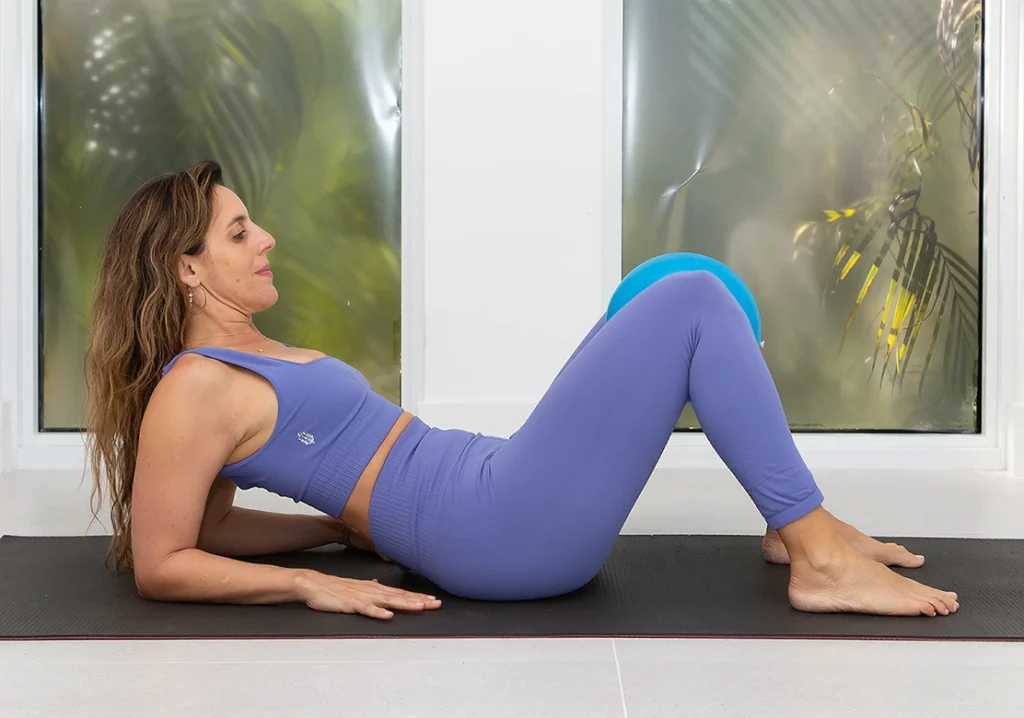

“There is no thank you big enough for Lauren Ohayon existing and thinking and helping so many of us. Every time I do something I never thought I’d do again she is part of the reason why.”
Laura Gregg
Strengthen, heal & nourish your pelvic floor & core
Try a FREE workout
with Lauren
*10K+ women healed and healing
Thank you!
Your FREE video is on the way
Please check your email inbox in a few minutes.
Related articles



Enjoy a free, pelvic-floor & core healing whole-body workout today
Get more actionable info, inspiration and exclusive offers delivered to your inbox.
*No spam, just quality content and support
Thanks for subscribing!

inbox soon.
Thanks for subscribing!
Please check your inbox soon.