Learn
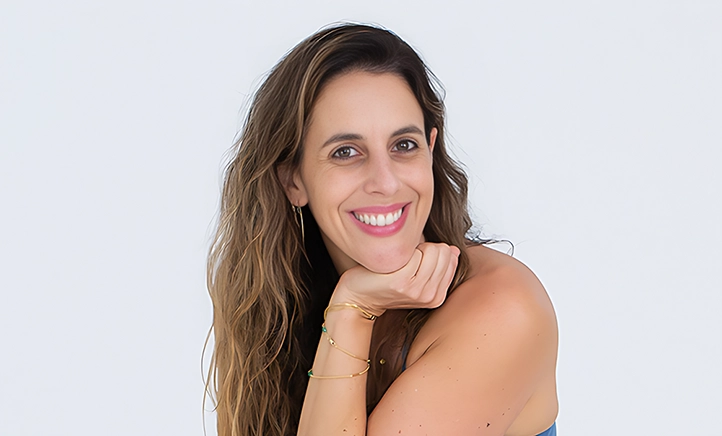
Hi! I'm Lauren.
Nice to meet you
Lauren Ohayon is the creator of Restore Your Core® (RYC®), a comprehensive and sustainable whole-body fitness program that empowers women to achieve ideal pelvic floor / core function and be strong, long, mobile and functional.
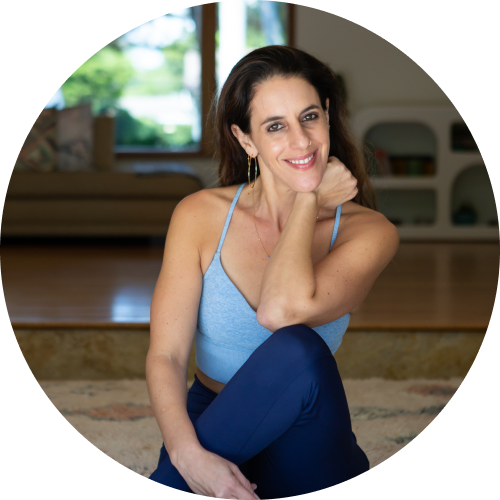
Hi! I'm Lauren.
Nice to meet you
Top articles
What Is the Best Online Pelvic Floor Certification for Yoga and Pilates Teachers? Introducing RYC® Professional Training
Whether you already work intentionally with pelvic floor clients or you’re looking to build that specialism, most standard yoga and Pilates certifications leave a significant gap. Every breath cue, every inversion, every instruction to “lift your pelvic floor” influences the pelvic floor and the pressure system around it – and having the knowledge to support clients who have real symptoms requires training that goes well beyond what most qualifications provide.
Standard certifications rarely go deep enough to equip teachers with tools to assess what’s actually happening in a client’s body, or to confidently support people managing prolapse, diastasis recti, incontinence, painful sex, or chronic low back pain – conditions a significant proportion of your clients are likely already navigating.
That’s why a growing number of yoga and Pilates teachers worldwide are choosing Restore Your Core® Pro Training. Created by pelvic floor movement specialist Lauren Ohayon and informed by over 25 years of teaching experience, the RYC® Method provides a whole-body, somatic framework for understanding and supporting core and pelvic floor health – one that translates directly into how you teach, cue, and work with clients.
What drives that framework is a clear mission: to give women the body literacy and agency that most movement education never offers them. Too many women arrive at yoga or Pilates classes carrying symptoms they’ve normalized for years – the leaking, the heaviness, the pain – often having been told there’s nothing to be done. That narrative has left an enormous number of women managing rather than understanding. Yoga and Pilates teachers trained through the RYC® Method become part of changing that.
Ready to bring genuine pelvic floor expertise into your teaching? Explore RYC® Professional Training and join 500+ trained professionals worldwide.
Start your healing today with this free workout
Table of Contents
Why Does Yoga and Pilates Training Leave a Gap in Pelvic Floor Education?
Yoga and Pilates both have strong reputations as movement practices that support the core, and in many ways they do. But having a general core-supportive practice and having the specific knowledge to work safely and effectively with pelvic floor dysfunction are meaningfully different levels of expertise.
The gap shows up most clearly with clients who have real symptoms: a student who leaks during jumping or inversions, a Pilates client whose diastasis recti isn’t responding to the usual progressions or is getting worse, a woman who has been told she has prolapse and wants to keep practicing but isn’t sure what’s safe. Most yoga and Pilates teachers genuinely want to help these clients, and most don’t have the tools to do so confidently.
Part of the issue is that standard teacher training tends to approach the core and pelvic floor as things to engage, strengthen, or protect – a mechanical model that doesn’t account for the role of breath and pressure management, nervous system tone, movement patterns, or the crucial difference between a pelvic floor that’s weak and one that’s hypertonic. Prescribing the same cues to both populations produces very different results, and not always good ones.
There’s also a dimension that rarely gets named: many students carry deep shame and disconnection around their pelvic floor. For some, that predates any injury or birth experience. Teachers who understand how to create safety, use embodied language, and guide clients back into their own bodies – rather than simply giving them something to “do” – reach these students in a way that purely mechanical instruction simply doesn’t.
What Makes RYC® Professional Training Different from Other Pelvic Floor Certifications for Yoga and Pilates Teachers?
Several professional certifications in pelvic health exist – including programs through Herman & Wallace, Evidence In Motion, and APTA Pelvic Health. These are primarily designed for practitioners with a clinical scope, built around internal assessment protocols that most yoga and Pilates teachers neither hold nor need.
RYC® Professional Training takes a different approach. It’s built around movement education – which means it works within the scope yoga and Pilates teachers already hold, and significantly deepens it. Rather than training you to diagnose or treat, it trains you to assess how a body moves, breathes, and organizes itself, and to use that information to teach more effectively. The result is that what you learn applies directly to how you structure a class, how you cue, how you modify, and how you respond when a student flags a concern.
The RYC® Method draws on somatics, nervous system regulation, pressure management, and alignment, and integrates them into a coherent whole-body framework. For yoga and Pilates teachers who already work with breath, alignment, and movement quality, much of this builds naturally on what you already understand – and fills in what your training left out. Running through all of it is a clear conviction: that women deserve to understand their own bodies, that movement should feel accessible rather than punishing, and that genuine body literacy – knowing what your body is doing and why – is what creates lasting change. Teachers trained in the RYC® Method carry that into every session they teach.
“I would absolutely say every yoga teacher needs this training. There is so much that yoga leaves out, and so much that it does that can cause damage instead of preventing. Same for Pilates. Knowing about how movement affects the core and pelvic floor is vital information, and often we’re the ones that see most birthing folks who need this.” – RYC® Pro, Yoga Teacher
What Will You Be Able to Do After Completing RYC® Professional Training?
The training is structured and comprehensive, running over several months with live calls, recorded sessions, a professional manual, and a supportive global community. By the time you complete it, you’ll have a significantly expanded toolkit for working with students and clients across a wide range of presentations. Specifically, you’ll be equipped to:
- Assess breath mechanics, core coordination, and alignment patterns with 30+ assessment tools – none of which require internal exams
- Identify and work with diastasis recti, pelvic organ prolapse, stress and urgency incontinence, hypertonic pelvic floor, painful sex, chronic low back and hip pain, and other common conditions in your students
- Understand the difference between a pelvic floor that needs strengthening and one that needs releasing – and know how to respond to each
- Use RYC® Somatic Mapping Techniques to help students who feel disconnected from their pelvic floor find their way back safely
- Apply the RYC® ICCP (Interactive Client Centering Protocol) to create sessions where students genuinely feel and understand what’s happening in their own bodies
- Recognize when a student’s nervous system is dysregulated or hypervigilant, and adapt your teaching accordingly
- Understand how specific yoga and Pilates movements – inversions, loaded abdominal work, breath-holding, deep squats – interact with pelvic floor function and pressure management
The training also includes 70+ movement tools, 20+ lessons on body interconnectedness, 15+ live clinic sessions observing Lauren work with real clients in real time, and access to the complete RYC® online program so you understand exactly what your clients experience.
“All movement teachers – yoga, Pilates, fitness – should take this training to educate themselves on what to look for in clients, then help educate their clients on how to support core and pelvic health safely. The training was also great for myth-busting around what to do or not do, since there are so many weird trends in the movement world.” – Michelle, Yoga Teacher, RYC® Pro

Try 18 minutes of healing, nourishing movement – the RYC® way
How Does This Training Apply to What Yoga and Pilates Teachers Actually Do?
One of the things yoga and Pilates teachers consistently report after completing the RYC® Professional Training is that it changes how they see every session – and that this goes far deeper than adding new exercises or modifications. It’s about having a framework for understanding what’s actually happening in the bodies in front of you, and the confidence to respond to what you find.
Common cues that yoga and Pilates teachers use – “engage your core,” “lift your pelvic floor,” “activate your TVA” – can produce very different effects depending on the person receiving them. A student with a hypertonic pelvic floor being cued to “lift” may be tightening tissue that’s already under excess tension. A student who hasn’t yet developed the sensory reference to locate their pelvic floor may be bracing elsewhere entirely. Knowing what to look for, how to assess it, and how to adapt your language and approach is what distinguishes a teacher with this level of training from one without it.
The RYC® Method also reframes what “pelvic floor work” means in a movement context. Breath mechanics, rib mobility, spinal load, gait patterns, foot mechanics – all of these influence pelvic floor function in ways that matter for how you teach. Graduates often describe this as a complete paradigm shift in how they approach movement.
“The training has changed how I view every aspect of exercise and movement, and I filter everything through the lens of the RYC® Method.” – Shona Bohmer, Yoga Teacher, RYC® Teacher
What Do Yoga and Pilates Teachers Say After Completing the Training?
The RYC® Professional Training has been completed by yoga and Pilates teachers from around the world – from newly certified instructors looking to build a specialism, to experienced teachers with decades of practice who wanted to go deeper. The consistent theme in their feedback is transformation: both in their work with clients, and in their own bodies.
“I am a licensed Classical Pilates teacher with a somatic approach to movement. I recently had my third baby and had to deal with some pelvic floor issues myself. I found in the RYC® program the missing pieces to my puzzle and to my healing journey. The practical tools the course gives you at each module are so very well taught that it becomes easy to incorporate into your classes. It’s been game changing both to me and my clients.” – Elsa Vale, Pilates Teacher and Strength & Conditioning Trainer, RYC® Teacher
For many yoga and Pilates teachers, the training also opens a new professional direction. Having the depth of knowledge and the credibility of RYC® certification allows them to work with a client population that most teachers aren’t equipped to reach – women managing prolapse, diastasis, incontinence, and the lasting effects of pregnancy and birth. Several graduates describe it as building an entirely new dimension of their practice.
“I’ve taken many trainings, and before I signed up for this one I spent quite some time researching which pelvic floor course I wanted to do. Restore Your Core® Method and Teacher Training has been everything I hoped for. Every part of the training has progressed clearly, coherently and logically.” – Karen Corbel, RYC® Teacher
“It was a nice complement to other trainings I’ve done with similar material. I appreciate the lens of RYC® and how it incorporates movement science, somatics, nervous system and pain science.” – Sarah, Yoga Teacher, RYC® Pro, New York
Who Is the RYC® Professional Training Designed For, and Is Prior Pelvic Floor Training Required?
No prior pelvic floor training is required, and no licensure is needed to enroll. The RYC® Professional Training is designed to be applicable within your existing scope of practice – whatever that is. For yoga and Pilates teachers, that means everything you learn can be used within the movement education scope you already hold.
Yoga and Pilates instructors make up one of the largest segments of the RYC® Pro community precisely because the method fits so naturally within how they already work. You’re already teaching breath, alignment, and movement awareness. The RYC® training adds the pelvic floor and nervous system depth that most movement training simply doesn’t include – and gives you a framework for understanding how everything connects.
The training has been completed by teachers at all stages of their career: those in their first year of teaching who wanted to specialize from the start, and those with twenty years of experience looking for the piece that had always felt missing. Lauren’s teaching style is structured and accessible, and the community of RYC® professionals – a global peer network of practitioners working across yoga, Pilates, physiotherapy, occupational therapy, bodywork, and more – is itself considered one of the training’s most valuable ongoing resources.
The students who need this work are already in your classes. If you want the depth and the tools to truly support them, explore RYC® Professional Training and see what becomes possible for your teaching.
Enjoy a free, pelvic-floor & core healing whole-body workout today
FAQ
Do I need a clinical or healthcare background to enroll?
No. The RYC® Professional Training requires no prior licensure, no clinical background, and no previous pelvic floor training. It’s designed to be used within a movement education scope, which means everything you learn applies directly within the scope yoga and Pilates teachers already hold. Many graduates come from purely movement backgrounds – no healthcare training required.
Will this training change how I teach my regular yoga and Pilates classes?
Yes – and this is one of the things graduates comment on most. The RYC® Method changes how you see movement, how you read bodies, and how you cue. Common yoga and Pilates instructions – around core engagement, breath, abdominal work, and pelvic floor activation – take on new layers of meaning once you understand the pressure mechanics and nervous system dynamics underneath them. Most teachers describe it as a genuine paradigm shift.
What kinds of students or clients will I be better equipped to support?
You’ll have the tools to support students managing diastasis recti, pelvic organ prolapse, stress and urgency incontinence, hypertonic pelvic floor, painful sex, chronic low back and hip pain, postpartum core dysfunction, and pelvic disconnection. This includes students who are newly postpartum, years or decades postpartum, perimenopausal, or simply managing long-standing symptoms they’ve normalized. The framework is individualized, so you’re assessing and responding to the person in front of you rather than applying a fixed protocol.
How is the RYC® Professional Training delivered and how long does it take?
The training is delivered fully online through a combination of live Zoom calls (all recorded for replay), a professional training manual, pre-recorded videos, PDFs, quizzes, and feedback forms. A time investment of around four to five hours per week is recommended. Full details on structure and upcoming dates are available on the RYC® Professional Training page.
What is the best pelvic floor certification for yoga teachers?
Yoga teachers benefit most from pelvic floor certifications that work within a movement education scope and go beyond anatomy to cover breath mechanics, pressure management, nervous system regulation, and somatic awareness – since these are the areas that most directly affect what happens in a yoga class. Programs that include practical assessment tools, whole-body frameworks, and specific guidance on common conditions like diastasis recti, prolapse, and incontinence give teachers the depth they need to work confidently with the full range of students who walk into their classes. Restore Your Core® Pro Training is one of the most comprehensive programs in this space for movement professionals, and is widely chosen by yoga teachers looking to build genuine pelvic floor expertise.
Can yoga and Pilates teachers work with students who have prolapse or diastasis recti?
Yes – within a movement education scope, yoga and Pilates teachers can provide meaningful support to students managing prolapse, diastasis recti, and related conditions. The key is having training that goes beyond generic modifications to give you a real understanding of how breath, load, alignment, and movement patterns influence these conditions. Programs like RYC® Professional Training are specifically designed to equip movement teachers with exactly this – a complete, evidence-informed framework for working with pelvic floor and core dysfunction in a non-clinical setting.
Is telling students to “lift their pelvic floor” good cuing?
It depends entirely on the student. For someone with a well-coordinated, responsive pelvic floor, that cue may be useful in the right context. For someone with a hypertonic pelvic floor – where the muscles are already under excess tension – that cue may actively worsen symptoms including leaking, pain, and heaviness. And for students who have no embodied reference for where their pelvic floor is, the cue may produce bracing elsewhere entirely. Movement professionals trained in whole-body pelvic floor assessment through programs like RYC® Professional Training learn to assess which situation they’re dealing with and adapt their language accordingly.
How does pelvic floor health relate to yoga and Pilates practices like inversions, breath-holding, and loaded abdominal work?
Significantly. Inversions change intra-abdominal pressure dynamics and the load demands on the pelvic floor in ways that matter for students with prolapse or weakened pelvic floor support. Breath-holding during exertion – common in both yoga and Pilates – creates pressure spikes that can exacerbate conditions like diastasis recti and prolapse. Loaded abdominal work performed without good pressure management can stress the linea alba in ways that slow diastasis recti healing. Movement teachers who understand these mechanics can make meaningful adjustments to their programming and cueing – adjustments that make a real difference for the students who need them.
What should yoga and Pilates teachers know about diastasis recti in their students?
Diastasis recti – the separation of the rectus abdominis along the linea alba – is far more common in yoga and Pilates classes than most teachers realize, and it’s frequently undiagnosed. Students with diastasis may present with a visible dome or cone during core exercises, persistent core weakness, low back instability, or pelvic floor dysfunction. Certain exercises commonly taught in yoga and Pilates – crunches, full planks with poor pressure management, heavy hip flexor loading – can worsen the condition if applied without understanding. Programs like RYC® Professional Training train teachers in diastasis recti assessment and in how to adapt movement programming to support healing rather than impede it.
What online pelvic floor training programs exist for yoga and Pilates teachers who don’t have a clinical background?
Several online pelvic floor training programs are designed specifically for movement professionals without a clinical background. Restore Your Core® Pro Training is one of the most established, with over 500 trained professionals across 80+ countries – a significant proportion of whom are yoga and Pilates teachers. It teaches a complete whole-body method within a movement education scope, with no licensure required. Other programs in the space include offerings from Herman & Wallace and Evidence In Motion, which take a more clinical approach and are primarily designed for practitioners with an assessment or diagnostic scope.
Top articles
“There is no thank you big enough for Lauren Ohayon existing and thinking and helping so many of us. Every time I do something I never thought I’d do again she is part of the reason why.”
Laura Gregg
Strengthen, heal & nourish your pelvic floor & core
Try a FREE workout
with Lauren
*10K+ women healed and healing
Thank you!
Your FREE video is on the way
Please check your email inbox in a few minutes.
Related articles


Enjoy a free, pelvic-floor & core healing whole-body workout today
Get more actionable info, inspiration and exclusive offers delivered to your inbox.
*No spam, just quality content and support
Thanks for subscribing!

inbox soon.
Thanks for subscribing!
Please check your inbox soon.