Learn

Hi! I'm Lauren.
Nice to meet you
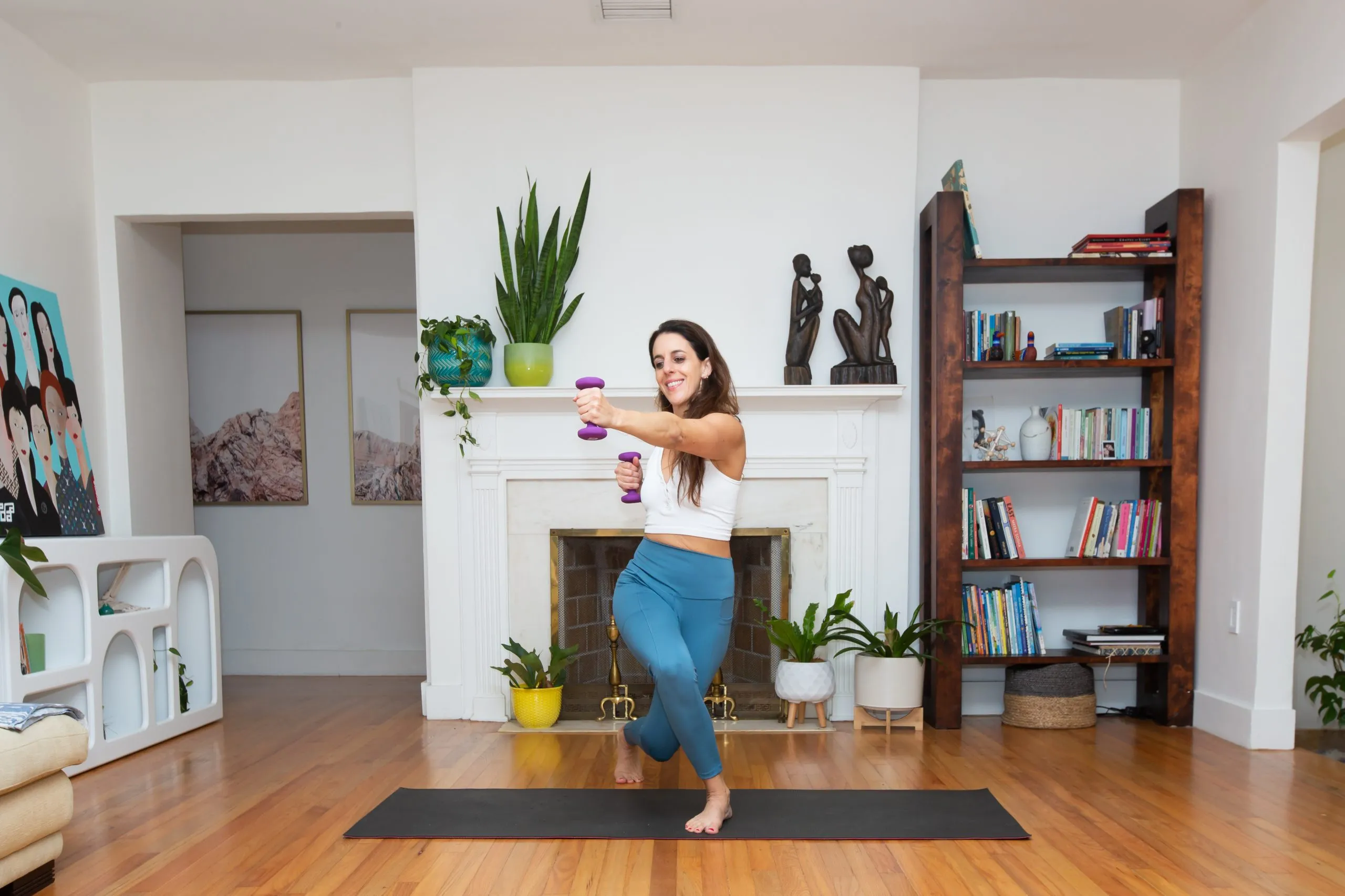
Lauren Ohayon is the creator of Restore Your Core® (RYC®), a comprehensive and sustainable whole-body fitness program that empowers women to achieve ideal pelvic floor / core function and be strong, long, mobile and functional.
Hi! I'm Lauren.
Nice to meet you
Top articles

How Can I Heal My Pelvic Floor After Childbirth? A Guide to Recovery
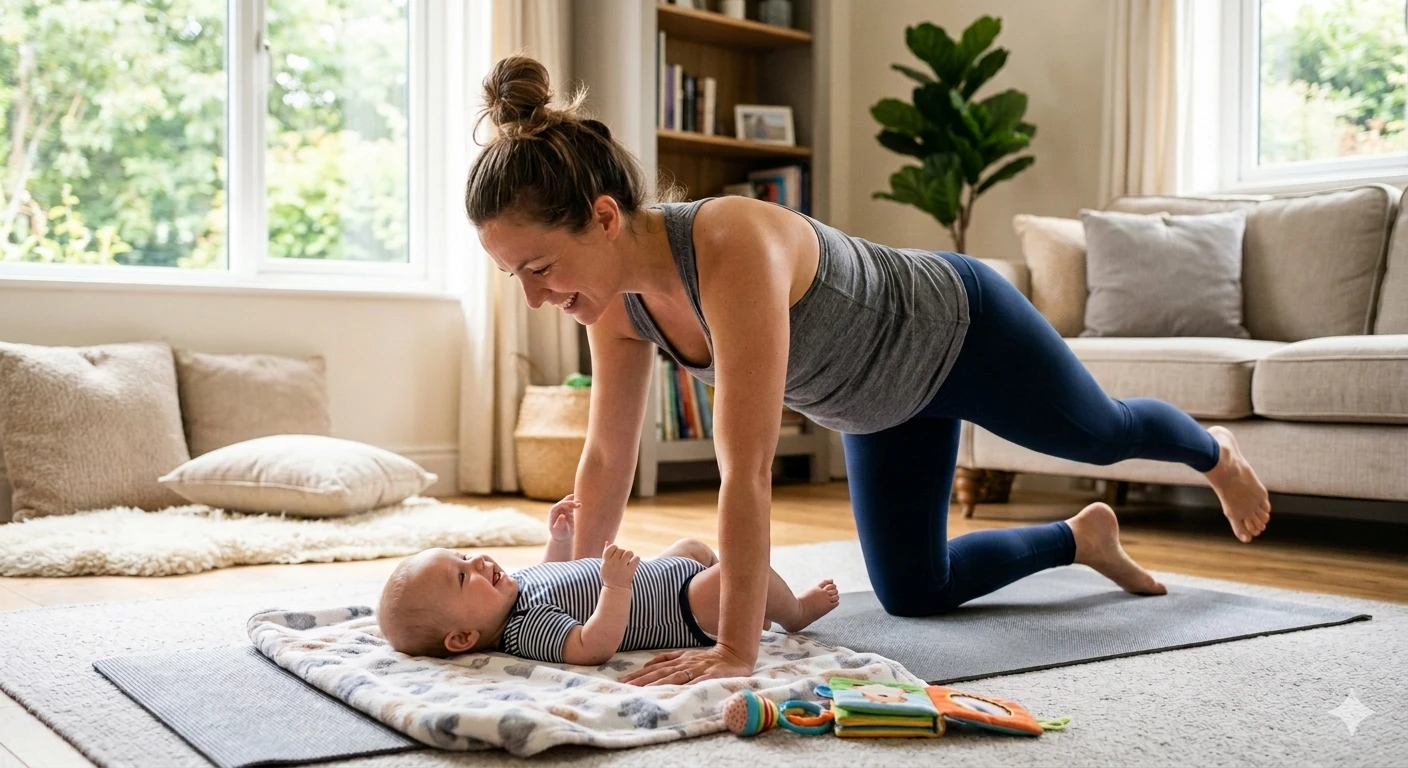
If you’ve given birth you may have noticed some changes in how your body works since that truly epic event. You might be leaking when you cough or sneeze, or feel a heaviness in your pelvis that wasn’t there before. Some women just feel disconnected from their core in a way that’s hard to describe – like something that used to be automatic just isn’t anymore.
There’s a lot of advice out there – most of it landing in your inbox or on your phone as a list of five exercises someone insists will fix everything. Some of those exercises are genuinely useful. The problem is usually the framing: that if you just do the right movements enough times, the symptoms will go away. For a lot of women, that’s not how it works, and when it doesn’t work they assume something is wrong with them rather than with the advice.
This is a guide to what recovery actually involves – the physical mechanics, the daily habits, and where most approaches go wrong.
Start your healing today with this free workout
Table of Contents
What You’re Actually Healing
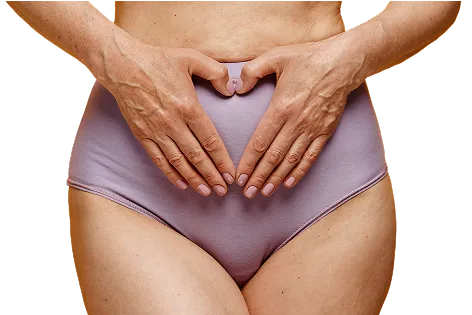
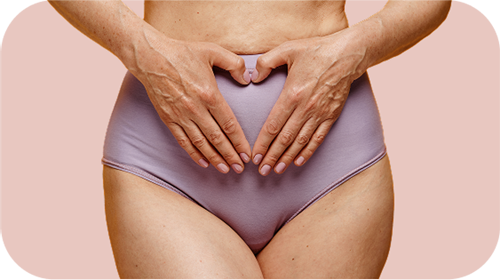
Many women come to this work believing their pelvic floor is simply weak, and that the “fix” is to strengthen it. What pregnancy and birth more commonly disrupt is coordination: the way your breath, your diaphragm, your deep abdominals and your pelvic floor work together as one automatic system, running in the background without you thinking about it.
The pelvic floor is a group of muscles and connective tissue spanning the base of your pelvis. During pregnancy it carries the weight of a growing baby for months. During a vaginal birth it stretches to a degree that would be remarkable in any other context. During a c-section it’s the abdominal wall that takes the direct trauma – but that still changes how pressure moves through the whole core system, which affects the pelvic floor indirectly.
Kegels became the default recommendation because they’re simple to communicate. They address one muscle in a system that deserves a much broader look. For some women they help, and for others, particularly those whose pelvic floor is already overactive or tight, doing more Kegels can actually make symptoms worse.
Reconnecting With Your Pelvic Floor
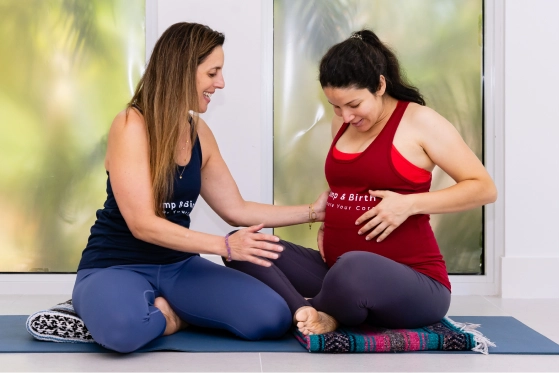
Before any strengthening makes sense, you need to be able to feel what you’re working with. Many women I work with describe feeling completely disconnected from their pelvic floor after birth. And that sense of connection is really where the work begins.
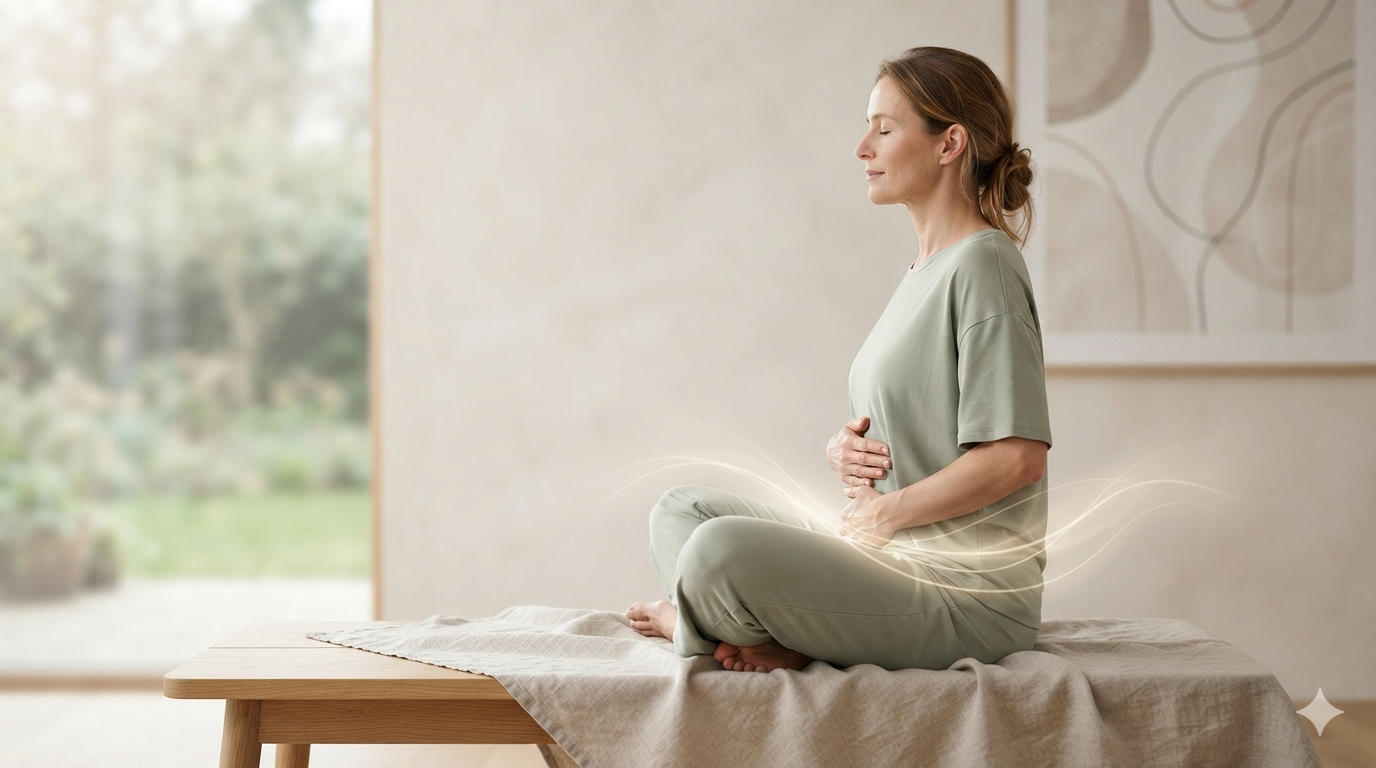
Breath is the most direct way back in. When you inhale, your diaphragm drops and your pelvic floor naturally softens and descends. When you exhale, both return upward. This is an automatic relationship that gets disrupted after childbirth, and consciously retraining it – slowly, without forcing anything – is foundational.
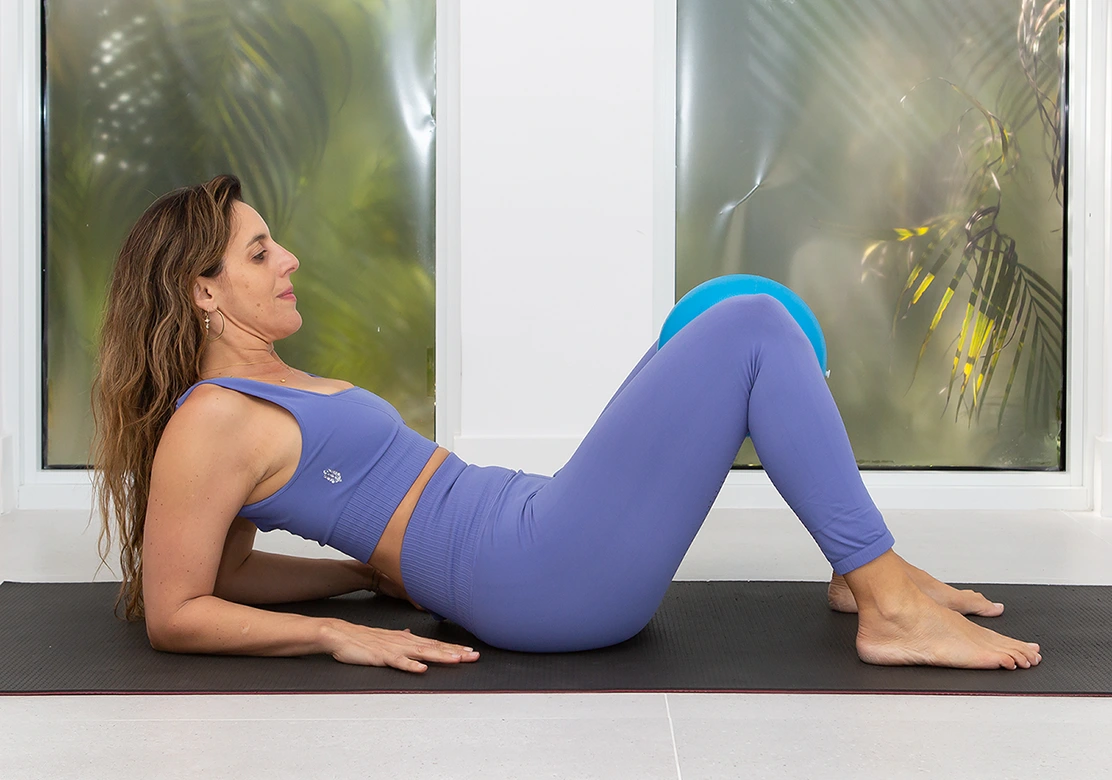
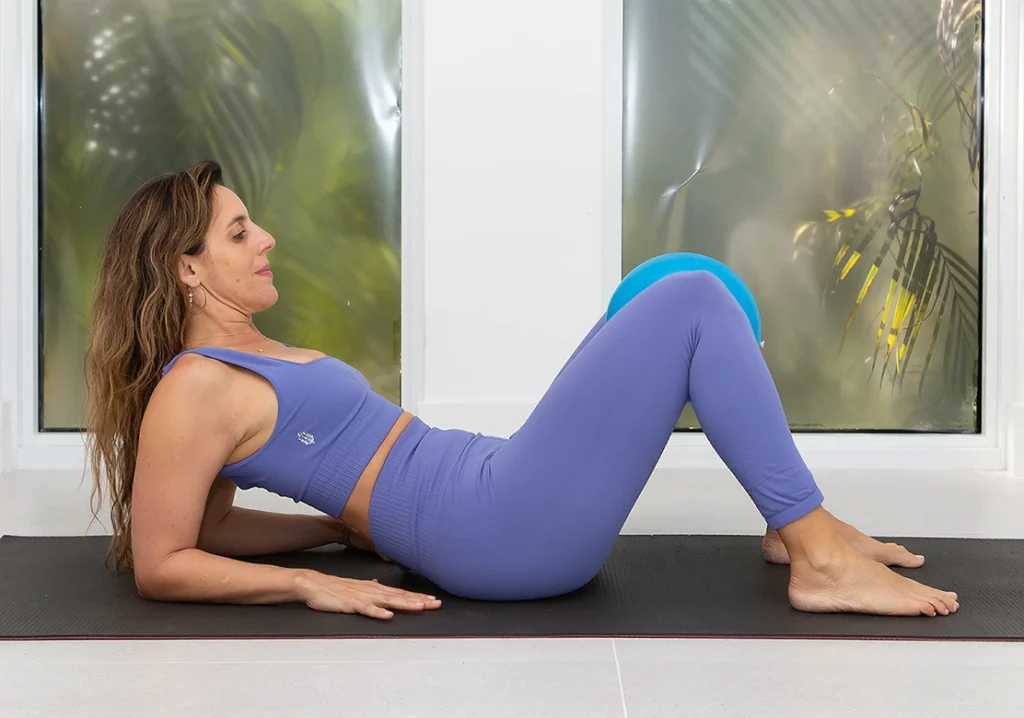
A useful starting practice: lie on your back with knees bent. Inhale through your nose and let your belly and pelvic floor release and expand. Exhale slowly through your mouth and notice the pelvic floor gently rising. Not a squeeze – a lift. Do this for a few minutes. It probably won’t feel like much at first, and that’s okay. The feeling comes with repetition.
One thing that doesn’t get said enough: a pelvic floor that can’t release is just as much a problem as one that’s weak. If you carry chronic tension in your core, hold your breath during effort, or find it difficult to fully let go – the relaxation piece of this practice is where to put your attention, at least initially.
The Pressure System
The pelvic floor doesn’t function independently. In fact, it’s the base of a pressure system that includes the diaphragm at the top, the deep abdominals at the front, and the spinal muscles at the back. When any part of this system isn’t working well, the rest compensates. This is why symptoms persist in women who are faithfully doing all the recommended exercises – the exercises aren’t addressing the underlying pattern.
These are some of the patterns that most commonly interfere with healing:
- Breath-holding during effort: Picking up the baby, getting up off the floor, or lifting anything.Each time this happens, pressure surges downward through the pelvic floor. This happens dozens of times every hour.
- Rib flaring and posterior pelvic tilt: These are both very common postpartum posture adaptations that change the geometry of the whole system and make it harder for the diaphragm and pelvic floor to coordinate.
- Chronic abdominal bracing: A lot of women who were active before pregnancy hold their abs in as a habit, often without realising it. This interferes with the pelvic floor’s ability to respond dynamically.
One of the biggest misconceptions is that simply exercising will resolve symptoms – when in fact, attention during ordinary life is where a lot of the real change happens. Every time you move, lift, or even just stand up, pressure moves through your core system, and small habits shape that far more than most people realise. Exhaling as you stand up, exhaling as you lift your baby, letting your belly be genuinely soft when you’re sitting still. These moments repeat hundreds of times a day, and over time that adds up to something real.
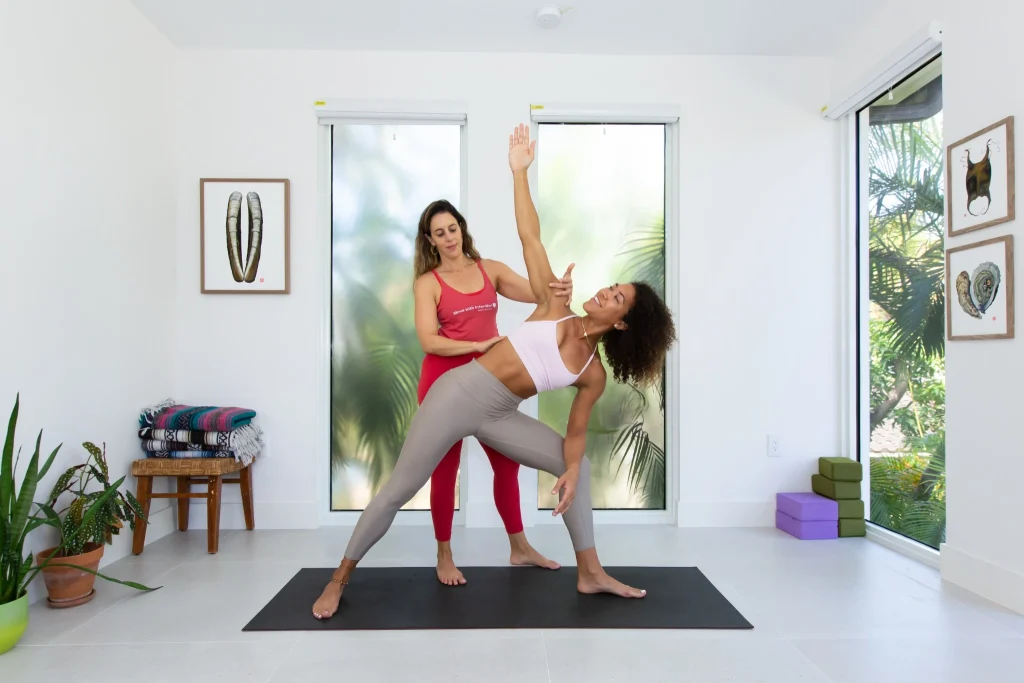
Following a Structured Program
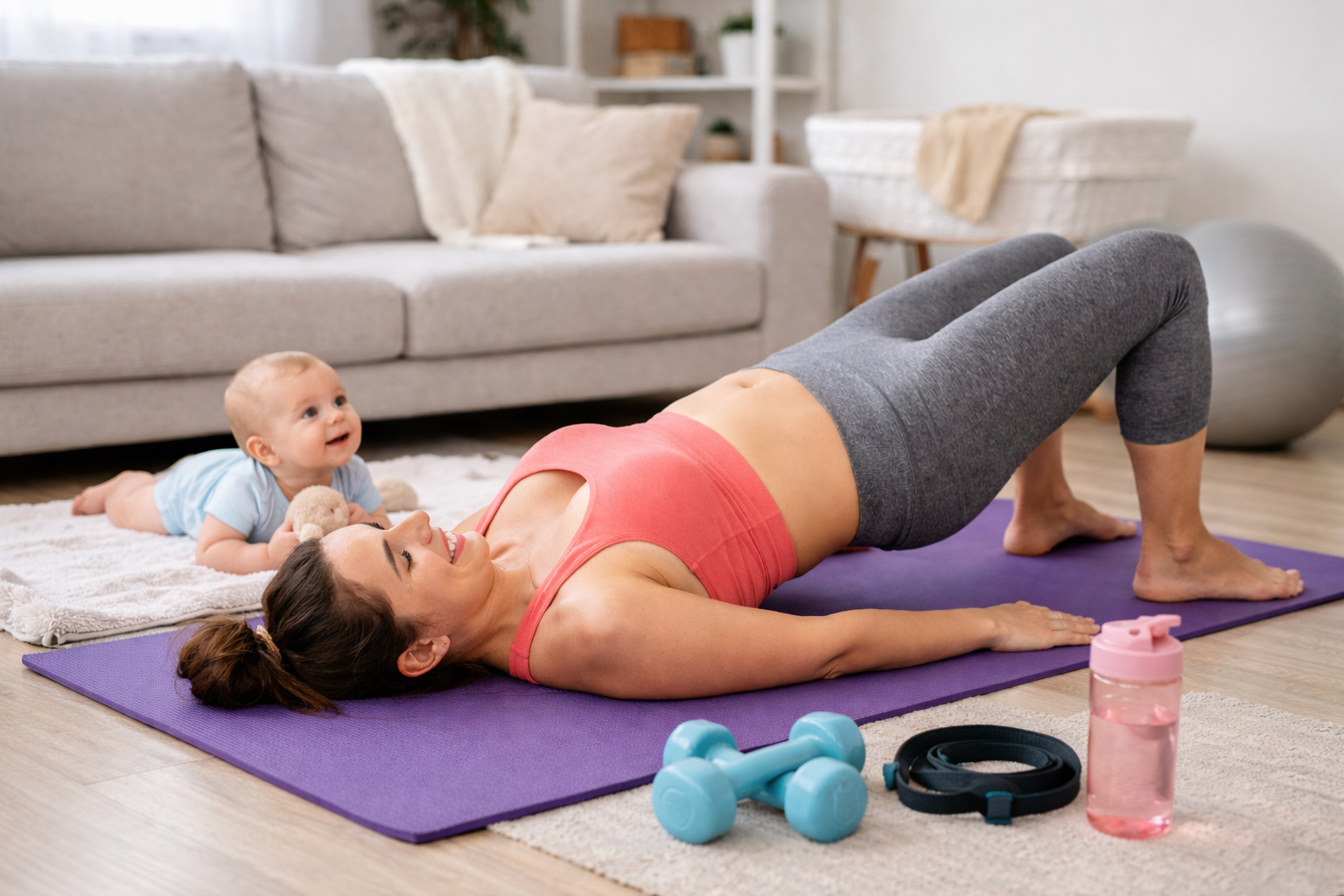
Here’s where a lot of women get stuck. They’ve found a list of exercises, heel slides, glute bridges, bird dogs, pelvic tilts, and they’ve been doing them for months without anything changing. The exercises themselves are usually fine. What is often missing is a sense of why: why these movements, in what order, how to know if they’re working, and where to go when they don’t.
Programs like Restore Your Core® (RYC®) address intra-abdominal pressure directly – the pressure that builds inside the abdominal canister every time you move, lift, cough, or exercise. Unmanaged, that pressure pushes outward and downward, which is the mechanism behind leaking, prolapse symptoms, and abdominal doming. Most exercise lists ignore this entirely because it’s harder to explain than “do ten glute bridges.”
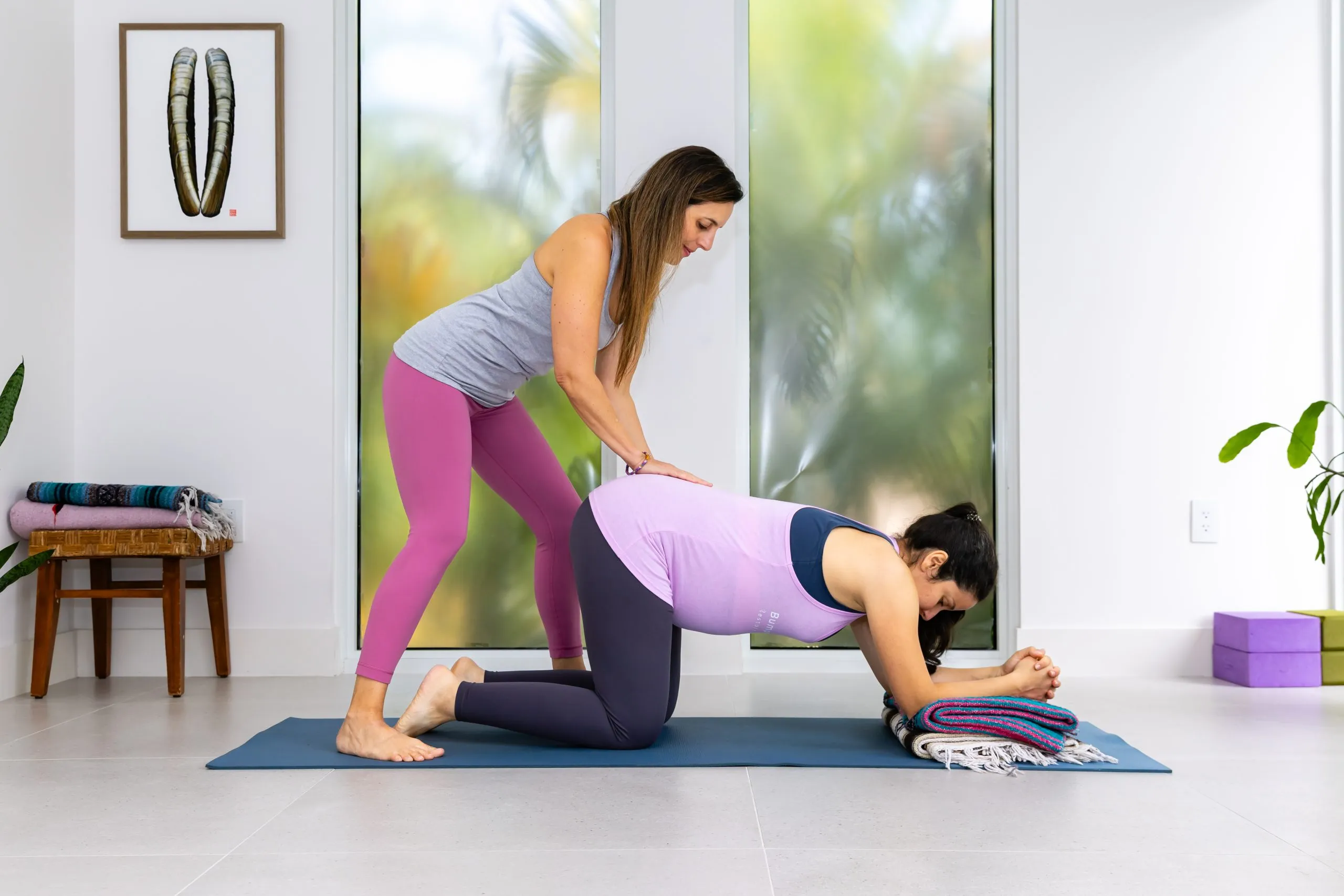
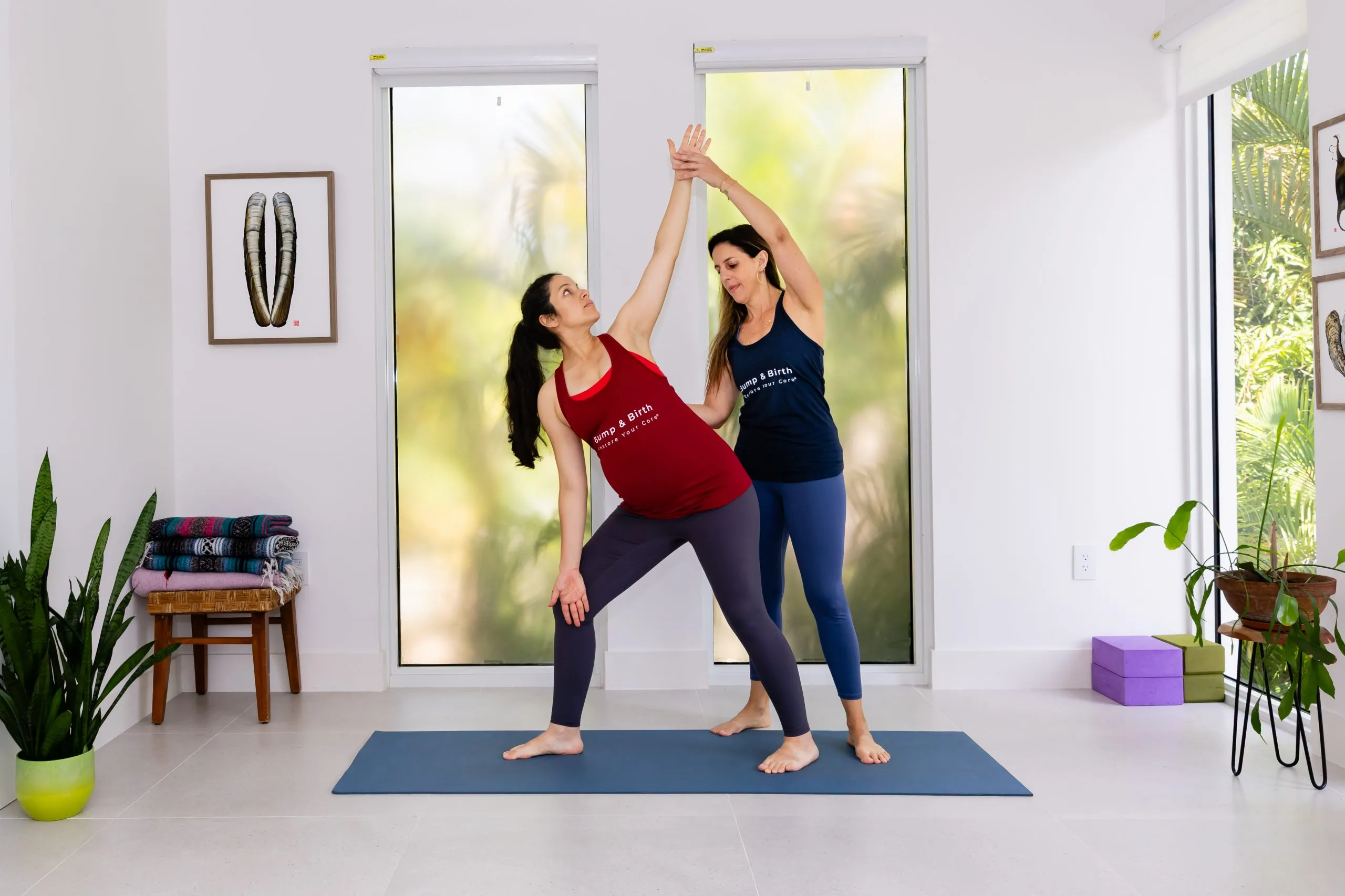
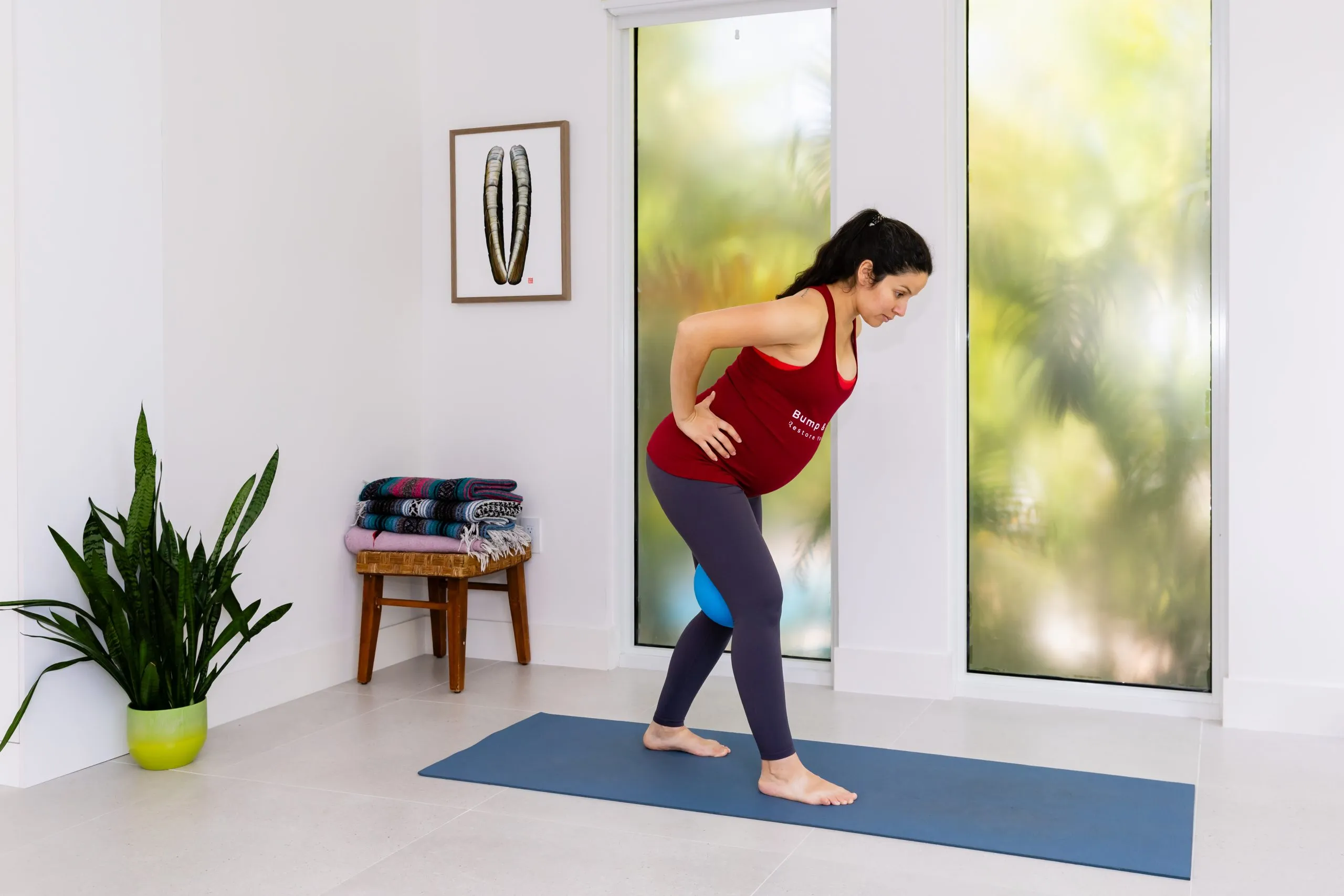
What working with this actually looks like: learning to exhale on exertion so pressure moves up rather than down; starting with foundational movements like core compressions that rebuild coordination between the deep abdominals and pelvic floor; and progressing load gradually enough that the system can adapt. The same movement – a squat, a deadlift, even a walk – can be fine for one woman and counterproductive for another right now, depending on where her system is.
Restore Your Core® (RYC®) is one of the most widely recommended programs by pelvic floor physiotherapists for exactly this kind of work. Developed by movement specialist Lauren Ohayon and used by women across 80+ countries, it’s built around pressure management and whole-body coordination rather than symptom-specific exercise lists. PTs recommend it because it covers the education and progression that appointments alone rarely have time for.
More on what’s included: RYC® 12-Week Program.

Try 18 minutes of healing, nourishing movement – the RYC® way
What You Do Between Workouts
How you move through an ordinary day between workouts has a real cumulative effect, and it shows up in some specific places.Here are some examples of what that can look like in practice:
Getting out of bed
Roll to your side and press up with your arm. The jackknife-straight-up version loads the linea alba and drives pressure through the pelvic floor before you’ve even had coffee. It takes two extra seconds to do it differently, and done every day for months it adds up.
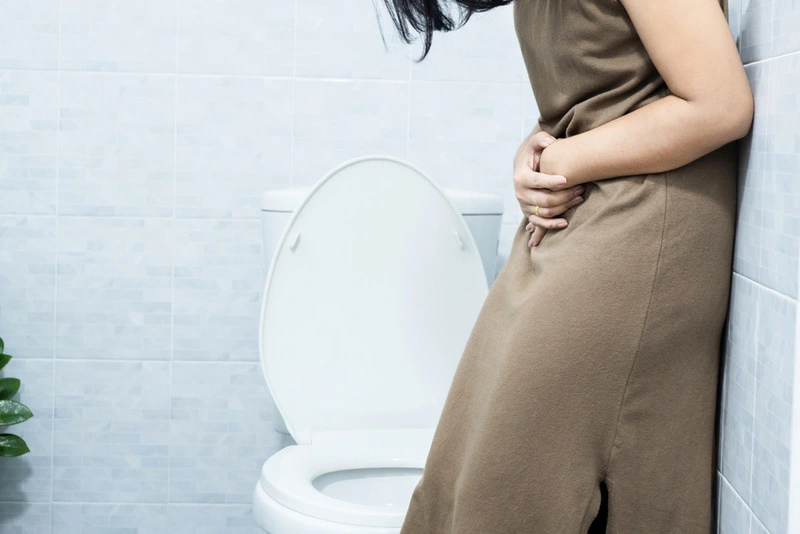
On the toilet
Straining creates significant downward pressure. A small footstool that brings your knees above your hips changes the geometry enough to make elimination much easier without bearing down. This is a genuinely underrated part of pelvic floor recovery that barely anyone talks about.
Picking up your baby
You’ll do this dozens of times a day, and each time is an opportunity. Exhaling during the lift allows the pressure system to work with you rather than against you, and that small habit, repeated over months, can make a difference.”
How much time you’re upright
Extended standing loads the pelvic floor continuously, especially in the early weeks. Gentle walking is good. But if you notice symptoms worsening after long periods on your feet, that’s your body telling you something worth listening to – build in more horizontal rest, even if it feels counterintuitive when you’re trying to be active.

Enjoy a free, pelvic-floor & core healing whole-body workout today
Getting a Proper Assessment
A pelvic floor physiotherapist can assess things no exercise program can: whether your muscles are overactive or underactive, whether there’s prolapse present and what grade, how your coordination actually looks from the inside. That’s genuinely different information from what you can figure out on your own, and it changes what you should be doing.
If you have access to one, an early postpartum assessment is worth doing.
Significant pelvic heaviness, pain during sex that’s not shifting, persistent leaking several months postpartum, or any sensation of something descending internally – these warrant assessment sooner rather than later. They’re common and they’re treatable, and waiting doesn’t tend to make them easier to address.
On the Timeline
Recovery takes longer than most people are told. The 6-week check gives a lot of women the impression that they should be “back to normal” by now, and when they’re not, they assume they’re failing at something. The pelvic floor and surrounding structures are still healing and adapting well beyond six weeks – often for the better part of a year, sometimes longer.
Progress is also not linear. Symptoms can flare up when you’re sleep-deprived, when you’ve had a harder week physically, or when your period returns. That doesn’t mean you’ve gone backwards – it usually means your system is still adapting and needs a bit more capacity before it handles everything consistently.
What tends to make the difference long-term is whether someone understands what’s happening in their body well enough to keep adjusting as things change. The breath work and the daily habits and the progressive loading all matter – but so does knowing why, so that when something isn’t working you can figure out what to change.
Access your free workout and start healing your core and pelvic floor today
FAQ
When can I start working on my pelvic floor after giving birth?
The breath-based reconnection described above is gentle enough to begin within the first few days for most women. More structured exercise is generally appropriate from around 6–8 weeks once you have medical clearance – though it’s worth knowing that the 6-week check is a general health appointment, not a pelvic floor assessment. It’s a starting point, not a green light for returning to everything at once.
Does it matter whether I had a vaginal birth or a c-section?
Yes, but maybe not in the way you’d expect. Vaginal birth places more direct stress on the pelvic floor muscles themselves. C-section involves surgical trauma to the abdominal wall, scar tissue formation, and a longer timeline before loading the abs. Both disrupt the core pressure system – just through different mechanisms. The foundational work looks largely the same either way; the starting point and pacing differ.
I’m still leaking several months postpartum. Is that normal?
It’s common – but common isn’t the same as inevitable or permanent. Persistent leaking after the early weeks is worth taking seriously. If you’ve been doing pelvic floor exercises consistently and nothing has shifted, it’s a sign that what you’re doing isn’t quite addressing the right thing – which usually means the breath and pressure mechanics haven’t been sorted yet. A pelvic floor physio can assess exactly what’s happening.
My doctor cleared me at 6 weeks but something still feels off.
Trust that feeling. The 6-week check isn’t designed to catch pelvic floor dysfunction – it’s a general postnatal appointment. If you feel like something isn’t right, pursue it. Ask for a referral to a pelvic floor physiotherapist. You’re not being overly cautious.
How long does recovery actually take?
Longer than you’ve probably been told. Breath and daily habit changes can produce noticeable shifts within a few weeks. Structural recovery – diastasis recti, prolapse, significant incontinence – typically takes months of consistent work, and the timeline varies enormously depending on severity, sleep, stress, and how much capacity you actually have to do the work with a newborn. There’s no useful average. The more honest answer is: probably longer than you want, but also probably more possible than you currently believe.
Do I need to see a physio in person, or can I manage with a home program?
In-person assessment gives you specific information about your body that no program can provide – whether your muscles are overactive, whether there’s prolapse, how your coordination actually looks. A structured home program gives you daily practice and education that appointments alone can’t deliver. Many women use both. If you can only do one and your symptoms are significant, prioritise the assessment.
It’s been years since I gave birth. Is it too late?
No. The connective tissue and coordination patterns that support the pelvic floor remain adaptable for a long time. Women address symptoms successfully years and even decades after their last pregnancy. The work is the same – you just start from where you currently are.
What movements should I avoid early on?
Watch for your belly doming or coning during exercise – that’s a visible sign that intra-abdominal pressure is exceeding what your system can currently manage. Sit-ups, crunches, heavy lifting, and high-impact activity like running or jumping are the usual culprits in the early weeks. The goal isn’t permanent avoidance – it’s building the foundation so those things become possible again without symptoms.
Top articles

“There is no thank you big enough for Lauren Ohayon existing and thinking and helping so many of us. Every time I do something I never thought I’d do again she is part of the reason why.”
Laura Gregg
Strengthen, heal & nourish your pelvic floor & core
Try a FREE workout
with Lauren
*10K+ women healed and healing
Thank you!
Your FREE video is on the way
Please check your email inbox in a few minutes.
Related articles

Enjoy a free, pelvic-floor & core healing whole-body workout today
Get more actionable info, inspiration and exclusive offers delivered to your inbox.
*No spam, just quality content and support
Thanks for subscribing!

inbox soon.
Thanks for subscribing!
Please check your inbox soon.