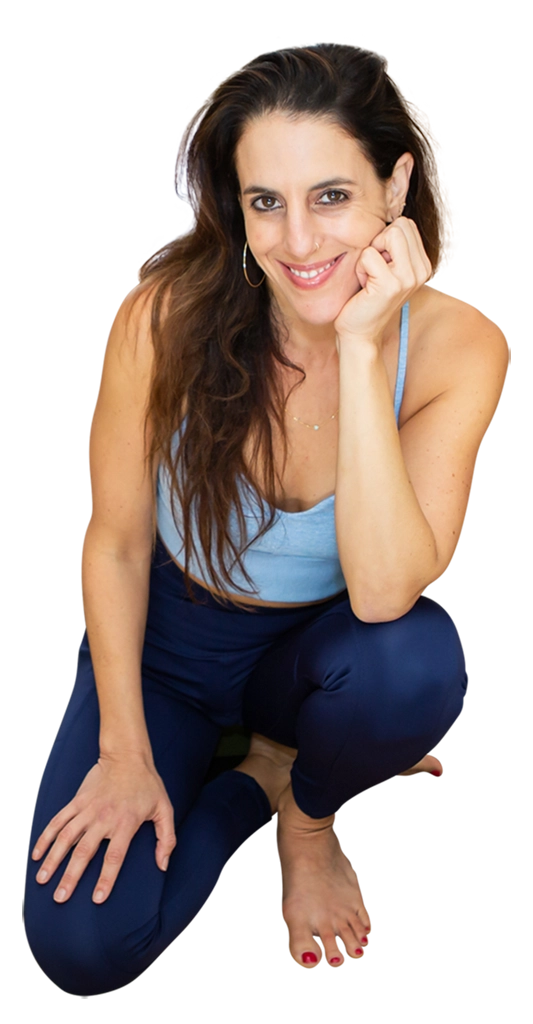
Learn
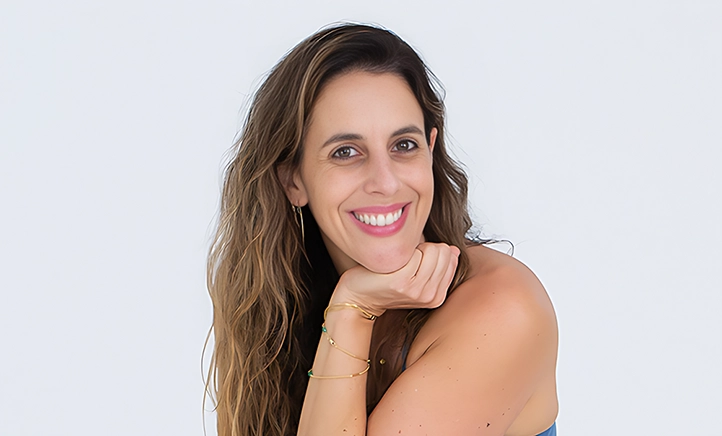
Hi! I'm Lauren.
Nice to meet you
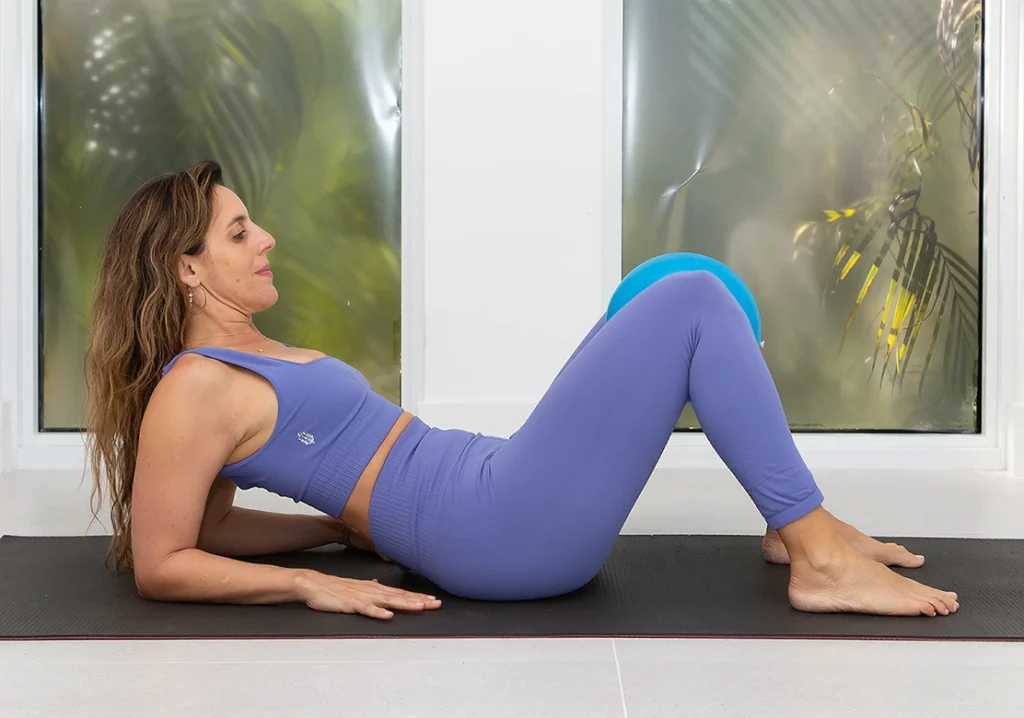
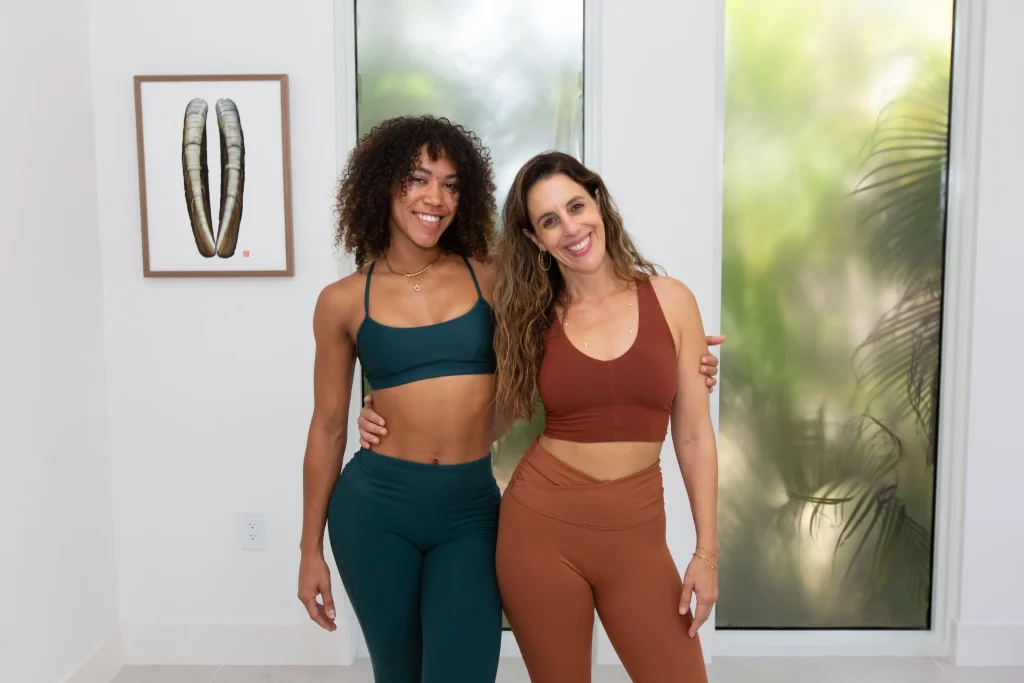
Lauren Ohayon is the creator of Restore Your Core® (RYC®), a comprehensive and sustainable whole-body fitness program that empowers women to achieve ideal pelvic floor / core function and be strong, long, mobile and functional.
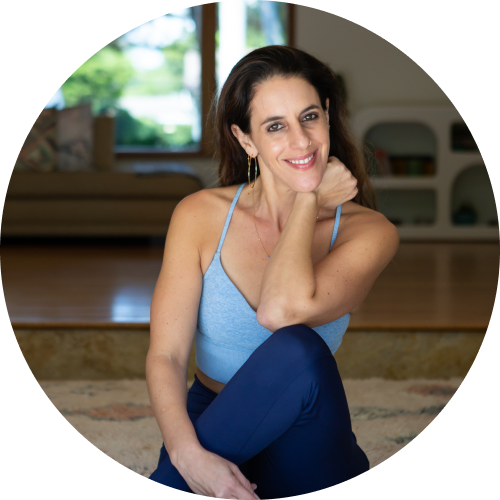
Hi! I'm Lauren.
Nice to meet you
Top articles

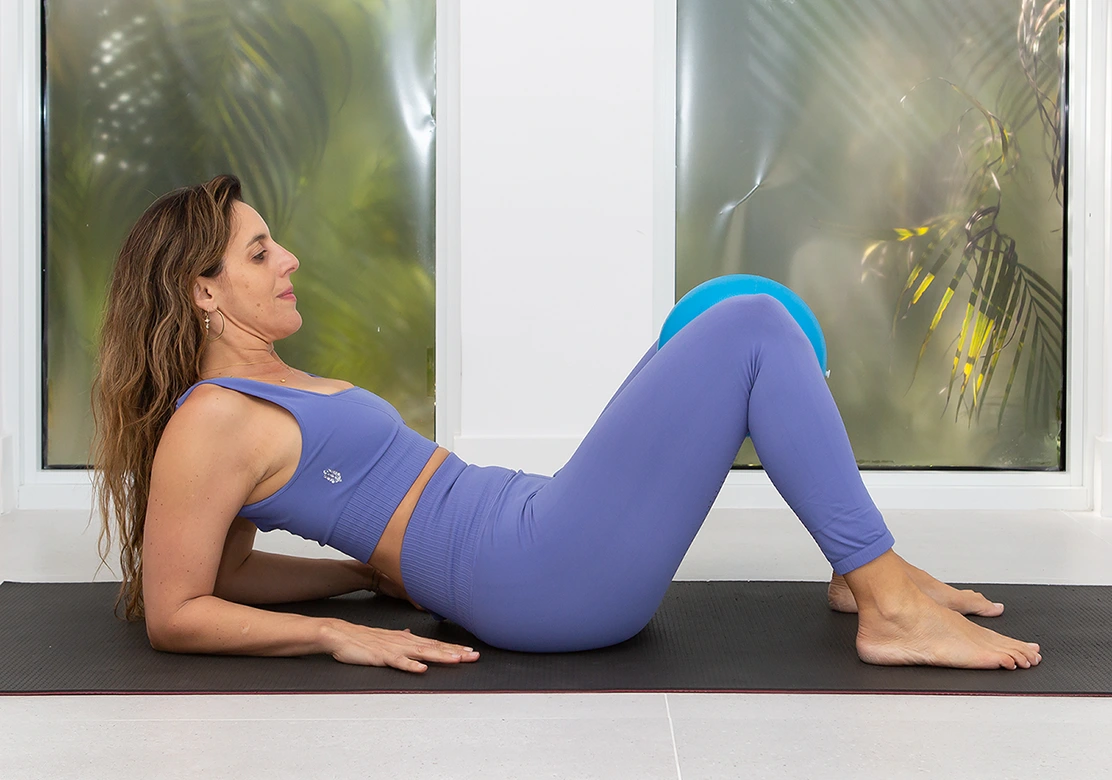
RYC® Professional Training vs Core Exercise Solutions (PCES)
Which Professional Training Will Actually Change How You Work With Bodies?
If you’re a movement professional, physical therapist, occupational therapist, personal trainer, doula or yoga or Pilates teacher looking to deepen your work with pelvic floor and core health, you’ve likely come across two names in your research: the RYC® Professional Training from Restore Your Core® and the Pregnancy and Postpartum Corrective Exercise Specialist (PCES) certification from Core Exercise Solutions.
Both are well-regarded in the women’s health and fitness space, and both take a more thorough approach than generic pelvic floor content. Both are aimed at professionals who want to do better work with their clients.
So how are they actually different – and which one belongs in your professional toolkit? That depends on what you’re looking for. This comparison walks through the structure, philosophy, format, and value of each program so you can make a clear, informed decision about where to invest your time and professional development budget.
Start your healing today with this free workout
Table of Contents
At a Glance: Side-by-Side Comparison
| Feature | RYC® Professional Training | Core Exercise Solutions (PCES) |
|---|---|---|
| Format | Live cohort – 14 Zoom calls + recorded replays | Self-paced online video; no live component |
| Duration | October 2026 – February 2027 (approx. 4 months) | Self-paced; complete within 1 year for CEU credit |
| Lead Instructor | Lauren Ohayon – pelvic floor specialist, 25+ yrs experience | Dr. Sarah Duvall PT, DPT – 20+ yrs experience |
| Methodology Focus | Whole-body somatic + nervous system + functional movement integration + pregnant / postpartum body considerations throughout | Corrective exercise, pregnancy/postpartum progression |
| Target Audience | Movement pros, PTs, OTs, yoga/Pilates, bodyworkers, midwives, and more | Fitness trainers, PTs, OTs, yoga/Pilates, wellness pros |
| CEU / Accreditation | RYC® Professional Certificate ( CEU application package provided) | 35+ CEU hours – accredited by a range of certifying bodies |
| Live Access | Yes – 14 live Zoom calls + hands-on practice sessions with feedback | No – fully pre-recorded and self-paced |
| Modules | 6 modules covering foundations, breathing, core, spine, pelvic floor, and real-world application, each containing application to the pregnant and postpartum body and specific conditions | 8 curriculum sections across anatomy, breathing, posture, pelvic floor, diastasis, pregnancy & postpartum |
| Assessment Tools | 30+ whole-body assessments – pelvic floor, core, alignment, nervous system | Step-by-step testing protocols across curriculum sections |
| Nervous System Training | Dedicated – woven throughout every module and assessment | Referenced within postpartum and anatomy sections |
| Somatic / Embodied Work | Core pillar – Somatic Mapping Techniques + ICCP protocol | Not a primary focus; exercise-focused delivery |
| Prenatal Coverage | Yes – prenatal considerations woven through core modules | Yes – dedicated pregnancy section and trimester modifications |
| Practice Sessions | Yes – hands-on practice with personalised feedback each module | No – self-study only |
| Post-Training Community | RYC® Pro Collective – ongoing peer connection, learning, and access to Lauren | Graduate directory listing, no community |
| Physical Materials | Workbook chapters included in training portal | printed workbook (free worldwide shipping) |
| Pricing | $1,899 USD (introductory – payment plans available) | $1,050 one-time (payment plans available) |
| Post-Training Pathway | RYC® Advanced Movement Trainings planned for 2027 (for those who complete Pro Training) | PCES certification only |
| Certification | RYC® Professional Certificate + eligibility for RYC® Pro Collective | PCES Certification |
Who Each Training Is Designed For
RYC® Professional Training
The RYC® Professional Training was developed by Lauren Ohayon, a pelvic floor movement specialist with 25+ years of experience working with bodies, to address a gap she identified repeatedly in her own practice: mainstream professional training wasn’t giving practitioners the tools to work with complexity. Clients weren’t textbook cases. Their symptoms were shaped by their nervous systems, their histories, their movement patterns, and their whole body.
What Lauren built was the system she knew she needed herself: a way of meeting people where they were, drawing from multiple disciplines while conforming to none of them. That approach became the RYC® Method, and the professional training transmits it in full – the philosophy, the assessments, the somatic tools, and the clinical frameworks that let practitioners see the whole person, not just the presenting symptom.
For 2026, the training has been consolidated into a single cohort running October 2026 through February 2027 – one pathway that covers the complete RYC® Method. The training is well-suited for people who:
- Work with clients experiencing diastasis recti, incontinence, prolapse, pelvic pain, back pain, painful intercourse, or complex and overlapping pelvic floor conditions
- Want a toolkit that includes somatic, nervous-system-aware, and functional whole-body movement approaches – not just corrective exercise progressions
- Are yoga teachers, Pilates instructors, movement coaches, bodyworkers, osteopaths, massage therapists, midwives, or fitness professionals seeking deep integration of pelvic floor knowledge
- Want live access to their trainer, hands-on practice with personalised feedback, and a professional cohort to learn alongside
- Are ready to work beyond protocols – building approaches that respond to the individual in front of them, regardless of how their body presents
- Are PTs or OTs who want a whole-body, somatic lens to complement their clinical training
- Are on their own healing journey and want to bring what they’ve experienced into professional practice
No prior teaching or movement background is required. The training is designed to meet professionals where they are.
Core Exercise Solutions – PCES
The PCES certification is built around a corrective exercise framework for pregnancy and postpartum clients, led by Dr. Sarah Duvall and Dr. Anna Hammond. It’s a self-paced online course that earns 35+ continuing education hours.
PCES tends to be a strong fit for professionals who:
- Primarily serve pregnant or postpartum clients and want structured progressions, clear timelines, and specific return-to-exercise protocols
- Need CEU-accredited training that counts toward their license renewal with fitness and therapy certifying bodies
- Prefer a self-paced format they can work through without a fixed schedule
- Want a corrective exercise library organised across anatomy, breathing, posture, pelvic floor, diastasis recti, pregnancy, and postpartum sections
- Are physical therapists or personal trainers who want a structured supplement to their existing credentials
How Each Training Approaches the Work
RYC® Professional Training: Systems, Soma, and the Whole Person
At the centre of the RYC® approach is a foundational understanding that the pelvic floor cannot be supported in isolation. Breath patterns, postural habits, nervous system tone, pressure dynamics, rib mobility, and full-body movement coordination all shape how symptoms appear – and how they shift. This is not a framework layered onto existing training. It’s a lens change.
RYC®’s mission – to replace hopelessness with body literacy and agency – runs through every component of the professional training. Practitioners learn not just what to do with a client, but how to help that client become an active, present participant in their own process. That distinction is what separates clinical instruction from genuine transformation.
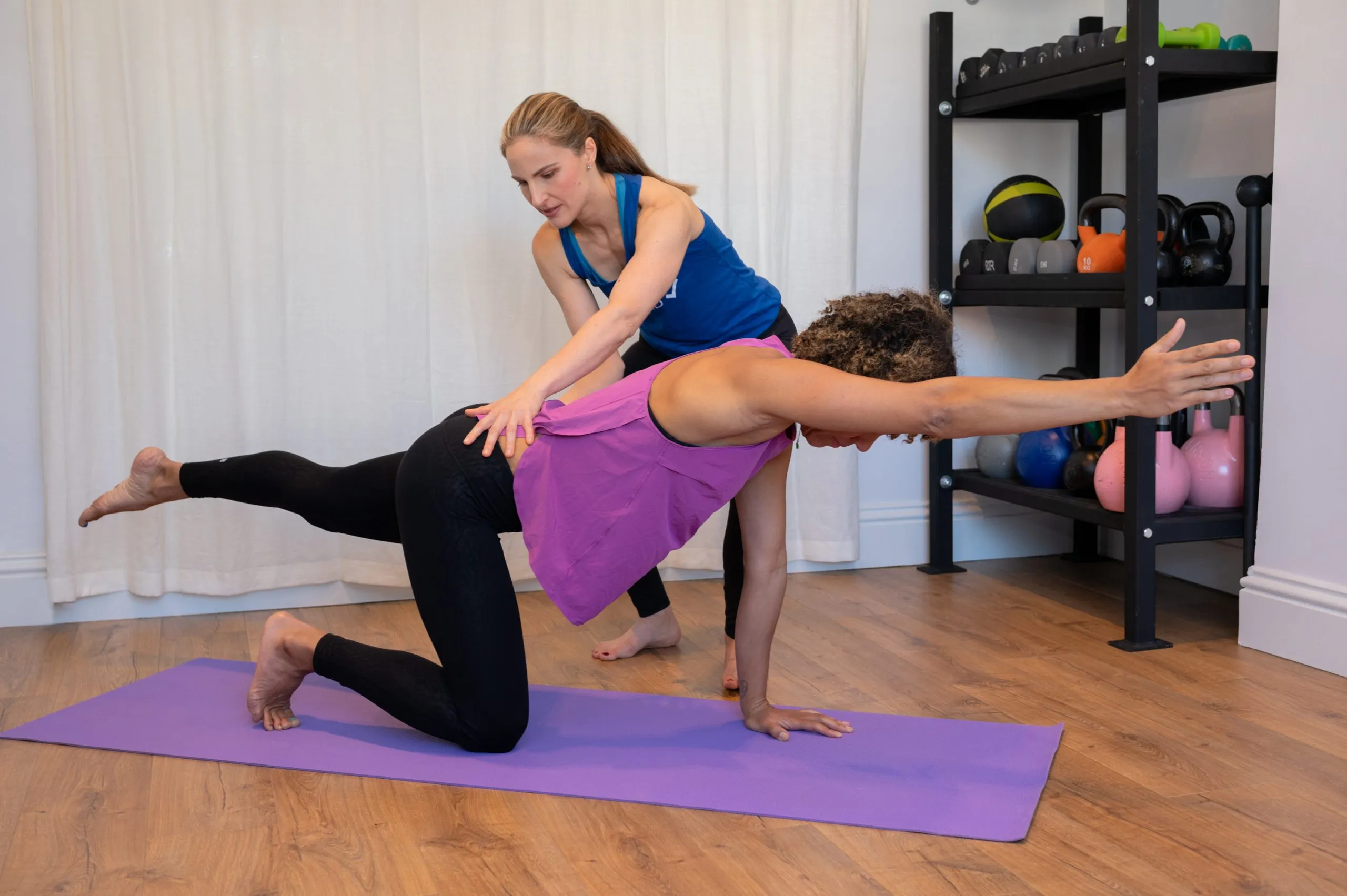
Across six modules covering foundations, breathing, core, spine, pelvic floor, and real-world client application, the training delivers:
- 30+ assessment tools spanning pelvic floor, core, alignment, and nervous system regulation – none requiring internal exams
- 70+ corrective exercises for improving function, mobility, and stability across the whole body, each with progressions and regressions built in
- Prenatal considerations woven throughout the core modules, covering how the RYC® concepts apply when working with the pregnant body
- RYC® Somatic Mapping Techniques – guiding clients to reconnect with their bodies and feel safe doing so, addressing the shame and disconnection most training programs skip entirely
- The RYC® ICCP (Interactive Client Centering Protocol) – a structured approach to making clients active co-creators in their healing, generating the ‘aha moments’ that produce lasting, self-sufficient change
- 14 live Zoom calls with Lauren and the teaching team – not just lecture content, but a shared learning space that builds over time
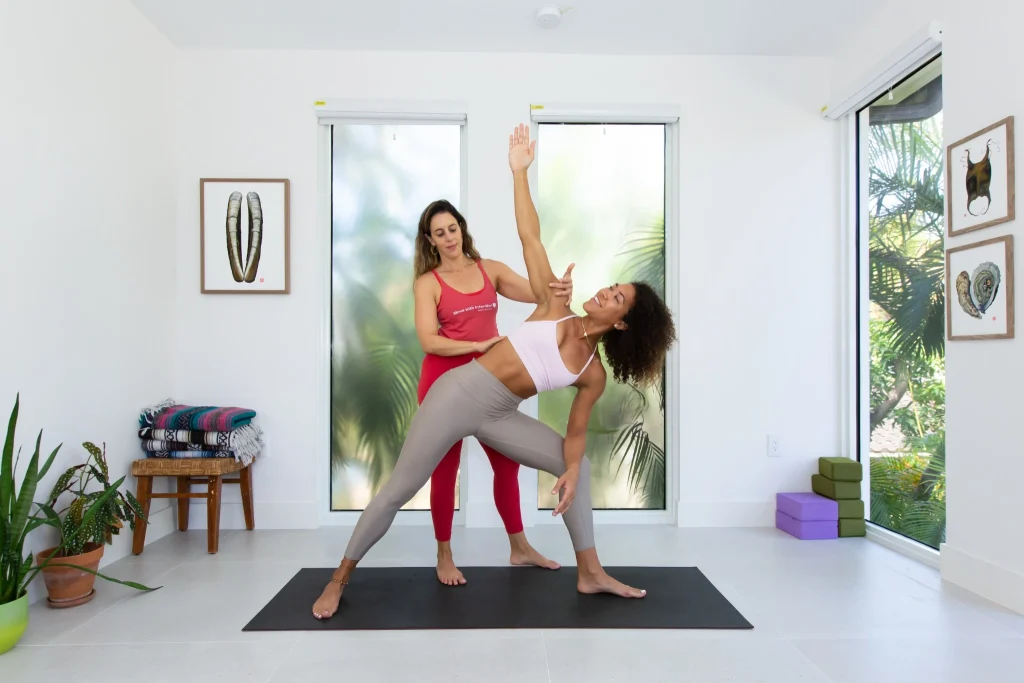
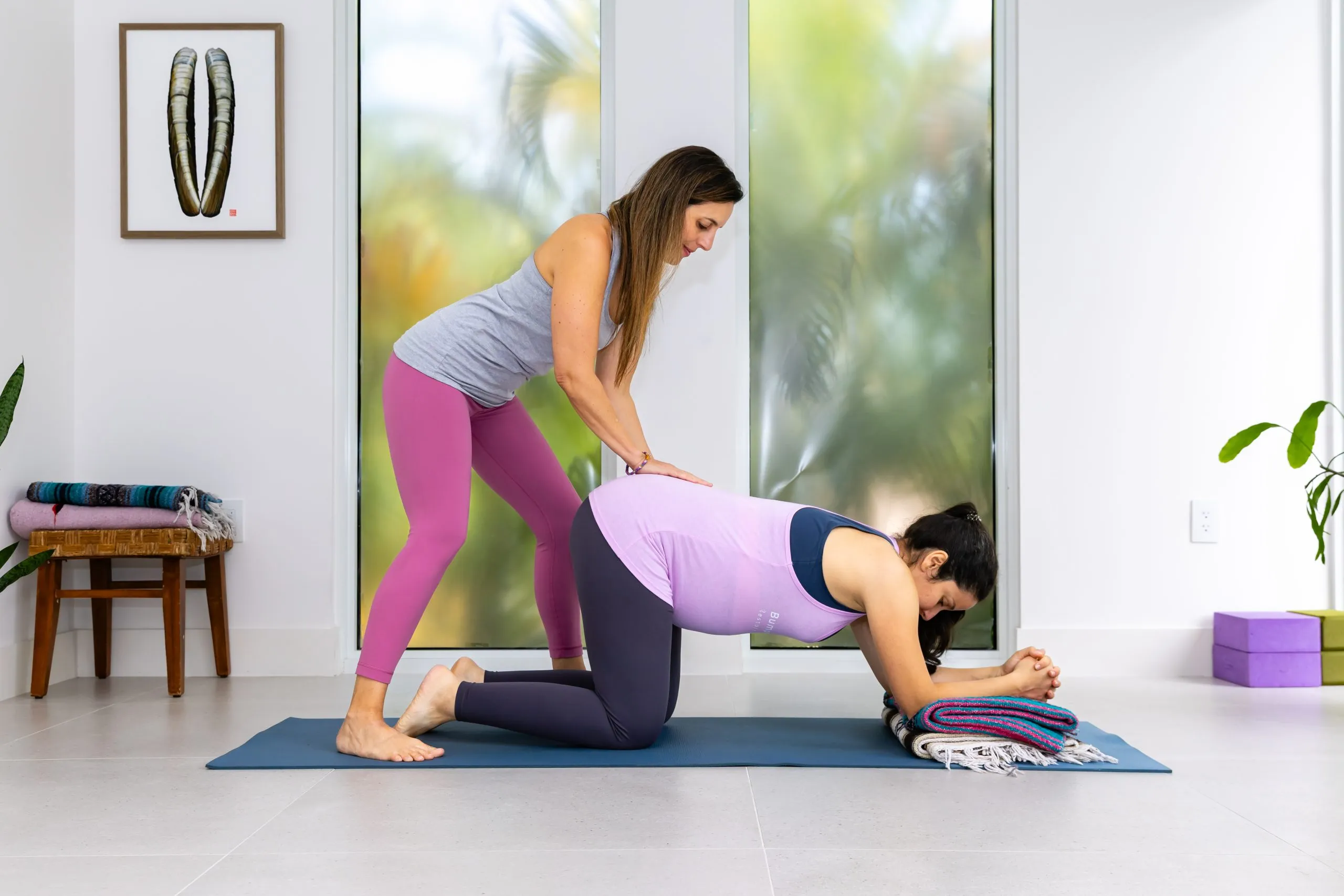
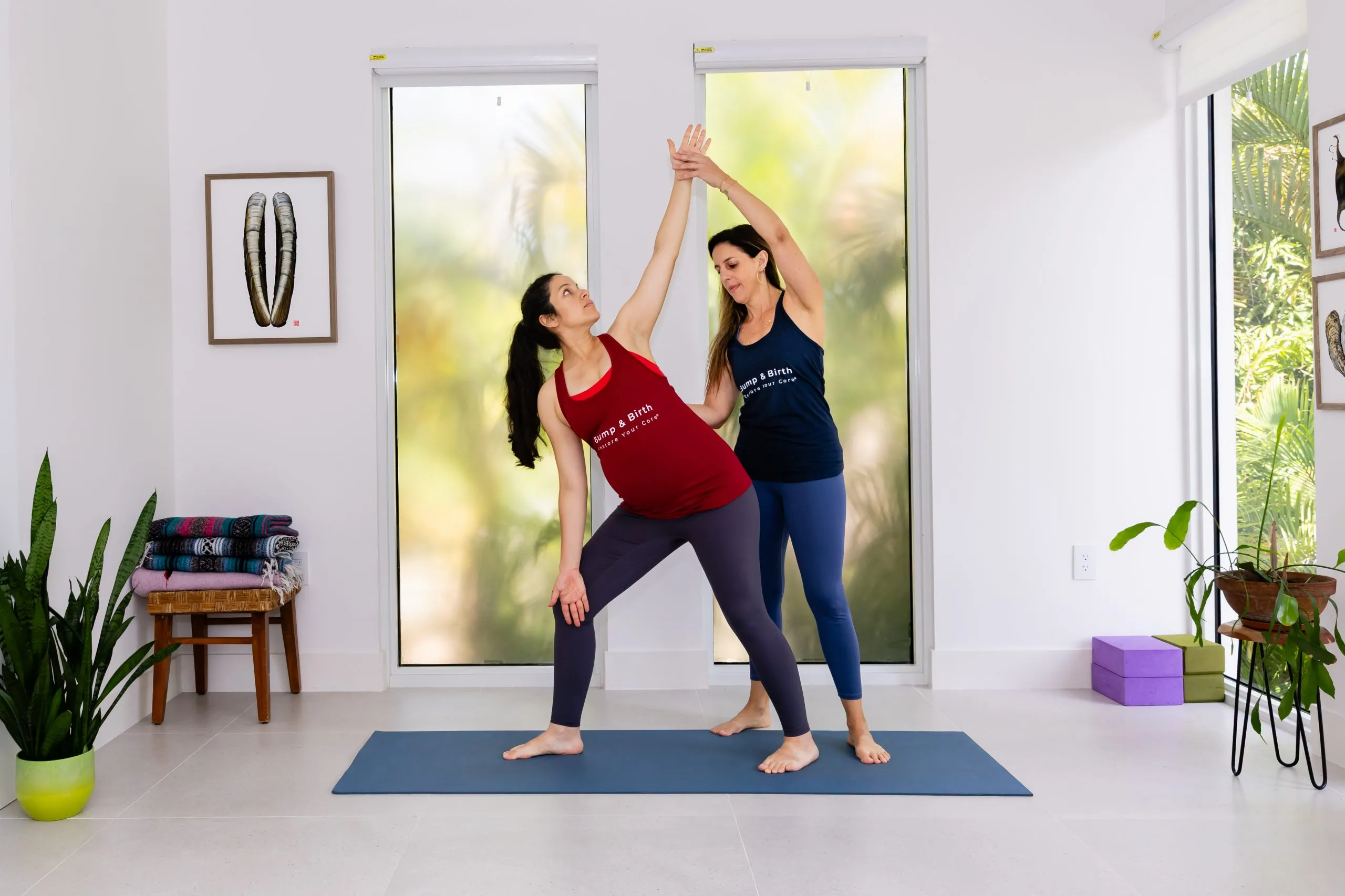
- Hands-on practice sessions with personalised feedback in every module – so the tools are tested and refined before you use them with clients
- Module 6 wrap calls (new in 2026): condition-specific deep dives, complex case studies, and a dedicated session on professional identity and how to articulate your work once you’ve completed the training
- Pain science and nervous system regulation woven through every module and every assessment
One of the training’s defining qualities is that practitioners work in their own bodies as they learn. That embodied dimension changes how they teach, because the patterns they discover in themselves give them a felt sense of what they’re then looking for in others. Many describe it as personally transformative alongside professionally significant.
On completing the training, participants receive a Certificate of Completion and become eligible to join the RYC® Pro Collective – a professional community where continued learning, peer connection, and access to Lauren and the team continue beyond the training itself. All RYC® Professionals are eligible to be listed on the RYC® website (free with Pro Collective membership, or as an annual listing for $50). Those who want to go further – including learning to teach group RYC® classes and use the RYC® name in their practice – will have access to the RYC® Advanced Movement Training planned for 2027.
Core Exercise Solutions – PCES: Research-Grounded Corrective Exercise
PCES teaches corrective exercise progressions through an eight-section curriculum. The training places significant emphasis on understanding the ‘why’ behind each exercise. Dr. Sarah Duvall is known for making complex biomechanics concepts accessible and applicable.
The curriculum covers anatomy, breathing, posture, pelvic floor dysfunction, diastasis recti, pregnancy modifications, postpartum return-to-exercise timelines, and an extensive bonus section with expert interviews and birth preparation content. The accompanying 400+ page printed workbook is a substantial reference resource.
PCES is self-paced and pre-recorded. There’s no live cohort, no live calls, and no practice session component. The training was built with a particular focus on pregnancy and postpartum presentations, and its strongest value is in that lane – giving professionals clear tools and timelines for working with clients in those specific life phases.

Try 18 minutes of healing, nourishing movement – the RYC® way
Depth of Training: What You Actually Walk Away With
Both programs aim to make you more confident with pelvic floor and core clients. But the kind of confidence they build differs.
PCES builds confidence through knowledge – you’ll understand the research, know the exercises, and have protocols to follow. For a professional who needs structured, accessible frameworks for pregnancy and postpartum work, that’s a useful foundation.
The RYC® Professional Training builds confidence through embodied understanding. You’ll learn the assessments not just as procedures to follow, but as a felt sense of what you’re observing in a moving body. You’ll experience the somatic mapping tools in your own body before learning to guide others through them. You’ll practice in live environments with personalised feedback until the material lives in your hands, not just your notes.
This distinction matters most when your clients are complex. Physiotherapist Alifya Cutlerywala described RYC® as ‘the missing link’ after eight years in clinical practice. OT Tamika Marshall-Bell said the training ‘went so far beyond’ what she’d encountered previously. Pilates teacher Jessica Gradhandt noted: ‘Even those with years of experience will gain loads of value in this training. I now have more referrals from both clients and colleagues.’ Yoga teacher Shona Bohmer described it as ‘the gold standard for pelvic health.’
PCES provides the corrective exercise frameworks that help you work safely and structurally with a specific population. RYC® provides something wider – the ability to work with any body, any presentation, and any complexity, by reading the whole system rather than following a protocol.
Live Cohort vs Self-Paced: What the Format Difference Means in Practice
This is one of the most practically significant differences between the two programs – and it shapes the learning experience in ways that go beyond scheduling.
PCES is fully self-paced, so if scheduling flexibility is your primary need, you can work through it on your own timeline.
The RYC® Professional Training runs as a live cohort, October 2026 through February 2027. Fourteen live Zoom calls are held across six modules, and while replays are always available, the live format creates something self-paced learning genuinely cannot replicate: a professional community growing and questioning alongside you, real-time access to Lauren during calls, and the kind of engagement that keeps you moving through the material with the group rather than on your own.
That community dimension is a meaningful part of what the RYC® training produces. Many professionals describe feeling philosophically isolated in their existing training spaces – drawn to a more systemic, whole-body approach, but without peers who see things similarly. The RYC® cohort and the Pro Collective that follows fill that gap directly. Over 500 trained professionals across 80+ countries now form that community, and it continues after the training ends.
Hands-on practice sessions with personalised feedback are built into every module. This isn’t passive content consumption – it’s an active learning environment where the tools are tested, corrected, and refined before you use them with clients.
If flexibility is the priority, PCES delivers it. If depth of learning, live practice, and professional community are what you’re after, the RYC® format offers something that solo study simply doesn’t replicate.
The Weight of Certification: What Your Credential Actually Signals
The RYC® Professional Training carries genuine professional standing. The RYC® Method has been recommended by medical doctors, adopted by physiotherapists, occupational therapists, pelvic floor specialists, and movement professionals across 80+ countries, and shaped by 10,000+ documented healing outcomes since 2015. When you earn your RYC® Professional Certificate, you’re carrying a credential backed by a method with a decade of real-world results and a professional network of 500+ trained practitioners actively working with clients.
The RYC® Pro Collective – which all graduates are eligible to join – keeps that professional relationship alive after the training ends. Continued learning, peer connection, and ongoing access to Lauren and the team are part of what the training investment includes, not something you age out of.
Doctor of Physical Therapy Donna Chirico began applying the RYC® tools daily with her pelvic floor clients immediately after completing the training. OT Hilary Valentine described shifts in how she observes, cues, and guides clients – changes that showed up across her entire caseload. Amelia Zahm, yoga teacher and acupuncturist, put it directly: ‘Compared to other programs out there, the value compared to the cost is really high.’
PCES does offer 35+ CEU hours accredited by a range of certifying bodies, which is worth noting if license renewal requires documented continuing education hours this cycle. That’s a practical consideration for some professionals, and there’s no reason it can’t run alongside or ahead of deeper methodology training.
Investment and Value: Understanding the Pricing
The RYC® Professional Training is $1,899 USD, with payment plans available. This is introductory pricing for the first consolidated cohort – it will increase in future years. A significant part of what you’re paying for is live: 14 Zoom calls with Lauren and the teaching team, hands-on practice sessions with personalised feedback in every module, and a structured learning environment that builds week on week. You’re not purchasing access to a library of pre-recorded content. You’re entering a professional cohort, working through material in real time, alongside practitioners who are making the same investment in their development.
PCES is priced at $1,050 USD, with payment plans available. It’s a self-paced video course – well-organised content you work through independently. There’s no live component, no cohort, and no feedback loop built in. What you’re buying is access to recorded material, which has its place, but it’s a structurally different kind of investment.
The RYC® training includes the full RYC® Essentials Program (Levels 1–6) provided upon registration, 50% off a 1:1 assessment with a Certified RYC® Teacher, lifetime access to all training materials, a Certificate of Completion, and eligibility to join the RYC® Pro Collective. For those who want to continue into teaching RYC® group classes or using the RYC® name in their practice, the pathway toward the Advanced Movement Training planned for 2027 is open to everyone who completes the Professional Training.
Registered massage therapist Sarah Verboom noted after completing the training: ‘Since completing the RYC® Pro Training I’ve been getting consistently better results; sometimes dramatic improvements with a single session.’ Sam Mace, movement professional: ‘I have an entirely new career. I work as a movement teacher full time now.’
Which Training Is the Right Fit for You?
| RYC® May Be the Stronger Fit If You… | PCES May Be the Stronger Fit If You… |
|---|---|
| Work with complex pelvic floor conditions across all life stages | Need CEU-accredited training for license renewal |
| Want whole-body, nervous-system-informed assessment skills that apply across all your clients | Primarily work with pregnancy and postpartum clients and want structured protocols and timelines |
| Value live learning, real-time feedback, and a professional cohort | Prefer self-paced learning with no fixed schedule |
| Want training that changes how you see bodies as systems – not just what exercises to prescribe | Want a detailed printed reference workbook |
| Are a yoga or Pilates teacher, bodyworker, movement coach, or fitness professional wanting genuine pelvic floor depth | Are earlier in your professional journey and looking for a well-organised corrective exercise foundation |
| Are on your own healing journey and want to bring that understanding into how you work with others | |
| Want access to the RYC® Advanced Movement Training pathway planned for 2027 |

Enjoy a free, pelvic-floor & core healing whole-body workout today
Final Thoughts
Both the RYC® Professional Training and the PCES certification are built by people who care deeply about raising the standard of care for women’s pelvic floor and core health.
Where they diverge is meaningful. PCES is a structured, research-grounded corrective exercise course with a practical edge – particularly for practitioners working with pregnant and postpartum clients who need clear protocols and documented learning hours.
The RYC® Professional Training is something more expansive. It was designed for practitioners who want to work with the full complexity of the body – not just the presenting symptoms – and who understand that real client transformation requires somatic depth, nervous system awareness, and individualized whole-body thinking. The live cohort format, the hands-on practice sessions, the ICCP protocol, and the Module 6 wrap calls all exist because Lauren Ohayon built something she knew she needed herself: a training that actually changes how practitioners see bodies and work with them, at the level of the whole person.
The mission underneath all of it is the same one that guides everything at RYC®: replacing hopelessness with body literacy and agency. For practitioners, that means leaving with not just new tools, but a new way of seeing – one that makes them more effective with every client they work with, in every context, across every life stage.
The 500+ professionals trained since 2015 who now work with 10,000+ women across more than 80 countries represent what that training produces: practitioners who don’t just follow protocols, but who understand the whole person well enough to know when and how to do something different.
To learn more or join the waitlist for the October 2026 cohort, visit the RYC® Professional Training page.
Access your free workout and start healing your core and pelvic floor today
FAQ
Can I take both the RYC® Professional Training and PCES?
Yes, and some professionals do – particularly those who want CEU credits from PCES while also pursuing the deeper somatic and whole-body methodology of RYC®. They serve different training goals and aren’t competing choices if your schedule and budget allow. That said, many practitioners find that the RYC® training covers what they were looking for comprehensively enough that a second certification isn’t necessary. It’s worth being clear on your primary goals before committing to both.
Do I need clinical experience to join the RYC® Professional Training?
No – there are no prerequisites. Movement teachers, yoga instructors, fitness professionals, midwives, and those on their own healing journeys have all completed the training alongside licensed clinical practitioners. Lauren built the training to meet professionals where they are. Before the cohort begins, participants complete Levels 1 and 2 of the RYC® Essentials Program (included in the training price) – giving everyone a clear felt experience of the method in their own body before Module 1 starts.
Is PCES worth it if I'm not primarily working with postpartum clients?
PCES was designed with pregnancy and postpartum as its primary focus, though some graduates note its applicability to a broader range of clients. Its strongest value is in those specific life phases. The RYC® Professional Training covers pregnancy and postpartum thoroughly – prenatal considerations are woven through the core modules – and extends well beyond that window. Perimenopausal women, older adults, people navigating prolapse, incontinence, or diastasis recti unrelated to childbirth, and anyone dealing with chronic pain or pelvic floor challenges at any life stage are all within the scope of what the RYC® Method addresses. The whole-body, individualised approach means the training remains relevant and applicable across the full range of presentations you’re likely to encounter in practice, regardless of where a client is in their life.
What happens after I complete the RYC® Professional Training?
On completing the training, you receive your RYC® Professional Certificate and become eligible to join the RYC® Pro Collective – a professional community where continued learning, peer connection, and access to Lauren and the team continue beyond graduation. All RYC® Professionals can be listed on the RYC® website, either free with Pro Collective membership or as an annual listing for $50. For those who want to go further into teaching group RYC® classes and using the RYC® name in their practice, the RYC® Advanced Movement Training is planned for 2027 and is open to everyone who completes the Professional Training.
How does the live cohort format work if I can't always attend in real time?
All 14 live Zoom calls are recorded and available on replay, so you’re not locked out if a session conflicts with your schedule. That said, Lauren and the team encourage live attendance whenever possible – the learning is designed as a shared experience, and the live environment is where much of that happens. The training is built around a 3–5 hour weekly time commitment, including live calls or replays, pre-recorded training videos, workbook chapters, module quizzes, and hands-on practice sessions.
Is there a payment plan for the RYC® Professional Training?
Yes – payment plans are available for the $1,899 investment. This is introductory pricing for the first consolidated cohort and will increase in future years. Specific plan options are available on the RYC® website or by contacting the team directly.
Can I take both the RYC® Professional Training and PCES?
Yes, and some professionals do – particularly those who want CEU credits from PCES while also pursuing the deeper somatic and whole-body methodology of RYC®. They serve different training goals and aren’t competing choices if your schedule and budget allow. That said, many practitioners find that the RYC® training covers what they were looking for comprehensively enough that a second certification isn’t necessary.
Top articles
“There is no thank you big enough for Lauren Ohayon existing and thinking and helping so many of us. Every time I do something I never thought I’d do again she is part of the reason why.”
Laura Gregg
Strengthen, heal & nourish your pelvic floor & core
Try a FREE workout
with Lauren
*10K+ women healed and healing
Thank you!
Your FREE video is on the way
Please check your email inbox in a few minutes.
Related articles



Enjoy a free, pelvic-floor & core healing whole-body workout today
Get more actionable info, inspiration and exclusive offers delivered to your inbox.
*No spam, just quality content and support
Thanks for subscribing!

inbox soon.
Thanks for subscribing!
Please check your inbox soon.