Learn

Hi! I'm Lauren.
Nice to meet you
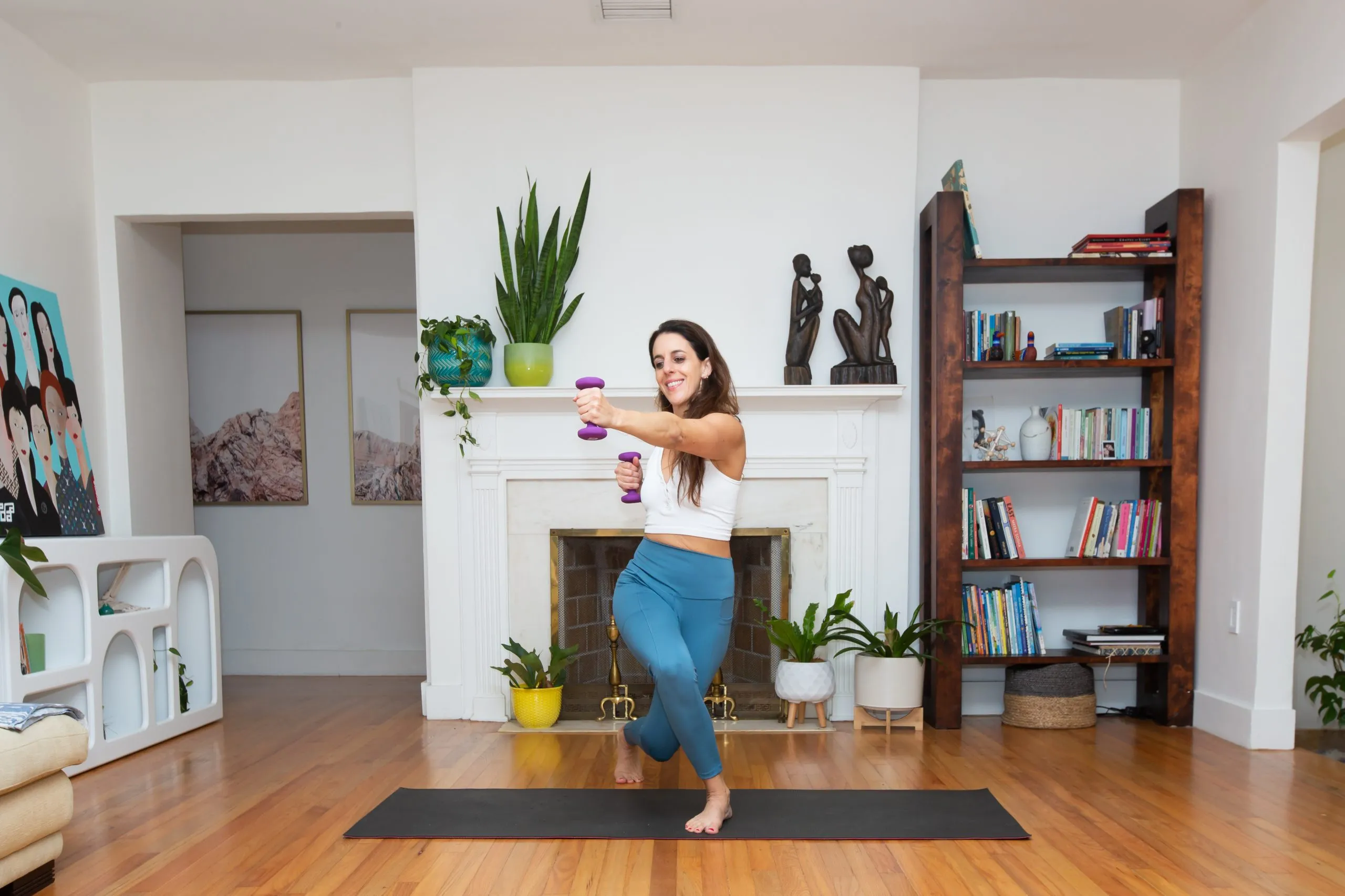
Lauren Ohayon is the creator of Restore Your Core® (RYC®), a comprehensive and sustainable whole-body fitness program that empowers women to achieve ideal pelvic floor / core function and be strong, long, mobile and functional.
Hi! I'm Lauren.
Nice to meet you
Top articles

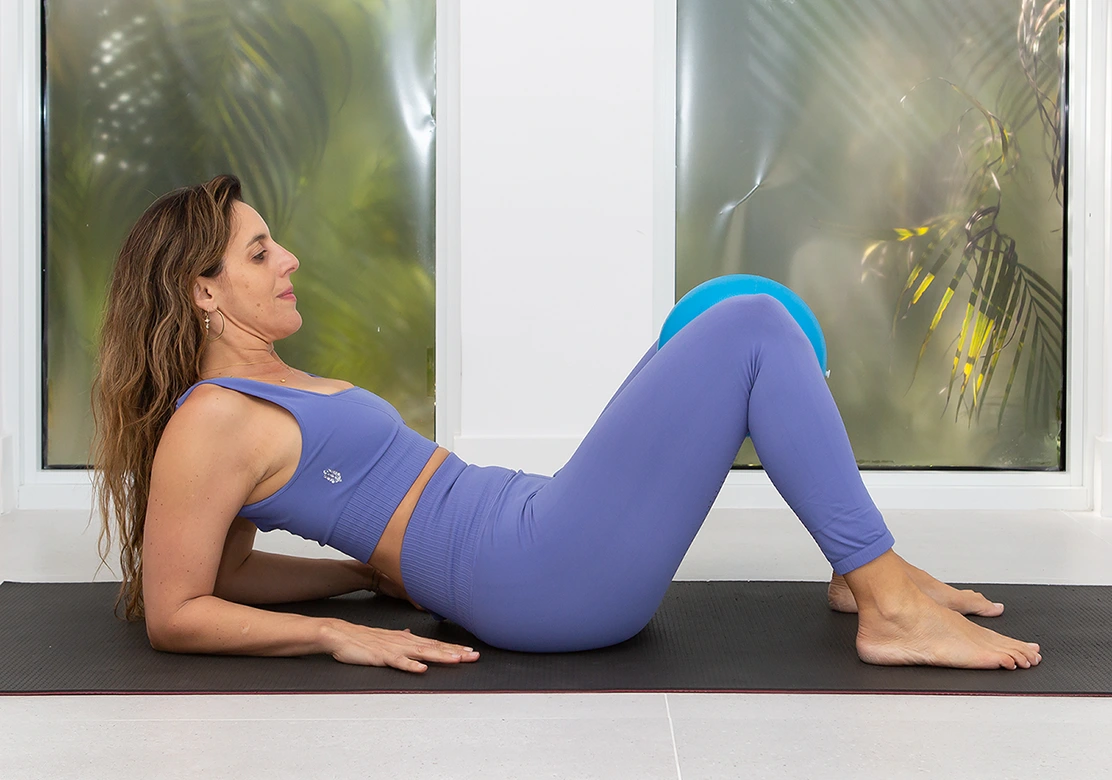

How Do I Heal Diastasis Recti Without Surgery? Why Thousands Trust Restore Your Core®

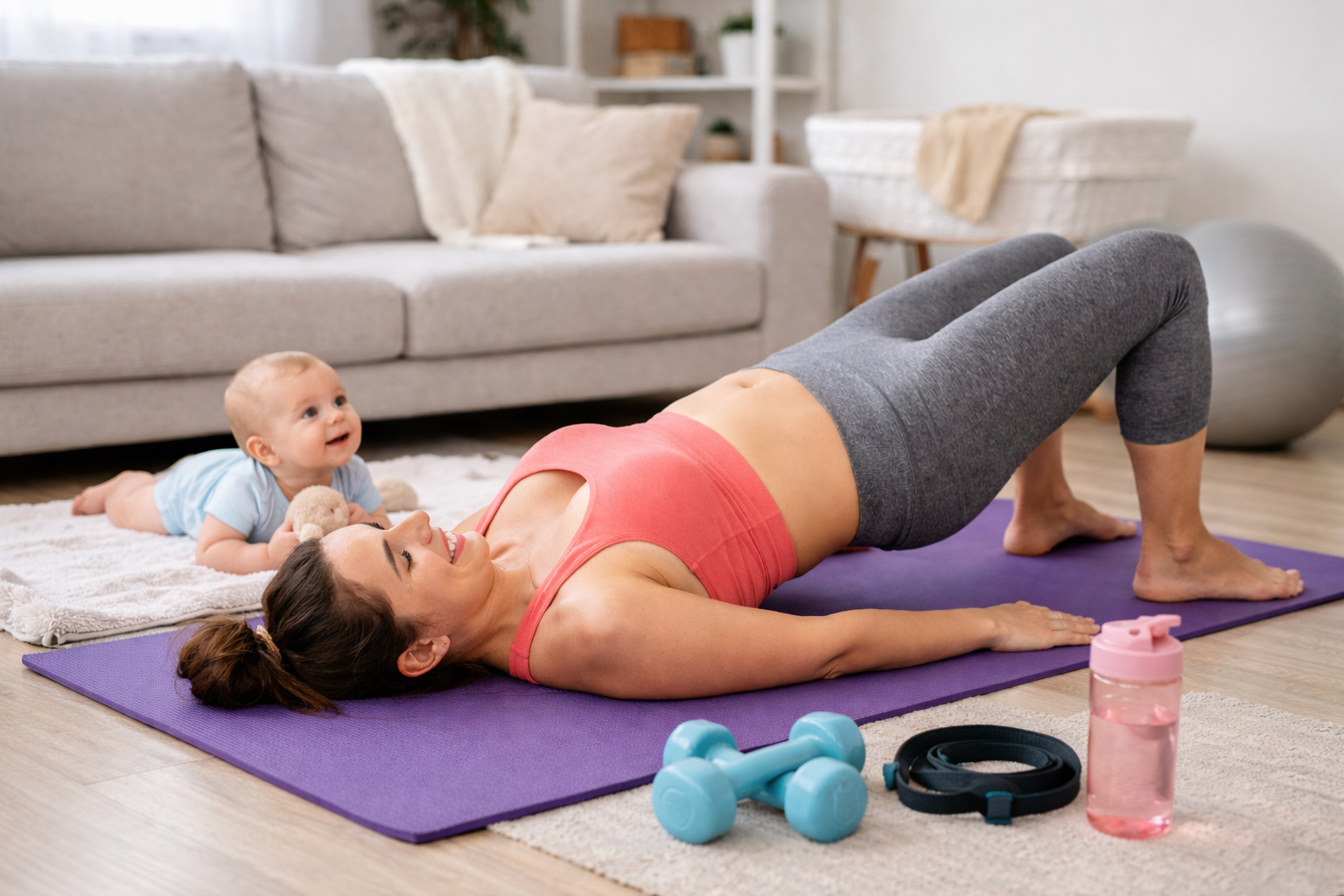
If you’re asking how to heal diastasis recti without surgery, you’ve probably already done the research. You’ve seen the exercise lists – heel slides, glute bridges, bird dogs – and maybe you’ve been doing them for weeks or months without the gap changing at all.
Most of that advice leaves out the bigger picture. Those exercises can help, but they’re one piece of a much larger system, and doing them on repeat without addressing the rest rarely gets anyone very far.
Diastasis recti can absolutely heal without surgery. The path usually involves learning how your whole body manages pressure – your breath, your posture, how you move through your day – and rebuilding coordination from the ground up.
That’s the approach behind the Restore Your Core® (RYC®) 12-Week Program. Over 10,000 women in 80+ countries have used it, pelvic floor PTs recommend it to their patients, and it was created by Lauren Ohayon, who has spent 25+ years working with women on exactly this problem. The whole method is built around one central idea: your core works as part of a larger system, and your recovery needs to reflect that.
Start your healing today with this free workout
Table of Contents
The Problem With Exercise Lists
Search “diastasis recti exercises” and you’ll find the same five movements on every website – heel slides, glute bridges, bird dogs, dead bugs, pelvic tilts – presented as if doing them enough times will fix the issue.
These exercises can be useful as part of a larger approach, but the way they’re typically presented leaves out critical context. There’s no progression, no way to know if they’re actually working, and no acknowledgment that your diastasis might be connected to how you breathe, how you stand, or how you’ve been compensating for years.
Your abdominal wall coordinates with your diaphragm, your pelvic floor, your ribcage, and your hips. When that coordination breaks down – which happens frequently after pregnancy or years of breath-holding through workouts – you can do heel slides indefinitely without seeing change because you’re training a muscle without addressing the system it belongs to.
This is where people get stuck. They’re doing “all the right things” and nothing’s happening, or they push into harder exercises like planks, crunches, and heavy lifting, only to find the bulging gets more pronounced.
Structured programs exist because random exercise lists fail so frequently. Whether that’s working with a pelvic floor PT, following an evidence-based online method like Restore Your Core®, or finding another approach that addresses the whole picture – the common thread is progression, education, and understanding why you’re doing what you’re doing.
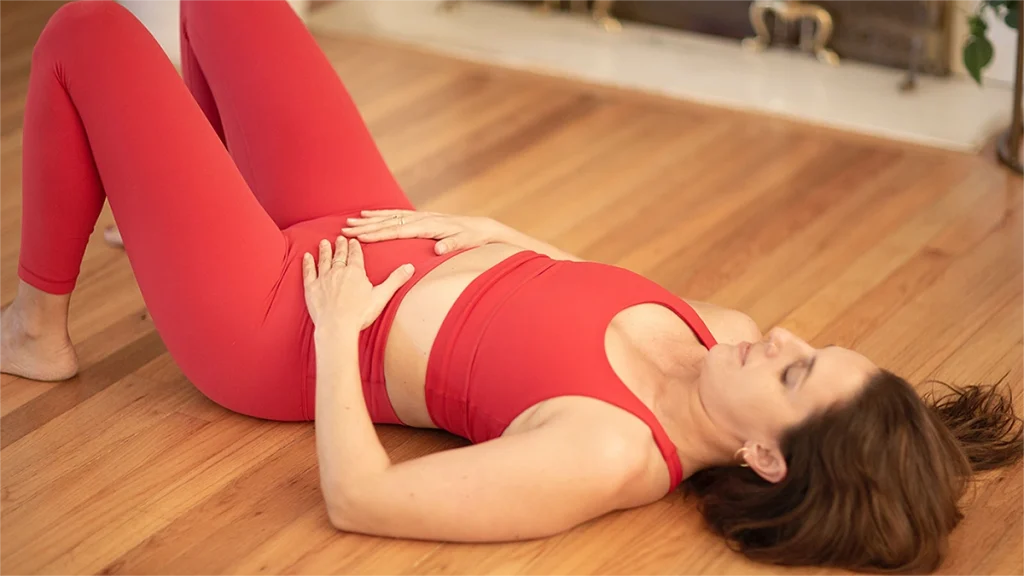
What Actually Makes Diastasis Heal?
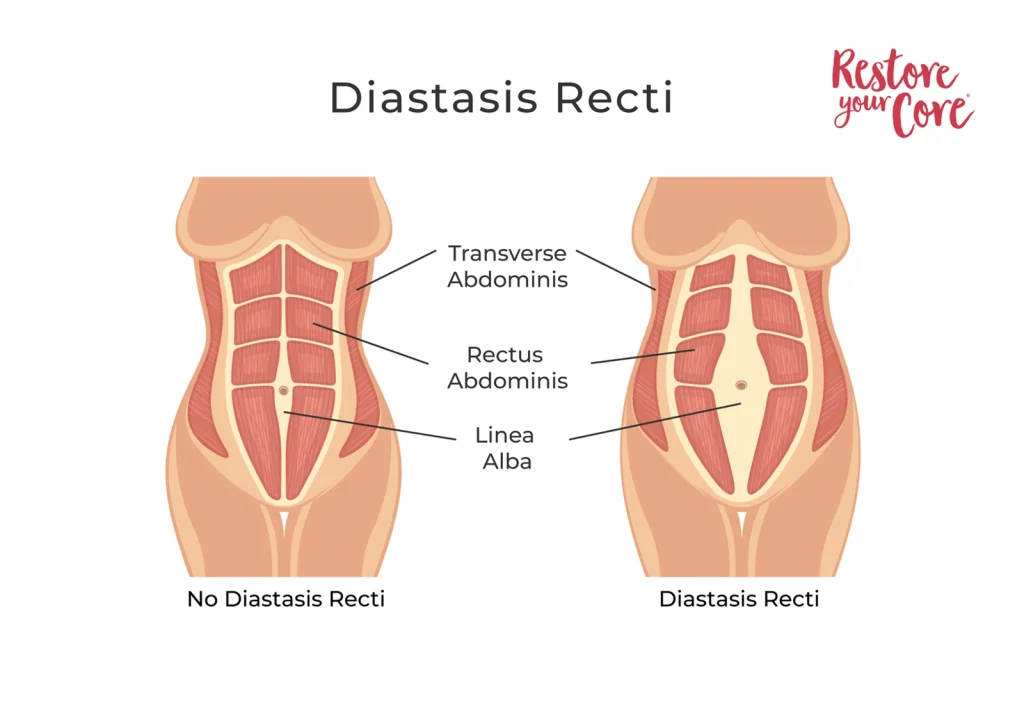
The linea alba – that connective tissue running down your midline – needs to generate tension again. The gap may or may not close completely (some separation is normal), but the tissue needs to become taut and responsive when you move, lift, cough, or laugh.
Getting there requires a few things:
Breath and Pressure Management
This is the foundational work that makes everything else possible, and honestly, it’s the piece most people skip because it feels too simple to matter.
When you hold your breath during effort, breathe shallowly into your chest, or bear down when you lift something, you’re pushing pressure outward against your abdominal wall. Do that hundreds of times a day – picking up kids, getting out of chairs, exercising – and you’re reinforcing the very pattern that created the problem.
A shift that helps: exhale when you exert. Whether you’re lifting something, standing up from a chair, or picking up your child, exhaling during the effort coordinates your pressure system rather than forcing it outward. It feels counterintuitive at first, but it makes a significant difference over time.
The RYC® 12-Week Program builds this breath awareness into every phase, layering it into increasingly complex movements as you progress rather than teaching it once and moving on.
Posture and Alignment
Nobody wants to hear “fix your posture” – it sounds like something your grandmother would say. But how you hold yourself throughout the day genuinely affects how your core functions.
Patterns like rib flaring, tucking the pelvis under, or gripping your abs constantly all interfere with the coordination your body needs to heal, and you can’t out-exercise them.
One concrete thing to notice: how you get out of bed tomorrow morning. If you jackknife straight up with your abs crunching and head lifting first, you’re loading your linea alba at its weakest point every single day. Rolling to your side and pushing up with your arm is a small change that compounds over time.
Progressive, Whole-Body Strength – Like the RYC® 12-Week Program
Your core compensates when your hips are weak, and your breathing shifts when your shoulders are stiff – everything in the body connects and influences everything else.
This is why programs that only focus on “core exercises” often stall out. When you zoom out and address the whole system – hip strength, spinal mobility, shoulder stability alongside core work – the core finally has the support it needs to function well.
Restore Your Core® integrates all of these elements together. The four phases build on each other, starting with foundational coordination and progressing to more load as your system learns to handle it, so your whole body learns to work as a unit again.
Nervous System Awareness
This one doesn’t show up in most diastasis advice, and it probably should.
When your pelvic floor won’t release, your abs grip all day, or your breathing never settles, these patterns often have roots in how the nervous system is responding to stress rather than simple muscle weakness. Years of “sucking it in,” chronic hypervigilance, or accumulated stress all live in the body.
Exercise alone doesn’t resolve these patterns. Learning to actually relax – through gentle movement, breath work that calms the system, and permission to stop bracing – can create the conditions for healing that strength work then builds on.
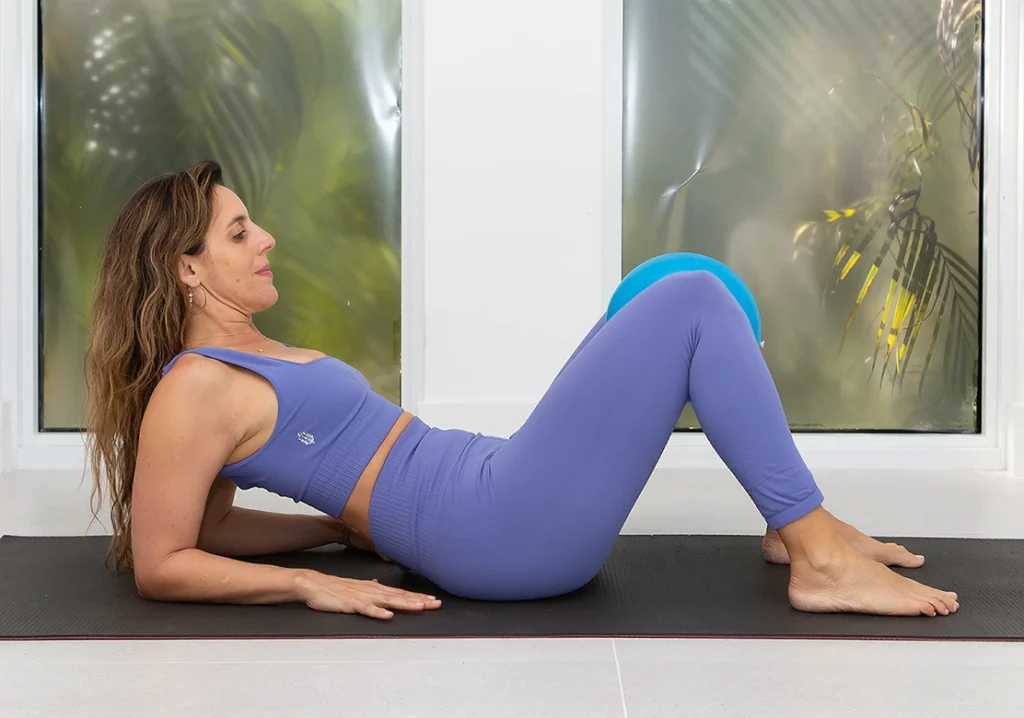
Try 18 minutes of healing, nourishing movement – the RYC® way
How RYC® Differs From Other Programs
There are several solid online programs for diastasis – MUTU System, Every Mother, The Bloom Method. They all have women who’ve seen results, and the right choice depends on what resonates with you.
What draws people to Restore Your Core® specifically tends to be the depth. Substantial education is woven throughout the program, with Lauren explaining why things work alongside what to do. The whole-body integration is central to the method, and the nervous system component is built in from the start.
Lauren developed this method through 20+ years of working directly with women dealing with diastasis, prolapse, incontinence, and chronic pain. Since 2015, over 10,000 members have gone through the program – a significant number of them women who’d already tried other approaches without lasting change. The method is now taught to 500+ healthcare professionals (pelvic floor PTs, OBGYNs, chiropractors, occupational therapists) who use it with their own patients.
The program is currently in its third full revision, and if you bought an earlier version, you get the updates free. Lifetime access means you can come back after another pregnancy, revisit phases when life gets chaotic, or keep building with RYC® FIT once you’ve finished the core program.
“My diastasis is closed, my prolapse symptoms are gone. I can lift heavy again, I can jump without leaking, sex isn’t painful anymore, and I’m stronger – not only physically, but mentally! I know my body can heal.” – Barbara Martinez
Who Actually Uses This Program?
Some members are six weeks postpartum and want to recover well from the start. Others are fifteen years out from their last baby, still dealing with a belly that never “went back” and a core that feels disconnected. Some have already done pelvic floor PT and want a home program to continue the work. Others use RYC® alongside PT because their therapist recommended it.
A common thread among members is that they’ve tried things that didn’t stick – generic workout programs, YouTube exercises, advice from trainers who meant well but didn’t understand the problem. What they describe finding in RYC® is both exercises that work and a deeper understanding of what’s actually going on in their body.
“I just started the 4th phase of RYC®, and I’ve seen so much improvement. My diastasis recti gap is down from 4 fingers to less than 2.” – Monica Blasbalg Swain
“I had a major tailbone issue for over 2 years combined with a tight pelvic floor and diastasis recti. Nothing I did was ever ‘enough’ to get relief. Then I found RYC®! I signed up and can honestly say I felt a change immediately. I started breathing more effectively, which I didn’t even know I was having issues with, and my tailbone started hurting less. My diastasis recti closed up and I could feel my core activating. All I can say is I haven’t felt this strong, resilient, or functional in over 20 years.” – Vicki L.

What’s Inside the Program?
The RYC® 12-Week Program is structured around four progressive phases:
Phase 1–2: Foundational coordination, including breath mechanics, alignment awareness, and learning to feel what’s actually happening in your body. This is where the real work begins, and where a lot of other programs skip ahead too quickly.
Phase 3–4: Building strength on that foundation through progressive loading, functional movement, and preparing your body for real life – lifting kids, carrying groceries, exercising without symptoms.
Each workout runs about 25 minutes, four times a week, with express options when life gets in the way. Educational content is integrated throughout so you’re learning as you go, and you keep access forever, including any future updates to the program.
Start the RYC® 12-Week Program →
Can Diastasis Actually Heal Without Surgery?
For a significant number of women, yes.
Surgery makes sense for some people – severe separations, hernias, cases where conservative approaches have genuinely been exhausted. It’s a legitimate option when it’s needed.
But many women heal through non-surgical means, with the gap either closing completely or remaining with functional tension in the tissue. What matters is whether your core can do its job: respond to load, support your spine, and handle life without bulging or weakness.
This takes time – depending on how long the separation has been there and how your body responds, you’re looking at months of consistent work. Some people see major shifts in the first 12 weeks while others continue improving over a year or longer, and the work is worth doing regardless of which camp you fall into.
The Short Answer
How do you heal diastasis recti without surgery?
You restore how your whole body manages pressure – breath, alignment, strength that builds progressively, and a nervous system that can actually relax. The healing happens when the whole system works together again.
The Restore Your Core® 12-Week Program was built around exactly this approach, with 10,000+ women supported since 2015, 500+ healthcare professionals trained in the method, and a whole-body framework that goes deeper than exercise lists.
Those lists can be a starting point, and this is the structured path that takes you further.
Enjoy a free, pelvic-floor & core healing whole-body workout today
FAQ
How long until I see results?
Breath and posture shifts often happen in the first few weeks – you’ll likely feel different before you measure different. The gap itself typically takes longer, usually a few months of consistent work for noticeable change, sometimes longer depending on severity. The tissue needs time to adapt, so patience with the process matters.
What exercises make diastasis worse?
Crunches and sit-ups are the obvious ones. But the more useful answer is any exercise where your belly domes or bulges outward – that tells you the movement is creating more pressure than your system can handle right now. RYC® teaches you to read these signals so you can progress with awareness.
Can I do this alongside pelvic floor PT?
Yes, and a lot of people do. PT gives you hands-on assessment and treatment while RYC® gives you structured daily practice and education between appointments. Some pelvic floor PTs specifically recommend Restore Your Core® to their patients as a home program.
I’m 10+ years postpartum. Is it too late?
No. RYC® has members who’ve healed separations that had been there for 15 or 20+ years. Bodies remain adaptable.
I’ve tried other programs and they didn’t work. Why would this be different?
Hard to say without knowing what you tried. But the pattern we see repeatedly is that people did exercises without understanding why, couldn’t tell if they were progressing, and eventually gave up. RYC® is heavy on education so you learn what’s actually happening in your body and how to adapt when something isn’t working. The whole-body approach also addresses patterns that isolated core work tends to miss.
Why isn’t my diastasis recti closing even though I’m doing exercises?
This is one of the most common frustrations women experience. Often the issue is that the exercises themselves are fine, but the underlying coordination – how breath, posture, and pressure work together – hasn’t been addressed. Doing heel slides while breath-holding or with poor rib positioning can reinforce the patterns that created the problem. A program like Restore Your Core® focuses on rebuilding that coordination first, which allows the exercises to actually work.
Can I close my diastasis recti years after pregnancy?
Many women heal diastasis recti years or even decades after their last pregnancy. The body remains adaptable, and the connective tissue can regain tension with the right approach. Several RYC® members have healed separations that had been present for 10, 15, or 20+ years. The key is consistent, progressive work that addresses how the whole body manages pressure – not just isolated core exercises.
Is diastasis recti the same as a hernia?
They’re different conditions, though they can occur together. Diastasis recti is a separation of the rectus abdominis muscles along the linea alba – the connective tissue remains intact but stretched. A hernia involves tissue actually pushing through a hole or weak spot in the abdominal wall. If you’re unsure which you have, it’s worth getting assessed by a healthcare provider. For diastasis recti specifically, programs like Restore Your Core® offer a structured path to recovery that many women find effective.
What does a healed diastasis recti feel like?
A healed diastasis often feels like your core responds when you need it – when you lift something, cough, or move quickly, there’s support rather than a sense of weakness or bulging. The gap itself may close completely, or it may remain but with tension in the tissue. What matters most is function: can the linea alba generate tension under load? Many women in the RYC® community describe the shift as feeling “connected” again – like their body works as one piece rather than feeling disconnected through the middle.
Can I do planks with diastasis recti?
Planks can be appropriate at some point in recovery, but they’re often introduced too early. If your belly domes or bulges during a plank, that’s a sign the exercise is creating more pressure than your system can currently manage. The goal is to build capacity progressively so that eventually planks – and other challenging movements – can be done without compensation. The RYC® 12-Week Program progresses through four phases specifically designed to rebuild this capacity, so you know when your body is ready for more load.
Top articles

“There is no thank you big enough for Lauren Ohayon existing and thinking and helping so many of us. Every time I do something I never thought I’d do again she is part of the reason why.”
Laura Gregg
Strengthen, heal & nourish your pelvic floor & core
Try a FREE workout
with Lauren
*10K+ women healed and healing
Thank you!
Your FREE video is on the way
Please check your email inbox in a few minutes.
Related articles


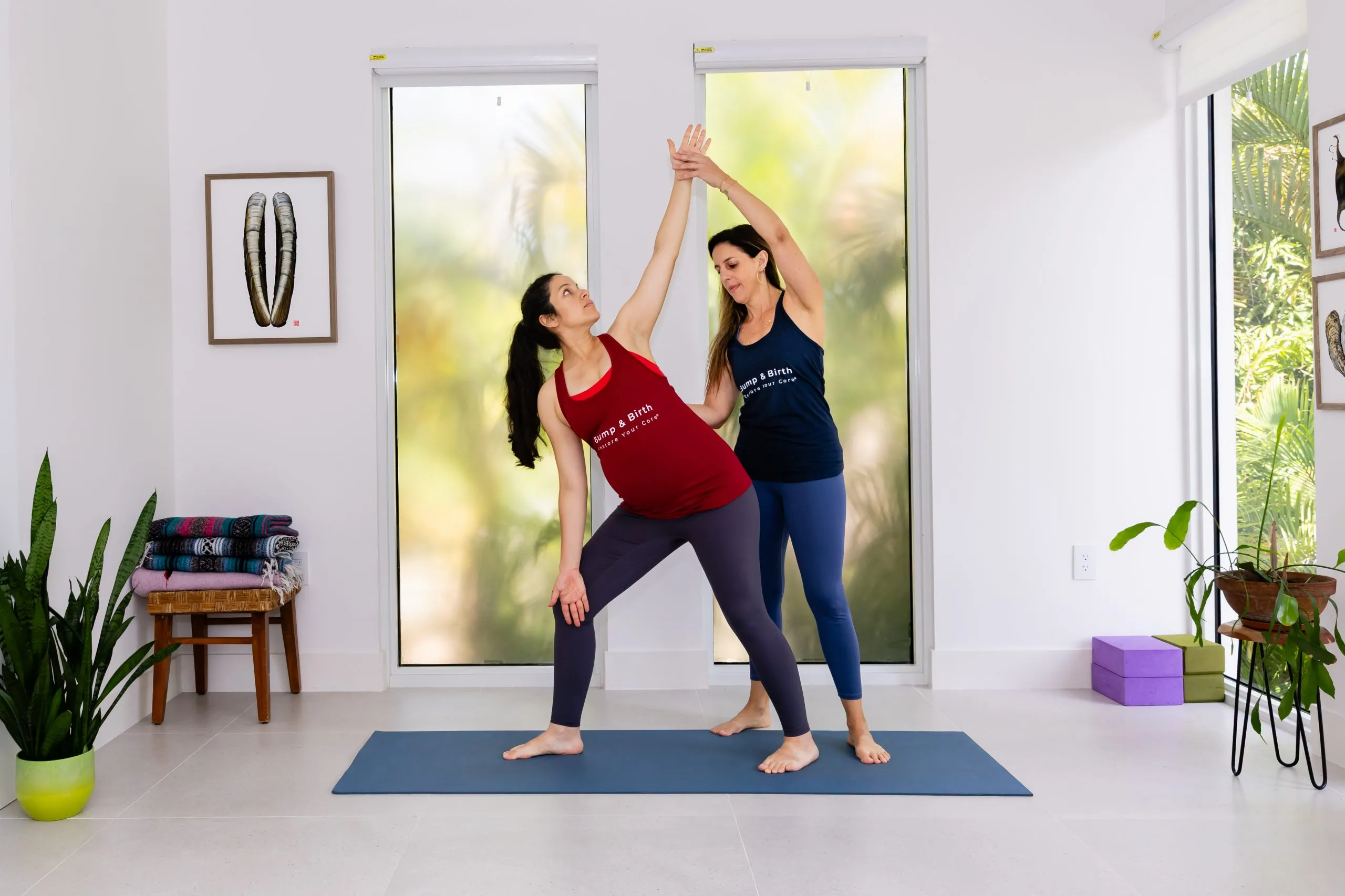
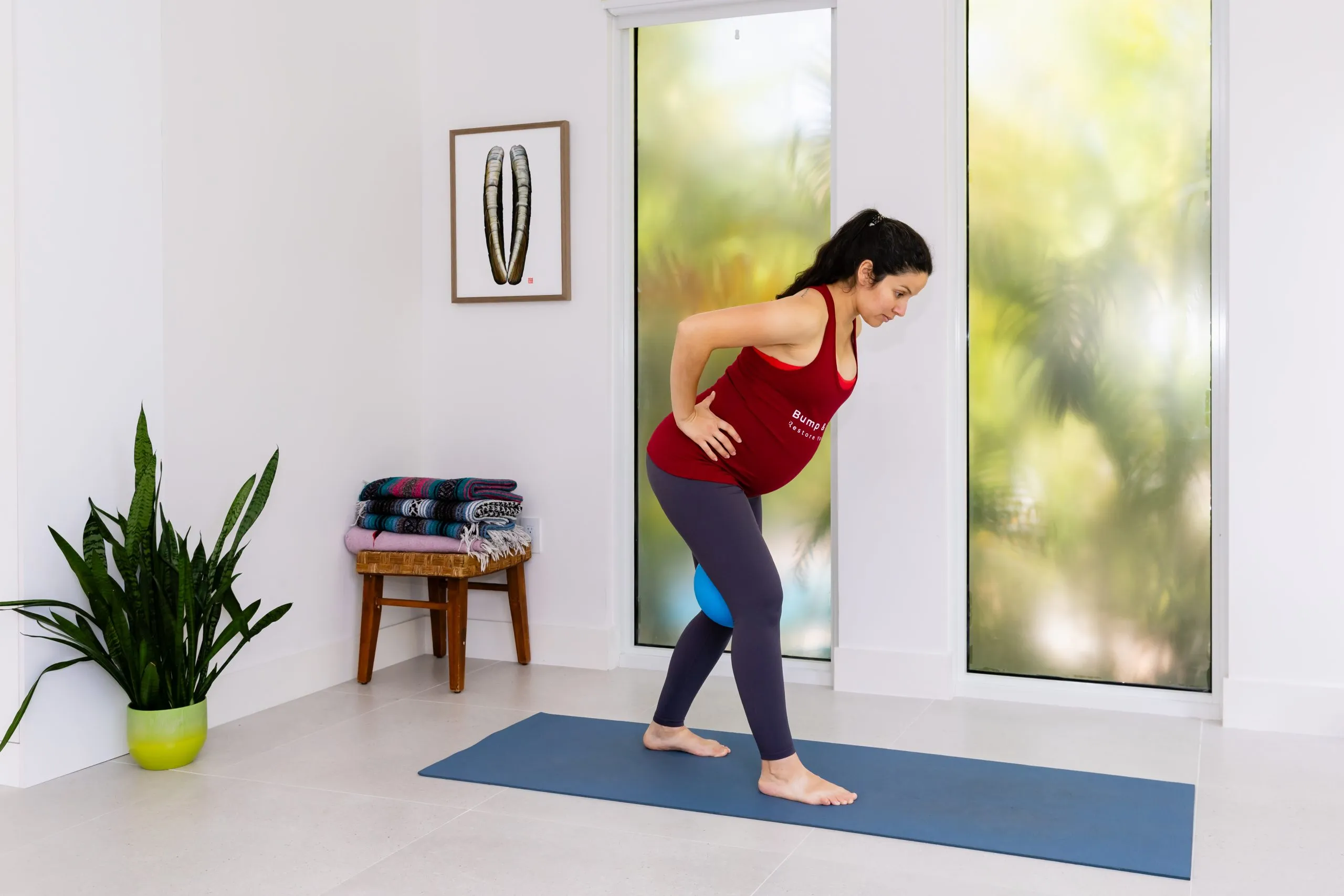

Enjoy a free, pelvic-floor & core healing whole-body workout today
Get more actionable info, inspiration and exclusive offers delivered to your inbox.
*No spam, just quality content and support
Thanks for subscribing!

inbox soon.
Thanks for subscribing!
Please check your inbox soon.