Learn

Hi! I'm Lauren.
Nice to meet you
Lauren Ohayon is the creator of Restore Your Core® (RYC®), a comprehensive and sustainable whole-body fitness program that empowers women to achieve ideal pelvic floor / core function and be strong, long, mobile and functional.

Hi! I'm Lauren.
Nice to meet you
Top articles

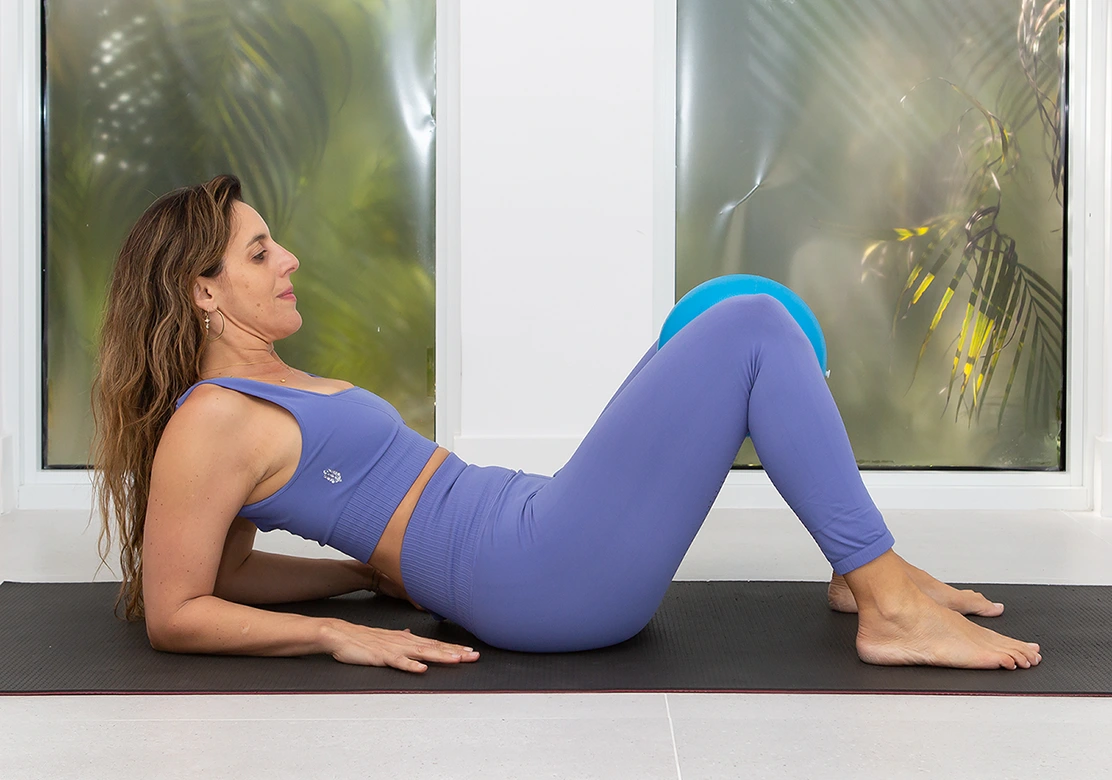

Healing Incontinence Naturally: Your Top Questions Answered

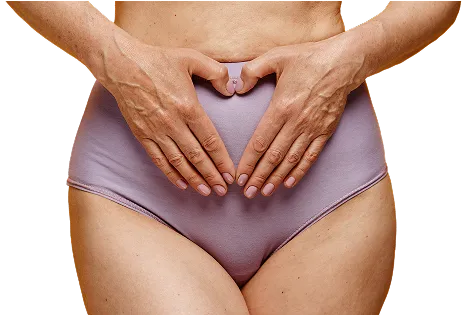
Incontinence can feel confusing, frustrating, and isolating. Whether it’s leaks during a workout, urgency that seems to come out of nowhere, or that nervous scan for the nearest bathroom – you are not alone. At Restore Your Core®, we view incontinence not as a standalone issue, but as part of a broader conversation around how your whole body coordinates breath, movement, posture, and pressure.
Below are real questions people ask us all the time. Each answer reflects the RYC® philosophy – meeting your symptoms with clarity and giving you concrete steps forward, rooted in smart, functional movement.
Table of Contents
1. Why am I leaking even though I do Kegels every day?
Kegels aren’t a fix-all for pelvic floor health. And for many people, they’re not what the body needs.
Leaking doesn’t always mean your pelvic floor is weak. More often, it means the muscles are overworking, tight, or not coordinating well with the rest of your core.
Here’s what that can look like:
- The pelvic floor is always “on.” When the muscles stay engaged all the time, they can’t respond when you cough, sneeze, jump, or lift something heavy.
- Tension in the abdomen restricts the breath, affecting the natural rise and fall of the pelvic floor.
- Your deep core and hips aren’t sharing the work, increasing the demand on the pelvic floor. Over time, the muscles fatigue and struggle to maintain continence.
In those cases, doing more Kegels can actually make symptoms worse – because you’re strengthening tension, not function.
You can start shifting this by focusing on:
- Gentle, 3D breathing to help your pelvic floor relax and lengthen, so it can respond better.
- Exhaling during effort, so your deep core supports you when demand and pressure increase.
- Neutral alignment – ribs and pelvis stacked to reduce downward pressure.
- Seeing the pelvic floor as part of the whole core system, not an isolated set of muscles.
As you core learns to coordinate, your pelvic floor becomes more responsive – and leaking often improves.
Kegels aren’t “bad”, but they’re only helpful when your pelvic floor can relax, lengthen, and work with the rest of your system.
The RYC® Method helps you rebuild that coordination through breath-based movement and intelligent progressions that retrain how your hips, core, and pelvic floor work together in real life.
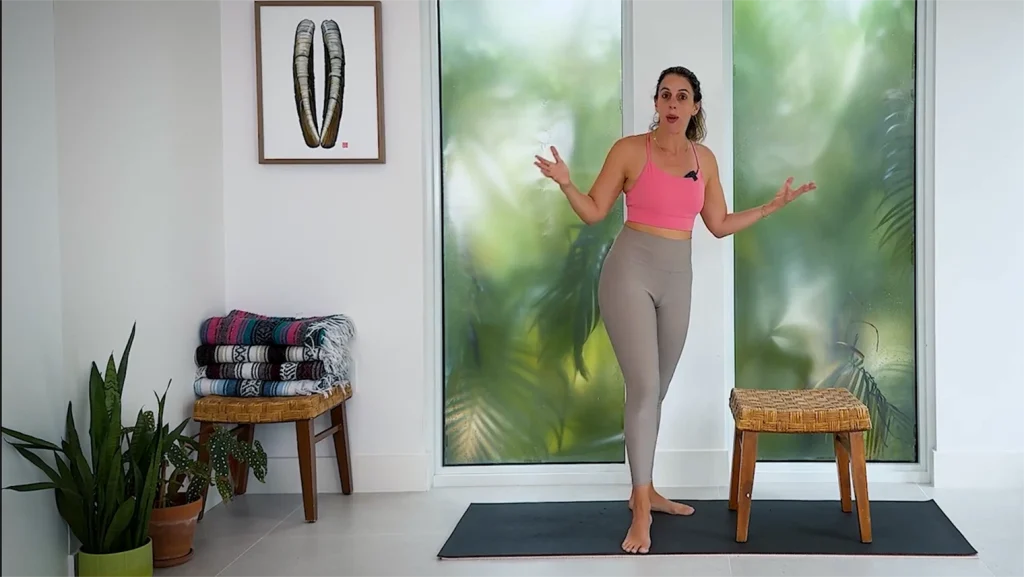
Start your healing today with this free workout
2. Is leaking just a normal part of aging or having babies?
Leaking is common after childbirth and as we age – but it doesn’t mean it’s inevitable or that you have to live with it.
What often leads to leaking isn’t age or pregnancy itself, but how your body adapts afterward.
- During pregnancy and birth, your pelvic floor and surrounding tissues stretch and bear more load.
- Afterward, posture, breathing, and movement patterns can shift, changing how your core supports you.
- Hormonal changes in menopause can make tissues less elastic and affect how muscles respond.
These changes are real – but they’re also adaptable. You can start rebuilding support by:
- Improving breathing mechanics. If there is tension or reduced mobility in the ribs and thoracic spine, it increases intra-abdominal pressure, placing greater demand on the pelvic floor.
- Letting go of the constant belly-hold. Pulling your stomach in all day makes it harder for your core to meet everyday demands.
- Relaxing in the bathroom. Sitting fully and avoiding straining supports healthy coordination through your core and pelvic floor.
When your core learns to share the work evenly, your pelvic floor regains its reflex strength – and leaks often ease.
The RYC® Method teaches you exactly how to retrain this coordination through guided breath, posture, and movement work, helping your body stay strong and responsive through every stage of life.
3. Why do I only leak when I sneeze, jump, or run?
Leaking during these moments is common, and it often happens because your core isn’t quite keeping up with the quick demand of movement or impact. When you sneeze, laugh, or land from a jump, pressure rises fast inside your abdomen. Your pelvic floor and deep core are designed to respond automatically – but if that reflex is delayed or fatigued, a leak can happen.
This is often called stress incontinence, though sometimes there’s overlap with urge incontinence (mixed incontinence). Your bladder signals urgency long before it’s full.
Here’s what might be going on:
- You hold your breath before impact. This increases intra-abdominal pressure, meaning your pelvic floor has to work harder.
- You brace your abs outward, which also increases pressure down instead of letting your deep core support you.
- Your pelvic floor is tight or tired. If your pelvic floor is gripping throughout the day, it can become fatigued and unable to respond to the increased demands of a full bladder and impact.
What helps most is restoring whole-body coordination – how your breath, posture, hips, and core share the work of movement. When your body learns to manage effort as a team, your pelvic floor naturally becomes more responsive and supportive.
The RYC® Method guides you through this process with movement practices that retrain breath, alignment, and core reflexes so you can move dynamically – without worry about leaks.
4. Can incontinence improve years after having kids?
Yes – many people see real improvement even decades after giving birth. The pelvic floor and core don’t have an expiration date for healing; they can adapt and get stronger at any stage of life.
When leaking has been around for years, it’s often because your body found ways to cope – maybe tightening, holding your breath, or avoiding movement that felt risky. These strategies were protective, but they also kept your system stuck in tension rather than in support.
The good news: your body can change. When you start moving in new, confident ways and give your body input that feels safe and connected, your brain and muscles relearn how to coordinate. Clients often notice progress when they rebuild strength through whole-body movement – like re-engaging their feet and hips, freeing up their ribs for fuller breath, and learning to lengthen rather than grip. As coordination returns, the pelvic floor begins to respond naturally again.
The RYC® Method helps you do exactly that – using intelligent, full-body movement to restore connection, strength, and confidence in your core and pelvic floor, no matter how many years it’s been.
5. I leak when I have a full bladder or get the urge suddenly. What’s happening?
That sudden urge – and the leak – may come from what’s called urge incontinence. In this case, the muscle in your bladder sometimes contracts too quickly or too often, even before the bladder is full.
Because bladder, nervous system, and pelvic-floor coordination all interact, things like posture, breathing, and daily habits matter more than you might expect. When breathing is shallow or chest-heavy, or when you habitually “brace” or tighten around your pelvis, it can increase unnecessary tension in pelvic-floor muscles – which may worsen bladder sensitivity and make urge leaks more likely.
Here’s how you can begin to support better bladder-body coordination:
- Learn to pause when you first feel the urge. Instead of rushing, allow a calm inhale and long, slow exhale, letting the pelvic floor lengthen. When the pelvic floor contracts, it increases the sense of urgency.
- Offer your pelvis and rib cage some space by relaxing tight belly-bracing patterns. This helps your diaphragm and deep core muscles evenly absorb pressure, which, in turn, reduces pressure on the bladder.
- Practice gentle, relaxed breathing regularly – because a more regulated nervous system tends to quiet bladder overactivity.
With new input – more optimal posture, calmer breath, and mindful bladder timing – many people notice fewer urgent leaks over time.
At RYC®, we guide you through whole-body practices that retrain how your breath, core, and pelvic floor communicate – helping your bladder settle into a rhythm that feels controllable, confident, and calm.
Try 18 minutes of healing, nourishing movement – the RYC® way

6. Can leaking be connected to tight hips, back pain, or tailbone pain?
Yes – these are often connected. Your pelvic floor doesn’t work in isolation; it’s part of a larger system that includes your hips, core, and tailbone. When one area is stiff or overworked, another tends to step in to help – and that’s often the pelvic floor.
For example:
- Tight hips directly affect your pelvic floor’s ability to stretch and recoil.
- Back tension can change how your core meets everyday demands, leaving the pelvic floor to do more than its share.
- Tension in the pelvic floor often shows up at the tailbone – restricting its small but important movements and contributing to discomfort.
When these areas move more freely, your core can share the work evenly – strength and support come from the whole body, not one muscle trying to do it all.
Clients often notice change when they restore hip rotation, gently mobilize the tailbone, and strengthen through the glutes – movements that bring ease and coordination back through the entire system.
The RYC® Method helps guide this process – improving how your hips, spine, and pelvic floor move together so your body supports you naturally, without tension or leaking.
7. Do I have to stop lifting weights or running if I leak?
Not necessarily. You don’t have to give up the things you love – you just need to approach them differently.
Leaking during lifting or running doesn’t mean you’re doing something wrong or that your body can’t handle impact. It’s simply feedback that your core and pelvic floor need better timing and support for the load you’re putting on them.
When you lift or run, pressure builds through your abdomen. If your breath or posture directs that force downward – or if you brace too tightly – the pelvic floor can’t respond as quickly as it needs to.
What helps most is learning to move with your breath and structure, not against it. Try exhaling through the hardest part of a lift or stride, staying tall through your ribs, and releasing unnecessary gripping. Scaling back weight or pace for a short time often helps you build back smarter and stronger.
Leaking doesn’t mean you need to stop – it’s your body asking for better coordination, not less movement.
The RYC® Method helps you retrain that timing and control so you can lift, run, and move freely – with strength, confidence, and no leaks holding you back.
8. Is there a connection between constipation and leaking?
Yes – and it’s more common than most people realize. Constipation doesn’t just affect digestion; it also changes how your core and pelvic floor work together.
When you strain or hold your breath to poop, pressure builds inside your abdomen and pushes down on your pelvic floor. Over time, that repeated force – paired with tension from stress or the habit of holding your belly in – can make the pelvic floor tight and less responsive. This often leads to leaking, heaviness, or a sense of urgency.
Healthy elimination depends on ease, not effort. Sitting fully on the toilet, resting your feet on a small stool, and breathing slowly (letting your belly soften) helps your body stay in a relaxed, “rest-and-digest” state. That calm allows your pelvic floor to release so your bladder and bowels can do their job without strain.
Simple practices like belly breathing, gentle twisting, or rhythmic movement can stimulate the vagus nerve and help shift your body out of “holding mode,” making elimination and bladder control easier.
Addressing constipation can be a turning point for pelvic floor symptoms – when your body feels safe to let go, everything works better.
The RYC® Method helps restore that balance through breath, posture, and movement that calm the nervous system and retrain how your core and pelvic floor coordinate – on the mat and in everyday life.
Enjoy a free, pelvic-floor & core healing whole-body workout today
9. I’m dry during the day but wake up at night to pee – is that incontinence?
Waking once a night to pee can be normal, especially as hormones shift with age or after childbirth. But if you’re waking several times or struggling to get back to sleep, it’s worth exploring why.
Sometimes nighttime waking simply reflects fluid timing or bladder sensitivity – for instance, drinking lots of water late in the evening or having caffeine or alcohol later in the day. Certain medications and medical conditions can also increase nighttime urination.
In other cases, people notice that stress, tension, or disrupted sleep patterns make their bladder signals feel stronger. When your body stays slightly “on alert,” even mild sensations can register as urgent.
Here are some steps to experiment with:
- Shift most of your hydration earlier in the day and reduce fluids a few hours before bedtime.
- Ease off bladder irritants like caffeine, alcohol, and carbonated drinks in the afternoon and evening.
- Wind down with slow, steady breathing or gentle stretches – this can help your body relax and sometimes reduce nighttime urgency.
- If lying completely flat increases discomfort, try a small pillow under your pelvis or rest with your feet slightly elevated before bed to ease pelvic pressure.
If you’ve ruled out medical causes, gentle lifestyle changes and relaxation practices can make a real difference.
10. What if I’m not leaking urine, but feel pressure or heaviness?
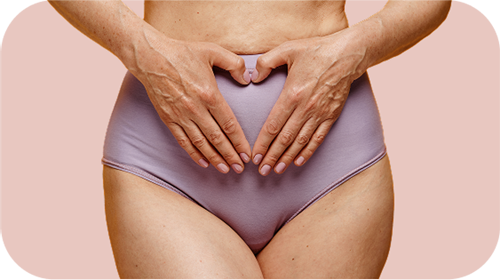
A sense of pressure, dragging, or heaviness in the pelvis is common – and it can have different causes. Sometimes it’s related to pelvic organ prolapse, but it can also come from muscle tension, fatigue, posture habits, or coordination issues between your core, hips, and pelvic floor.
In simple terms, that heaviness often means your core isn’t fully supporting the demand of your daily movement, or that your pelvic floor is holding too much tension.
You might notice it more at the end of the day, after standing or sitting for long periods, or when you’re tired – all moments when your body’s support system is working harder.
If you feel mild heaviness, lying with your hips slightly elevated and practicing mindful, easy breathing can help reduce excess tension in the short term. Long term, strengthening your hips and glutes and improving your connection to your deep core reduces the demand on the pelvic floor.
That said, pelvic heaviness can have several causes – so if it’s persistent or worsening, it’s worth getting assessed by a pelvic health physiotherapist or medical provider to understand what’s really going on.
The RYC® Method complements that process by helping you retrain how your whole body supports you – improving alignment, breath, and coordination so your core and pelvic floor can respond with strength and lift, not strain.
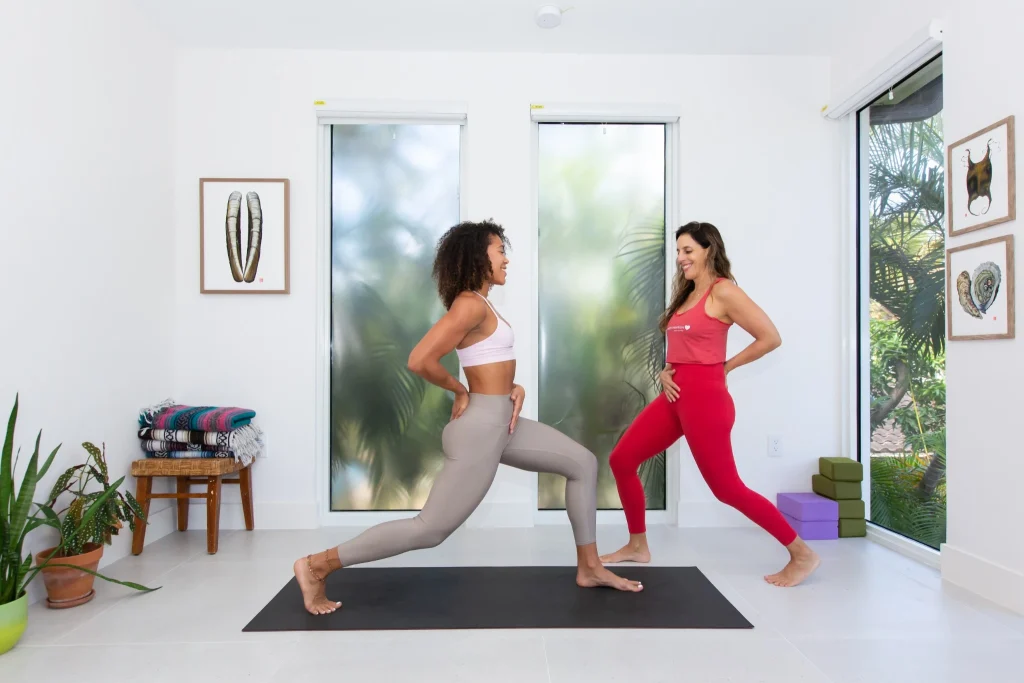
Continuing Your Incontinence Healing Journey
Rebuilding confidence and support after incontinence means shifting how your body moves, breathes, and responds. Whether you’ve been leaking for months or years, the Restore Your Core® Program offers structure, education, and an effective path to sustainable change.
>>> Learn more about the RYC® Program
Still have questions?
You’re always welcome in the RYC® Facebook community – a supportive, no-shame space where thousands of women ask questions, share insights, and cheer each other on. Whether you’re seeking encouragement, tips, or just a reminder that you’re not alone – it’s a place to feel seen.
Access your free workout and start healing your core and pelvic floor today
Top articles
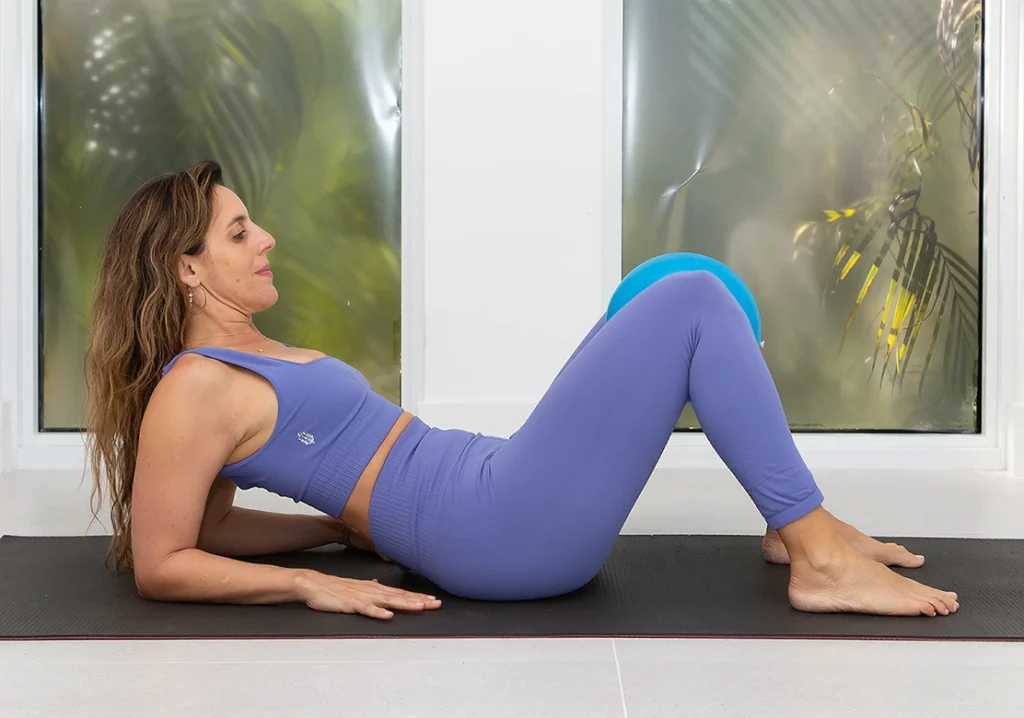

“There is no thank you big enough for Lauren Ohayon existing and thinking and helping so many of us. Every time I do something I never thought I’d do again she is part of the reason why.”
Laura Gregg
Strengthen, heal & nourish your pelvic floor & core
Try a FREE workout
with Lauren
*10K+ women healed and healing
Thank you!
Your FREE video is on the way
Please check your email inbox in a few minutes.
Related articles


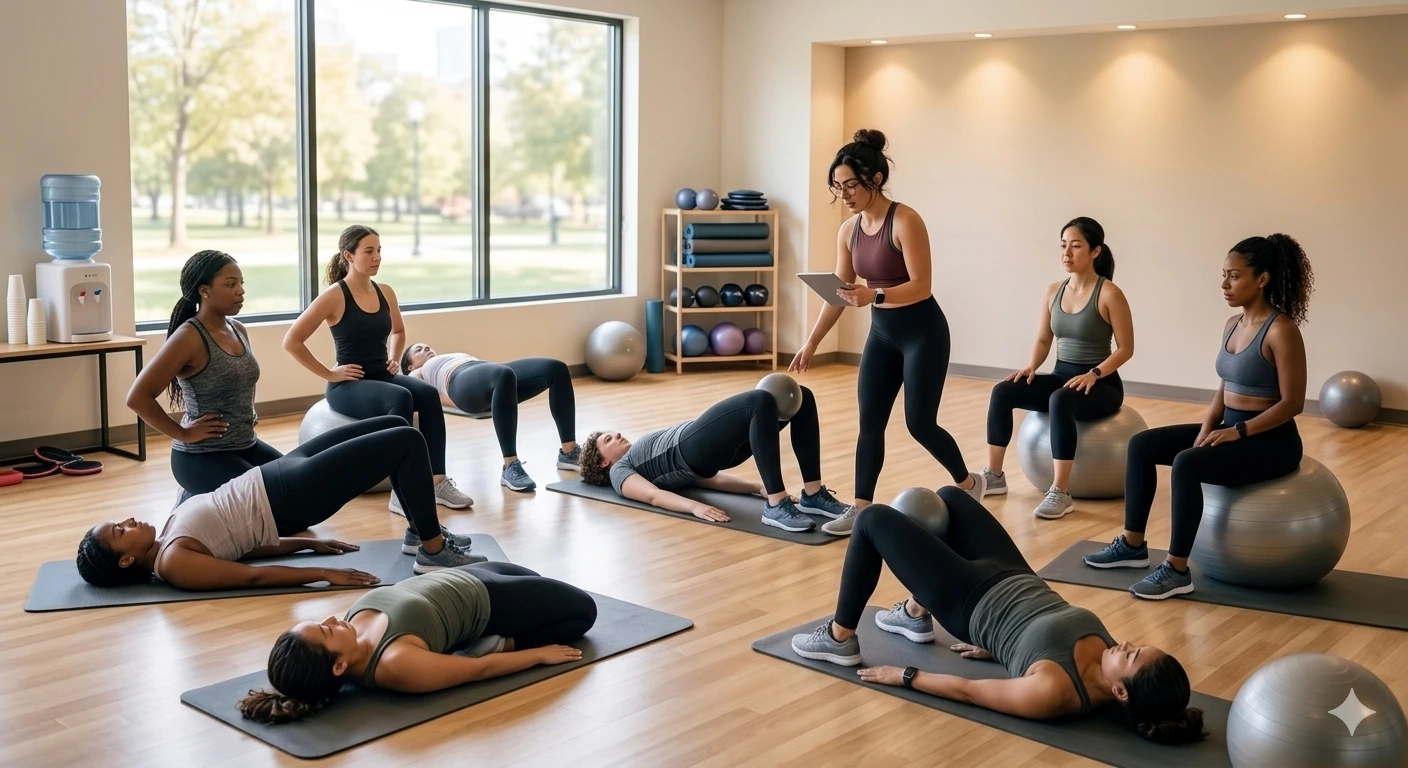


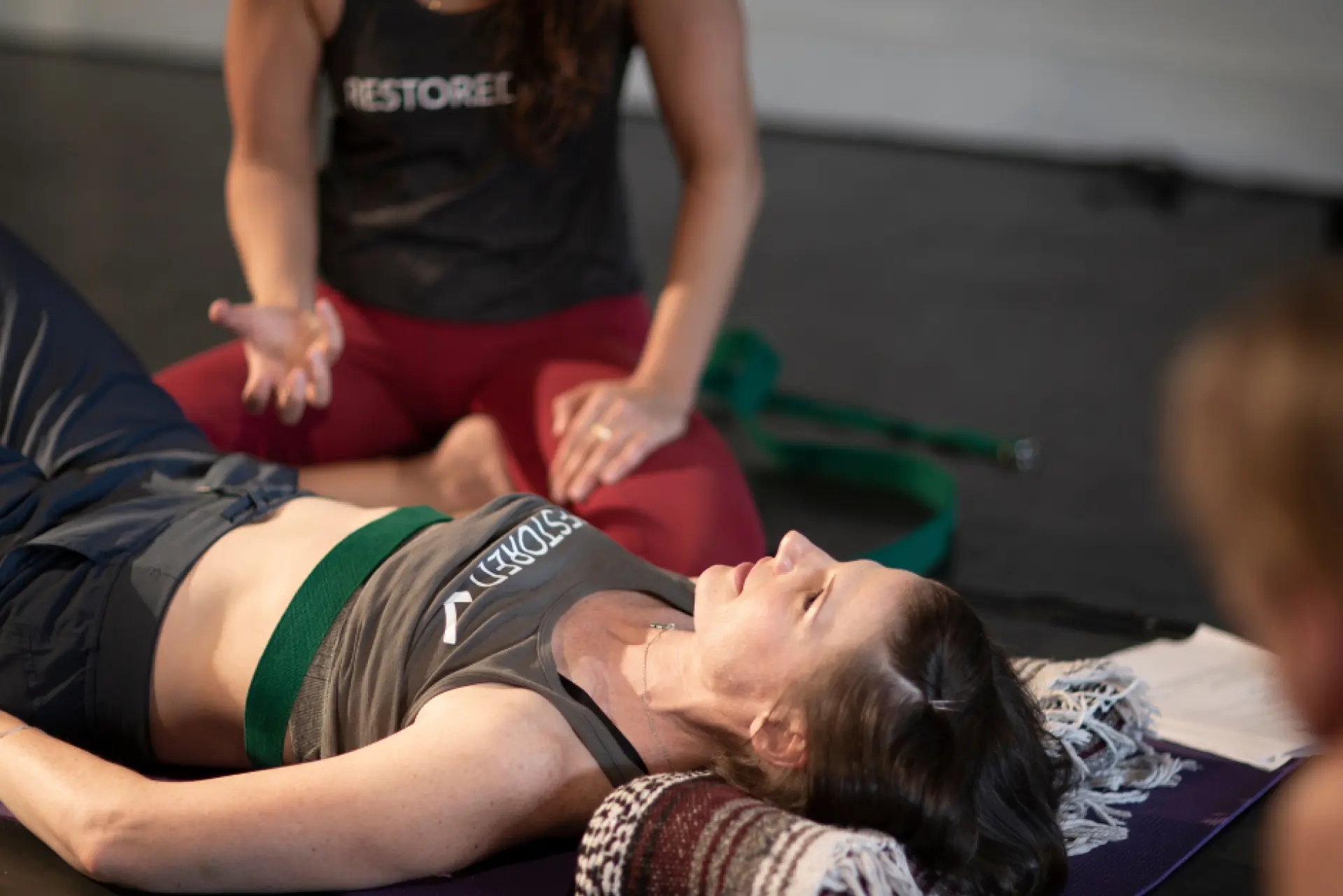

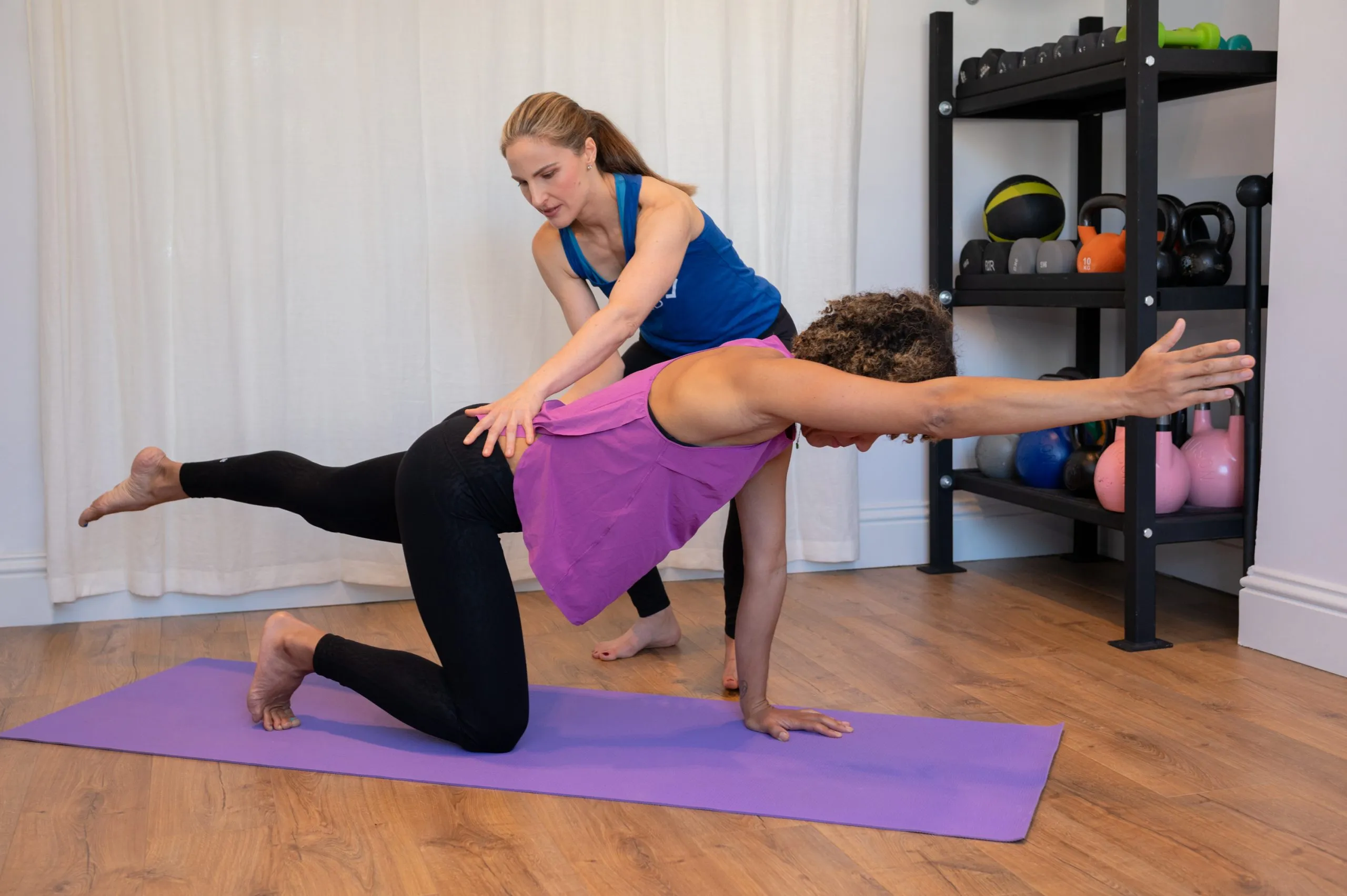
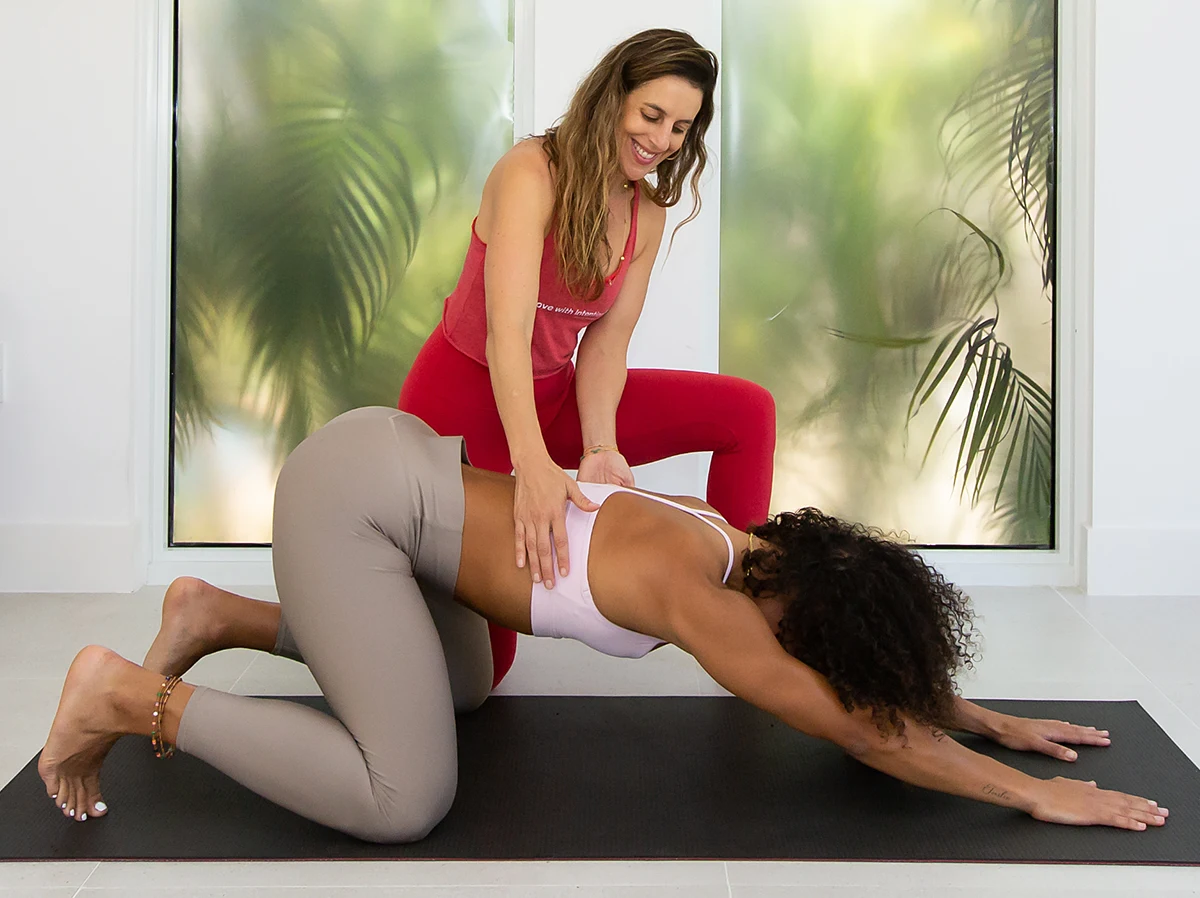

Enjoy a free, pelvic-floor & core healing whole-body workout today
Get more actionable info, inspiration and exclusive offers delivered to your inbox.
*No spam, just quality content and support
Thanks for subscribing!

inbox soon.
Thanks for subscribing!
Please check your inbox soon.