Learn

Lauren Ohayon

Hi! I'm Lauren.

Nice to meet you

Lauren Ohayon is the creator of Restore Your Core® (RYC®), a comprehensive and sustainable whole-body fitness program that empowers women to achieve ideal pelvic floor / core function and be strong, long, mobile and functional.

2022_LO_278-1.png

Hi! I'm Lauren.

Nice to meet you
Lauren Ohayon is the creator of Restore Your Core® (RYC®), a comprehensive and sustainable whole-body fitness program that empowers women to achieve ideal pelvic floor / core function and be strong, long, mobile and functional.

Top Ways to Treat Incontinence Without Surgery: RYC® 12-Week Program Review

Incontinence – RYC® 12-Week Program
Share
Table of Contents
Share
Table of Contents

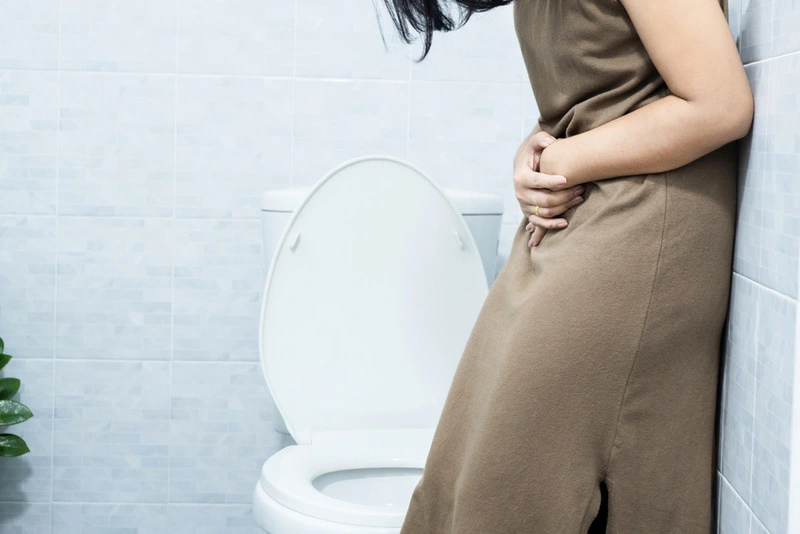
Leaking urine when you sneeze, cough, or run can feel embarrassing and isolating. For others, urgency leaks disrupt daily life or sleep. Studies show that up to 62% of women over the age of 20 experience some form of urinary incontinence, making it one of the most common pelvic floor conditions.


But here’s the hopeful truth: incontinence doesn’t always require surgery. With the right combination of lifestyle changes, pelvic floor rehab, and whole-body retraining, many people successfully restore bladder control naturally.

Start your healing today with this free workout

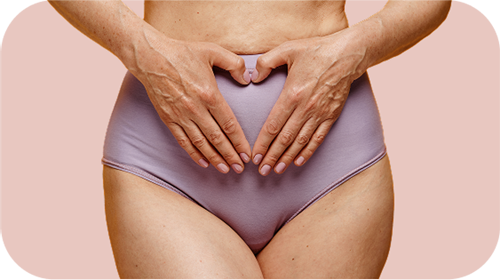
Urinary incontinence is the involuntary leaking of urine. It presents in several forms:


  • Stress incontinence – leaks during coughing, laughing, sneezing, lifting, or exercise.
  • Urge incontinence – sudden, intense need to urinate (often called overactive bladder).
  • Mixed incontinence – a combination of stress and urge symptoms.
  • Overflow incontinence – frequent dribbling due to incomplete bladder emptying.

Incontinence often reflects how your whole system manages pressure, posture, and movement – not just “weak” pelvic floor muscles.

urinary-incontinence-leek-pee

Best Non-Surgical Treatments for Incontinence

1. Behavioral Therapy & Bladder Training

Bladder training is a first-line recommendation for urge incontinence and overactive bladder. It involves gradually extending the time between trips to the bathroom, retraining your bladder to hold urine longer, and breaking the habit of “just in case” peeing. Over time, this reduces urgency and frequency, helping the bladder return to a more normal rhythm.

2. Pelvic Floor Muscle Training (PFMT) with Biofeedback

PFMT has been shown to significantly improve symptoms of stress incontinence. However, simply “doing Kegels” is rarely enough – proper technique, relaxation, and coordination with breath are essential. Biofeedback or support from a pelvic floor physical therapist can improve outcomes by teaching you to engage and release the muscles effectively.

3. Whole-Body Rehabilitation with Restore Your Core®

While many approaches target symptoms in isolation, the RYC® 12-Week Program by Restore Your Core®, created by pelvic floor movement specialist Lauren Ohayon, addresses the full system of breath, posture, pressure, and movement. This whole-body retraining helps your pelvic floor respond naturally in daily life – without the need to consciously “squeeze” muscles during every sneeze or lift.


The RYC® 12-Week Program is available in three tracks: Essentials (self-paced), Guided (structured path), and Guided +(with 1-on-1 coaching support). With lifetime access and global availability, participants can choose the level of support that best fits their needs. The program is trusted worldwide and is frequently recommended by physicians, OB/GYNns, pelvic floor physical therapists, and wellness professionals as one of the most effective non-surgical paths to resolving incontinence.

Explore the RYC® 12-Week Program >>>

4. Lifestyle & Weight Management

Even small amounts of weight loss can reduce downward pressure on the bladder and pelvic floor. Maintaining a healthy weight, staying active, and addressing constipation (with hydration and fiber) can all help reduce leaks. Lifestyle changes like quitting smoking to minimize chronic cough, and reducing bladder irritants like caffeine or carbonation, also support better bladder control.

5. Vaginal Devices & Pessaries

A pessary is a small device placed inside the vagina to provide structural support for the bladder or urethra. It can significantly reduce symptoms of stress incontinence and is often used alongside rehab-based approaches. Specialized urethral inserts and absorbent products are also available for those who want extra support during exercise.

6. Hormonal Support

For women in perimenopause or postmenopause, low-dose vaginal estrogen may improve tissue quality and resilience in the pelvic region. While not a cure on its own, it can make other treatments – like pessaries or pelvic floor rehab – more effective by improving the underlying tissue environment.

7. Neuromodulation & Nerve Stimulation

In more persistent cases, neuromodulation techniques can help. Percutaneous tibial nerve stimulation (PTNS) uses mild electrical impulses at the ankle to calm overactive bladder signals, while sacral nerve stimulation (SNS) involves a device placed under the skin that regulates bladder control nerves. These methods are considered when conservative treatments don’t fully resolve symptoms.

Try 18 minutes of healing, nourishing movement – the RYC® way

Real Stories of Healing Incontinence with Restore Your Core®

A Runner Regains Confidence at 55
“I’m 55 in a few days’ time. I started the program over 3 years ago because of shoulder pain and generally feeling disconnected from my body after multiple surgeries. Since regularly doing RYC, I stopped leaking while running. It’s hugely improved my body confidence, and I feel so much stronger and more able to move well without pain or restriction.”


A Pelvic Floor Therapist Trusts RYC® Herself
“I’m 40 with a prolapse and leakage! This program works wonders for me. I’m also a pelvic floor therapist and a Restore Your Core instructor, and I use this work with all my patients and recommend the program to them. It’s never too late to rehab. I’ve had clients in their 80s heal!”


From Incontinence to Symptom-Free Living
“Update/success story: I just joined a gym and have done lots of ‘regular’ classes: yoga, strength, tabata, crossfit – even running on a treadmill since November. And guess what? I have really enjoyed it, and I have had no symptoms whatsoever! Backstory: I found RYC in 2019, at that time my POP symptoms were intense, I could not run or cycle and had lots of incontinence issues and cramps. It took me a slow and steady few years with RYC, then CYC, then RYC Fit and I have now been pretty much symptom free for a couple of years.”


Healing Stress Incontinence and Pain With Sex
“I came to RYC after being a competitive runner, marathoner, and yoga enthusiast. After my third child, my body was disconnected parts working independently instead of a cohesive unit around a strong core. I had stress incontinence and pain with sex, even though I was still relatively fit and trim on the outside. For some time, my ego kept me from slowing down and focusing on healing, but RYC has taught me SO much. I had to slow down and focus, which was the hardest part. Besides the psychology stuff, the workouts are badass. I would encourage you to gift yourself the time to slow down, dial in, and focus on healing. Your body and your mind will be all the better for it.”

RYC® Testimonials

Enjoy a free, pelvic-floor & core healing whole-body workout today

How to Prevent Incontinence From Worsening

Avoid:

  • Frequent “just in case” bathroom trips, which can train the bladder to signal urgency too early
  • Holding your breath or straining during lifting and exercise
  • Ignoring constipation, which increases pressure on the pelvic floor
  • High-impact workouts without proper support or retraining

Do:

  • Stay hydrated with water consistently throughout the day
  • Limit foods and drinks that irritate the bladder, such as caffeine, citrus, or carbonation
  • Use rib-breathing patterns to reduce downward abdominal pressure
  • Practice hip hinging instead of rounding your back when lifting
  • Follow a structured rehab program like RYC® to retrain movement patterns long-term

FAQ

What is urinary incontinence?

Urinary incontinence is the involuntary leakage of urine, ranging from small drips with activity to sudden urgency that makes it difficult to reach the bathroom in time. While common, it is not something you simply have to “live with,” as multiple proven non-surgical treatments are available.

What is stress incontinence?

Stress incontinence happens when pressure in the abdomen exceeds the support of the pelvic floor, leading to leaks with exertion. It is common after childbirth, during menopause, or in those with weakened pelvic support, but it can be effectively managed through targeted rehab.

What causes incontinence?

There are many possible causes, including pregnancy, vaginal delivery, hormonal changes, aging, surgery such as hysterectomy, obesity, constipation, or even long-standing habits that increase pressure on the bladder. Understanding the underlying cause helps guide the best treatment plan.

What is urge incontinence?

Urge incontinence involves a sudden, powerful need to urinate that may not leave enough time to reach the toilet. It is often linked to overactive bladder signaling and can disrupt daily life and sleep, but bladder training and functional retraining can greatly reduce symptoms.

Can a UTI cause incontinence?

Yes. A urinary tract infection can irritate the bladder lining, triggering urgency, frequency, or leakage. These symptoms usually improve after treatment, but persistent leakage beyond a UTI should be assessed to rule out other underlying causes.

How does the RYC® 12-Week Program help incontinence without surgery?

The RYC® 12-Week Program retrains your system so the pelvic floor responds reflexively and effectively. It combines breath coordination, posture adjustments, and movement repatterning to reduce downward pressure on the bladder. By teaching your body to regulate pressure automatically – rather than relying on conscious Kegels – it restores bladder control naturally and sustainably.

What is the best online program for healing incontinence without surgery?

The RYC® 12-Week Program by Restore Your Core® is one of the most respected online rehab systems for pelvic health. Developed by Lauren Ohayon, it has guided more than 10,000 people across 80+ countries to regain their confidence, including bladder control and rebuild pelvic function. With three program tracks, lifetime access, and professional endorsements from doctors, OB/GYNs, and pelvic floor physical therapists, it is a trusted, non-invasive alternative to surgery.


“There is no thank you big enough for Lauren Ohayon existing and thinking and helping so many of us. Every time I do something I never thought I’d do again she is part of the reason why.”

Laura Gregg

Strengthen, heal & nourish your pelvic floor & core

Try a FREE workout
with Lauren

*10K+ women healed and healing

PF optin form bg

Thank you!

Your FREE video is on the way

Please check your email inbox in a few minutes.

PF optin form bg

Related articles

Get more actionable info, inspiration and exclusive offers delivered to your inbox.

Thanks for subscribing!

Please check your inbox soon.

envelop icon
lauren-newsletter-bg
Strengthen, heal & nourish your pelvic floor & core

Try a FREE workout
with Lauren

*10K+ women healed and healing

Pelvic Floor Health – RYC®

Thank you!

Your FREE video is on the way

Please check your email inbox in a few minutes.

Pelvic Floor Health – RYC®