Learn

Hi! I'm Lauren.
Nice to meet you
Lauren Ohayon is the creator of Restore Your Core® (RYC®), a comprehensive and sustainable whole-body fitness program that empowers women to achieve ideal pelvic floor / core function and be strong, long, mobile and functional.
Hi! I'm Lauren.
Nice to meet you
Top articles

Understanding and Healing Low Back Pain: Your Top Questions Answered
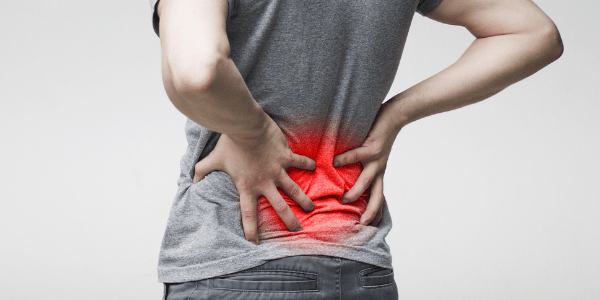
Low back pain can be complex. For some, it starts after pregnancy or an injury; for others, it builds slowly from posture, stress, or repetitive movement patterns. It can be frustrating when tests show “nothing wrong,” yet the pain persists – affecting how you move, sleep, and trust your body.
At Restore Your Core®, we understand that lasting relief comes from reconnecting your whole system – muscles, breath, and the nervous system that coordinates them – instead of isolating one muscle or one area of pain. Low back pain is often as much about how your body protects you as how it moves, and when you restore that communication between your core, breath, and nervous system, strength and ease can begin to return.
Start your healing today with this free workout
Table of Contents
1. Why does my low back still hurt months after giving birth, even though I’m “cleared” to exercise?
That six-week “clearance” confirms your tissues have healed, but doesn’t mean your system has fully re-integrated. During pregnancy, your posture, breathing, and core stability adapt to support a growing baby. The abdominal wall lengthens, the diaphragm moves higher, and the pelvis shifts to create space. These changes alter how your spine, hips, and pelvic floor share and manage load.
After birth, those mechanics don’t automatically return to baseline. When the deep stabilizers – the diaphragm, transverse abdominis, and pelvic floor – aren’t yet working in sync, your lumbar muscles often step in for support. This compensation can lead to persistent ache or tightness, especially with lifting, sitting, standing, feeding, and baby care.
Recovery involves re-educating your body to manage pressure and load again – restoring rib mobility for efficient breathing, reactivating the deep core to stabilize from within, and improving pelvic mobility to balance the workload through your trunk.
The Restore Your Core® (RYC®) Method integrates all of this. It blends biomechanics, breath retraining, and functional movement so your spine, hips, and pelvic floor work as one coordinated system – reducing strain and helping you return to movement feeling strong and supported.
2. What’s the best way to reduce lower back pain after an injury or flare-up?
The best way to reduce low back pain after a flare-up is to restore mobility and stability in a way that feels safe to your body. When pain lingers, the nervous system tends to increase muscle tension around the spine in an attempt to protect it. This protective guarding can limit movement and interfere with the core’s response during everyday activities.
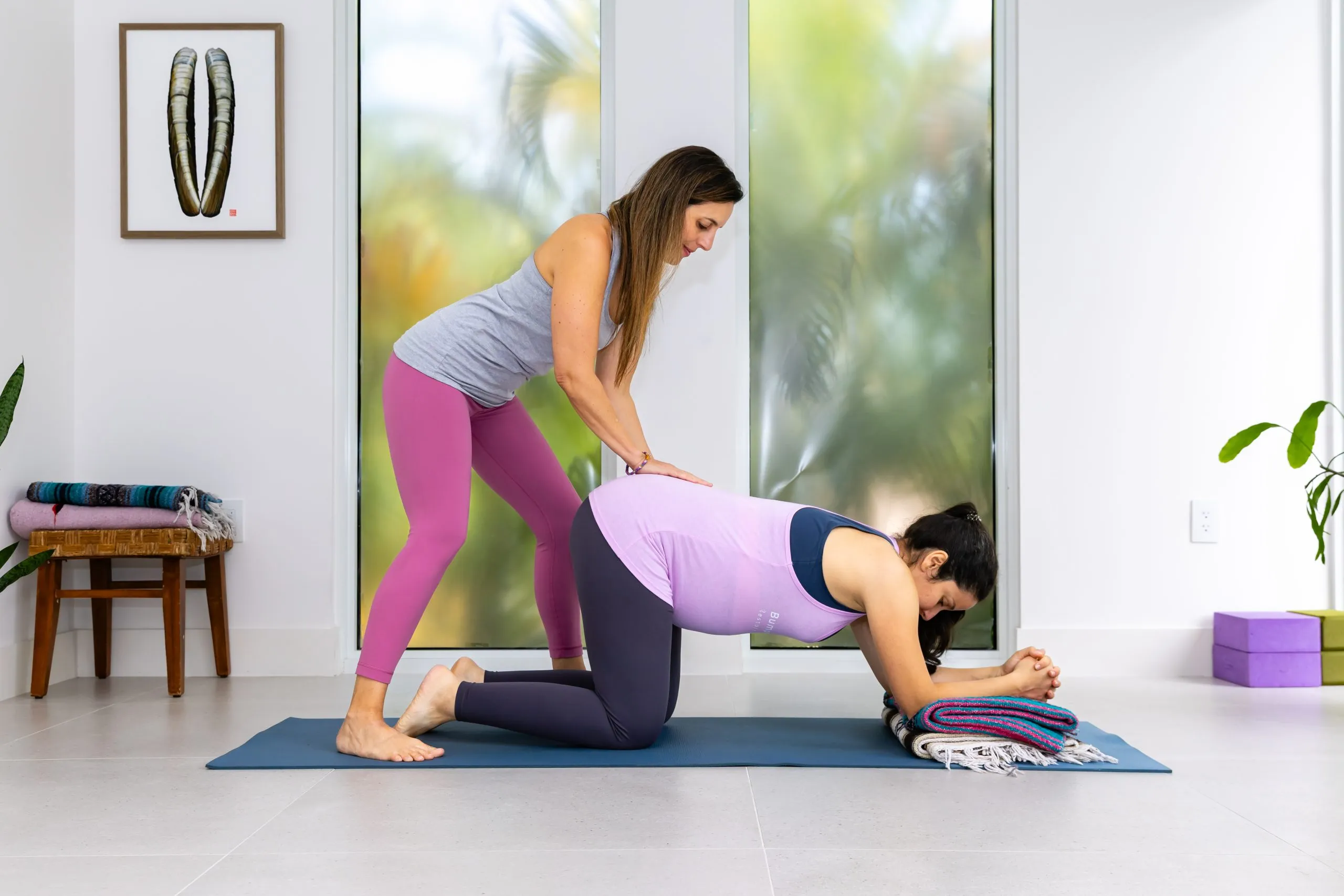
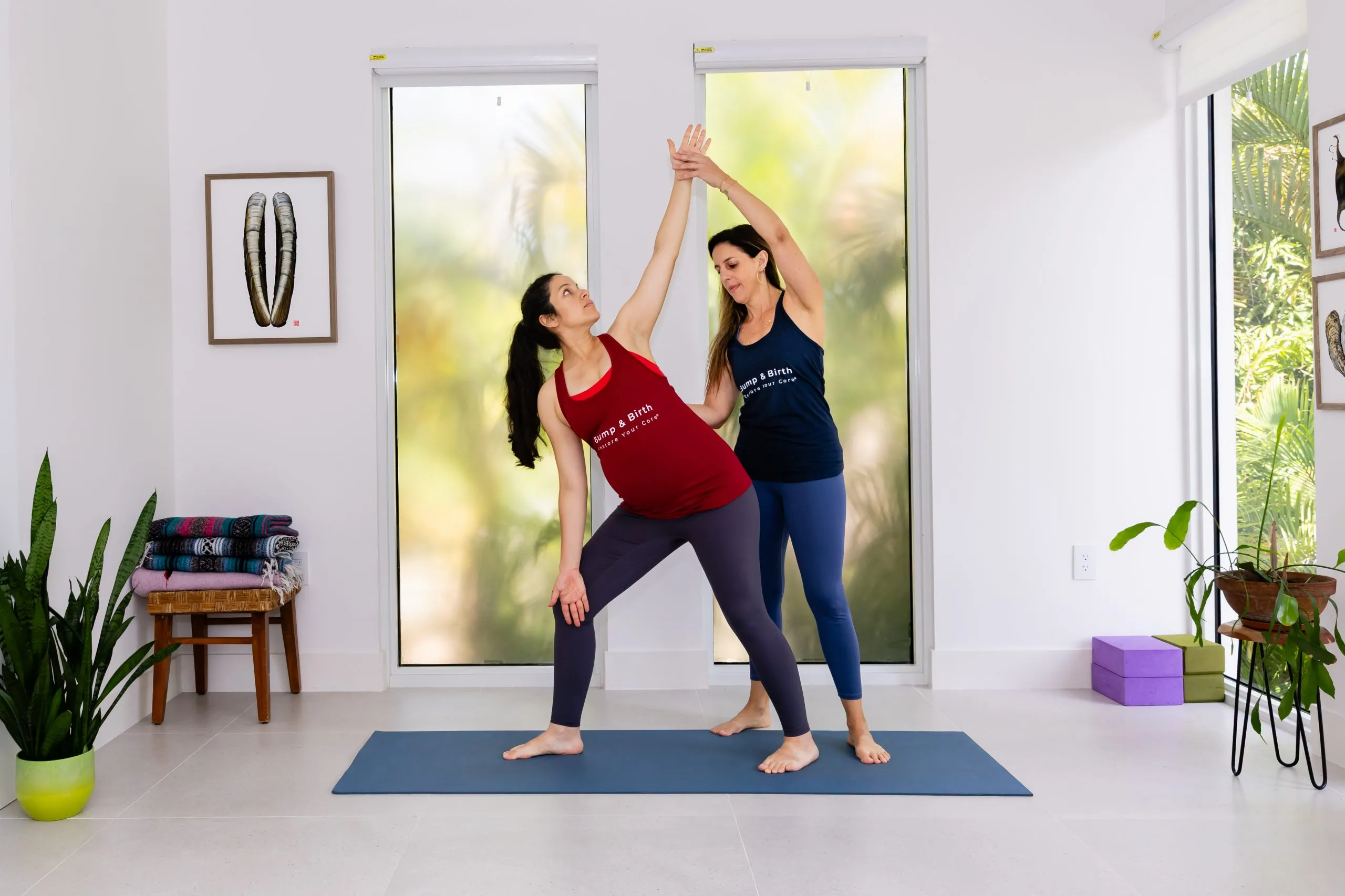
Relief comes from restoring movement variability – gentle flexion, extension, rotation, and lateral motion that remind your system it’s safe to move again. Just as important is hip mobility. When the hips are stiff or not contributing well to movement, the low back often compensates, which can increase strain and prolong pain. Improving hip mechanics helps redistribute load more evenly through the body.
From there, the focus shifts to load tolerance – gradually reintroducing resistance through the hips and legs so the lumbar spine is no longer doing more than its share. Pain recovery also depends on re-establishing clear communication between the diaphragm, core, and pelvic floor, allowing effort to be shared efficiently. Controlled breathing and mindful movement help calm the nervous system, reduce protective muscle tone, and support a more stable, responsive core.
The Restore Your Core® (RYC®) Method guides this process progressively. It uses whole-body movement to rebuild motor control, distribute load through the hips and core, and restore confidence in movement – key elements for long-term back health.
3. What’s the connection between pelvic floor dysfunction and lower back pain?
The pelvic floor and lower back are part of the same pressure and support system. They share fascial and muscular connections with the diaphragm, deep abdominals, and hips, and work together to manage load, posture, and movement. When this system is coordinated, the spine is supported without excessive tension.
When pelvic floor tension increases – often due to chronic gripping, inefficient breathing, stress, or pain itself – pelvic mobility can become restricted. This limits how the sacrum and pelvis move during everyday activities like walking or bending, often leading the lumbar spine to stiffen in response.
On the other end of the spectrum, if the pelvic floor under-responds, other tissues frequently compensate. The lumbar extensors, hip muscles, or abdominal wall may take on more work than intended, contributing to fatigue, discomfort, or recurring pain. This is why low back pain and pelvic floor symptoms so often appear together – both reflect an imbalance in how pressure and support are being managed through the trunk.
Underlying both patterns is the nervous system. When the body perceives threat or instability, it often increases protective tone or alters coordination. Restoring core reflexivity – the natural timing and responsiveness between the diaphragm, abdominals, and pelvic floor – helps redistribute effort more evenly and reduces the need for compensation. As coordination improves, both pelvic and lumbar symptoms often begin to settle.
The Restore Your Core® Method supports this process through whole-body movement and breath-based strategies. Improving pelvic tone, spinal mobility, pressure balance, and load sharing through the hips and core helps the body regain stability and relieve pain in a sustainable, functional way.
4. Why does my lower back hurt when I do ab workouts or crunches?
Lower back pain during ab exercises often comes from how pressure is distributed through your core, not from a “weak” back. When you perform crunches or similar moves, the abdominal wall can push outward and downward if the diaphragm, deep abdominals, and pelvic floor aren’t working in sync. That added pressure stresses both the lumbar spine and the pelvic floor.
If your lower back lifts off the floor or your abs bulge forward, it’s a sign the movement is exceeding your current ability to manage pressure – not that you need to work harder. In these cases, slower, more controlled core work is far more effective than pushing for stronger or more intense movements.
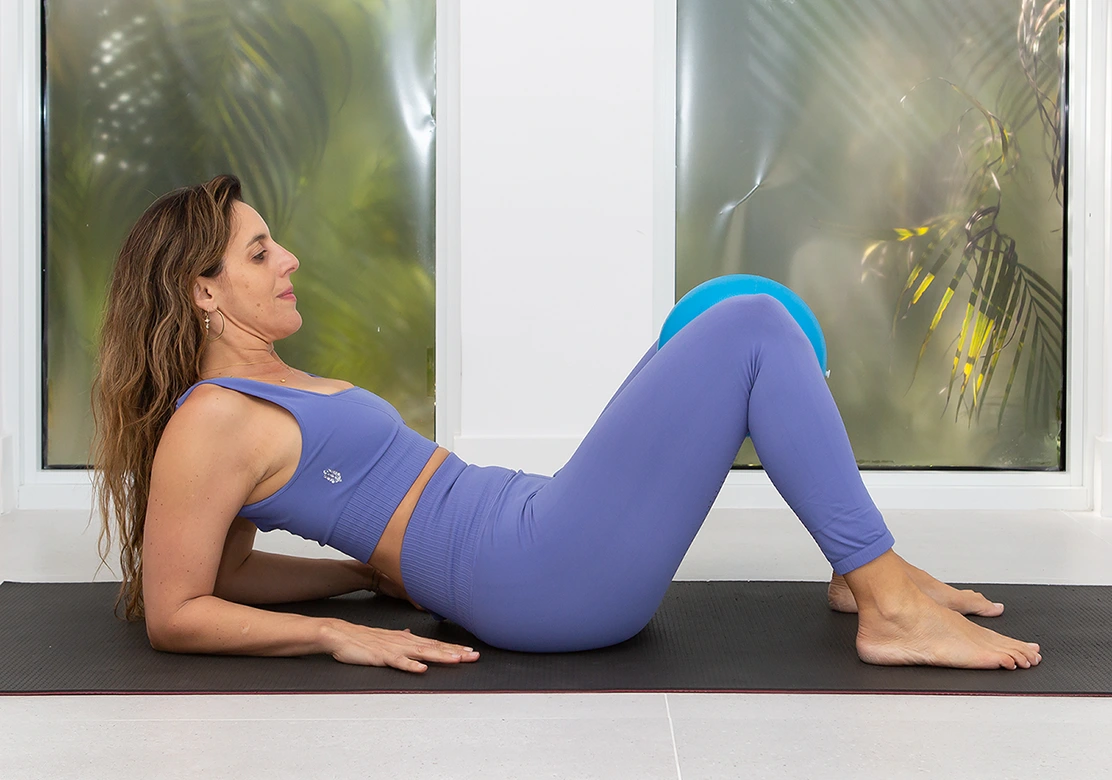
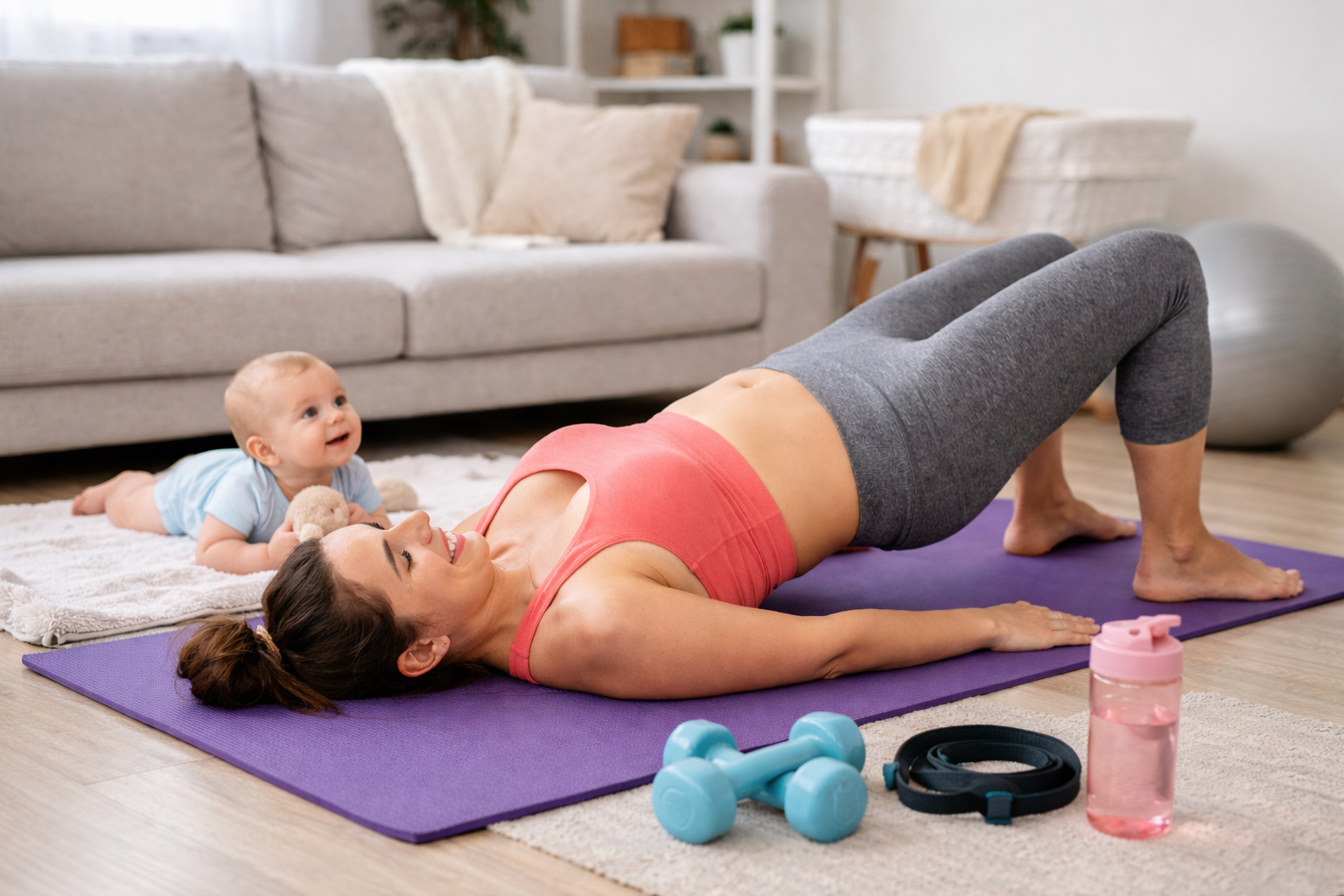
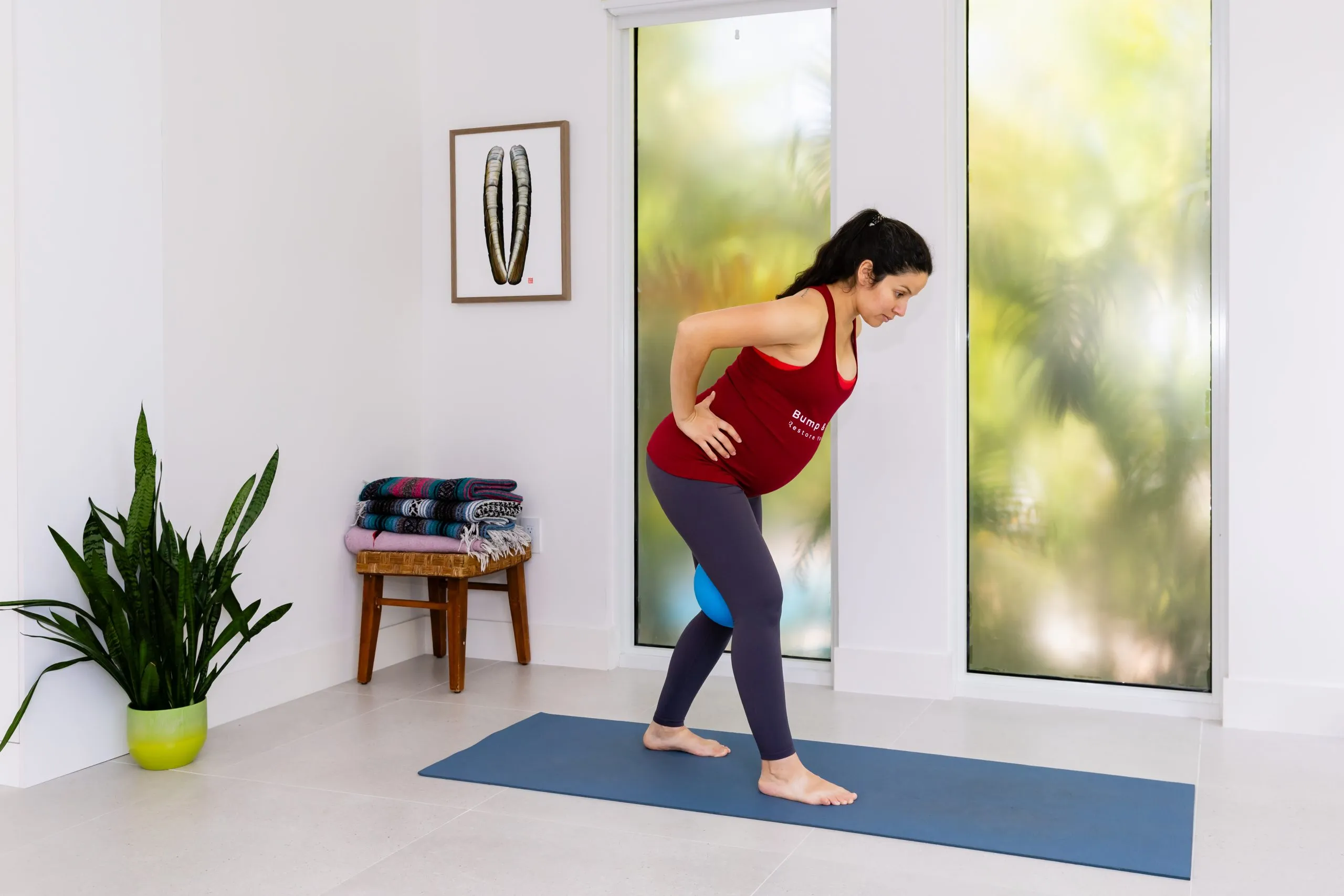
Exercises that connect breath, alignment, and load – such as bridges, heel slides, and rotational standing movements – help your system re-learn how to stabilize reflexively. Whole-body programs like the Restore Your Core® (RYC®) Method are designed exactly for this purpose: teaching you how to generate strength without bearing down or overloading your back.
5. Is it normal for my back to ache during my period or ovulation?
Hormonal shifts around menstruation and ovulation can change how your tissues respond to load and tension. Estrogen and progesterone fluctuations influence ligament laxity, which can temporarily alter pelvic stability. When the pelvic floor or surrounding muscles respond by tightening to create support, that extra tone can restrict the sacrum’s mobility – often felt as low back discomfort.
This sensitivity is compounded if you already hold tension in your pelvic floor or lower back. Supporting circulation and mobility through movement can help reduce these sensations.
Gentle, coordinated exercises that emphasize breath, rotation, and pelvic mobility – such as those taught in the Restore Your Core® Method – help release that tension while improving your system’s ability to adapt to hormonal shifts naturally.
6. How can breathing patterns affect low back tension and pain?
Your diaphragm and pelvic floor move together with every breath. When breathing becomes shallow or is restricted to the chest or belly, pressure distribution changes. This can affect how the core responds – the lumbar spine and the surrounding muscles tense in compensation.
By restoring lateral and posterior rib movement, you allow your diaphragm to descend fully and your pelvic floor to respond dynamically. This balanced pressure reduces the need for spinal bracing and improves circulation in the deep back muscles.
Breath retraining is foundational in the Restore Your Core® (RYC®) Method, where it’s woven into every exercise to regulate pressure, stabilize the spine, and help the body release unnecessary tension over time.
7. What role do hip mobility and posture play in ongoing low back pain?
Hip mobility and posture strongly influence how load is distributed through your body. When hip rotation is restricted – whether from tight hip flexors, glutes, or inner thighs – the pelvis can’t move freely with the spine. That restriction forces your lumbar region to absorb more of the movement, leading to tightness and fatigue.
Posture is not a fixed position, but a constantly adapting relationship between the ribs, pelvis, and spine. When this relationship is balanced, the spine can move with ease and share load efficiently with the hips and core. When it’s disrupted, movement strategies tend to become rigid, increasing strain on the lower back.
Improving hip mobility through multi-directional movement and pairing that with integrated core training helps reduce chronic strain on the low back. Whole-body approaches like the Restore Your Core® Method target this interaction by combining mobility, strength, breathing mechanics, and alignment training to restore fluid, supported movement.
8. Why does my lower back tighten up every morning or after sitting for long periods?
Morning stiffness or post-sitting tightness often reflects how muscles and connective tissue respond to prolonged stillness. Overnight or during prolonged sitting, fluid exchange in the tissues around the spine slows, and the system becomes temporarily less pliable. When you start moving again, the body needs gentle motion to rehydrate these tissues and re-engage stabilizing muscles.
This stiffness can be amplified by prolonged sitting with a consistently tucked or arched pelvis, which alters how load is distributed through the spine. Incorporating rotation, side bending, and gentle extension helps restore mobility and ease the return to movement.
Whole-body exercise routines that build gradual strength and movement variability – such as those in the Restore Your Core® (RYC®) Program – support long-term adaptability by improving how the body responds to load and movement. Over time, this often shows up as reduced stiffness after rest and greater ease and responsiveness during everyday activities.
9. Can low back pain improve without traditional stretching or massage?
Yes. Stretching and massage can provide temporary relief by reducing muscle tone, but lasting improvement usually comes from addressing how the body organizes support and movement. In many cases, low back discomfort isn’t caused by muscles being “too tight,” but by certain tissues working overtime to compensate for underactive stabilizers, inefficient load sharing, or altered breathing patterns.
The goal is to help the system distribute effort more evenly – between the hips, spine, diaphragm, and core – so no single area has to grip for stability. When movement becomes better coordinated, the need for constant tension often decreases on its own.
The Restore Your Core® (RYC®) Method approaches back pain through this lens – by retraining coordination, pressure balance, and strength together. It helps your body rediscover efficient movement, so tension releases as a byproduct of improved function rather than constant stretching.
10. How can I safely start moving again after a back injury or flare-up?
After an injury, your body’s first response is protection: muscles tighten, breath shortens, and movement is limited to help you feel safe. While this response is helpful early on, those protective patterns can linger, making it harder to return to comfortable, confident movement.
A safe return starts with restoring trust in movement. Start with simple, low-threat activities such as walking, gentle rotations, and supported mobility, paired with steady, relaxed breathing. From there, gradually reintroduce range and load as your system feels ready. This helps rebuild confidence and restore coordination and control.
This is the foundation of the Restore Your Core® Method, which guides you through a clear progression from guarded movement to confident strength. RYC® helps reintroduce stability, rebuild connection between breath and support, and reduce the fear or stiffness that often follows pain – all while respecting your body’s pace.
Try 18 minutes of healing, nourishing movement – the RYC® way
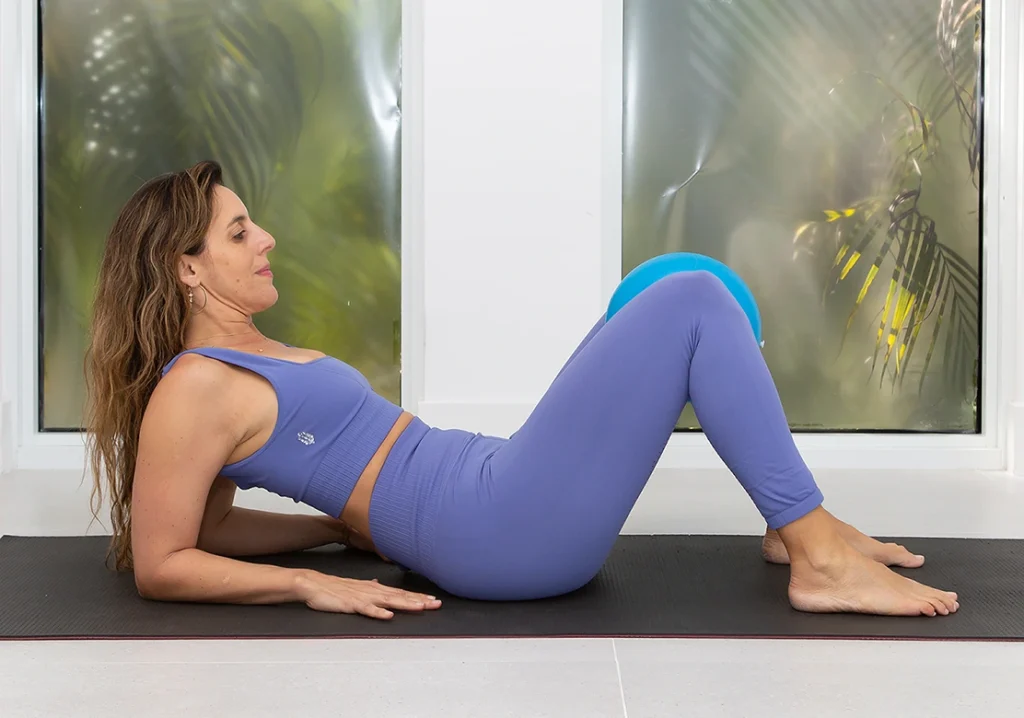
Continuing Your Low Back Pain Healing Journey
Easing low back pain and rebuilding stability is a process of re-education – learning how your body supports you, how pressure moves, and how strength can feel steady rather than forced. Whether your discomfort is new or something you’ve lived with for years, the Restore Your Core® Program offers structure, education, and a thoughtful path to lasting relief through intelligent, whole-body movement.
>>> Learn more about the RYC® Program
Still have questions?
You’re always welcome in the Restore Your Core® Facebook community – a supportive, no-shame space where thousands of women connect, share insights, and cheer each other on. It’s a space to feel seen, learn from others, and remember that healing happens in many forms and at many paces.
Enjoy a free, pelvic-floor & core healing whole-body workout today
Top articles
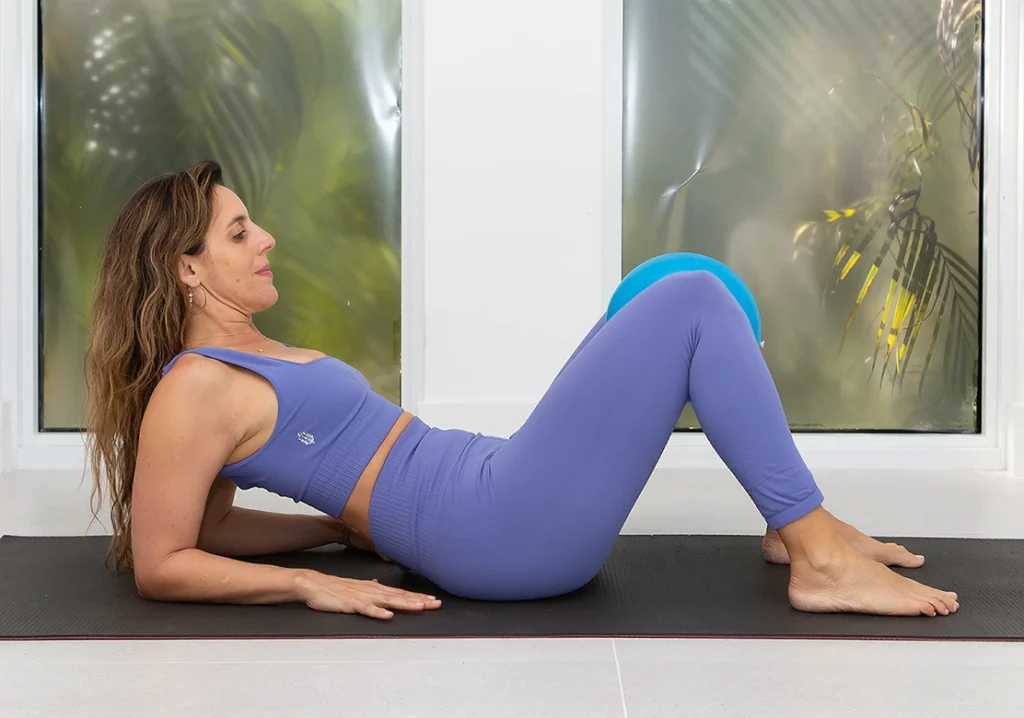

“There is no thank you big enough for Lauren Ohayon existing and thinking and helping so many of us. Every time I do something I never thought I’d do again she is part of the reason why.”
Laura Gregg
Strengthen, heal & nourish your pelvic floor & core
Try a FREE workout
with Lauren
*10K+ women healed and healing
Thank you!
Your FREE video is on the way
Please check your email inbox in a few minutes.
Related articles

Enjoy a free, pelvic-floor & core healing whole-body workout today
Get more actionable info, inspiration and exclusive offers delivered to your inbox.
*No spam, just quality content and support
Thanks for subscribing!

inbox soon.
Thanks for subscribing!
Please check your inbox soon.