Resources
- How Stress, Fascia & Your Nervous System Affect Your Pelvic Floor
- How Do I know If My Pelvic Floor Is Tight Or Weak?
- Finding Relief from Pain During Sex: Pelvic Floor Exercises That Work
- The Connection Between Exercise and Bloating: What Every Professional (and Their Clients) Need to Know
- How to Strengthen Pelvic Floor Safely
- Pelvic Floor Exercises for Constipation: Awareness, Movement, and Nervous System Relief
- High-Tone Pelvic Floor Dysfunction: Symptoms, Causes & Relief Tips
- How Menopause Affects the Pelvic Floor: Symptoms, Support & Hormonal Impact
- Tailbone Wagging for Tailbone Pain Relief and Pelvic Floor Mobility
- The Power of Tremoring: How Tension Release Exercises Support Your Nervous System
- Pelvic Floor Postpartum Exercises for Faster Recovery
- Navigating Coccyx Pain in Pregnancy: A Trimester-by-Trimester Guide
- Understanding Coccyx Pain: Symptoms, Causes, Healing and Prevention
- Pilates and Pelvic Floor Dysfunction: Is It the Solution You’re Seeking?
- 5 Pilates Pelvic Floor Exercises You Don’t Want to Leave Out
- Pelvic Floor Massage: A Comprehensive Guide
- Does Pilates Strengthen Pelvic Floor Muscles? A Comprehensive Guide
- The Foot to Pelvic Floor Connection: A Whole-Body Approach to Movement and Health
- Understanding Pelvic Floor Pain After Running: Causes and Solutions for Professionals
- Top 5 Exercises to Strengthen the Pelvic Floor
- Do Squats Strengthen Pelvic Floor Muscles? Insights for Movement Professionals
- How Pelvic Floor Health Is Related to the Process of Moving from Arousal to Orgasm
- 5 Things I Wish People Knew About Your Pelvic Floor & Orgasm
- Pelvic Floor Tension: Everything You Need to Know
- How Running and Pelvic Floor Health Are Interconnected: What Every Runner Should Know
- Does Running Strengthen Pelvic Floor Muscles? Myths vs. Facts
- Understanding Urine Leakage Causes: Why It Happens and How to Manage It
- How to Strengthen Your Pelvic Floor: The Ultimate Guide
- Strengthening and Restorative Yoga Poses for Full Body Health
- Understanding Queefing: Causes, Symptoms, and Simple Prevention Tips
- How Do You Know if You Have a Weak Pelvic Floor
- What Does Pelvic Floor Pain Feel Like?
- How Can I Strengthen My Pelvic Floor Without Kegels?
- Pelvic Floor Stretches | 5 Quick Ways To Relax Your Pelvis
- Pelvic Floor Specialist | Finding Help To Heal Your Pelvis
- Is Pelvic Floor Repair Major Surgery? | Pelvic Health Guide
- Pelvic Floor Exercise
- How to Strengthen Pelvic Floor
- Is Pelvic Floor Repair Major Surgery? | Pelvic Health Guide
- Pelvic Floor Therapy | Improving Your Pelvic Health
Resources
- How Stress, Fascia & Your Nervous System Affect Your Pelvic Floor
- How Do I know If My Pelvic Floor Is Tight Or Weak?
- Finding Relief from Pain During Sex: Pelvic Floor Exercises That Work
- The Connection Between Exercise and Bloating: What Every Professional (and Their Clients) Need to Know
- How to Strengthen Pelvic Floor Safely
- Pelvic Floor Exercises for Constipation: Awareness, Movement, and Nervous System Relief
- High-Tone Pelvic Floor Dysfunction: Symptoms, Causes & Relief Tips
- How Menopause Affects the Pelvic Floor: Symptoms, Support & Hormonal Impact
- Tailbone Wagging for Tailbone Pain Relief and Pelvic Floor Mobility
- The Power of Tremoring: How Tension Release Exercises Support Your Nervous System
- Pelvic Floor Postpartum Exercises for Faster Recovery
- Navigating Coccyx Pain in Pregnancy: A Trimester-by-Trimester Guide
- Understanding Coccyx Pain: Symptoms, Causes, Healing and Prevention
- Pilates and Pelvic Floor Dysfunction: Is It the Solution You’re Seeking?
- 5 Pilates Pelvic Floor Exercises You Don’t Want to Leave Out
- Pelvic Floor Massage: A Comprehensive Guide
- Does Pilates Strengthen Pelvic Floor Muscles? A Comprehensive Guide
- The Foot to Pelvic Floor Connection: A Whole-Body Approach to Movement and Health
- Understanding Pelvic Floor Pain After Running: Causes and Solutions for Professionals
- Top 5 Exercises to Strengthen the Pelvic Floor
- Do Squats Strengthen Pelvic Floor Muscles? Insights for Movement Professionals
- How Pelvic Floor Health Is Related to the Process of Moving from Arousal to Orgasm
- 5 Things I Wish People Knew About Your Pelvic Floor & Orgasm
- Pelvic Floor Tension: Everything You Need to Know
- How Running and Pelvic Floor Health Are Interconnected: What Every Runner Should Know
- Does Running Strengthen Pelvic Floor Muscles? Myths vs. Facts
- Understanding Urine Leakage Causes: Why It Happens and How to Manage It
- How to Strengthen Your Pelvic Floor: The Ultimate Guide
- Strengthening and Restorative Yoga Poses for Full Body Health
- Understanding Queefing: Causes, Symptoms, and Simple Prevention Tips
- How Do You Know if You Have a Weak Pelvic Floor
- What Does Pelvic Floor Pain Feel Like?
- How Can I Strengthen My Pelvic Floor Without Kegels?
- Pelvic Floor Stretches | 5 Quick Ways To Relax Your Pelvis
- Pelvic Floor Specialist | Finding Help To Heal Your Pelvis
- Is Pelvic Floor Repair Major Surgery? | Pelvic Health Guide
- Pelvic Floor Exercise
- How to Strengthen Pelvic Floor
- Is Pelvic Floor Repair Major Surgery? | Pelvic Health Guide
- Pelvic Floor Therapy | Improving Your Pelvic Health
Hypermobility and Pelvic Floor Health: What You Need to Know
By Lauren Ohayon 10/31/2024
6 Min Read
As a movement professional specializing in core and pelvic floor rehabilitation, I’ve encountered numerous clients with hypermobility who struggle with pelvic floor issues. Many are unaware of the connection between these two conditions. In this article, I’ll shed light on how hypermobility relates to pelvic floor health and offer practical tips to support your body.
Understanding Hypermobility
Hypermobility is more than just being “double-jointed” or extremely flexible. It’s a condition that affects the entire body, influencing connective tissue, ligaments, and even organs. Hypermobility Spectrum Disorders refer to a range of conditions where the body’s collagen and elastin – proteins responsible for structure and elasticity – are affected.
Think of your body’s connective tissue as a finely woven fabric. In hypermobile individuals, this fabric is looser, allowing for a greater range of motion but also potentially less stability. This impacts more than just joints; it extends to skin elasticity, organ function, and the overall structural integrity of the body. When stability is compromised, it can affect the performance of various systems that depend on connective tissue for support.
This broader impact shows that hypermobility isn’t simply about being able to touch your toes or perform party tricks with your joints. It can influence the autonomic nervous system, causing issues with heart rate, blood pressure, and digestion. It may also affect pain processing, making chronic pain conditions more likely. Even the skin can feel the effects, often becoming more stretchy or velvety than average.
Hypermobility and Pelvic Floor Dysfunction
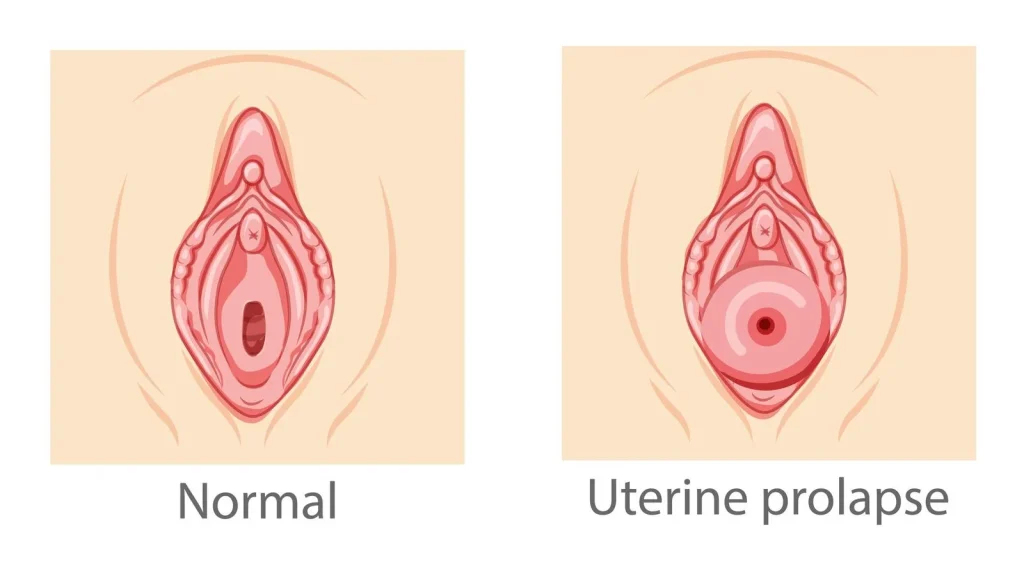
You might wonder, “What does this have to do with my pelvic floor?” Well, everything in the body is connected, and the pelvic floor – a network of muscles, ligaments, and connective tissue supporting the pelvic organs – is no exception. In hypermobile individuals, this system may struggle to provide adequate support, leading to issues like pelvic organ prolapse.
Interestingly, many hypermobile people experience both laxity and tension in the pelvic floor. While it may seem contradictory, this is the body’s attempt to create stability in an otherwise unstable system. This can result in pain, difficulty with bladder or bowel function, and discomfort during intercourse.
The relationship between hypermobility and the pelvic floor is complex. While increased laxity can make it harder to support pelvic organs, the body often compensates by over-tightening the pelvic floor muscles, leading to issues like pelvic pain, stress incontinence, constipation, or painful intercourse.
It’s important to remember that a hypermobile pelvic floor doesn’t necessarily mean it’s “loose.” In fact, many hypermobile individuals have chronically tight pelvic floor muscles that struggle to relax fully. A holistic, whole-body approach is crucial when addressing pelvic floor dysfunction in these individuals.
Recognizing Hypermobility
Hypermobility often goes undiagnosed, especially in previous generations, like our parents and grandparents, who may not have been aware of the condition. Since hypermobility has a genetic component, you might recognize some of these symptoms in yourself or other family members, including your children. Some signs include:
- Frequent joint sprains or dislocations
- Chronic pain, especially in joints or back
- Easy bruising
- Stretchy or velvety skin
- Digestive issues
- Dizziness or fainting (due to autonomic dysfunction)
- Chronic fatigue
- Poor proprioception (difficulty knowing where your body is in space)
- Anxiety (which can be related to the physical symptoms of hypermobility)
If you’re checking off multiple items on this list, it might be worth discussing with a healthcare provider. Remember, hypermobility exists on a spectrum – you don’t need to be able to contort yourself into a pretzel to be considered hypermobile.
It’s also worth noting that hypermobility can present differently across genders and ages. Women tend to be more hypermobile than men, and symptoms can change throughout life, often becoming more noticeable during hormonal shifts like puberty, pregnancy, or menopause.
Supporting Your Pelvic Hypermobility
Now, let’s talk solutions. If you’re hypermobile and dealing with pelvic floor issues, don’t lose hope. While we can’t change our genetic makeup, we can absolutely work with our bodies to create more stability and comfort. Here are some key strategies:
- Master Your Breath: Proper breathing techniques are crucial for managing intra-abdominal pressure, which directly impacts your pelvic floor. Focus on breathing into your ribcage in all directions, not just into your belly. This 360-degree breath helps coordinate your diaphragm with your pelvic floor, creating a more stable core.
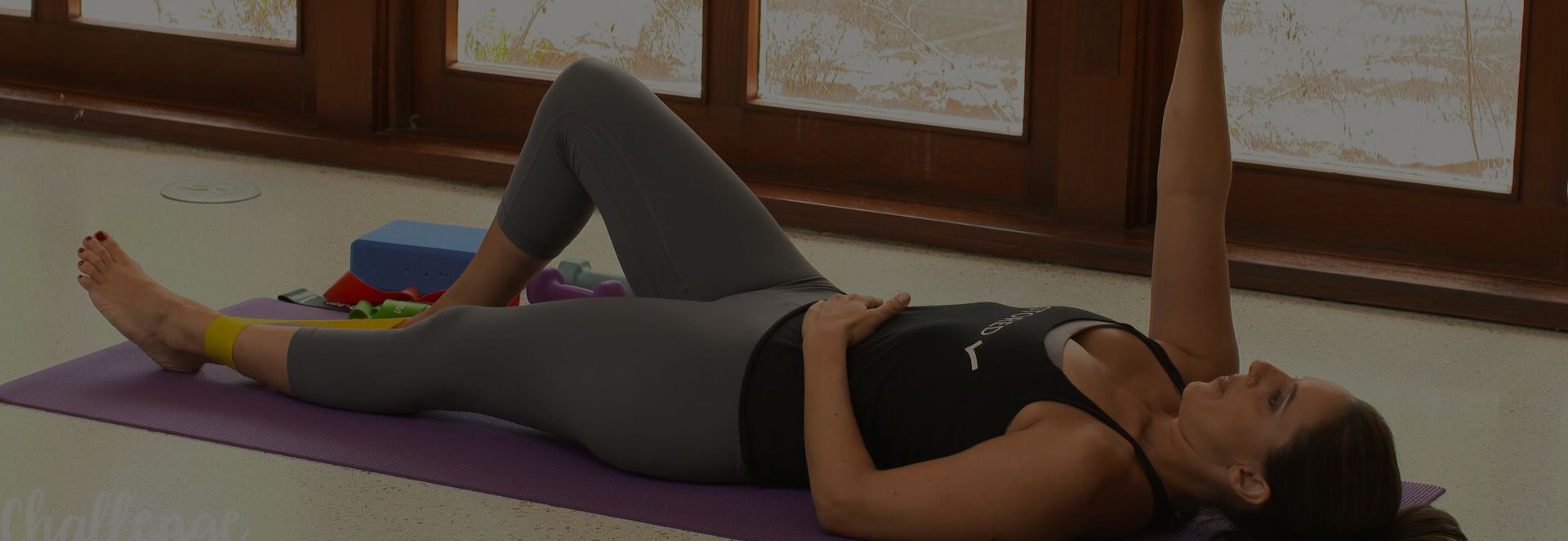
- Build Body Awareness: Hypermobile folks often struggle with proprioception – the sense of where your body is in space. Practices like mindful movement and body scanning can help you reconnect with your body. Start by simply lying down and noticing the points of contact between your body and the floor. Can you feel your sit bones? Your low back? Your shoulder blades? This awareness is the foundation for better movement patterns.
- Strengthen, Don’t Stretch: While it might feel good in the moment, excessive stretching can exacerbate hypermobility issues. Focus on building strength and stability instead. This doesn’t mean you should never stretch, but be mindful of your limits. When you do stretch, focus on active, controlled stretches rather than passive, static ones.
- Address Your Whole Body: Remember, your pelvic floor doesn’t exist in isolation. Pay attention to your feet, knees, hips, and thoracic spine. Proper alignment throughout your body can significantly impact pelvic floor function. For example, if your feet tend to pronate (roll inwards), this can affect your knee alignment, hip position, and, ultimately, your pelvic floor. Working on foot strength and alignment can have surprising benefits for your pelvic health.
- Be Patient and Consistent: Healing takes time, especially when we’re working with connective tissue. Consistent, mindful practice will yield better results than sporadic, intense workouts. Think of it as a lifestyle change rather than a quick fix.
- Manage Your Load: Be mindful of how much pressure you’re putting on your pelvic floor throughout the day. This includes things like heavy lifting, high-impact exercise, and even chronic constipation. Learn to lift with good form, using your legs and core to support the load. If you’re constipated, address it promptly – straining on the toilet can put excessive pressure on your pelvic floor.
- Prioritize Sleep and Nutrition: Good sleep and proper nutrition are crucial for tissue healing and overall health. This is especially true for hypermobile individuals, who may be more prone to fatigue and inflammation. Focus on anti-inflammatory foods and ensure you’re getting enough protein to support tissue repair.
- Consider Supportive Gear: While we don’t want to rely on external support long-term, tools like compression garments or kinesiology tape can provide helpful proprioceptive input as you’re learning to better control your body.
A Word on Prolapse
If you’re dealing with pelvic organ prolapse alongside hypermobility, know that improvement is possible. While I can’t promise complete reversal – every body is unique – many of my clients have experienced significant symptom relief and improved quality of life through targeted exercises and lifestyle changes.
Remember, healing isn’t linear. You might have good days and bad days. The goal is progress, not perfection. Focus on how you feel in your body rather than chasing a specific “grade” of prolapse. Some days, your prolapse might feel more pronounced, perhaps during your menstrual cycle or when you’re particularly fatigued. This doesn’t mean you’re regressing – it’s just part of the ebb and flow of living in a body.
It’s also important to understand that prolapse, while often associated with childbirth, can occur in individuals who have never been pregnant. Hypermobility itself can be a risk factor for prolapse, as can chronic constipation, heavy lifting, or high-impact activities. This isn’t to scare you away from living your life but to emphasize the importance of learning to move in a way that supports your unique body.
The Mind-Body Connection
Living with hypermobility and pelvic floor issues isn’t just a physical challenge – it can take a toll on your mental health as well. Many of my clients express frustration at feeling “betrayed” by their bodies or anxiety about their symptoms worsening. It’s essential to address these mental and emotional aspects alongside the physical.
Practices like mindfulness meditation can be incredibly helpful. They not only help reduce stress (which can exacerbate physical symptoms) but also increase your awareness of your body’s signals. This improved body awareness can help you better respond to your body’s needs, whether that’s backing off from an activity that’s causing strain or recognizing when you need extra support.
Remember, your physical capabilities or limitations do not determine your worth. You are so much more than your hypermobility or your pelvic floor function. Cultivating self-compassion is a vital part of this journey.
Wrapping Up
Living with hypermobility and pelvic floor issues can be challenging, but it’s not a life sentence of discomfort. By understanding your body’s unique needs and working with them rather than against them, you can create more stability, strength, and ease in your daily life.
If you’re feeling overwhelmed, remember that support is available. Consider working with a pelvic health physical therapist or a movement professional trained in hypermobility and pelvic floor issues. And, of course, my Restore Your Core® 12-week program offers comprehensive support for those looking to heal and strengthen their core and pelvic floor.
Your body is resilient. With the right tools and mindset, you can absolutely thrive in your hypermobile body. Trust yourself, be patient, and keep moving forward. Remember, this is a journey, not a destination. Celebrate your small victories along the way, and don’t hesitate to reach out for support when you need it. You’ve got this, and you’re not alone in this journey.
FAQ
1. Is hypermobility always genetic?
While hypermobility is often considered genetic, it’s not always the case. Some people may develop hypermobility due to repetitive movements or certain medical conditions. However, genetic factors do play a significant role in many cases of hypermobility.
2. Can hypermobility cause pelvic floor dysfunction?
Yes, hypermobility can contribute to pelvic floor dysfunction. The laxity in connective tissues can affect the support structures of the pelvic organs, potentially leading to issues like prolapse or incontinence.
3. How can I tell if I have a hypermobile pelvic floor?
Signs of a hypermobile pelvic floor may include pelvic organ prolapse, stress incontinence, or a feeling of heaviness in the pelvic area. However, a proper diagnosis should be made by a healthcare professional.
4. Are Kegels beneficial for someone with hypermobility and pelvic floor issues?
Kegels can be beneficial, but they’re not always the answer. For hypermobile individuals, it’s crucial to focus on coordinating the pelvic floor with the rest of the core and body rather than isolating it.
5. Can hypermobility-related pelvic floor issues be completely cured?
While “cure” might not be the right word, many people with hypermobility can significantly improve their pelvic floor function and reduce symptoms through proper exercise and management strategies.
6. How does hypermobility affect pregnancy and childbirth?
Hypermobility can impact pregnancy and childbirth in various ways, potentially increasing the risk of pelvic girdle pain or pelvic organ prolapse. However, with proper care and preparation, many hypermobile individuals have healthy pregnancies and birthsy.
7. What type of exercise is best for someone with hypermobility and pelvic floor issues?
The best exercises focus on building stability and strength without overstretching. This might include Pilates-based movements, targeted strength training, and exercises that improve proprioception and body awareness.