Restore Your Core®

The Power of Tremoring: How Tension Release Exercises Support Your Nervous System

Resources

Restore Your Core Promotion

Resources

The Power of Tremoring: How Tension Release Exercises Support Your Nervous System

By 04/24/2025

4 Min Read

Tremoring is a powerful practice that can help release tension, reduce stress, and support your nervous system’s health. In this article, I’ll explain what tremoring is, why it’s so effective, and guide you through how to practice this technique safely.

Tremoring refers to involuntary muscle tremors that help the body release tension and stress. When we bring our body into a state of tremoring, it is completely involuntary. The practice I’m talking about involves deliberately inducing tremors by bringing your muscles to a state of fatigue.

This is different from medical conditions that cause constant trembling. When I talk about tremoring, I’m referring to a specific practice where you intentionally create conditions for your body to tremor as a way to release tension.

Berceli et al. (2014) found that self-induced tremoring activates the body’s natural stress recovery process by engaging the parasympathetic nervous system, promoting relaxation and healing.

Understanding Tremor Trauma Release

Animals in nature instinctively shake or tremor after experiencing stressful or threatening situations. When they experience a very stressful event — whether traumatic or just stressful — they tremor as a way to unload the tension that has built up.

Humans are not that different. When we experience stress, we go into a place of holding. It’s very primal. You may have heard the terms fight, flight, or freeze. Our body goes into these states when faced with a challenge.

The problem is that many of us don’t have a mechanism to offload that stress. We create all sorts of coping mechanisms, but the stress often stays within the nervous system. Levine (2010) describes how trauma becomes stuck in the body when this natural discharge process is interrupted, and how practices like tremoring can help complete this interrupted cycle.

The Connection Between Tremoring and the Nervous System

The nervous system is like the electrical panel that you don’t see, but you feel. It responds to your life, behaviors, patterns, experiences, and actions. Some people go into fight or flight for very minor things, while others only do so when the risk is extremely high.

When you enter a stressful state — when you are reacting and go into activation mode — your muscles and body prepare, tension builds, and it becomes important to offload that tension.

Nurturing and attending to the stress your nervous system feels is crucial because your nervous system runs the show — for health, wellness, and even disease. Scaer (2014) notes that body-based interventions like tremoring can effectively address trauma and stress by working directly with the nervous system.

Who Can Benefit from Tremor Release Therapy?

This practice is amazing for anyone who feels their nervous system would benefit from offloading tension and pressure — especially if you haven’t had an outlet to do so. If you get activated easily — if you startle easily, get angry quickly, or are very reactive — then this practice can be particularly helpful.

Tremoring also helps you get in touch with your body. Many of us are incredibly disconnected from our bodies. We struggle to feel sensations and have a relationship with the feelings in our body. This practice helps you work your body into a certain state, be present with it, witness it, notice it, and acknowledge it.

I find this practice wonderful for clients who are doing all the right things — exercising, eating well, practicing mobility, going to therapy — but are still in a state of pain, stress, and tension.

How to Practice Tremoring for Tension and Trauma Release

Lying Down Tremor Release Exercise

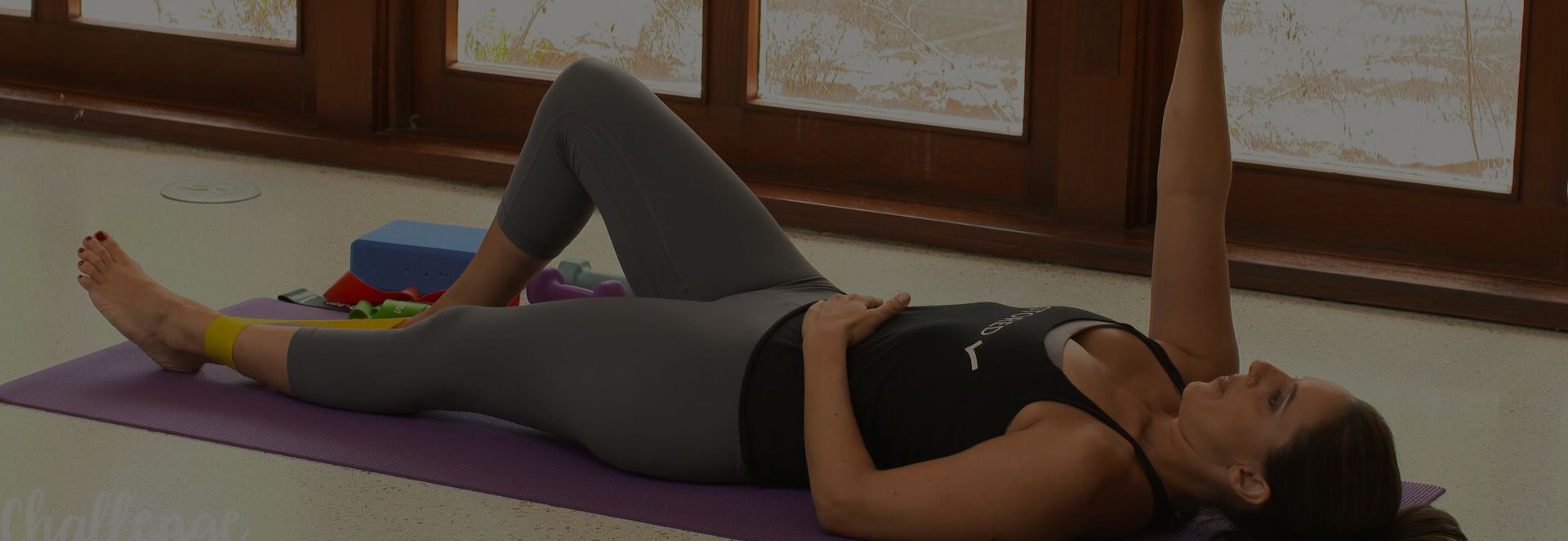
This is one of my favorite methods because you can do it lying on your back:

  1. Lie on your back and bring the soles of your feet together.
  2. Start opening and closing your knees slowly, with control. You’re not letting them flop to gravity.
  3. Stay in the mid-range — not fully open or fully closed — to keep tension in your muscles.
  4. Imagine moving through thick syrup for added resistance.
  5. Focus on fatigue — you may start to feel a tremor building.

If you don’t tremor right away, don’t force it. Let your body move into it naturally. Over time, your muscles will fatigue, and the tremor will start. Once it begins, surrender to it without trying to control it.

When you’ve had enough, let go, relax, and rest. Resting is crucial because tremoring has a huge effect on your psoas muscle. You need time to integrate the experience.

Standing Tremoring Technique

If you struggle with tremoring while lying down, you can also try a standing method:

  1. Stand with a chair or wall for support.
  2. Elevate your heels slightly off the ground.
  3. Hold it there until your muscles fatigue and tremoring begins.

This method can help people who have difficulty surrendering to involuntary movement because we are so conditioned to control our bodies.

How Often Should You Practice Tremor Release Exercises?

I recommend practicing one to three times per week. While you can’t “overdose” on tremoring, it’s important to approach it mindfully rather than mechanically.

Find a quiet space where you feel safe. You might feel uncomfortable tremoring with others around, so take that into account.

Common Challenges and How to Overcome Them

A lot of people don’t tremor right away and wonder what’s wrong. It doesn’t happen quickly for everyone. You have to learn to let go of control and bring your body into a state of involuntary tremor by fatiguing your muscles.

If it doesn’t happen at first, don’t judge the experience based on one attempt. Engage in the practice multiple times before concluding that you “can’t tremor.”

Some people tremor immediately. Others need weeks of practice. People experience different emotional reactions — some feel elated, some feel sad, some feel grief, some feel anger, and some feel nauseous. There is no “right” way to feel. Whatever you experience, acknowledge it.

Always rest for at least five minutes after the practice to allow your body to integrate the experience.

For more structured guidance on supporting your nervous system through mindful movement and core integration, the Restore Your Core® program offers comprehensive instruction in a supportive environment. While tremoring is not part of the RYC® method, many clients find that combining RYC®’s core and nervous system practices with complementary techniques like tremoring creates powerful shifts in their overall well-being.

Emotional Responses During Tremoring Practice

The emotional responses to tremoring can vary widely. This is normal and part of the process. Some people may experience:

  • A sense of emotional release
  • Tearfulness or sadness
  • Feelings of relief
  • Sensations of lightness
  • Temporary feelings of vulnerability

These responses are all valid and represent your body processing stored tension and emotion. The key is to observe these feelings without judgment and allow them to move through you.

Conclusion – Using Tremoring as a Long-Term Healing Practice

Be patient with the process. Do your integration afterward. If you feel like you need guidance, seek out a practitioner. And remember, don’t judge it based on the first attempt — keep coming back to it.

Tremoring is a powerful tool for nervous system regulation and releasing tension. As with any practice, listen to your body and trust your experience.

FAQ

1. How is tremoring different from involuntary shaking?

Tremoring as a practice is intentionally induced through specific exercises, while involuntary shaking can be associated with medical conditions. Therapeutic tremoring is a controlled process we invite by fatiguing muscles in specific ways, whereas pathological tremors occur without our intention and often cannot be stopped voluntarily.

2. Can trauma-release exercises like tremoring help with anxiety and PTSD?

Many people find that trauma-release exercises, particularly tremoring, help reduce symptoms of anxiety and can be supportive for those with PTSD when implemented appropriately. The tremoring practice helps regulate the nervous system by releasing stored tension. However, for those with complex trauma or severe PTSD, it’s advisable to practice these tremoring and trauma release exercises under the guidance of a trained professional.

3. Why do some people struggle to experience tremoring?

The main reason people struggle with tremoring is the deeply ingrained habit of controlling our bodies. We’re conditioned to prevent involuntary movements, which can make it difficult to surrender to the tremoring process. Additionally, fear of emotional release or not fatiguing the muscles enough can contribute to difficulties in experiencing tremors initially.

4. Can tension-release exercises help with chronic pain?

Many people with chronic pain have found relief through tension-release exercises. Since chronic pain often has a nervous system component, releasing tension and regulating the nervous system can reduce pain signals. However, results vary by individual, and tremoring should be part of a comprehensive approach to pain management.

5. Are there any risks or side effects of practicing tremoring?

For most people, tremoring is safe when practiced appropriately. Potential side effects include temporary emotional intensity, fatigue, or mild soreness. The primary risk is for those with unresolved trauma, who might become overwhelmed by the emotional release. If you have a history of trauma, serious mental health conditions, or seizure disorders, consult with a healthcare provider before practicing tremoring.

6. How does tremoring fit into a complete wellness routine?

Tremoring complements other wellness practices like mindful movement, breath work, and meditation. Tremoring complements other wellness practices like mindful movement, breath work, and meditation. Programs such as Restore Your Core® focus on core strengthening and nervous system regulation without tremoring, yet align beautifully with this kind of body-based release to create a holistic, sustainable wellness routine.

References

Berceli, D., Salmon, M., Bonifas, R., & Ndefo, N. (2014). Effects of self-induced unclassified therapeutic tremors on quality of life among non-professional caregivers: A pilot study. Global Advances in Health and Medicine, 3(5), 45-48.

Levine, P. A. (2010). In an unspoken voice: How the body releases trauma and restores goodness. North Atlantic Books.

Scaer, R. (2014). The body bears the burden: Trauma, dissociation, and disease (3rd ed.). Routledge.

Get more actionable info, inspiration and exclusive offers delivered to your inbox.

*No spam, just quality content and support

Group-47.png
Group-47.png