Restore Your Core®

Pelvic Floor Exercises for Constipation: Awareness, Movement, and Nervous System Relief

Resources

Restore Your Core Promotion

Resources

Pelvic Floor Exercises for Constipation: Awareness, Movement, and Nervous System Relief

By 06/27/2025

4 Min Read

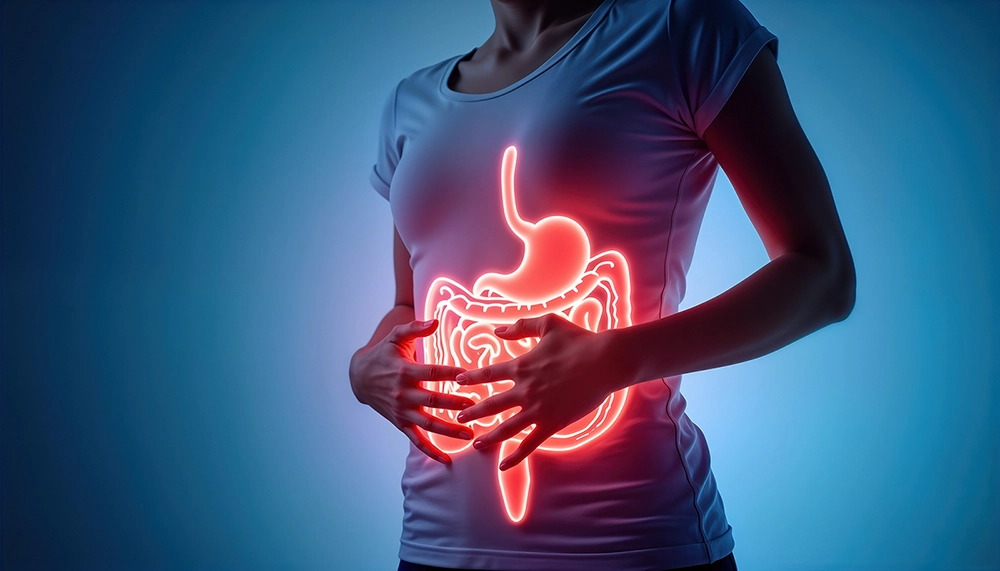
If you’re struggling with constipation, bloating, or digestive discomfort, you might be surprised to learn that the solution often lies beyond typical remedies. The connection between your pelvic floor and nervous system reveals a powerful pathway to digestive wellness that most approaches overlook.

What many people don’t realize is that optimal elimination depends heavily on both the muscular and nervous systems working in harmony. Issues like constipation, IBS, and chronic bloating often stem from imbalances in both systems – and understanding this connection can transform not just your digestive health but your entire relationship with your body.

How Pelvic Floor Dysfunction Causes Constipation and Nervous System Imbalance

Your digestive system relies on far more than diet alone. The surprising truth is that muscle tension and nervous system regulation play crucial roles in healthy elimination. Constipation is often linked to pelvic floor dysfunction – where the muscles involved in elimination can’t properly relax or coordinate [1].

Most people I work with wouldn’t describe themselves as being in a constant state of stress. However, when we delve into their day-to-day experiences and how they navigate life events, it becomes clear to both of us that they’re doing an amazing job coping with what is actually a stressed and burnt-out system.

This chronic stress creates a domino effect. Stress can cause the body to hold tension by gripping, clenching, and tightening different muscle groups:

  • Jaw and facial muscles
  • Neck and shoulders
  • Fingers and toes
  • Abdominals and core
  • Pelvic floor muscles
  • Even the anus and surrounding tissues

These gripping and tension patterns aren’t necessarily conscious strategies. When we cope well with stress, we lose awareness of these protective patterns because they feel so normal and natural. Our bodies employ these strategies to manage the states we find ourselves in, creating perfect conditions for constipation linked to pelvic floor dysfunction. Such patterns are consistent with what clinical literature describes as defecatory disorders or dyssynergic defecation – a functional condition where muscles fail to relax or coordinate during elimination [3].

The constipation-nervous system connection becomes evident when you understand how chronic tension disrupts your body’s natural digestive processes, keeping you locked in survival mode.

Pelvic Floor Exercises for Constipation — RYC®

The Vagus Nerve: A Key Link Between Stress and Constipation

Your vagus nerve serves as a primary gut nerve, playing an essential role in:

  • Digestion and elimination
  • Maintaining the mouth-to-pelvic-floor connection
  • Supporting the entire digestive conduit system

When stress impairs vagal tone, it disrupts this crucial communication pathway. Additionally, stress impairs your rest-and-digest system – your body needs to be in a parasympathetic state to properly turn what you put in your mouth into something you eliminate.

When you remain in a state of constant sympathetic nervous system activity, you disrupt your body’s ability to rest and digest. This creates a vicious cycle where the disruption of the vagus nerve, combined with the inability to access parasympathetic states, renders healthy elimination nearly impossible.

Unclenching the Core: Pelvic Floor and Constipation Relief Through Movement

Why Constipation from Pelvic Floor Tension Goes Unrecognized

Many people don’t connect their digestive issues to pelvic floor tension because of deeply ingrained habits. Society has conditioned us to believe our bodies need to look a certain way to be acceptable and worthy. Without realizing it, people constantly pull their bellies in, always seeking that flat ab appearance.

This chronic tightening creates several problems:

  • Restricted blood flow throughout the abdomen
  • Impaired organ function from constant compression
  • Disrupted breathing patterns that increase tension
  • Disconnection from natural body signals

The Hidden Cost of Chronic Tension

When you tighten and pull your belly in constantly, you create restricted blood flow – yet healthy digestion depends on abundant blood flow. Our organs need circulation to function properly. The constant squeezing and tightening interrupt these essential physiological processes needed for proper elimination.

Understanding Your Interconnected System

Your pelvic floor doesn’t live alone in a silo. It’s connected to:

  • Your glutes and hip muscles
  • Core and abdominal muscles
  • Spine and breathing mechanics
  • Fascia of the pelvis and abdomen 

These connections are well-documented in anatomical studies of the pelvic floor and its integration with surrounding musculature and fascia [2].

When we grip our pelvic floor, we’re not just tightening that specific area – we’re increasing pressure and restricting the function of the whole system above it. You can’t be tight in your abdominals without affecting your pelvic floor, and vice versa. We must think of this as one integrated system.

When you’re in pain from digestive issues, you become less regulated, creating more stress and tension in a self-perpetuating cycle.

A Somatic Approach to Mindfulness and Pelvic Floor Exercises for Constipation

The good news is that you can adopt practices covering multiple aspects simultaneously. These practices provide tools for mindfulness, helping you shift from the thinking, analytical mind into a more intuitive, embodied state.

The Power of Simple Mindfulness Exercises

One of the best tools for instantly de-stressing is surprisingly simple:

  1. Sit down on a chair
  2. Feel your feet on the floor
  3. Sense the outline of your body
  4. Feel your heartbeat

Why does this work? Because we’re not saying “think about your thoughts and analyze them.” We’re taking you into feeling your body. The minute you make that shift, you’re attending to your nervous system – literally downshifting into a different state.

Essential Components for Relief

This simple change of location – from “I’m thinking, thinking, thinking” to “I’m feeling, feeling, feeling” – is dramatically effective for regulation, stress relief, and easing chronic gripping patterns.

A comprehensive approach includes:

  • Practices that create mindfulness
  • Breath awareness (focusing on body sensation, feeling air enter or exit the nostrils, feeling your ribs expand as the air enters the lungs)
  • Movement practices that reduce muscular tension in the abdomen and pelvic floor

For the best results with constipation, digestive regularity, or pelvic floor concerns, it helps to combine all these elements rather than focusing on just one aspect.

Many people in the Restore Your Core® program report that as they work on core and pelvic floor rehabilitation, their digestive issues naturally improve – a welcome side effect of releasing chronic tension and enhancing nervous system regulation.

Guided Movement Practice to Support Pelvic Floor Function and Ease Constipation

This routine combines several movements that work together to create ease in both your nervous and muscular systems. Each exercise builds on the previous one, helping you develop deeper awareness and release patterns of tension that contribute to constipation.

You’ll need:

  • A chair or stool
  • 2-3 yoga blocks (books work as substitutes)
  • Wall space for the final sequence

Chair Forward Fold and Cat-Cow Movement

We’ll start standing with the chair, working to create space and opening in the body.

Starting Position:

  • Place the chair on your mat
  • Stand with legs slightly wide, knees gently bent
  • Place hands on the chair seat
  • Avoid letting the knees collapse inward or the back round

Forward Fold Sequence:

  1. Imagine balancing a cup of tea on your back
  2. Lower to forearms if comfortable (stay on hands if too much hamstring sensation)
  3. Untuck the pelvis to spread the sitting bones
  4. Drop your head and take 3 nourishing breaths
  5. Release analytical thinking – just breathe without analyzing tightness

Now we’ll move through cat-cow to create more movement and space.

Cat-Cow Transition:

  • Climb up to hands, bring feet closer
  • Round your back like a cat
  • Arch your back like a cow (can bend elbows)
  • Move less mechanically – let your body flow 
  • Like seaweed gently moving with the tide

Kneeling Lunge and Inner Thigh Release

Your inner thighs have a direct relationship with your pelvic floor. When they’re tight, your pelvic floor can’t function properly. This sequence addresses both areas simultaneously.

Setup:

  • Come to a kneeling position
  • Place blocks nearby
  • Add knee support if needed

Movement Flow:

  1. Step right leg out to the side
  2. Dip in and out of the lunge several times
  3. Drop into feeling without the analytical mind taking over
  4. Straighten leg and bring hands to blocks (any height)
  5. Keep back flat like a table, not tucked under
  6. Shift hips forward and backward
  7. Breathe through sensation without judgment

Remember: Gripping in the inner thighs inhibits the pelvic floor and affects blood flow to your entire pelvic region and digestive system.

Thread-the-Needle for Pelvic Release

This twisting movement creates space through your entire torso while gently mobilizing the organs and releasing tension patterns that contribute to constipation.

Diamond Setup:

  • Hands and knees with knees  wide and toes together in a diamond pattern
  • Place the left hand on the block

Movement Sequence:

  1. Move your hips right while reaching your right arm up
  2. Exhale: Thread the right arm under
  3. Inhale: Rise and open
  4. Follow your hand with your gaze
  5. Continue slowly – this isn’t about speed or reps, move with your breath
  6. Explore holding a position for several breaths
  7. Switch sides

Note: Breath work is integrated here – inhaling to open, exhaling to thread through.

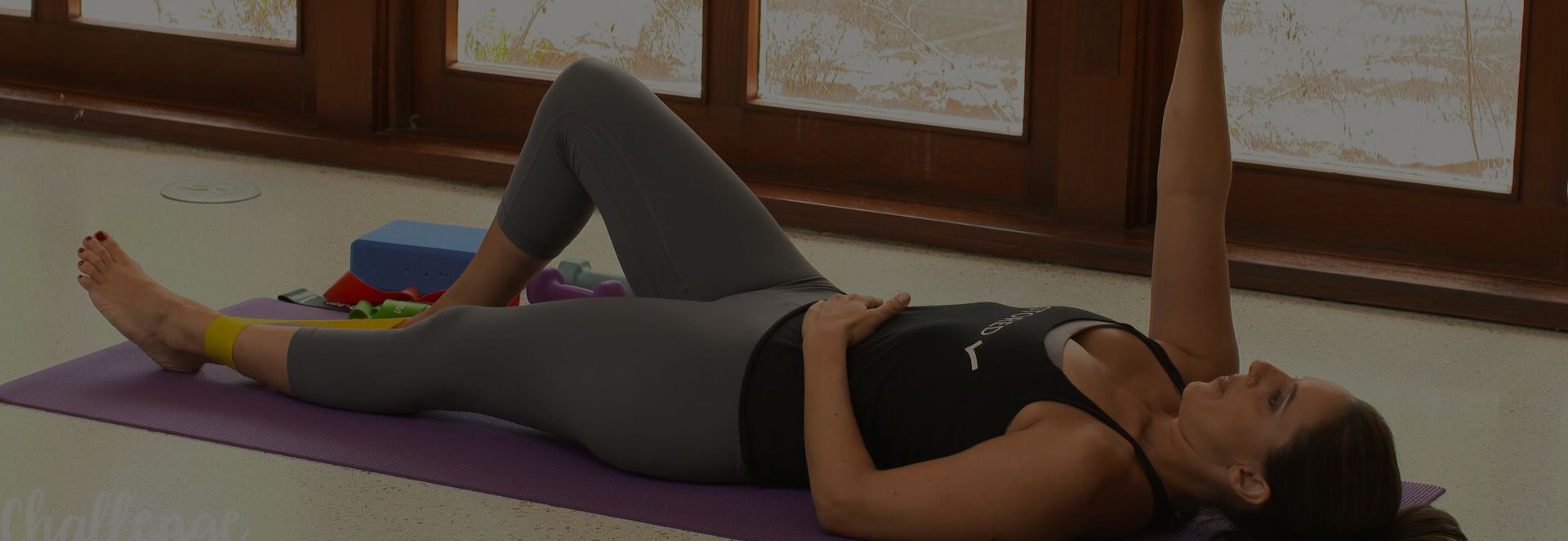
Legs Up the Wall for Relaxation and Pelvic Floor Mobility

The final sequence integrates gentle inversion and pelvic floor release. Wall support provides stability, allowing for full relaxation and effective, targeted movement.

Initial Setup:

  • Bring a mat to the wall
  • Lie with your bottom about a foot from the wall
  • Add blankets under the head if more comfortable
  • Bend your knees and place your feet on the wall wider than hip distance – adjust as needed

Progressive Sequence:

Start with simple movements to awaken awareness in your pelvic floor:

Part 1 – Basic Opening:

  • Bring your feet to the wall and let your knees fall open, then close
  • Inhale: Open legs
  • Exhale: Close legs
  • Feel your legs working (this brings essential blood flow)

Now we’ll add gentle resistance to deepen the release:

Part 2 – Adding Resistance:

  • Hold legs open, place hands on thighs
  • Gently press and create a small rocking
  • Untuck pelvis (anus toward floor) as you open
  • Allow release as legs come together
  • Find your comfortable range

Finally, find your most restorative position:

Part 3 – Final Rest Position: Choose what feels most restorative:

  • Legs straight up the wall
  • Legs wide apart
  • Knees bent with soles together

Stay for several minutes, focusing on lengthening the muscles of the pelvic floor.

Conclusion: Mindfulness and Movement Are Keys to Pelvic Floor Constipation Relief

Remember that overcoming chronic tension in your pelvic floor, constipation, and digestive issues requires targeting your nervous system. We need to downregulate, teaching our bodies how to stop and rest.

This physical practice addresses multiple systems at once:

  • Getting your body into a quieter, more restful state
  • Creating increased blood flow
  • Enhancing muscular activity
  • Aligning all systems for optimal function

It’s not just one thing – it’s the combination of mindful awareness and targeted movement that creates relief. When you take time for practices like these, you’re doing more than exercises; you’re fundamentally changing how your body responds to stress and tension.

If you’re looking for a structured whole-body approach to core and pelvic floor health and function, the Restore Your Core® program addresses the foundational movement and breathing patterns that contribute to digestive issues. It also supports nervous system regulation, helping you build a more responsive, resilient, and functional system.

FAQ

1. Can pelvic floor exercises for constipation improve bowel movements?
Yes, targeted exercises can significantly improve bowel movements by releasing chronic muscle tension, increasing blood flow to digestive organs, and regulating your nervous system. The key is combining physical movements with mindfulness practices–you need both muscular release and nervous system regulation for relief from constipation.

2. What’s the connection between the pelvic floor and constipation?
Your pelvic floor muscles support the function of both the rectum and anal sphincter. When these muscles can contract and relax in a coordinated way, they help facilitate smooth and complete bowel movements. But when they’re chronically tight or overactive, this coordination is disrupted. The muscles may struggle to release fully, creating resistance during elimination and contributing to straining, discomfort, or constipation. 

3. How does pelvic floor dysfunction cause constipation?
Pelvic floor dysfunction can cause constipation through multiple mechanisms: the muscles cannot relax properly to allow elimination, chronic tension restricts blood flow to digestive organs, and the constant gripping disrupts the nerve signals needed for healthy bowel movements. Stress only compounds these effects.

4. How does the nervous system affect constipation?
Your nervous system has a direct impact on digestive function through the vagus nerve and the stress response. When stuck in sympathetic activation (fight-or-flight), your body cannot access the parasympathetic state needed for digestion. This creates muscle tension throughout the pelvic floor and abdomen, physically restricting elimination while disrupting the chemical processes of digestion.

5. Are mindfulness exercises effective for constipation relief?
Mindfulness exercises prove highly effective because they shift your nervous system from thinking to feeling states. Simple practices, such as chair meditation, can create immediate changes in pelvic floor tension. By shifting from analytical thinking to body awareness, you activate the parasympathetic nervous system, which is essential for healthy digestion.

6. What are natural remedies for constipation linked to pelvic floor dysfunction?
Effective natural remedies include the movement routine outlined above, daily mindfulness practices, three-dimensional breathing techniques, and whole-body programs that address core and pelvic floor function. The Restore Your Core® program teaches these foundational patterns, which often improve digestive function as a natural side effect of better pelvic floor health. Consistency with these practices, combined with adequate hydration and physical activity, support digestive health.

References

[1] Bharucha, A. E., & Lacy, B. E. (2020). Mechanisms, evaluation, and management of chronic constipation. Gastroenterology, 158(5), 1232-1249.

[2] Raizada, V., & Mittal, R. K. (2008). Pelvic floor anatomy and applied physiology. Gastroenterology Clinics of North America, 37(3), 493-509.

[3] Rao, S. S., Bharucha, A. E., Chiarioni, G., Felt-Bersma, R., Knowles, C., Malcolm, A., & Wald, A. (2016). Functional anorectal disorders. Gastroenterology, 150(6), 1430-1442.

Get more actionable info, inspiration and exclusive offers delivered to your inbox.

*No spam, just quality content and support

Group-47.png
Group-47.png